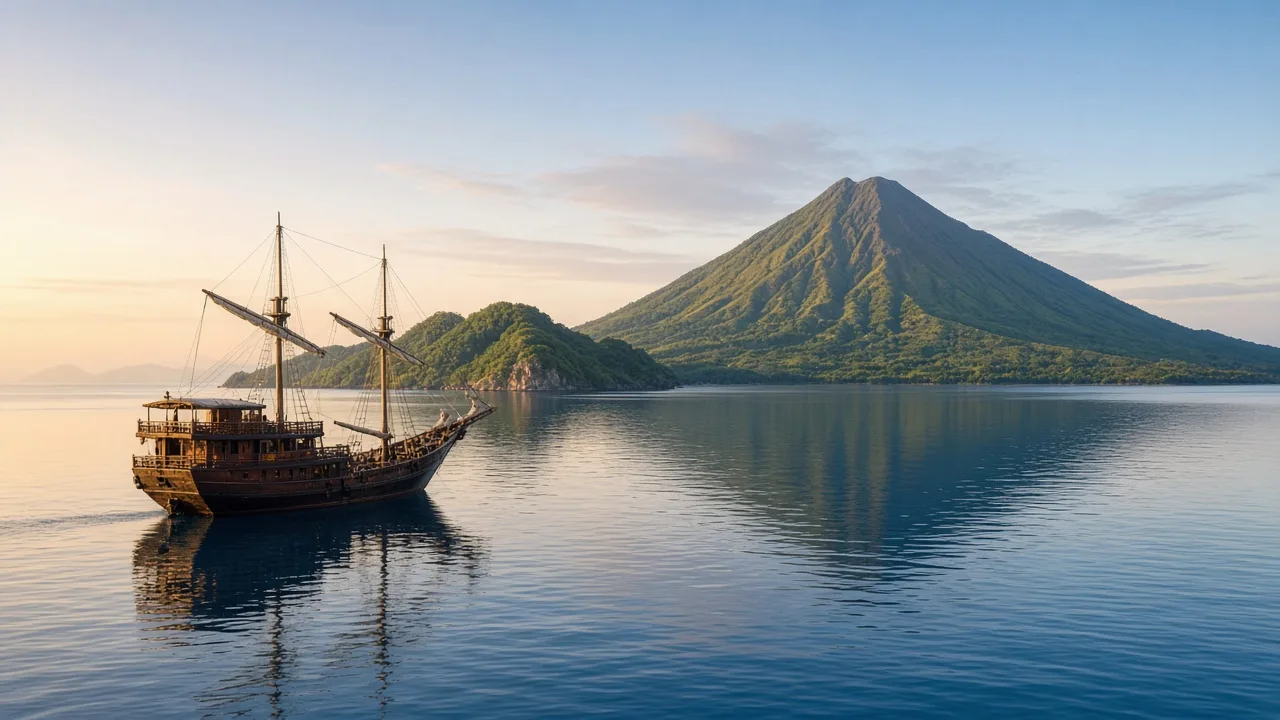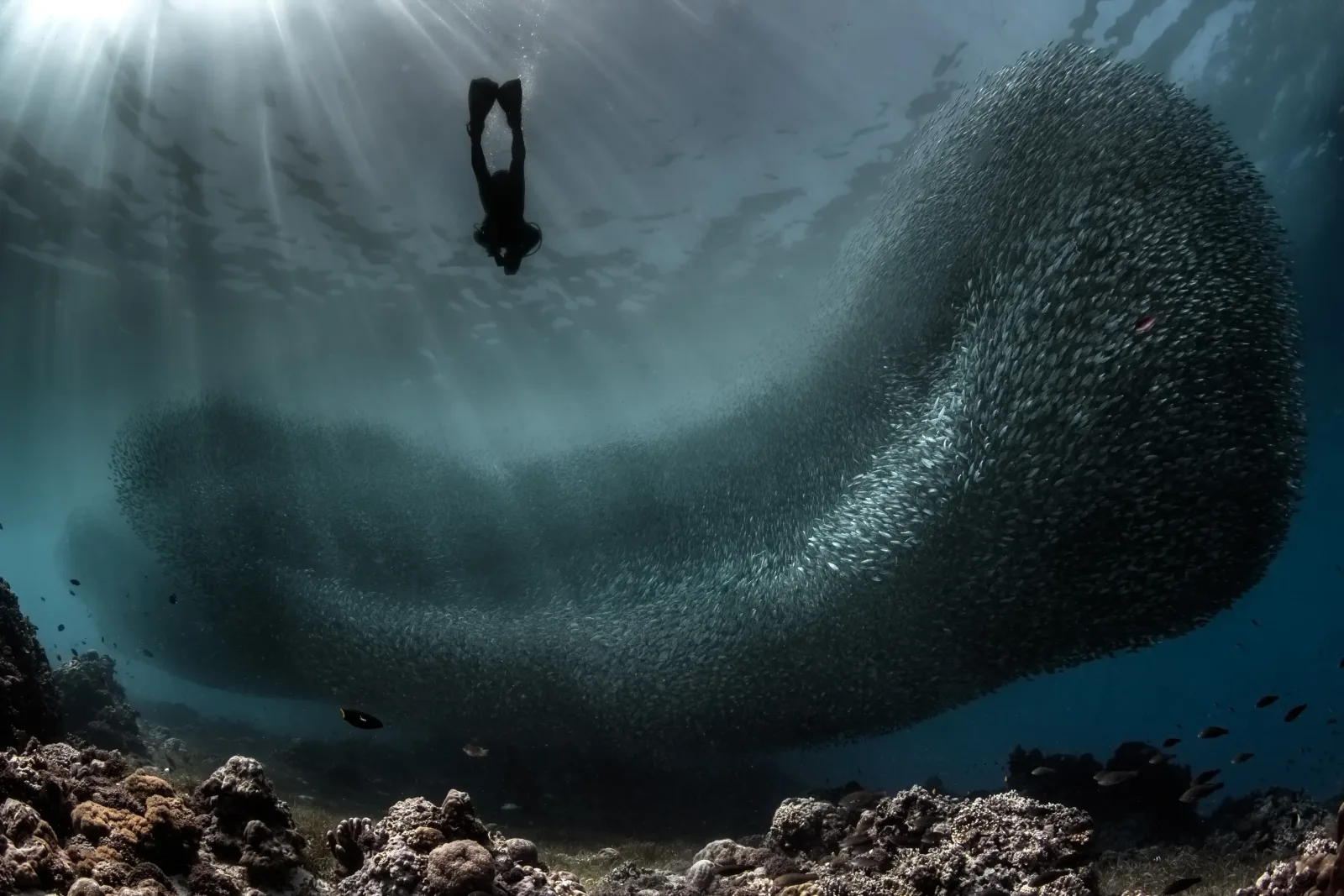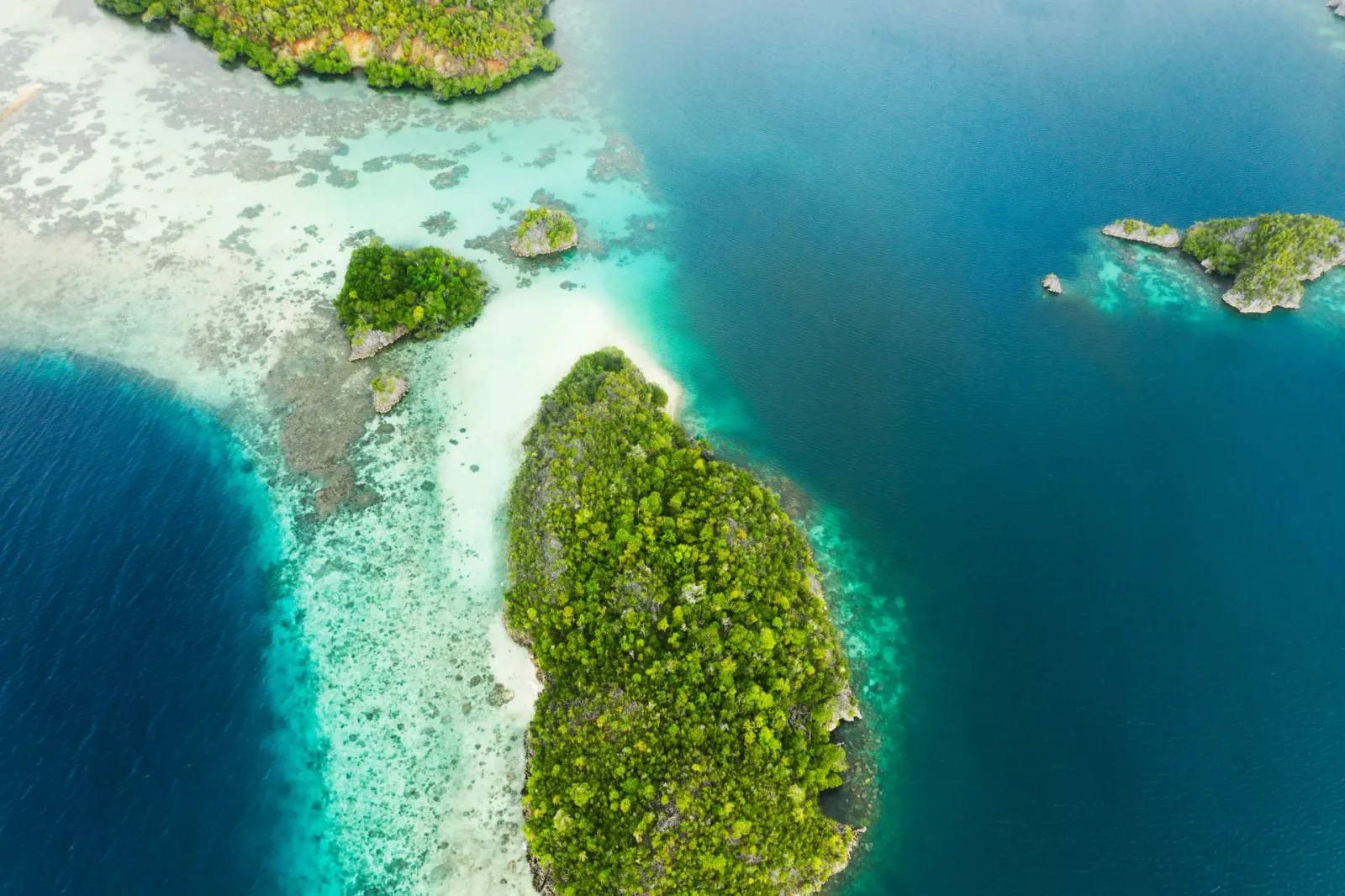
Snorkelling in Komodo is better than most people expect, and in a few places it is better than the diving. Reef tops inside the national park sit a metre or two under the surface, the northern water is warm, and the mantas at Karang Makassar feed close enough to the top that a snorkeller often sees more of them than the divers sitting on the rubble below. The catch is current. Komodo is one of the most current-swept marine parks in Asia, and the difference between a superb snorkel and a frightening one is mostly about which site, which tide and who is in the water with you.
We run a Komodo liveaboard schedule out of Labuan Bajo all year, and a meaningful share of the people on board never put on a tank. Some are partners of divers. Some are children. Some simply prefer the surface. What follows is how Komodo National Park snorkeling actually works from a boat: the sites we use, the ones we keep snorkellers away from, the manta question, Pink Beach, the seasons, park fees under the new quota system, and what to pack.
Is Komodo good for snorkelling?
Yes, with one honest qualification that we will come back to more than once.
Three things make the park unusually good from the surface. The first is shape. Most of the sheltered reefs in central and northern Komodo rise from a sandy slope to a flat or gently sloping top that sits between one and three metres deep, sometimes shallower at low water, so a snorkeller floats directly over the busiest part of the reef rather than peering down at it from ten metres up. The second is clarity. On a normal dry-season day the northern and central sites give 15 to 25 metres of visibility, and on a good one you can count the fish on a bommie at 15 metres without a mask strap tightening. The third is life. The same currents that make Komodo hard work also feed it, and the shallow reef carries turtles, schooling fusiliers, anthias, reef sharks resting on the sand and, at the right sites, mantas.
The qualification is that current. Water moving between the Flores Sea and the Indian Ocean has to squeeze through the gaps between the islands, and at the famous pinnacles it runs at speeds no snorkeller should be in. The answer is not to avoid Komodo but to snorkel it the way the boats do: in sheltered bays, on the right tide, with a dinghy following the group and a guide in the water. Done that way, the park suits confident beginners, children from about eight, and older guests who have not swum in open water for years.
There is also a temperature split that catches people out. In the dry season, cold water upwells along the park's south coast and the southern sites can drop to 22 to 26 degrees Celsius, while the north stays at a tropical 26 to 29. Most of the classic snorkelling is in the warm half of the park, which is convenient, but anyone booking a trip that spends time in the south should pack more neoprene than the brochure photos suggest.
How snorkelling works on a Komodo liveaboard
The practical difference between a liveaboard and a day boat is where you wake up. A day trip from Labuan Bajo spends roughly an hour and a half to two hours each way getting into the park, then queues at the same handful of sites as every other day boat between about ten in the morning and two in the afternoon. A liveaboard has already moved overnight. By seven o'clock you are anchored off a reef that the day fleet will not reach for another three hours, and the light is low and gold across the water.
On our boats the snorkellers usually go out at the same time as the divers, to the same reef or one a few hundred metres away, on their own tender. A crew member stays with the surface group for the whole session. That person's job is not to point at fish, although they do, but to watch the group, read the current and call the pickup before anyone gets tired. Life jackets go on in the tender every time. On a typical day there are three or four water sessions, timed to the tides rather than the clock, with a landing or a walk in the late afternoon.
The rhythm looks roughly like this, give or take an hour depending on tide and route:
- Early morning: the first and usually calmest session of the day, often the best visibility, sometimes before breakfast.
- Late morning: a second reef, frequently a drift where the dinghy drops the group up-current and collects it at the far end.
- Early afternoon: the quietest window for snorkellers, when the divers are down on a deeper site. Most people sleep, read or sit on the shaded deck.
- Late afternoon: a beach landing, a shallow sheltered snorkel, the Padar climb, or a ranger walk to see the dragons.
- Evening: the stern lights go on at anchor and the needlefish and squid come in to hunt in the light pool, which is often the thing children remember longest.
Drift snorkelling deserves a word, because it surprises people. Many of the good sites are not swum at all. You get in at one end, relax face-down, and the gentle flow carries you along the reef top for 20 to 40 minutes while the tender idles behind. It is less effort than swimming in a pool. The skill it asks for is simply staying together and not fighting the water, and the guide will tell you before you get in which way the current is running and where the pickup will be.
Snorkellers do not need to be strong swimmers for this, but they do need to be comfortable in deep water with a mask on. If you have not snorkelled for a long time, say so at booking. A fitted mask and twenty minutes in a calm bay on the first afternoon solves most nerves, and the crew will hold the first session somewhere with no current at all.
Snorkelling with manta rays at Manta Point (Karang Makassar)
This is the site that sells Komodo to non-divers, and it deserves the reputation. Karang Makassar, marketed everywhere as Manta Point, is a long, shallow plateau of sand and coral rubble in the channel east of Komodo island, near Tatawa Besar and Tatawa Kecil. It runs for roughly three kilometres and sits mostly between five and fifteen metres deep. Reef mantas (Mobula alfredi) come there to be cleaned and to feed, and when they feed they often rise to within a metre or two of the surface.
That depth is what makes it a snorkelling site rather than a dive site that snorkellers are tolerated on. A diver at Karang Makassar is usually sitting on the rubble at ten metres looking up. A snorkeller floating above sees the same animals in silhouette against the sand, often with less silt and without having to wait at a cleaning station. On a good tide the mantas pass under, beside and occasionally straight towards the group, and a four-metre wingspan at arm's length from the surface is not something people forget. We cover the diving side in more depth in our Manta Point Komodo guide, including the confusion between Karang Makassar, Taka Makassar and Manta Alley.
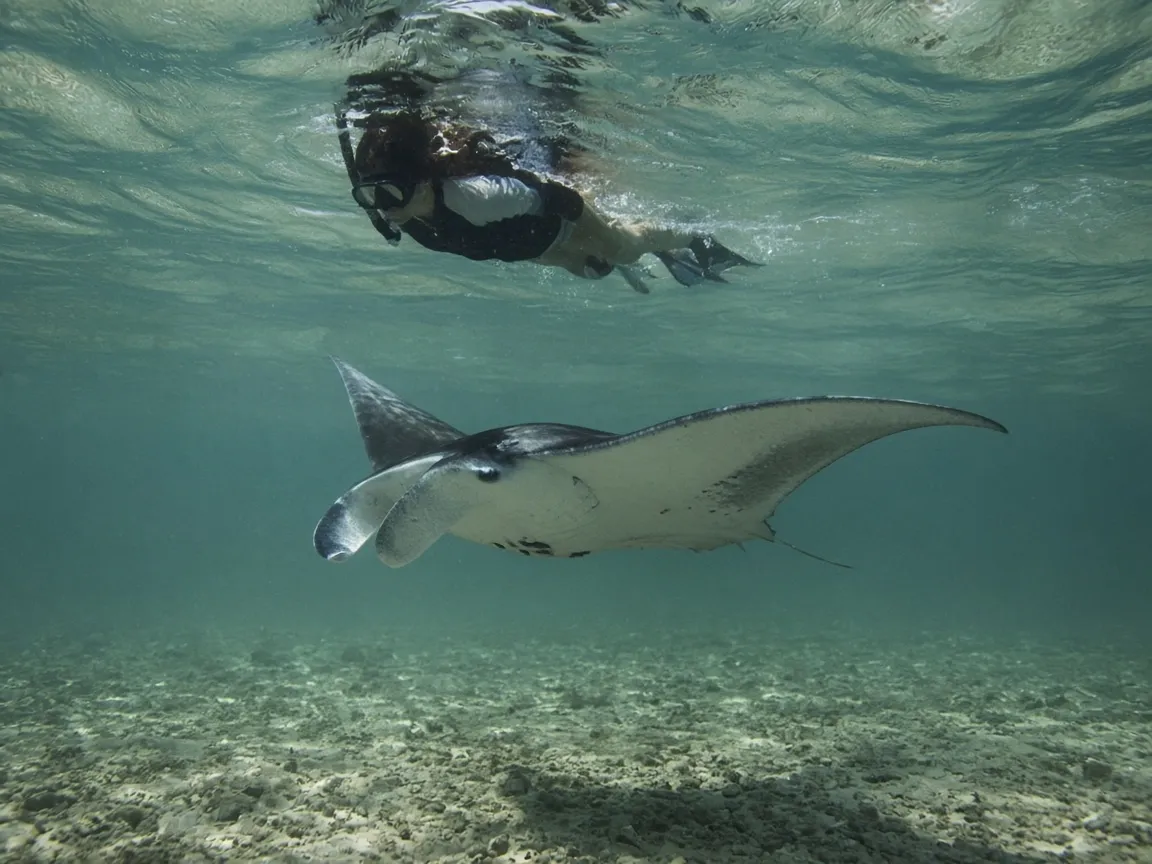
Is manta snorkelling in Komodo guaranteed? No, and anyone who says otherwise is selling something. The reef mantas are a resident population, catalogued by researchers from the spot patterns on their bellies, and there is no month when the site is empty. But they respond to tide and plankton in ways nobody fully predicts. The biggest numbers usually come in the wet season, roughly December to February, when plankton-rich water draws them into loose feeding lines along the plateau. The clearest water usually comes in the drier months, with fewer animals. You trade one against the other. In most years a week on a boat gives you more than one attempt at the site, which is the single best way to improve the odds.
The current here is usually mild to moderate, and the snorkellers drift with it just like the divers. That means the tender has to follow the group rather than sit at anchor, and it means a guide should be in the water with you. On a big spring tide the plateau can start to move fast enough that a sensible crew picks a different site for the morning and comes back on a softer tide. If that happens on your trip, it is the right call.
Manta behaviour decides how long the encounter lasts, and most of it is about what people do at the surface:
- Never chase. Swimming towards a manta, even slowly, pushes it away. Hold still and let it choose the distance, which is often closer than you would dare go.
- Do not duck-dive onto them. The temptation is enormous and it ends the pass. Stay at the surface, face down, and let the animal come up.
- Keep your fins quiet. Slow, small kicks. Splashing reads as a threat from below.
- No touching, ever. The mucus layer on the skin protects the animal from infection.
- Stay with the group. On a drift the pickup is planned around everyone being in roughly the same place.
Close by sits Taka Makassar, the small crescent of pale sand that appears in a lot of Komodo photographs. It is a sandbar you walk on rather than a reef, but the shallows around it are pleasant for a short, easy snorkel, and some itineraries pair the two in a single morning.
Pink Beach snorkelling
Komodo's Pink Beach, Pantai Merah, sits on the eastern side of Komodo island and is the other site everyone has heard of. The colour comes from fragments of red organisms that live on the reef mixed into white sand, and it is strongest in low morning and late afternoon light. The snorkelling is genuinely good rather than decorative. A small reef starts five to ten metres off the beach, so you can walk in from the sand, swim a few strokes and be over hard and soft coral with anthias, damselfish, butterflyfish and the occasional turtle. There is usually little or no current along the inshore reef, which makes it one of the easiest first snorkels in the park.
Its weakness is popularity. Pink Beach is on almost every day-trip itinerary from Labuan Bajo, and between roughly ten and two the bay fills with speedboats, which churns the water and the experience. Liveaboards get around this by visiting early in the morning or late in the afternoon, when the light is better for photographs and the beach is closer to empty. If you want the background on the beach itself, how to reach it and what else is nearby, our Pink Beach Komodo guide covers it. As a snorkel site, treat it as the gentle warm-up rather than the highlight. The fish life on the sheltered reefs further into the park is richer.
The best snorkel sites in Komodo National Park
Beyond the two famous names, the snorkelling that guests talk about at dinner is usually on reefs they had never heard of before the trip. A good cruise director picks these by tide and wind on the day, so treat the list below as the menu rather than the plan. Conditions in the table are typical, not promised.
| Site | Where | Usual conditions | What snorkellers see | Best for |
|---|---|---|---|---|
| Karang Makassar (Manta Point) | Channel east of Komodo island | Gentle to moderate drift, 5 to 15 m below | Reef mantas, turtles, eagle rays | Confident snorkellers with a guide |
| Siaba Besar | Central park | Sheltered, little current | Green and hawksbill turtles over coral and sand | Everyone, including children |
| Pink Beach | Eastern Komodo island | Calm, shore entry | Shallow coral, reef fish, occasional turtle | First snorkel, families |
| Tatawa Kecil (east side) | Central park | Calm side of a current-swept island | Dense reef fish, fusilier schools | Relaxed snorkellers on the right tide |
| Wainilu | Northern park, inshore | Calm bay | Reef structure, small critters, quiet water | Nervous or rusty swimmers |
| Mawan | Inside the park | Usually calm, sloping reef | Coral garden, reef fish, sometimes mantas passing | Most levels |
| Kanawa | Near Labuan Bajo, outside the core park | Calm, shallow | Hard coral, reef fish, starfish in the shallows | First or last day |
| Taka Makassar sandbar | Next to Karang Makassar | Very shallow, sheltered | Sand, small fish, turtles in the channel | A swim and a walk |
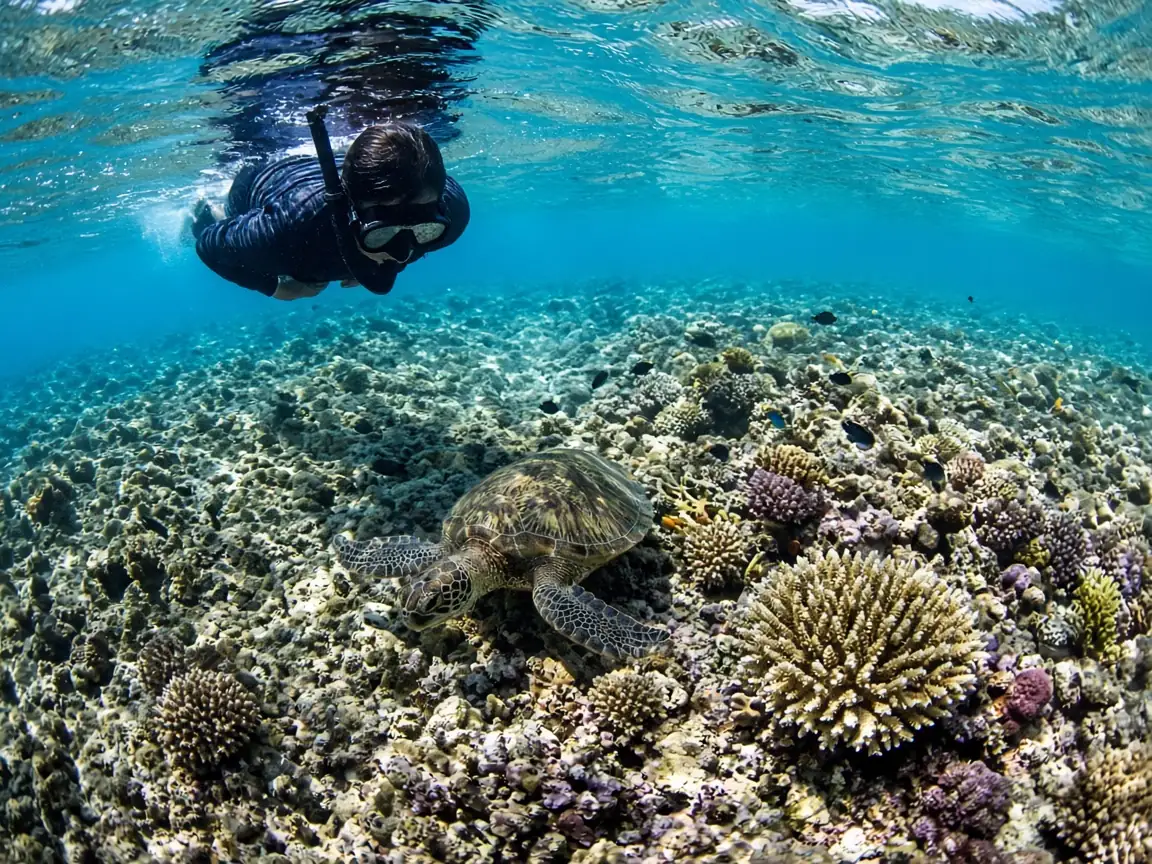
Siaba Besar is the one we would single out. It sits in a sheltered bay, the current is usually negligible, and the turtles there are so used to people that they carry on feeding on the reef a couple of metres under a snorkeller's mask. For children it is often the site that turns nervousness into enthusiasm. For adults it is the one where people stay in the water longest, because nothing about it is hard work.
Tatawa Kecil is the reverse case. Its exposed sides are dive sites with real current, but on the right tide the eastern lee is calm and astonishingly busy with fish. Whether it is a snorkel site on your trip depends entirely on the tide table that morning, which is exactly the kind of judgement the crew should be making for you.
Sites that are not for snorkellers
Some of Komodo's most famous names are dive sites that a snorkeller should not be in at all, and it is worth knowing them so that nobody is disappointed when the surface group goes elsewhere. Castle Rock and Crystal Rock are submerged pinnacles in the open north, swept by strong current and best known for sharks and big schools of fish at depth; from the surface you see blue water and moving bubbles. The Cauldron and Shotgun is a fast channel dive that divers time to the minute. Batu Bolong is a small rock with spectacular coral on its sheltered face, but the current wraps around it hard and the down-currents on the corners are no place for anyone without a tank and a guide.
Down south, Manta Alley is a manta site in colder, greener, rougher water, at its best in the dry-season upwelling. It is a dive. We would not take a surface group there except on an unusually flat day, and even then the water temperature makes long sessions uncomfortable. If your heart is set on mantas from the surface, Karang Makassar is the site, not Manta Alley.
None of this means the snorkellers sit out those mornings. A good boat runs the snorkellers to a sheltered reef nearby while the divers do the pinnacle, and brings everyone back together for breakfast. Ask any operator how they handle this before you book. The vague answer is the warning sign.
The best time for snorkelling in Komodo
Komodo works all year, but the year divides cleanly in two. From about April to November the southeast trade winds blow, the sky is mostly clear and the northern and central park are at their calmest and clearest. That is the classic season and, for most snorkellers, the easiest. From December to March the northwest monsoon brings afternoon rain bursts, greener islands and, in most years, the biggest manta numbers at Karang Makassar. The water is warm everywhere in those months, which suits snorkellers too.
| Months | Surface conditions | Water (central and north) | For snorkellers |
|---|---|---|---|
| April to June | Settling, usually calm | 27 to 29°C | A strong first-trip choice: calm bays, good visibility, green to gold hills |
| July to September | Strongest trade winds, choppy crossings | 26 to 28°C | Very good inside the park; busiest months; south is cold |
| October and November | Calm, warming | 28 to 29°C | Gentle currents, quieter sites, warm water |
| December to March | Wet season, rain bursts, some windy weeks | 28 to 30°C | Peak manta numbers at Karang Makassar; visibility more variable |
Two caveats sit under that table. Wind matters more to snorkellers than to divers, because a choppy surface makes a snorkel tiring even when the reef below is perfect; the boats deal with this by tucking into whichever side of the islands is sheltered that week. And crowds follow school holidays rather than weather, so July and August are both beautiful and busy. If we were choosing a quiet, calm week purely for snorkelling, it would usually be in May, June, October or early November. Our Komodo best time to visit guide has the full month-by-month picture, including the manta seasons in more detail.
Komodo snorkelling tours from Labuan Bajo vs a liveaboard
Plenty of people snorkel Komodo on a day trip, and for someone with one free day in Labuan Bajo it is a reasonable choice. The standard route is Padar, Pink Beach, Karang Makassar and Taka Makassar, sometimes with a dragon walk on Komodo island, run either on a fast speedboat or a slower wooden boat. You will see the highlights. You will see them with a lot of other people, in the middle of the day, after a long ride, and with whatever tide happens to be running when the boat arrives.
A liveaboard changes three things. Timing, first: the boat can be at Karang Makassar when the tide suits the mantas rather than when the schedule says. Then range. Several of the calmer, richer reefs in the table above are simply too far for a day boat to reach and still get home before dark. And then sheer volume of water time, because four sessions a day for four to seven days adds up to more snorkelling than most people do in years. The trade-off is cost and commitment, and that is a real one. If you are deciding between them, our guide to getting to Labuan Bajo covers the flights and transfers either way, and Labuan Bajo is about an hour by air from Bali.
Snorkelling Komodo with children and families
If a family asked us for one Indonesian liveaboard route where the children would mostly snorkel, we would say Komodo without much hesitation. The crossings inside the park are short, the sheltered bays are calm, the dragons are on land, and Karang Makassar is one of very few places where a snorkelling child has a real chance of floating above a feeding manta.
Most liveaboards in Indonesia set a minimum age of ten for scheduled mixed-group trips. We accept children from eight on selected departures, provided a parent supervises and the child snorkels rather than dives. Children are priced as adults on our boats, because the harbour master counts every passenger on the manifest the same way, but where the park applies a reduced child fee the lower park fee is the one your child pays.
The rules for junior guests on our boats are short. Life jackets in the tender every time, with no exception for strong swimmers. A named crew member with every surface group. No child in the water without an adult, even at anchor in a flat bay. Rash guards or wetsuits for every session, because the realistic hazards for children on these trips are sunburn, dehydration and scraped shins, in roughly that order, rather than anything dramatic. Our family liveaboard guide goes into ages, cabins and the junior dive courses if any of the children want to try scuba.
What to bring for snorkelling in Komodo
Most boats carry masks, snorkels and fins, but the commonest reason a snorkel session goes badly is a rental mask that leaks. Fit is personal. If you snorkel more than once a year, bring your own, tested in a pool before you fly. The rest of the bag is short:
- A mask that fits your face, plus a spare strap. Prescription lenses are worth it if you wear glasses.
- Fins with a heel strap or full foot, sized for wearing with thin socks if you get blisters.
- A long-sleeved rash guard, or a 3mm shorty or full suit if you feel the cold or the route visits the south.
- Reef-safe sunscreen, applied well before you get in, and a hat for the tender.
- A light rain shell in the wet season, and a windproof layer for early mornings in July and August.
Underwater cameras are welcome and worth bringing for the mantas, but secure them with a wrist lanyard. In a drift, a dropped camera is gone. Our full Indonesia liveaboard packing list covers everything else.
Park fees and the 2026 quota for snorkellers
Komodo charges foreign visitors a flat IDR 250,000 per person per day inside the park, roughly USD 14 at current rates. Since October 2024 that single daily fee covers entry, the ranger walks, the Padar climb and snorkelling. Divers pay an extra IDR 25,000 per diving day; snorkellers and non-divers do not. On a five-night route with four days inside the park, a snorkeller's park bill therefore comes to about IDR 1,000,000.
The bigger change is the booking. Since 1 April 2026 every visitor has to be registered in advance through SiOra, the park's online reservation system, against a cap of 1,000 people a day across the main sites. Liveaboard guests do not register themselves; the operator does it from the passport details on your guest form, so getting that form in early matters more than it used to, especially for June to September dates. On Neptune Liveaboards trips the park fees are not included in the cruise price and are paid in cash on board or at embarkation, at whatever rate the park charges for your dates. The details, including Raja Ampat and visas, are in our park fees and permits guide.
Snorkelling Komodo with Neptune Liveaboards
All our Komodo trips start and finish in Labuan Bajo. Komodo Sea Dragon stays in the park all year, including the wet-season months when the manta numbers peak and much of the fleet has moved east, and runs routes of four to seven nights. Our larger boats, King Neptune and Neptune One, run five- to seven-night Komodo routes in season between their Raja Ampat and Banda Sea schedules. Every departure takes snorkellers alongside divers, with the surface group on its own tender and guide. Snorkellers and non-divers get 10 per cent off the trip price, though not on top of another discount already running on that departure.
If you are a snorkeller travelling with divers, or a whole group who would rather stay at the surface, tell us when you enquire. It changes which sites the cruise director plans around and which boat suits you best. For broader planning across Indonesia, including Raja Ampat, our guide to liveaboards for non-divers and snorkelers compares the regions, and our Komodo liveaboard itineraries page shows how the routes differ. When you know roughly when you can travel, contact us with your dates and we will tell you which departures still have space.