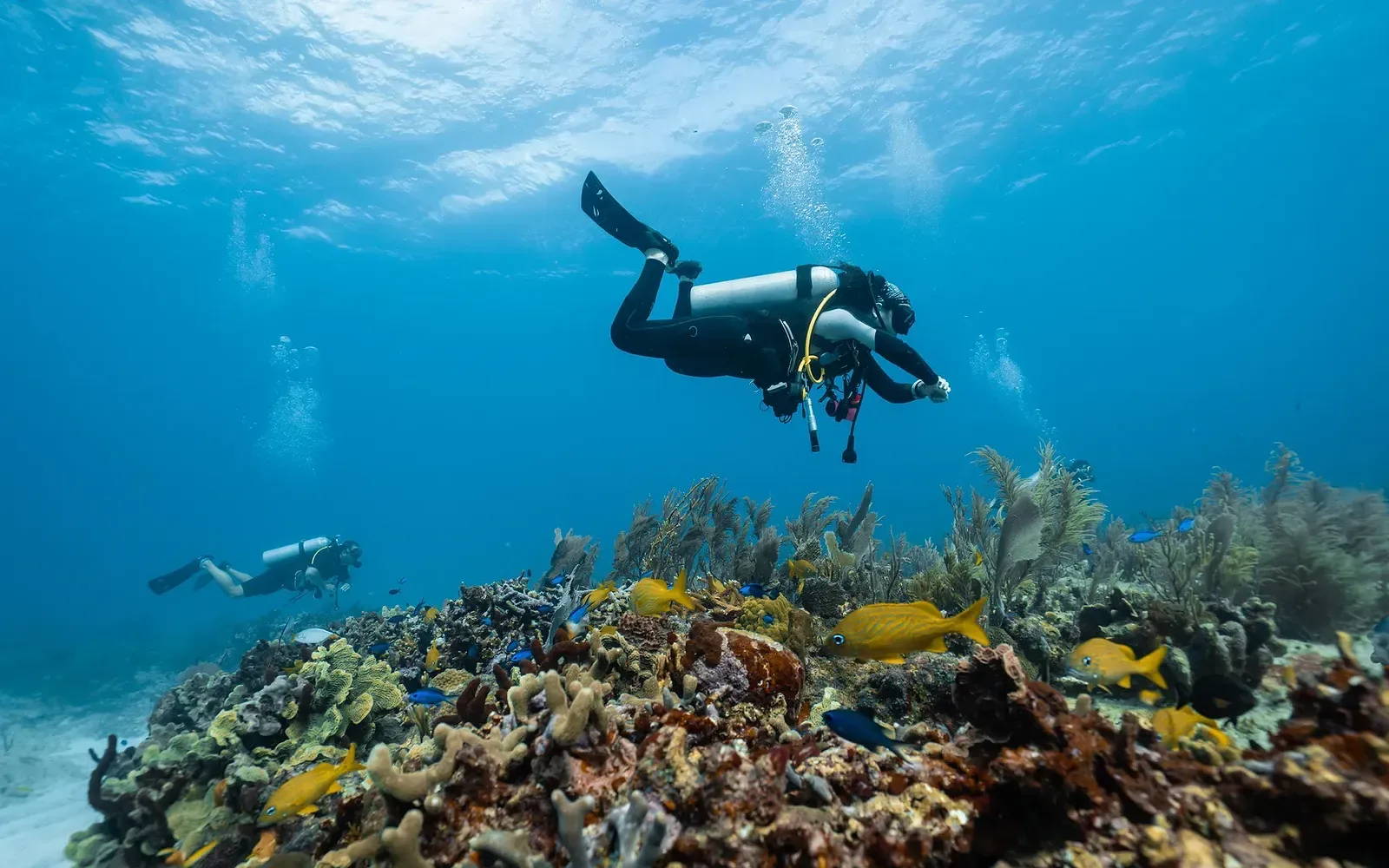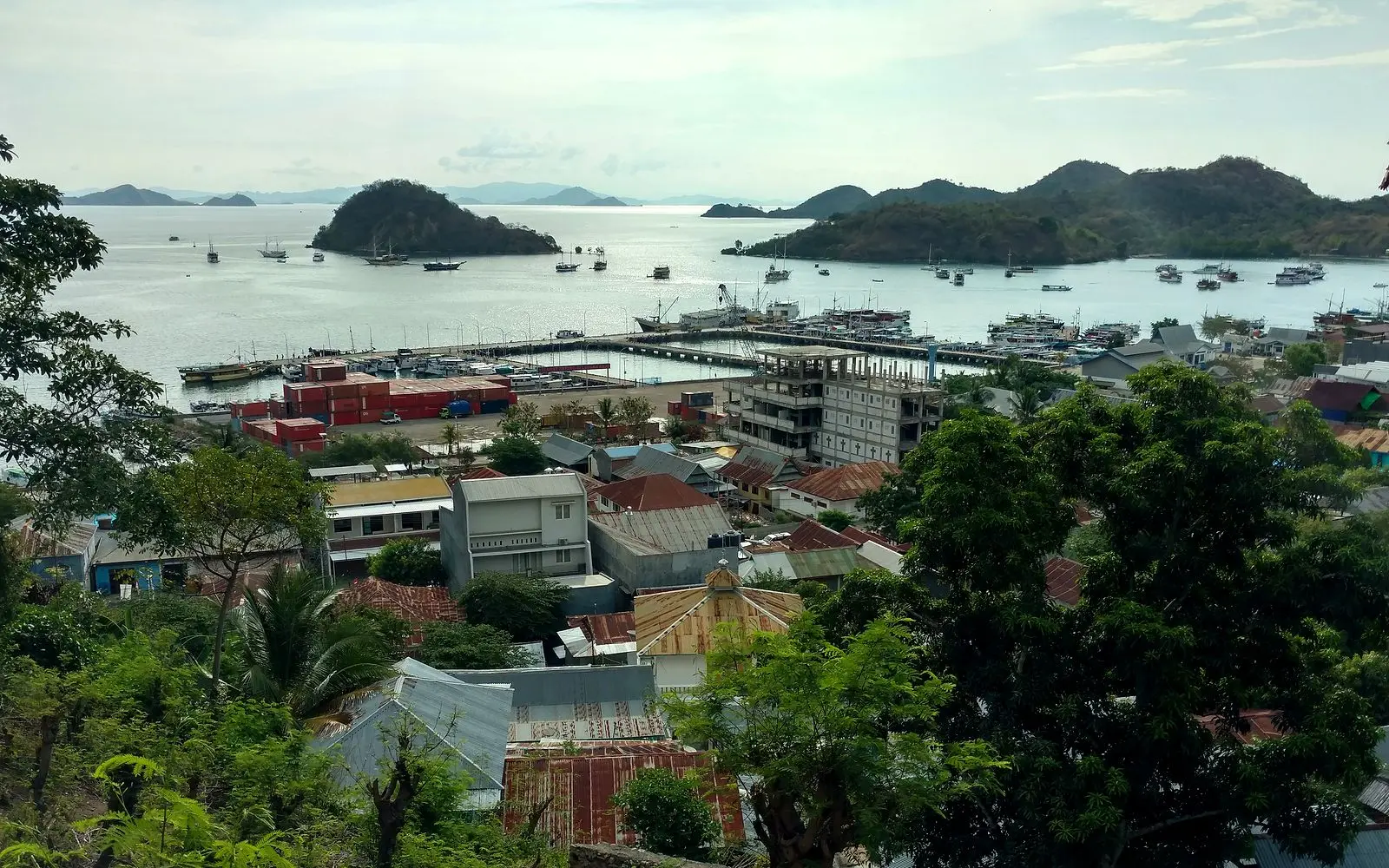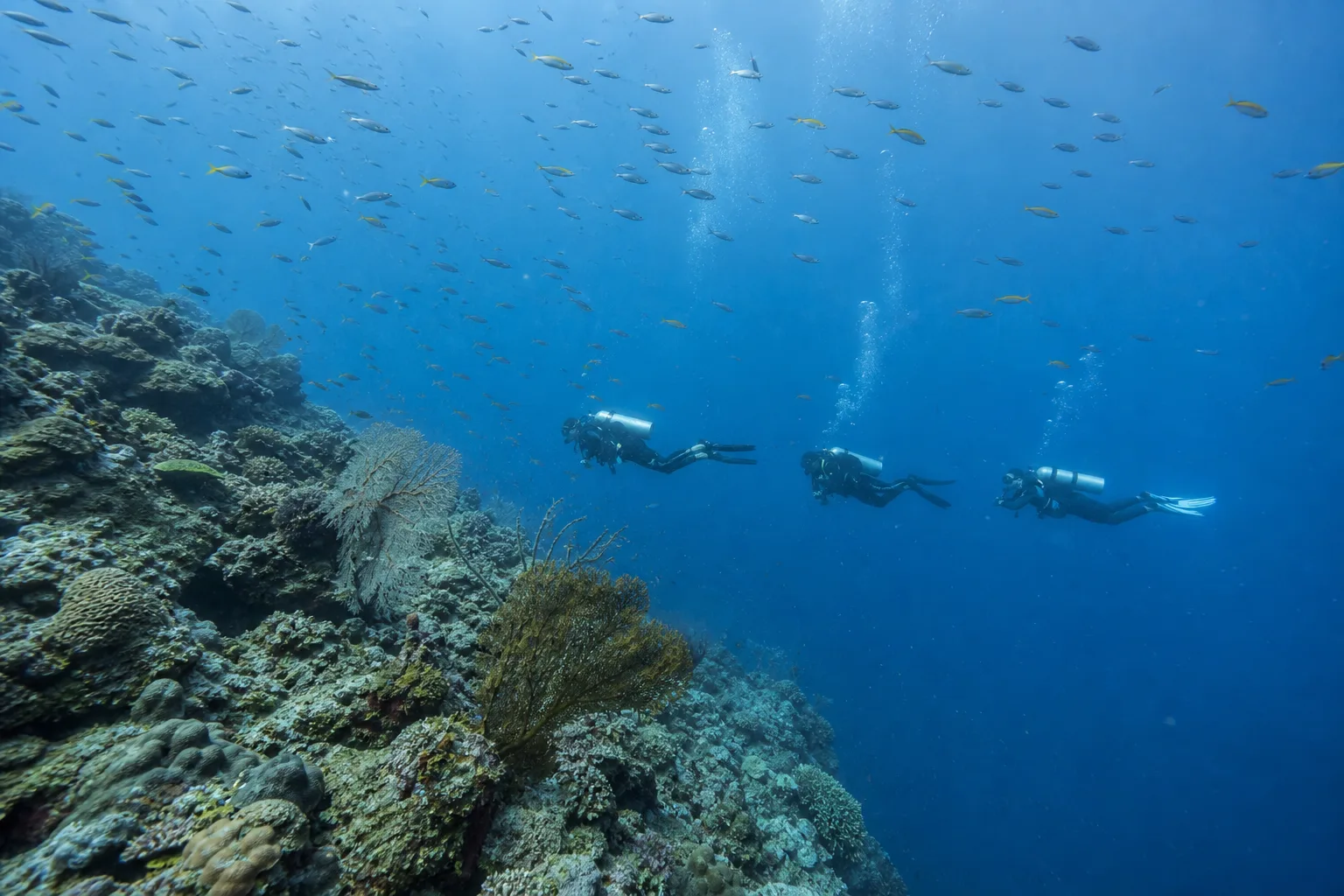
Singapore is, by a comfortable margin, the best international gateway to Raja Ampat anywhere outside Indonesia itself. Not because there is a direct flight, because there is not, but because Changi feeds Jakarta and Makassar so heavily that you can pick a connection that actually suits the onward flight to Sorong instead of accepting whatever a once-daily schedule offers you. Total journey time from Changi to a boat in Sorong harbour runs about 14 to 20 hours, which is short enough that a Singapore-based diver can plausibly leave on a Friday evening and be diving on Sunday morning.
That accessibility changes what kind of trip is realistic. From North America or Europe, Raja Ampat is a once-in-a-decade expedition where a seven-night Indonesia liveaboard itinerary feels too short for the travel invested. From Singapore, it is closer to a serious annual dive holiday, and shorter itineraries stop being poor value. We carry a steady stream of Singapore, Kuala Lumpur and Hong Kong based guests for exactly this reason, and they tend to be our repeat visitors, often two or three times across a few seasons. This guide covers the two routings that work, why Makassar deserves more consideration than it gets, what the whole thing costs in Singapore dollars, the baggage and visa mechanics, and how short a trip can sensibly be.
The two routings that work
Every Singapore itinerary passes through an Indonesian hub, because Sorong's Domine Eduard Osok airport handles domestic flights only. You have two realistic choices, and they behave quite differently.
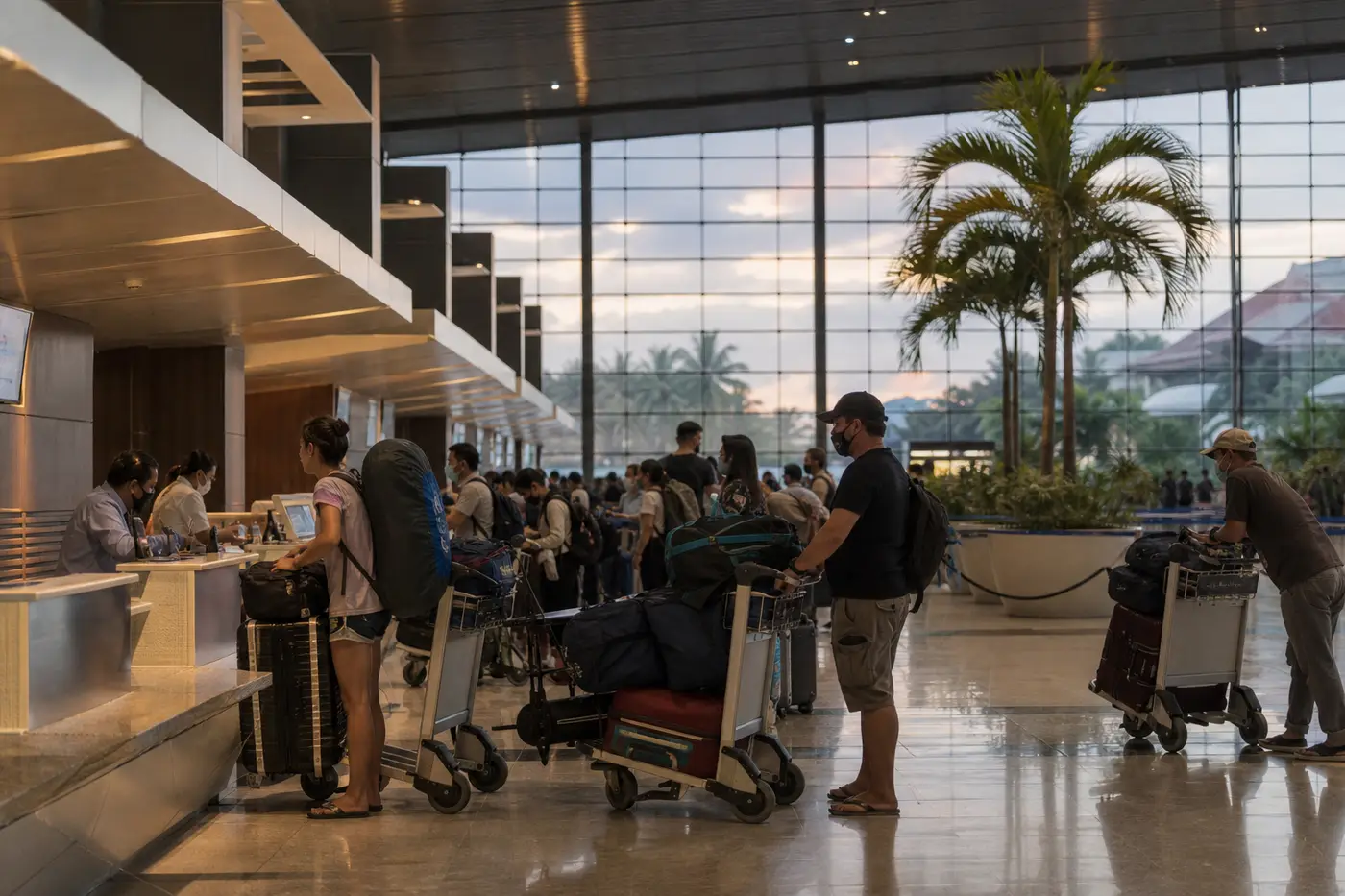
Via Jakarta is the default. Changi to Soekarno-Hatta is a short flight of about 1 hour 50 minutes, served many times daily by a wide range of carriers. From Jakarta you take the onward flight to Sorong, which is roughly four hours direct or five to six via Makassar. The advantage is frequency: if something goes wrong, the next Jakarta flight is usually within a couple of hours. The disadvantage is that Jakarta to Sorong departures cluster very early in the morning or late at night, so you will usually spend a night near Soekarno-Hatta or take a red-eye.
Via Makassar is the option people overlook, and for some schedules it is clearly better. Changi to Makassar on Sulawesi is about 3 hours 15 minutes when the route is operating, and Makassar is the natural hub for eastern Indonesia with several onward services to Sorong, typically two to three hours. Going this way skips Jakarta entirely, which removes a congested transfer and can shave hours off the total. The catch is that the Singapore to Makassar service has come and gone over the years and does not always run, so check current schedules rather than assuming. When it is flying, it is the fastest way from Singapore to Raja Ampat, full stop.
There is a third path worth a mention for completeness: via Manado in northern Sulawesi, which some Singapore-based divers use when combining Raja Ampat with a few days in the muck diving of Lembeh Strait. It is not efficient purely as transit, but as a two-destination trip it is a genuinely good idea, and one we see maybe a dozen times a season.
What the timings actually look like
Numbers help more than description here. These reflect the real patterns rather than idealised connection times.
| Routing | Flying time | Realistic door to harbour | Overnight needed? |
|---|---|---|---|
| Changi, Jakarta, Sorong | ~6 hours | 14 to 20 hours | Usually, near Jakarta airport |
| Changi, Makassar, Sorong | ~5.5 hours | 12 to 16 hours | Sometimes avoidable |
| Changi, Jakarta, Makassar, Sorong | ~8 hours | 18 to 24 hours | Yes |
| Changi, Manado, Sorong | ~7 hours | Varies widely | Yes, and best combined with Lembeh |
The pattern to notice is that flying time is only five to eight hours. Everything above that number is layover, and layovers are the variable you can actually control by choosing your connection carefully. A Singapore diver who books thoughtfully spends far less time in transit than one who books the cheapest fare combination, and the price difference is usually modest.
What it costs from Singapore
This is where the Singapore advantage becomes obvious. The international leg is short-haul, priced as short-haul, and heavily competed.
Changi to Jakarta return sits somewhere around S$150 to S$350 depending on carrier and how far ahead you book, and budget carriers push the bottom of that range lower still outside holidays. The Jakarta to Sorong return, booked as a separate Indonesian domestic ticket, typically runs the equivalent of S$330 to S$530. Add one or two airport hotel nights at S$60 to S$150 each, the Raja Ampat marine park permit at around S$90 equivalent, and you are looking at a realistic total of roughly S$700 to S$1,200 for the entire journey.
For context, that is comparable to flying to the Philippines or Palau and considerably less than most Singapore divers spend reaching the Maldives or the Red Sea. Against a destination that holds more coral species than anywhere measured on Earth, the travel cost stops being the deciding factor, which is not something a diver in Los Angeles can say.
Two ways to spend less without spending more time. First, book the Indonesian domestic legs directly with the Indonesian carrier rather than through-ticketing from Singapore; the domestic fare is almost always cheaper bought as a domestic fare. Second, be flexible on which Indonesian hub you transit, because the Jakarta and Makassar options price independently and one is frequently much better value in any given month.
Visa and entry: the easy part
Singapore passport holders can enter Indonesia visa-free for tourism for up to 30 days, one of the benefits of ASEAN membership, so there is no visa on arrival fee and no application to file. Holders of other passports resident in Singapore should check their own nationality's position, since the visa on arrival at around the equivalent of S$45 applies to most Western passports and a smaller set of nationalities need a visa in advance.
Everyone, regardless of passport, needs six months of validity remaining, and Indonesia has at times required an electronic customs declaration completed shortly before arrival. That form is trivial but far more pleasant to complete on Changi wifi than in an immigration queue. The Raja Ampat marine park entrance permit is separate from immigration entirely, is paid locally in rupiah, is valid for a year, and is normally arranged or collected by your operator.
Baggage: the leg that catches everyone
Your Singapore to Jakarta ticket may include 20 to 30 kilograms, or nothing at all if you bought a budget fare. Your Jakarta to Sorong domestic ticket will have its own, usually tighter, allowance in the region of 20 kilograms in economy, and excess is charged per kilogram at the counter.
A complete dive kit including regulators, BCD, wetsuit, fins, computer, torches and a camera rig lands between 22 and 30 kilograms without any indulgence. So:
- Buy extra domestic allowance online before you travel. It is far cheaper than the airport rate and takes a couple of minutes.
- Keep regulators, dive computer and camera bodies in your cabin bag. Nothing in Sorong replaces a lost regulator on a Saturday.
- Rent the bulky items if your boat's rental kit is decent. BCDs and wetsuits are the heavy, low-differentiation items. Masks and computers are not; bring those.
- Check lithium battery rules per carrier, since enforcement on Indonesian domestic flights is inconsistent and torch batteries belong in your carry-on regardless.
Our Indonesia liveaboard packing list covers the full inventory, including the small things people regret leaving behind.
How short can a trip from Singapore sensibly be
This is the question that genuinely separates the Singapore market from the long-haul one, and the answer is more encouraging than most operators admit.
With 14 to 20 hours of travel each way, a seven-night itinerary works comfortably inside a nine or ten day absence from work. That covers the Dampier Strait properly, which is where the fish density and the manta cleaning stations are, and it is a genuinely complete trip rather than a compromise. Most of our Singapore-based guests book exactly this.
A ten to twelve night itinerary is what you need to add Misool in the south or the karst scenery of the far north, and given how cheap the flights are relative to the boat, this is the upgrade we would push if you can find the leave. Our guide to Misool diving explains what the longer route buys you.
Anything under five nights we would discourage, not because it cannot be done but because the archipelago is too spread out to reward it. If you only have a long weekend, Komodo is the better answer: Singapore to Bali to Labuan Bajo is quick, the sites sit close together, and a four-night trip there is a real trip rather than a taster. Steering short-trip enquiries toward Komodo costs us Raja Ampat bookings and it remains the right advice.
Timing the connection to Sorong
The single structural quirk of this journey is that flights into Sorong are concentrated in the early morning. That one fact shapes every itinerary out of Singapore, so plan around it rather than fighting it.
Two workable patterns exist. The evening departure means leaving Changi in the late afternoon or evening, reaching Jakarta at night, sleeping at an airport hotel, and taking the dawn flight onward. You lose a night's proper sleep but you arrive in Sorong late morning with the whole day to settle. The red-eye means flying Singapore to Jakarta late, connecting straight onto an overnight or very early Sorong service, and arriving shattered but without a hotel bill. Guests who have done both usually prefer the first.
Because the flying time is short, Singapore divers have a luxury that Americans and Europeans do not: you can arrive in Sorong on the morning your boat departs and it is not reckless. Sorong airport to the harbour is about twenty minutes and most operators, including us, run that transfer. Even so, our standing recommendation is to give yourself a night in Sorong beforehand if the schedule allows. It converts a tight morning into a relaxed one, lets you check your gear before the boat sails, and, if a bag goes astray, gives the airline a chance to deliver it. The margin is cheap and it removes the only real failure mode on the route. Whatever your timing, sort your data in Sorong rather than after you sail, for the reasons our guide to Indonesian SIM cards and eSIMs sets out.
A short story that makes the point. Two guests from Singapore joined us in the Dampier Strait a couple of seasons back having flown in on boarding morning, which is entirely normal and usually fine. Their bags did not arrive with them. Because they had come in that same morning there was no time to chase it, so they sailed on rented kit for two days until the bags caught up via the next flight and a very obliging harbour agent. They dived every dive and enjoyed the trip. But they have arrived the day before every time since, and when they book they tell us it is the best fifty dollars in the itinerary.
Combining Raja Ampat with the rest of Indonesia
Being three hours from an Indonesian hub means Singapore divers can build multi-destination trips that make no sense from further away. Three combinations come up repeatedly and all three work.
Raja Ampat plus Lembeh is the strongest pairing on paper: the world's richest reef followed by the world's best muck diving, wide angle then macro, and they route naturally together through Manado. It is a photographer's itinerary and it is why our underwater photography guide treats the two as complements rather than alternatives.
Raja Ampat plus Bali works as a decompression stop in the literal and figurative sense. Fly Sorong to Denpasar, spend two nights above sea level near Sanur or Ubud while your no-fly interval passes, then home. It solves the post-dive waiting problem by making it a holiday rather than a delay.
Raja Ampat and Komodo in the same year rather than the same trip is the recommendation we most often give repeat Singapore guests, because the seasons are opposite. Raja Ampat dives best from October to April, Komodo from April to November. A diver based in Singapore can genuinely do both properly across twelve months, which is a luxury of proximity. Our comparison of Raja Ampat versus Komodo lays out the differences.
Seasons, and the one thing to get right
Raja Ampat's liveaboard season runs roughly from October to April, when the seas are calmest and visibility is at its best, with manta activity in the Dampier Strait peaking through the northern winter. From about June to September the southern part of the archipelago gets wind and swell, fewer boats operate, and Misool routes often stop entirely.
That matters more from Singapore than from anywhere else, precisely because the trip is easy enough to book on a whim. The mistake we see is a Singapore diver with a free week in July looking for a Raja Ampat boat, finding limited options, and booking something marginal rather than switching destination. In July, Komodo is diving beautifully. Our month-by-month breakdown of the best time to visit Raja Ampat gives the detail, and if you are unsure where the archipelago even sits and why the monsoon behaves as it does, where Raja Ampat is explains the geography behind the seasons.
Liveaboard or land-based, given how cheap the flights are
Divers coming from long-haul markets rarely consider staying on land in Raja Ampat, because having spent 35 hours and two thousand dollars getting there they want the boat that reaches everything. From Singapore the calculation is different and genuinely worth running.
A homestay on Kri, Gam or around Waisai puts you in day-boat range of the Dampier Strait, which contains a good share of the region's best-known sites. It costs a fraction of a liveaboard, often the equivalent of S$70 to S$150 per night including meals with dives charged separately, the dates are flexible, and it suits a diver travelling with a non-diving partner or anyone who does not want to dive four times a day for a week. Community-run homestays also send money directly into the villages that host the reefs, which is a legitimate consideration and not merely a sentimental one.
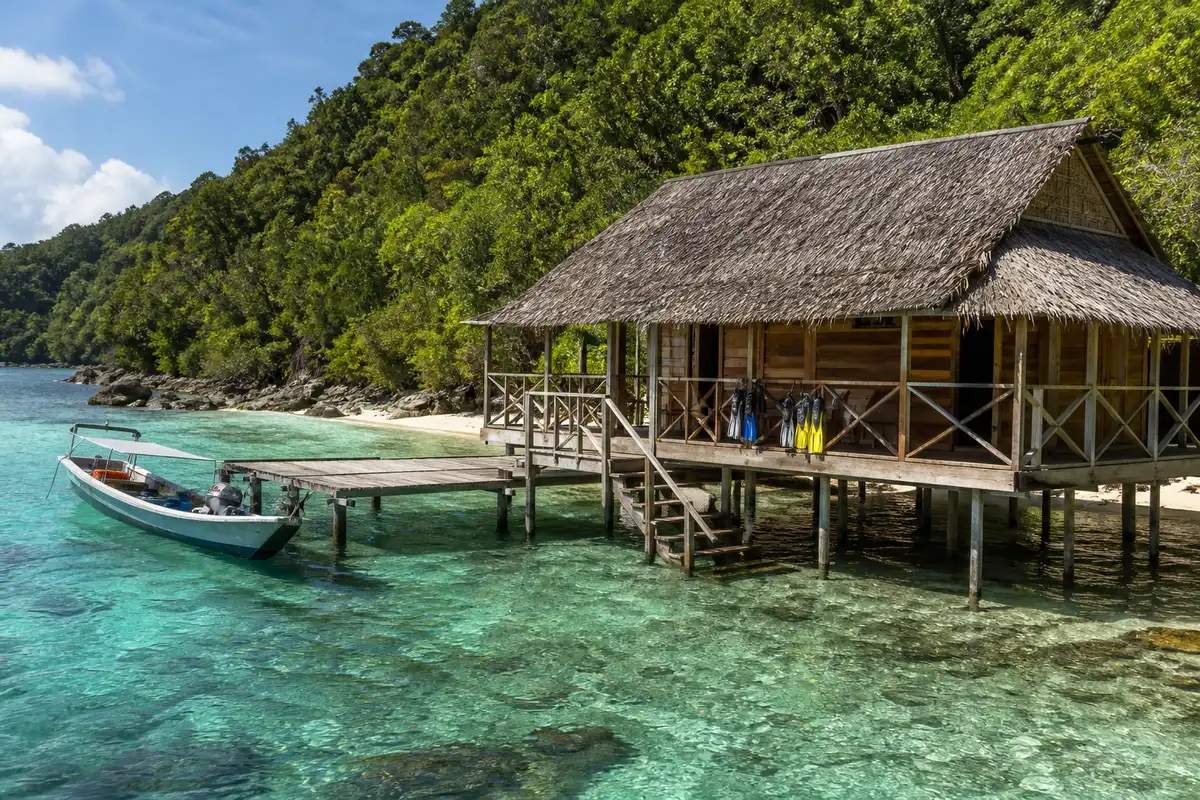
What land-based cannot do is reach Misool, Wayag or the Fam islands. Those are five or more hours of sailing away and there is no day-trip that serves them. So the honest split is this: if you want the Dampier Strait, are on a tighter budget, or need flexibility, a land-based week from Singapore is excellent value and nobody should feel they are missing the real trip. If you want to see the archipelago rather than one strait of it, you need a boat, and that is what a liveaboard exists to solve.
Because Singapore flights are cheap and frequent, a third option becomes realistic that almost nobody from further afield attempts: a few nights land-based followed by a shorter liveaboard, or two separate trips in one season. We have had guests do a homestay week in November and a Misool boat in February. That is a Singapore privilege.
Getting home
The return is simpler than from long-haul markets but the diving physiology does not change. After a week of three or four dives a day, allow at least 18 hours before flying and preferably 24. Since your journey home is only five to eight hours of flying rather than forty, the practical impact is smaller, but the rule is the rule: your last dive should be the morning before your flight, not the morning of it. Our guide to flying after diving covers why the conservative number is worth respecting in a region where the nearest chamber is not close.
Most itineraries handle this for you by ending with a dive-free final morning and disembarkation in Sorong. From there the usual pattern is an afternoon or evening flight to Jakarta, then a Singapore connection the same night or the next morning. Coming back into Changi with a week of Raja Ampat behind you and no jet lag to speak of is, honestly, the quiet privilege of diving this region from Singapore.
A worked itinerary from Changi
Here is the shape of a real seven-night trip, boarding on a Sunday in Sorong.
Friday evening: Changi to Jakarta, arriving late. Airport hotel. Saturday early morning: Jakarta to Sorong, arriving late morning. Hotel in Sorong, unpack, check gear, sleep properly. Sunday: board in the morning, first dive that afternoon. The following Sunday: disembark in Sorong, overnight there or fly to Jakarta in the evening. Monday: Jakarta to Singapore, home by lunchtime.
That is nine nights away for seven nights of diving and roughly 24 hours of buffer between the last dive and the flight home. Tighten it by leaving Changi on the Saturday and it still works, with the trade-off that a delay anywhere costs you the boat. Tighten it by flying home the same day you disembark and you are inside the no-fly window, which is where we would stop being agreeable about it.
Practical details worth knowing
- Carry rupiah in cash. Sorong has ATMs; beyond the harbour, card acceptance is effectively nil, and permits, tips and incidentals are cash.
- Time zones bite twice. Singapore runs at UTC+8, Jakarta at UTC+7, and Raja Ampat at UTC+9. You go back an hour then forward two. Check your connection times against the right zone, because this is the most common booking error on the route.
- Expect no phone signal for most of the week. Coverage exists patchily around Waisai and the Dampier Strait and vanishes in the north and around Misool. Tell whoever needs to know.
- Dive insurance covering evacuation is not optional. Most reputable operators require it, and given the distances involved you would want it regardless.
- Book the boat before the flights. Peak-season Raja Ampat cabins go long before peak-season Jakarta seats do, and the flights on this route are plentiful.
The bottom line for Singapore divers
Raja Ampat is roughly six hours of flying and somewhere between S$700 and S$1,200 of travel away from Changi, which makes Singapore the most privileged base in the world for diving the richest reef system on the planet. The journey is not direct and it involves an awkward pre-dawn flight, but it is short, cheap by the standards of world-class diving, and reliable enough that a seven-night trip is genuinely worth doing rather than a compromise on a longer expedition.
If you are choosing your first Raja Ampat itinerary, our view is to go for seven nights in the Dampier Strait if this is your first visit, ten to twelve if you want Misool as well, and to book in the October to April window rather than forcing a summer date. And if the dates you have available fall in the middle of the year, take the Komodo trip instead and come back to Raja Ampat in the season. The proximity you enjoy from Singapore means there is always next year, which is not something we can say to guests flying in from Chicago.