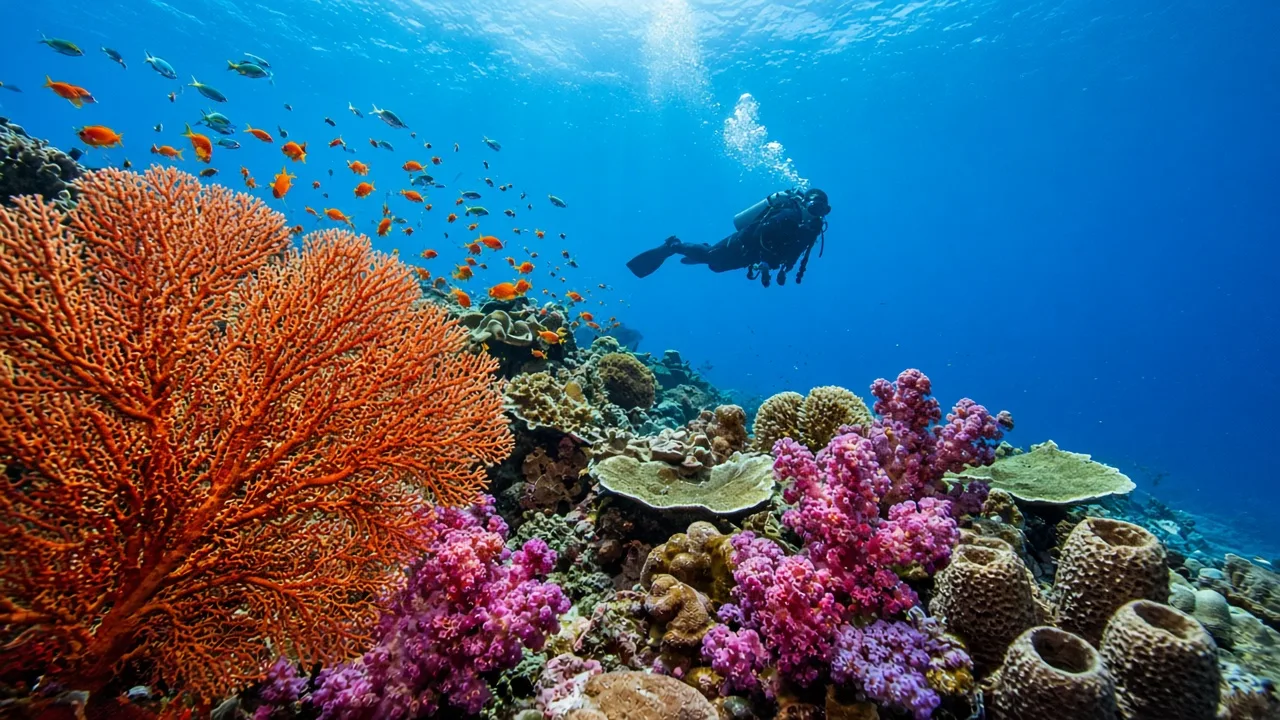
You have been dreaming about crystal-clear water, remote dive sites far from the crowds, and waking up to a new island every morning. A liveaboard trip checks every one of those boxes, and Indonesia happens to be one of the best places on the planet to do it. But if you have never stepped on board a dive liveaboard before, the whole idea can feel a bit overwhelming. What do you actually pack? Will you get seasick? Is the food any good? Can you bring your non-diving partner along?
This guide answers every question first-timers tend to ask, from booking and boarding to daily routines, cabin life, dive briefings, and the small details nobody mentions until you are already at sea. By the end, you will know exactly what to expect, and you will probably start checking available dates.
What Exactly Is a Liveaboard?
A liveaboard is a boat you sleep, eat, and dive from for several consecutive days. Instead of returning to a land-based resort every evening, you stay on the water full time. The boat moves to a new anchorage overnight, so you wake up at a different dive site each morning without ever packing a suitcase or catching a transfer.
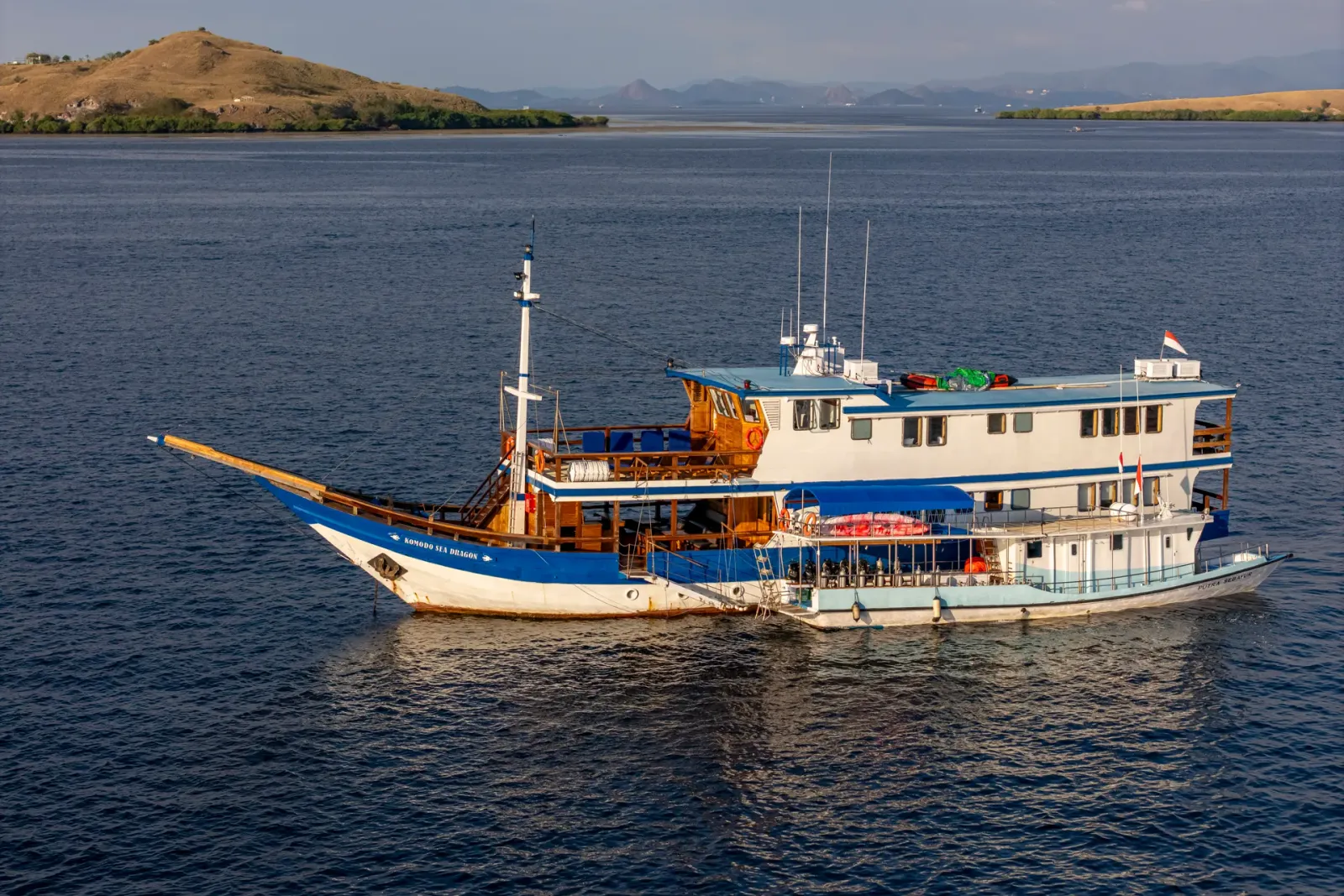
In Indonesia, most liveaboards are traditional wooden phinisi sailing vessels that have been converted into floating dive resorts. They typically carry between 8 and 20 guests, a professional dive crew, a chef, and deck staff. Trips range from 4-night introductory cruises through Komodo National Park to 10-night expeditions across the Banda Sea or Raja Ampat.
The main advantage over land-based diving is access. Liveaboards reach dive sites that day boats physically cannot. Some of Indonesia's most spectacular reefs, walls, and pelagic encounters sit hours away from the nearest harbor, and the only way to dive them is to sleep on the water.
How to Choose the Right Liveaboard
Not every boat is the same, and picking the right one depends on what matters most to you. Here are the factors worth thinking about before you book.
Route and destination
Indonesia's liveaboard routes are usually grouped by region. Komodo is the most popular starting point for first-timers because the sailing conditions are calm, the dive sites are varied, and Labuan Bajo is easy to reach by domestic flight. Raja Ampat is the dream destination for biodiversity, with more species per square meter than anywhere else on Earth. The Banda Sea is for adventurous divers who want hammerhead sharks, whale sightings, and remote volcanic islands with almost no other boats in sight.
Boat size and style
Smaller boats with 8 to 12 guests feel more intimate, but they tend to move more in swells. Larger vessels with 16 to 20 guests are more stable and offer bigger common areas, but the dive groups can feel less personal. Indonesian phinisi boats have a unique character, with handcrafted teak interiors and open-air sun decks that steel-hulled vessels simply cannot match.
Cabin types
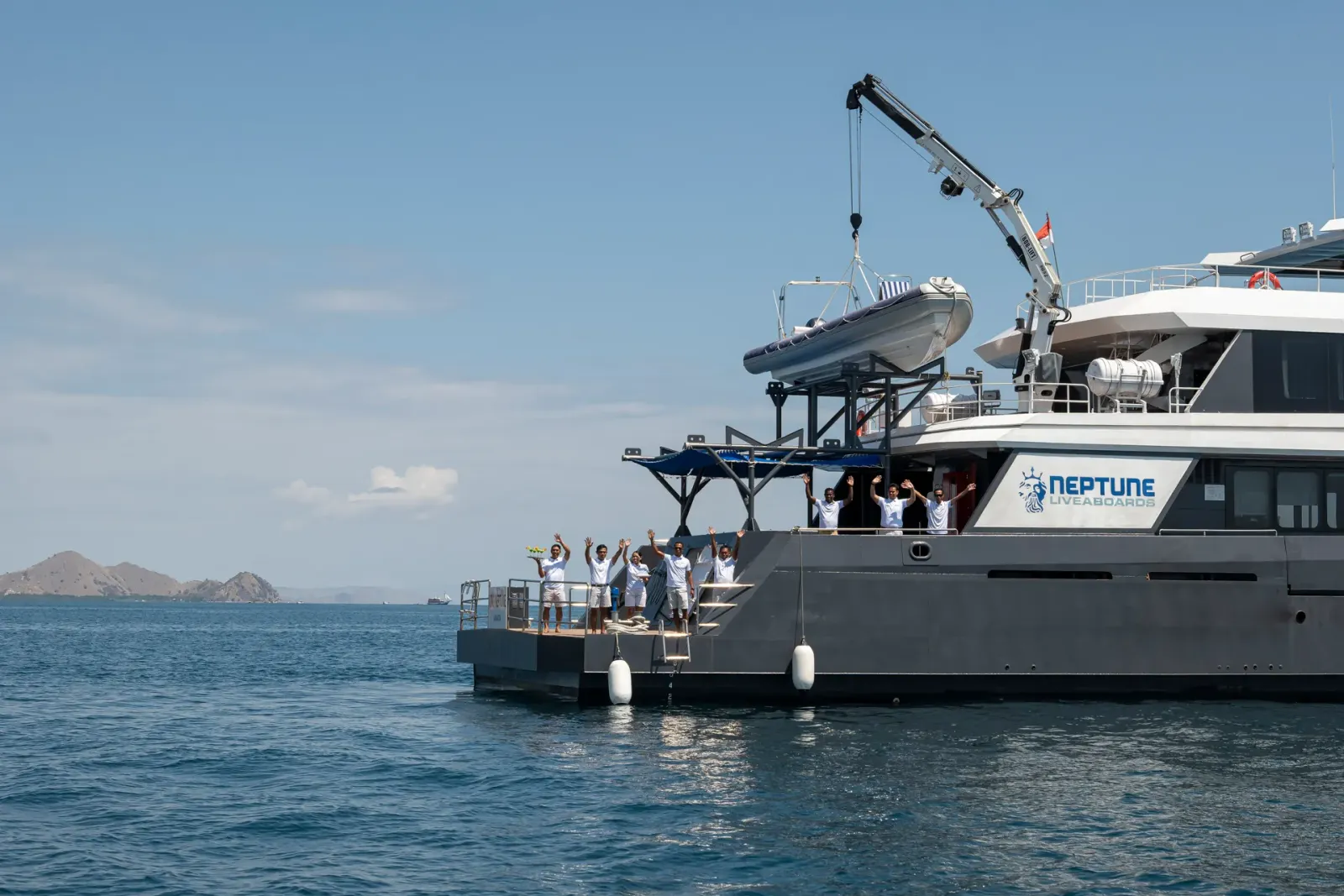
Most liveaboards offer a choice between shared (twin-bunk) cabins and private double cabins. Some higher-end vessels like Neptune One or Komodo Sea Dragon have en-suite bathrooms in every cabin, air conditioning, and dedicated charging outlets for camera equipment. Budget boats may have shared bathrooms and fans instead of AC. If sleep quality matters to you, ask about cabin placement. Cabins closer to the engine room are noisier, and stern cabins feel more boat motion than midship ones.

Dive crew experience
A good cruise director makes a bigger difference than fancy woodwork. Ask how many divemasters or instructors are on board, what the guest-to-guide ratio is (6:1 is standard, 4:1 is excellent), and whether they offer nitrox. For first-timers, a boat with an on-board instructor who can help with buoyancy, camera settings, or species identification adds real value.
Price and what is included
Liveaboard prices in Indonesia typically range from $250 to $500+ per person per night, depending on the vessel and destination. Most quotes include cabin accommodation, all meals, drinking water, tea and coffee, tanks, weights, and a set number of dives per day (usually 3 to 4). Items that are almost always extra: marine park fees, nitrox fills, equipment rental, soft drinks, beer and wine, crew gratuities, and transfers from the airport to the boat.
When comparing prices, look at the total cost including extras, not just the headline rate. A boat that appears cheaper but charges separately for equipment rental and park fees can end up costing more than a premium vessel that bundles everything in.
What to Pack for a Liveaboard Trip
Space on a boat is limited, and hard-shell suitcases are a nuisance in narrow cabin corridors. Here is what experienced liveaboard travelers actually bring.
Essentials
- Soft duffel bag instead of a rigid suitcase. It stows easily under the bunk or in a cabin cubby.
- Reef-safe sunscreen (SPF 50+, no oxybenzone or octinoxate). You will be in the sun more than you expect.
- Rash guard or light wetsuit top. Indonesia's water temperatures range from 26 to 30 degrees Celsius, but after four dives a day you will appreciate the thermal protection.
- Seasickness medication. Even if you have never felt motion sick before, bring it just in case. Meclizine or scopolamine patches are the most common choices. Take them the night before departure rather than waiting until you feel unwell.
- Waterproof phone pouch for surface intervals and tender rides to shore excursions.
- Small dry bag for electronics, passport, and cash.
Dive gear
Most liveaboards provide full rental equipment (BCD, regulator, wetsuit, fins, mask, computer). However, bringing your own mask and computer is strongly recommended. A well-fitting mask that does not leak and a computer you trust and know how to read will make every dive more enjoyable. If you own a regulator and it has been serviced recently, bring that too. If you are still working out what to own, our guide to what scuba gear to buy first sets out the order that makes sense when your diving is travel rather than weekends at a local site.
What you do not need
Leave the fancy outfits at home. Nobody dresses up on a liveaboard. You will rotate between swimwear, a sarong, and a t-shirt for the entire trip. Hair dryers and straightening irons are impractical since power supply on boats is limited and the salt air wins every time anyway.
A Typical Day on Board
One of the best parts of a liveaboard is the rhythm. After the first morning, you settle into a routine that feels effortless.
Early morning (6:00 to 7:00)
The day starts with a light pre-dive breakfast: fruit, toast, coffee, tea. The boat has usually repositioned overnight, so you wake up at a new site. Some guests do a sunrise check dive or a guided snorkel while the crew preps the main dive deck.
Morning dives (7:30 to 12:00)
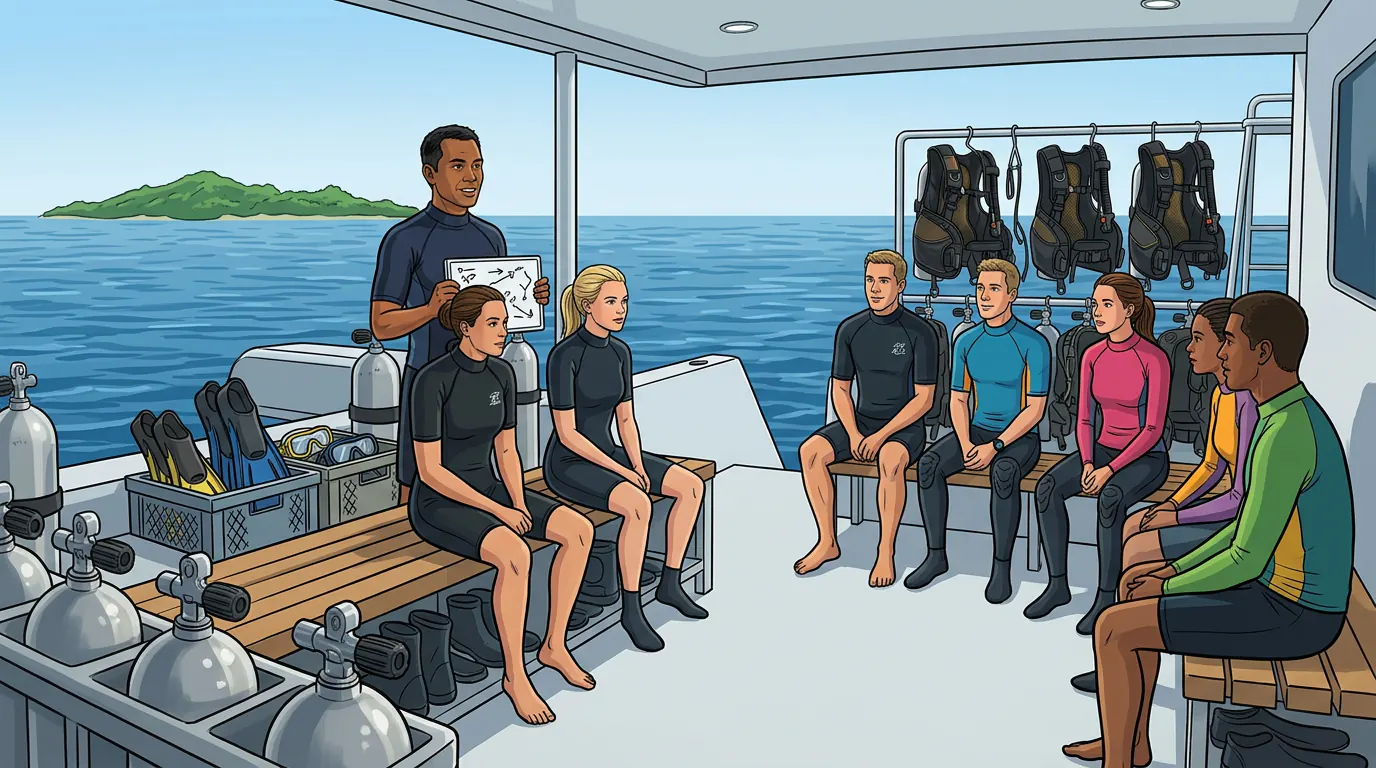
Two morning dives with a surface interval of about 60 to 90 minutes in between. During the interval, the chef serves a more substantial breakfast or brunch. The cruise director briefs each dive: depth, current direction, what to look for, entry and exit procedures. Most Indonesian liveaboard dives are drift dives, meaning you enter the water, ride the current along the reef, and the tender picks you up at the end.
Afternoon (12:00 to 16:00)
Lunch is served, usually a generous Indonesian and Western buffet. After lunch, you have options: a third dive in the early afternoon, a shore excursion (Komodo dragon trekking, beach visits, village walks), kayaking, paddleboarding, or simply napping on the sun deck. Some boats offer massages or spa treatments during this window.
Late afternoon and evening (16:00 to 21:00)
A sunset dive or a late-afternoon dive is common. After the last dive, there is time to rinse gear, shower, and relax before dinner. Dinner on most liveaboards is the highlight meal: multi-course Indonesian cuisine, fresh seafood, and sometimes themed nights (barbecue on a beach, rijsttafel). After dinner, some boats offer night dives for the adventurous.
Night
The boat moves to the next anchorage while you sleep. The engine hum and gentle rocking become soothing after the first night. Most people sleep better on a boat than they expect.
Seasickness: The Honest Truth
This is the number one concern for first-timers, and it is worth addressing directly. Most Indonesia liveaboard routes operate in relatively sheltered waters. Komodo itineraries stay within the national park, where the islands break the open ocean swell. Raja Ampat cruises weave between thousands of small islands that act as natural wind barriers.
Open-water crossings do happen on longer routes, like the Banda Sea expedition, which includes stretches of open ocean between island groups. These crossings are usually done at night while you sleep, and experienced captains time them with favorable weather windows.
Practical advice from repeat liveaboard guests: start seasickness medication the night before boarding, not after symptoms appear. Stay on the upper deck in fresh air if you feel queasy. Keep eating small amounts regularly, since an empty stomach makes nausea worse. And keep your eyes on the horizon whenever possible.
Food and Dietary Needs
Indonesian liveaboard food is consistently one of the most praised aspects of the experience. A dedicated chef prepares three full meals plus snacks from a small galley kitchen, often producing restaurant-quality results. Expect grilled fresh fish, Indonesian curries, nasi goreng, satay, tropical fruit platters, and Western options like pasta and salads.
Vegetarian and vegan diets are usually well accommodated, as Indonesian cuisine already features many plant-based dishes. Severe allergies (shellfish, nuts, gluten) require advance notice. Contact the operator at least two weeks before departure so the chef can plan accordingly. Alcohol is typically available for purchase on board, usually cold beer and basic wine. Spirits and cocktails depend on the vessel.
Non-Divers and Snorkelers
Indonesia's liveaboard reefs are shallow enough that snorkelers see an astonishing amount of marine life from the surface. Many operators actively welcome non-diving companions. While the divers descend to 15 to 30 meters, snorkelers explore the same reef from above, often spotting manta rays, turtles, and reef sharks. Shore excursions add variety: trekking to see Komodo dragons on Rinca and Komodo Island, hiking to viewpoints, visiting traditional villages, or relaxing on white sand beaches.
If your travel partner does not dive, ask the operator whether snorkeling is included and whether a guide accompanies snorkelers. The best operators assign a dedicated snorkel guide so non-divers get the same level of attention and briefing as the scuba guests.
Safety and Insurance
Reputable liveaboards carry emergency oxygen, first aid kits, satellite communication, life rafts, and fire suppression equipment. Crew members hold first aid and rescue certifications. Before booking, check that the operator has a transparent safety record and carries commercial liability insurance.
On your end, purchase dedicated dive travel insurance. Standard travel policies rarely cover diving accidents, hyperbaric chamber treatment, or medical evacuation from a remote location. DAN (Divers Alert Network) and specialized dive insurance providers offer annual plans that cover all of these. This is not the place to save money. Read the exclusions too, because dive cover commonly excludes undisclosed pre-existing conditions, which is one more reason to complete the medical form honestly; our guide to fitness to dive and the diver medical form explains what a declared condition actually triggers.
Tipping Etiquette
Tipping is customary on Indonesian liveaboards. The standard range is USD 15 to 25 per guest per day, pooled among the entire crew (captain, divemasters, chef, engineers, deck hands), which works out at roughly USD 140 per person for a week. Some boats provide a tip envelope in your cabin on the last night. Cash in Indonesian Rupiah or US Dollars is preferred, and you need to withdraw it before boarding because there are no ATMs at sea. This is not mandatory, but the crew works extremely hard and their base salaries are modest, so a fair tip is a meaningful part of their income. For the full picture, see our guide to tipping on an Indonesia liveaboard.
Booking Checklist
Before you finalize your booking, confirm these details with the operator:
- Exact dates and embarkation/disembarkation ports
- What is included in the price and what costs extra
- Marine park fees: how much, paid on board or in advance
- Cancellation and refund policy
- Minimum certification level required (most trips require Open Water or equivalent)
- Number of dives per day and whether night dives are included
- Equipment rental availability and cost
- Nitrox availability
- Transfer arrangements from airport to boat
- Dietary accommodation
For a first liveaboard experience in Indonesia, a Komodo itinerary is hard to beat. The flights are straightforward, the diving is spectacular without being overly demanding, the sailing conditions are gentle, and the shore excursions (Komodo dragons, Padar Island viewpoint, Pink Beach) add unforgettable topside variety. Once you have done your first trip, you will immediately start planning the next one, probably somewhere more remote like Raja Ampat or the Banda Sea.
Browse our full Indonesia liveaboard schedule or get in touch to ask any questions. We are happy to help you pick the right boat, route, and dates for your first trip.