Indonesia and the Maldives sit at opposite ends of the Indian Ocean, both consistently ranked among the world's top dive destinations, but offering very different experiences underwater and above. Choosing between them, for a single trip, a first liveaboard, or a serious diving holiday, comes down to what you hope to encounter, how you like to dive, your budget, and how far you're willing to travel.
This guide is a neutral, side-by-side comparison of the two destinations in 2026. It covers marine life, dive conditions, seasons, costs, accessibility, and the experience above water, so you can make an informed decision regardless of certification level. There is no single "better" answer, both are genuinely world-class, but they suit very different divers and trip styles.
Indonesia and the Maldives at a Glance
Geography and Setting
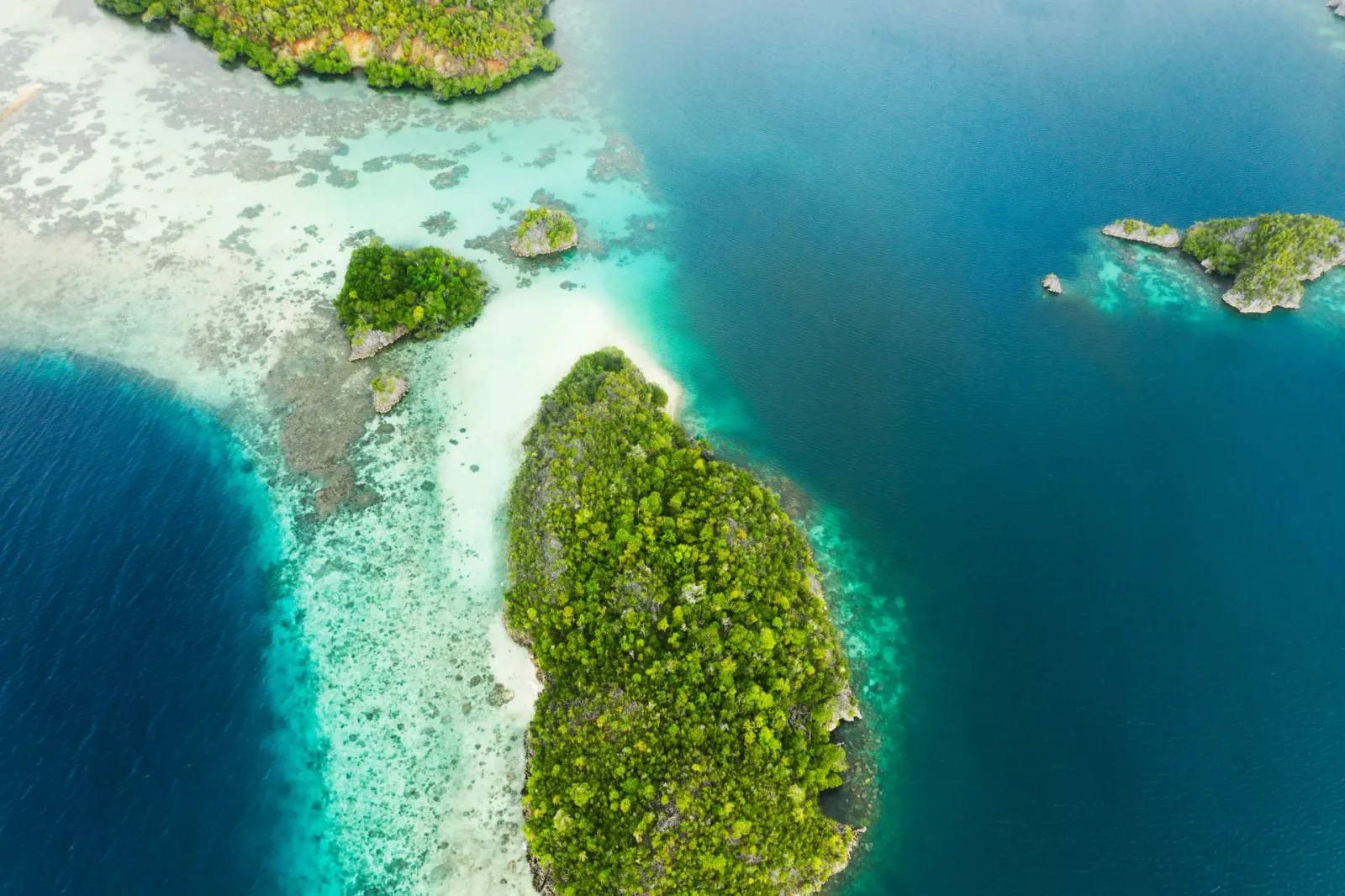
Indonesia is the world's largest archipelago, with more than 17,000 islands stretched across over 5,000 kilometres between the Indian and Pacific Oceans. Its dive destinations span enormous distances and ecosystems, from Bali's volcanic muck to Komodo's strong-current pinnacles, Raja Ampat's labyrinthine karst islands, and the remote Banda Sea. The country sits at the heart of the Coral Triangle, the planet's most biodiverse marine region.
The Maldives is far smaller and more uniform: 26 atolls of coral islands south-southwest of India, all part of the same low-lying, ring-shaped reef system. Roughly 1,200 islands sit within 90,000 square kilometres of ocean, but the country's total land area is only about 300 square kilometres. The contrast in scale is enormous; one Indonesian liveaboard region can equal the entire Maldives in coastline.
What Each Destination Is Famous For
Indonesia's reputation rests on biodiversity, more species of reef fish, hard corals, and macro critters than anywhere else on earth, and on the variety of dive styles you can experience in a single trip: drift diving, muck diving, wall diving, pinnacle diving, wreck diving, and night diving. Komodo's manta cleaning stations, Raja Ampat's untouched reefscapes, and the Banda Sea's hammerhead aggregations are signature experiences, but so are Lembeh's macro hunting grounds and Bali's Mola Mola encounters at Crystal Bay.
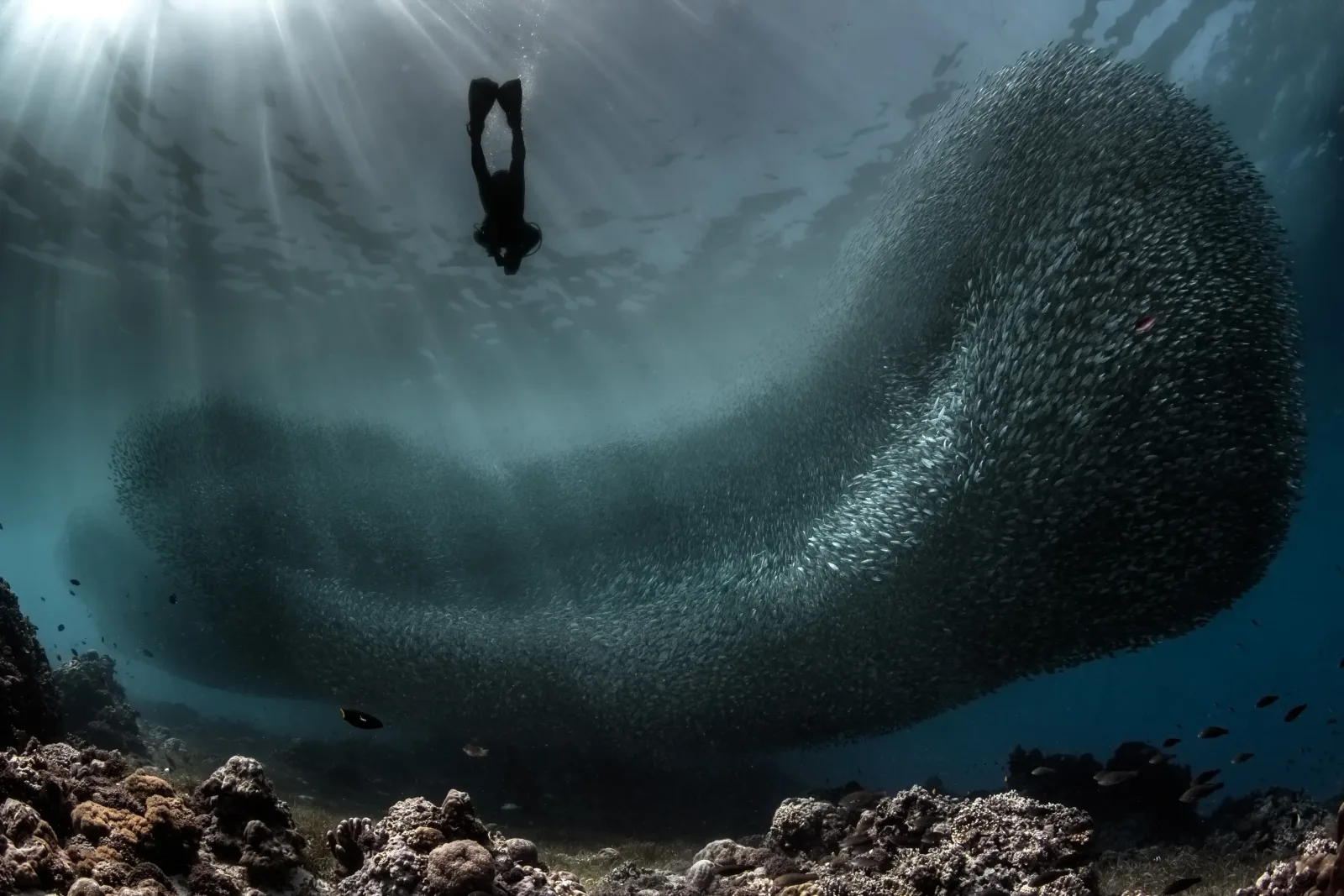
The Maldives is famous for pelagic action in clear, deep water, large oceanic mantas, whale sharks, grey reef sharks, and big schools of jacks and barracuda, and for the iconic image of an overwater bungalow above turquoise lagoons. Specific atolls (Ari, Baa, Vaavu, Rasdhoo) are known for their thilas (submerged pinnacles) and channels where current meets the open ocean.
Marine Life and Underwater Encounters
Indonesia: Coral Triangle Biodiversity
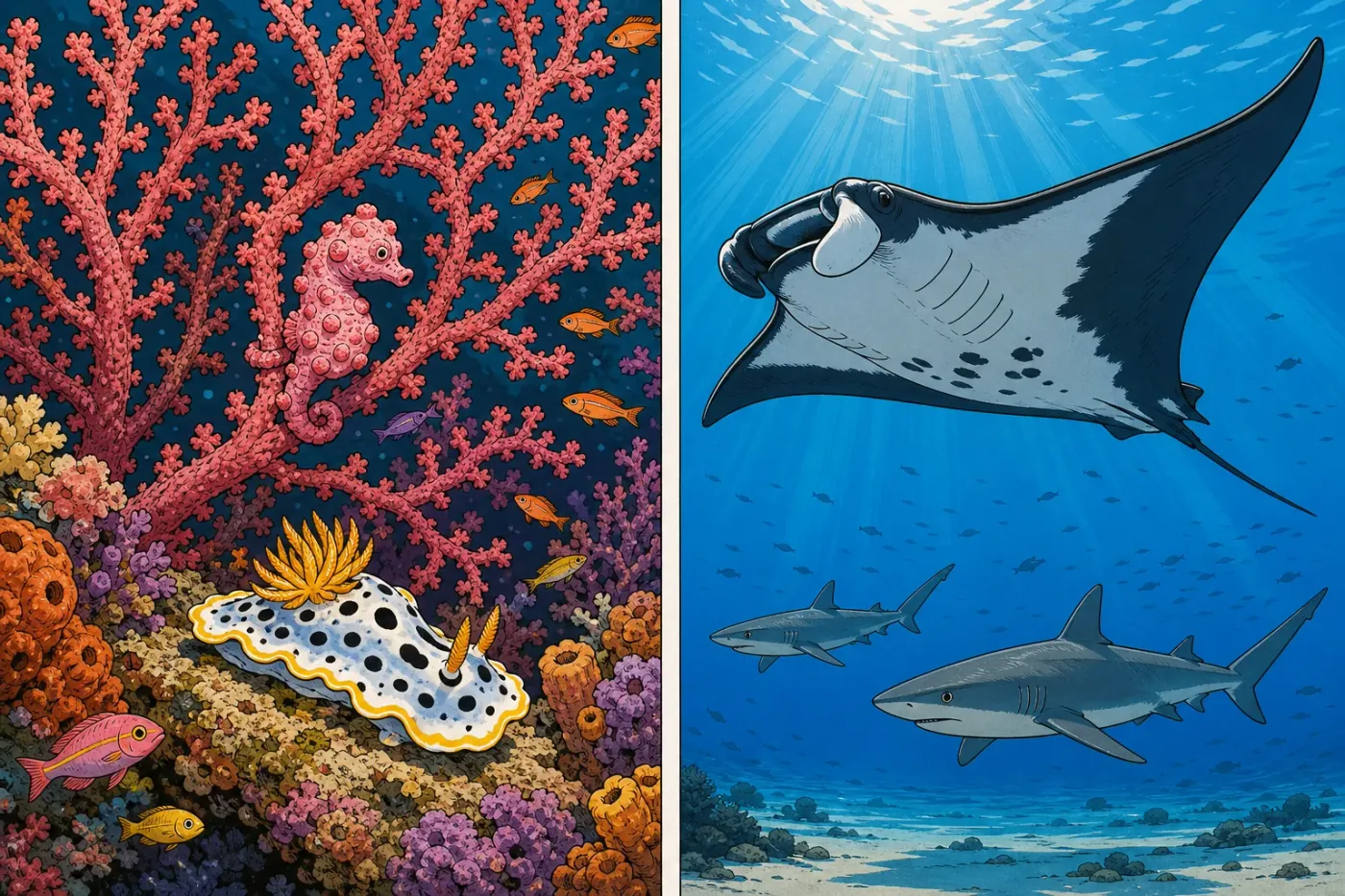
Indonesia is the global epicentre of marine biodiversity. Recent surveys have documented more than 600 species of hard coral and over 2,000 species of reef fish in Raja Ampat alone, more than any comparable area on the planet. Macro divers can find dozens of nudibranch species, pygmy seahorses, ghost pipefish, and walking sharks across destinations like Lembeh, Ambon, and Halmahera. Manta rays, both reef and oceanic, are reliably encountered in Komodo, Raja Ampat, and Nusa Penida. Sharks include reef whitetips, blacktips, grey reefs, hammerheads in the Banda Sea, wobbegongs in Raja Ampat, and seasonally whale sharks in Cenderawasih Bay year-round.
The Maldives: Pelagic Encounters and Atoll Reefs
The Maldives' reefs are healthy and visually impressive in many areas, but biodiversity is lower than Indonesia's, perhaps 200 species of hard coral and around 1,000 reef fish species across the country. What the Maldives offers in trade is consistent, high-energy pelagic encounters: reliable manta cleaning stations and night feedings (Hanifaru Bay in Baa Atoll is internationally recognized for plankton-driven manta aggregations), large schools of grey reef sharks at sites like Fuvahmulah and Vaavu's channels, and predictable whale shark sightings around South Ari Atoll during certain seasons.
Sharks, Rays and Megafauna Compared
For pure variety of marine life across one trip, Indonesia is unmatched. For predictable, high-density encounters with specific species, especially big animals in clear blue water, the Maldives often delivers more reliably on a per-dive basis. Whale shark encounters, for example, are technically possible in both, but the Maldives has dedicated, structured shark and whale shark interactions almost daily in season, while Indonesia's encounters are more dispersed and weather-dependent.
Dive Conditions and Difficulty
Currents and Visibility in Indonesia
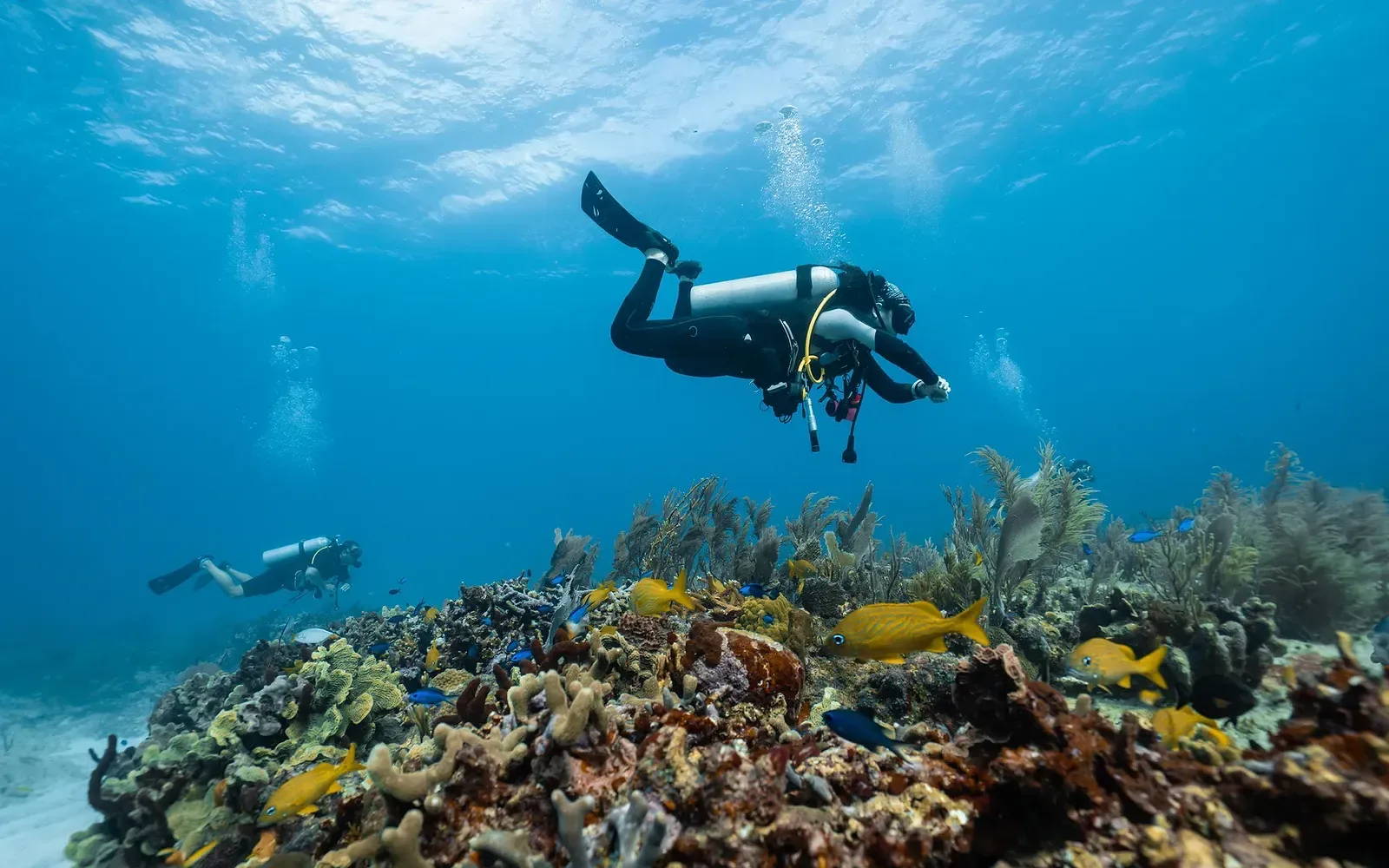
Indonesia's diving is varied. Komodo and the Banda Sea are known for strong, sometimes unpredictable currents, drift diving and use of reef hooks at sites like Castle Rock and Manta Point are common. Raja Ampat has milder current at most sites but still requires comfort with moving water at iconic spots like Cape Kri. Visibility ranges enormously: 25–35 metres on a clear day in Komodo or Raja Ampat, and as low as 5–10 metres at Lembeh's muck sites by design, the silty substrate is what attracts the macro life. Water temperatures range from 24°C in the Banda Sea or southern Komodo's cool upwellings to 29°C in northern Raja Ampat.
Currents and Visibility in the Maldives
The Maldives has more consistent conditions. Most diving is on thilas (submerged pinnacles), kandus (channels between atolls), and outer atoll walls. Currents are real, sometimes strong in channel dives, but they're more predictable, and dive guides routinely match dives to the day's tides. Visibility is reliably high (often 25–40 metres), and water temperature stays in a narrow band of 27–30°C year-round. Many sites are easier to dive than Indonesia's more demanding spots.
Suitability for New Divers vs Experienced
The Maldives is more forgiving overall, particularly for divers with fewer than 30 logged dives. Many resorts and liveaboards run "house reef" or sheltered atoll dives suitable for fresh open-water divers. Indonesia is also accessible to new divers, Bali, parts of Raja Ampat, and Wakatobi all have many easy reef dives, but the country's most famous sites (Komodo's Cauldron, Raja Ampat's Blue Magic, Banda Sea's pinnacles) typically require an Advanced Open Water certification and 30–50 logged dives, with current experience valued.
Seasons and Weather
Indonesia's Two Diving Seasons
Indonesia is so large that the diving "season" depends on the destination. Komodo's prime conditions run roughly April to November, when the dry south-east trades dominate. Raja Ampat is the inverse: its calmest, clearest months are October to April, with high winds and heavier rain typical from June to August. The Banda Sea's transition seasons (March–April and September–November) are when liveaboards do the long crossings to chase hammerheads. This split means Indonesia is dive-able somewhere all year, but you have to match the destination to the date. See our detailed Indonesia liveaboard seasons guide for the full breakdown.
The Maldives' Two Monsoons
The Maldives has two monsoons: the dry north-east monsoon (December to April), which produces the calmest seas and best visibility, and the wet south-west monsoon (May to November), which brings more rain and choppier seas, but also the plankton blooms that draw mantas and whale sharks to the eastern atolls. Hanifaru Bay's famous manta aggregations, for example, peak in August–November during the south-west monsoon, while shark and clear-water diving is best in the dry season.
Year-Round Diving: Which Is More Flexible?
Both destinations are technically dive-able year-round, but they reward different strategies. Indonesia gives you flexibility across the country, you can usually find one region in great condition no matter when you book. The Maldives is more uniform: the season you choose changes the experience (clear-water sharks vs plankton-driven manta aggregations) rather than whether you can dive at all.
Cost and Value
Liveaboard Pricing
Liveaboard prices in 2026 vary hugely by vessel category in both countries. As a rough benchmark for mid-range and premium boats:
- Indonesia mid-range liveaboard: USD $250–500 per night, all-inclusive of diving, food, and transfers.
- Indonesia premium/luxury liveaboard: USD $500–1,000+ per night.
- Maldives mid-range liveaboard: USD $250–450 per night.
- Maldives premium/luxury liveaboard: USD $450–900+ per night.
A 7-night Indonesia liveaboard tends to fall between USD $1,800 and $5,000 per person depending on cabin category and route, while Maldives 7-night equivalents run roughly USD $2,000–$4,500. In practice the entry-level price floors are similar, but Indonesia's premium ceiling is higher because of the longer, more remote routes such as Banda Sea crossings.
Resort and Dive Package Pricing
For land-based diving, the Maldives has historically been more expensive at the high end, overwater-bungalow resorts can run USD $700–2,000+ per night during peak season, though budget guesthouses on local islands have brought the entry point down to roughly USD $80–150 per night plus dive packages. Indonesia's land-based diving is generally cheaper: USD $50–200 per night in Bali, Komodo, or Raja Ampat homestays, with mid-range dive resorts (Wakatobi being the high end) ranging USD $200–700 per night.
Travel and Other Costs
Flights are usually cheaper to Bali than to Malé from most European and North American gateways, and onward domestic flights within Indonesia (Bali to Sorong, Bali to Labuan Bajo) are inexpensive. The Maldives requires only one international flight to Malé but seaplane or domestic transfers to atolls add USD $200–800 per person round-trip depending on the resort. Indonesia adds visa fees (USD $35 visa-on-arrival for most nationalities); the Maldives is visa-free for most travellers.
Cost Comparison at a Glance
| Cost item | Indonesia | Maldives |
|---|---|---|
| 7-night mid-range liveaboard | USD $1,800–$3,500 | USD $2,000–$3,200 |
| 7-night premium liveaboard | USD $3,500–$7,000+ | USD $3,500–$6,000+ |
| Mid-range dive resort (per night) | USD $80–300 | USD $200–600 |
| Domestic transfers | USD $80–250 (flight) | USD $200–800 (seaplane) |
| Visa | USD $35 (most nationalities) | Free for most travellers |
Accessibility and Logistics
Getting to Indonesia
Most international divers fly into Bali (Denpasar), then connect domestically. Komodo trips depart from Labuan Bajo (1.5-hour flight from Bali). Raja Ampat trips depart from Sorong in West Papua (4-hour flight from Bali, or via Jakarta or Manado). Banda Sea liveaboards typically begin in Ambon. These transfers add a day to most trips.
Getting to the Maldives
International flights all converge on Malé (Velana International Airport). From Malé, transfers run by speedboat (for nearby resorts and atolls), seaplane (for more distant atolls), or domestic flight. Liveaboards typically depart from Malé harbour itself, so a Maldives liveaboard trip usually involves only one flight plus a short transfer.
Combining Diving with Topside Travel
Indonesia is built for combination trips: most divers add a few days in Bali, Yogyakarta, or Komodo's land excursions before or after a liveaboard. The Maldives is more focused, most travellers come specifically for diving, beach, or honeymoon experiences and stay within a single resort or liveaboard. If your travel companion is a non-diver, the Maldives is often easier; if you want to see another country alongside diving, Indonesia offers more depth.
The Liveaboard Experience
What an Indonesia Liveaboard Looks Like
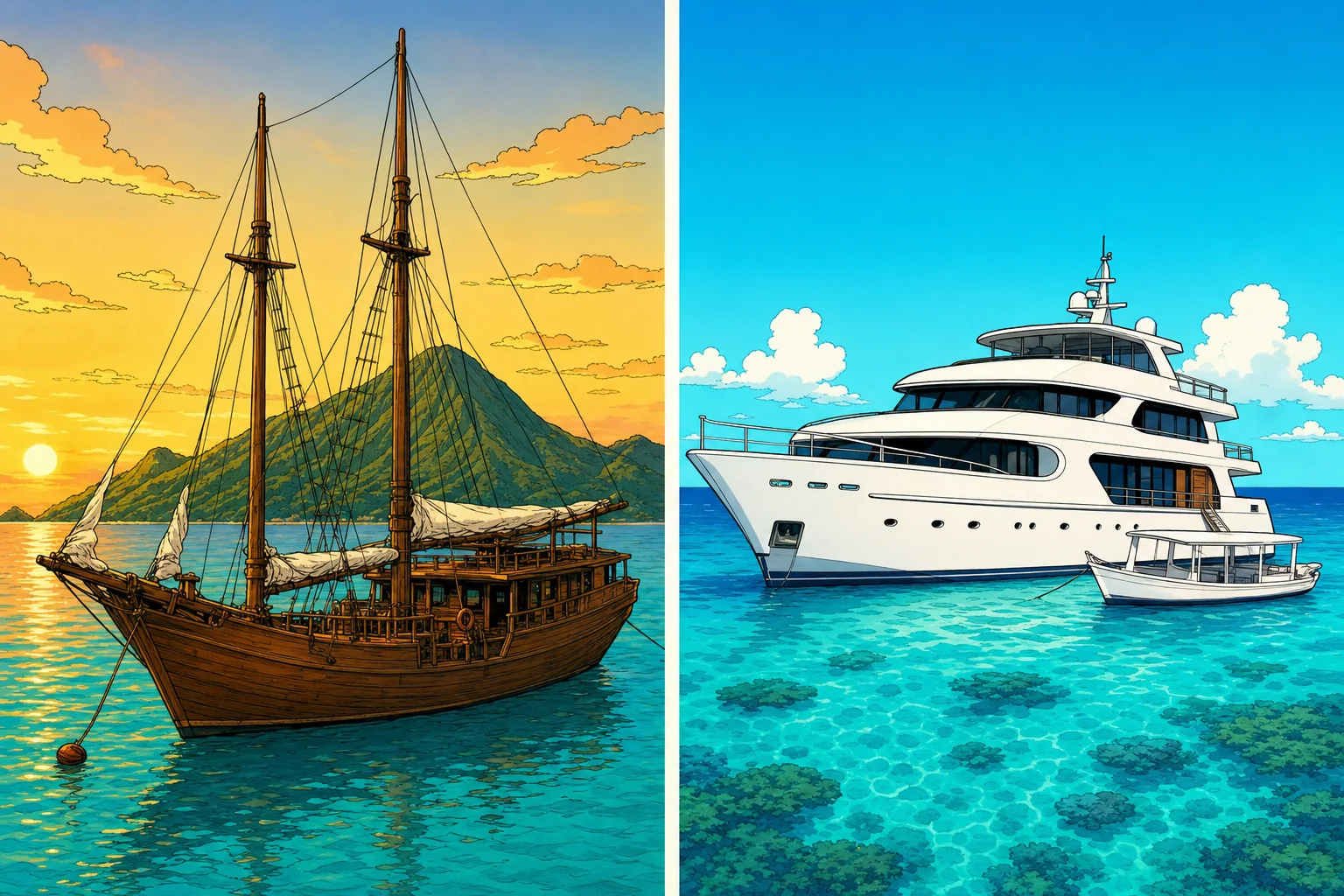
Indonesia liveaboards range from traditional Phinisi-style wooden vessels (the iconic Indonesian sailing-boat design) to modern steel-hulled motor yachts. Trip durations are typically 7 to 14 nights, with longer routes for Banda Sea hammerhead and Forgotten Islands crossings. Most boats accommodate 12–24 guests. Dive count is typically 3–4 per day with night dives on many itineraries. Dining is family-style with a mix of Indonesian and Western cuisine. See our first-time liveaboard guide for what to expect.
What a Maldives Liveaboard Looks Like
Maldives liveaboards are usually larger, modern motor yachts. Trip durations are mostly 7 nights, sometimes 10. Boats commonly accommodate 18–30 guests. Itineraries follow predictable atoll routes (Central Atolls, Best of Maldives, Deep South), with 3 dives per day plus night dives. Many trips include a "shark night" with reef shark feeding under the boat lights, and a sandbank or beach barbecue.
Above-Water Experience and Culture
Indonesia's Cultural Depth
Indonesia has enormous topside variety: Bali's Hindu temples and rice terraces, Komodo's dragon trekking and pink beaches, Raja Ampat's homestay villages, the Banda Spice Islands' colonial history, and the cultural heritage of Java and Sulawesi. Most divers find their first Indonesia trip extends naturally into a multi-region adventure. See our list of things to visit in Indonesia.
Maldives' Resort and Beach Lifestyle
The Maldives offers a different kind of above-water experience: world-class resorts, white-sand beaches, overwater bungalows, spa culture, and quiet pacing. There is local culture in Malé and on inhabited islands, but the country's appeal above water is more about luxury, relaxation, and beach time than sightseeing. For divers who want to combine diving with absolute downtime, the Maldives is excellent.
Sustainability and Conservation
Both countries have made significant marine protection commitments. Indonesia has expanded its marine protected areas substantially, including the entire Raja Ampat region and Komodo National Park, with revenue from park fees funding conservation work. Local NGOs and many liveaboards actively contribute to coral monitoring and reef restoration projects.
The Maldives declared its entire Exclusive Economic Zone a shark sanctuary in 2010 and protects manta rays nationally. Hanifaru Bay is a UNESCO Marine World Heritage Site, and many resorts and liveaboards run guest-funded conservation programmes (manta ID databases, coral reef restoration).
The day-to-day diving experience differs in environmental impact too. Indonesia's longer, multi-region liveaboard trips burn more fuel; the Maldives' shorter atoll-hop routes are typically more efficient. Both destinations face climate-change pressures (coral bleaching events) and benefit from divers who choose operators with serious sustainability practices.
Choosing the Right Destination for You
Choose Indonesia if you want…
- The widest variety of marine life and dive styles in one trip.
- Untouched, remote sites with low diver density.
- Deep cultural and topside experiences alongside diving.
- A longer multi-week trip combining several regions.
- Macro photography opportunities (Lembeh, Ambon, Halmahera).
Choose the Maldives if you want…
- Predictable, high-density encounters with sharks and mantas.
- Easier logistics: one flight, less transit.
- Superb resort and beach experiences alongside diving.
- A shorter, simpler 7-night trip.
- A trip that suits non-diving partners.
A Multi-Trip Strategy
For divers committed to seeing the world's best, both destinations belong on the list. A common pattern is to start with the Maldives (especially for an early-career or honeymoon trip combining beaches and diving), then progress to Indonesia for the deeper biodiversity and longer expeditions. Others reverse the order, returning to Indonesia for repeat trips because of the regional variety. Neither destination is "complete" without the other on a serious diver's life list. If you'd like to compare Indonesian regions specifically, our Raja Ampat vs Komodo guide takes the same neutral approach within Indonesia.