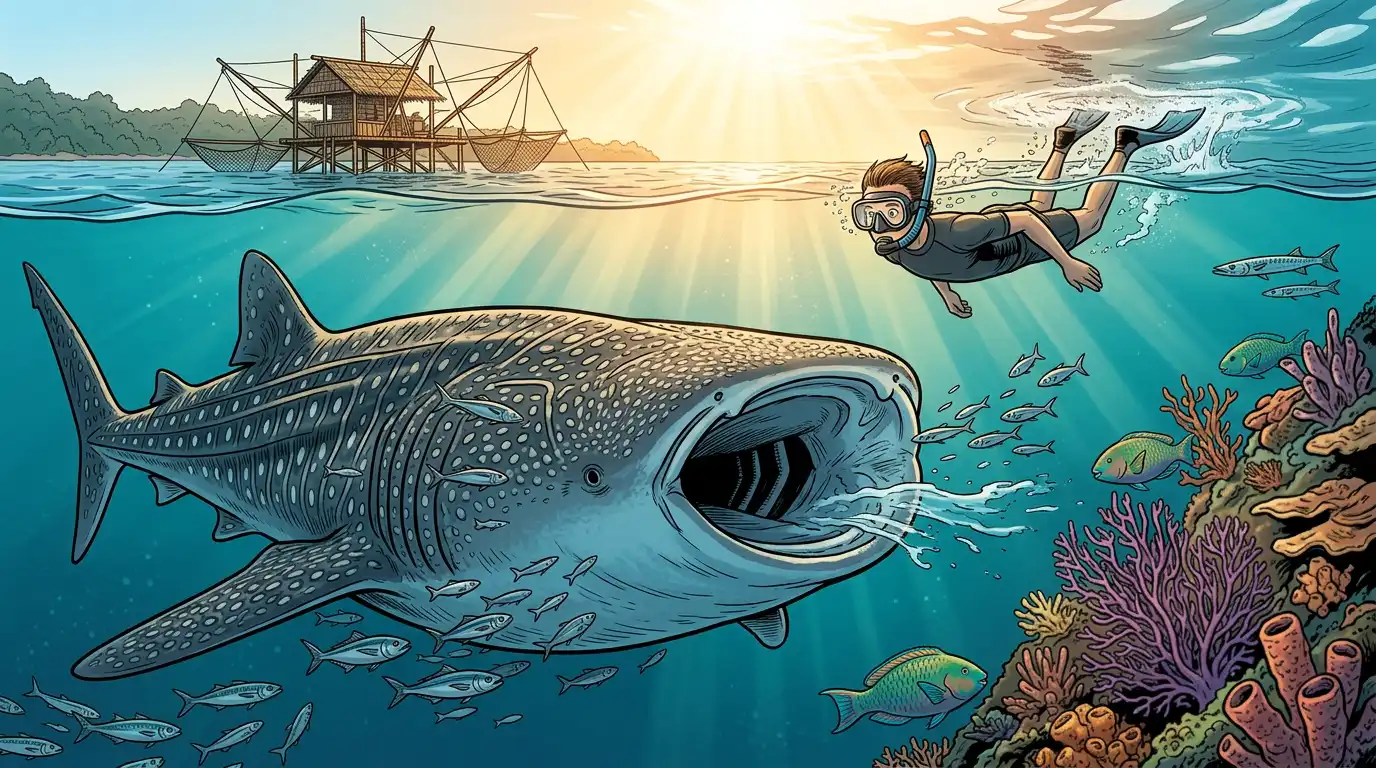
Banda Sea diving offers some of the best underwater experiences in all of Indonesia. Scuba divers may explore secluded islands, volcanic landscapes, and marine life that is as dense as anywhere in the Coral Triangle. This huge area of ocean in the Maluku Islands hasn't been affected much by mass tourism, which has helped coral reefs and pelagic species that have perished from places that are easier to get to.
This guide has everything you need to plan a dive trip to the Banda Sea, including the best dive sites and what you'll see underwater, the best times of year to see hammerhead sharks and clear water, how to get to this remote area, liveaboard options like Neptune One and King Neptune, and things to do on land in the historic Spice Islands. The content is for experienced divers who want to go on underwater adventures that aren't your average tourist spots and for underwater photographers who want to find unique subjects like banded sea snakes and schooling hammerheads.
Diving in the Banda Sea lets you see hammerhead sharks, sea snakes at Manuk Island, manta rays, and beautiful reefs that are best reached by liveaboard trips that leave from Ambon. The best time to dive is from September to November.
Understanding the Banda Sea as a Diving Destination
The Banda Sea sits at a unique spot in the Coral Triangle, which is the most biodiverse maritime area in the world. Volcanic activity and deep-water upwellings make the waters rich in nutrients, which sustain large numbers of reef fish and pelagic species. Because it is so far away from other places, these waters have not been overfished or damaged by anchors, which has kept the coral reefs in very good shape.
Geographic Location and Significance
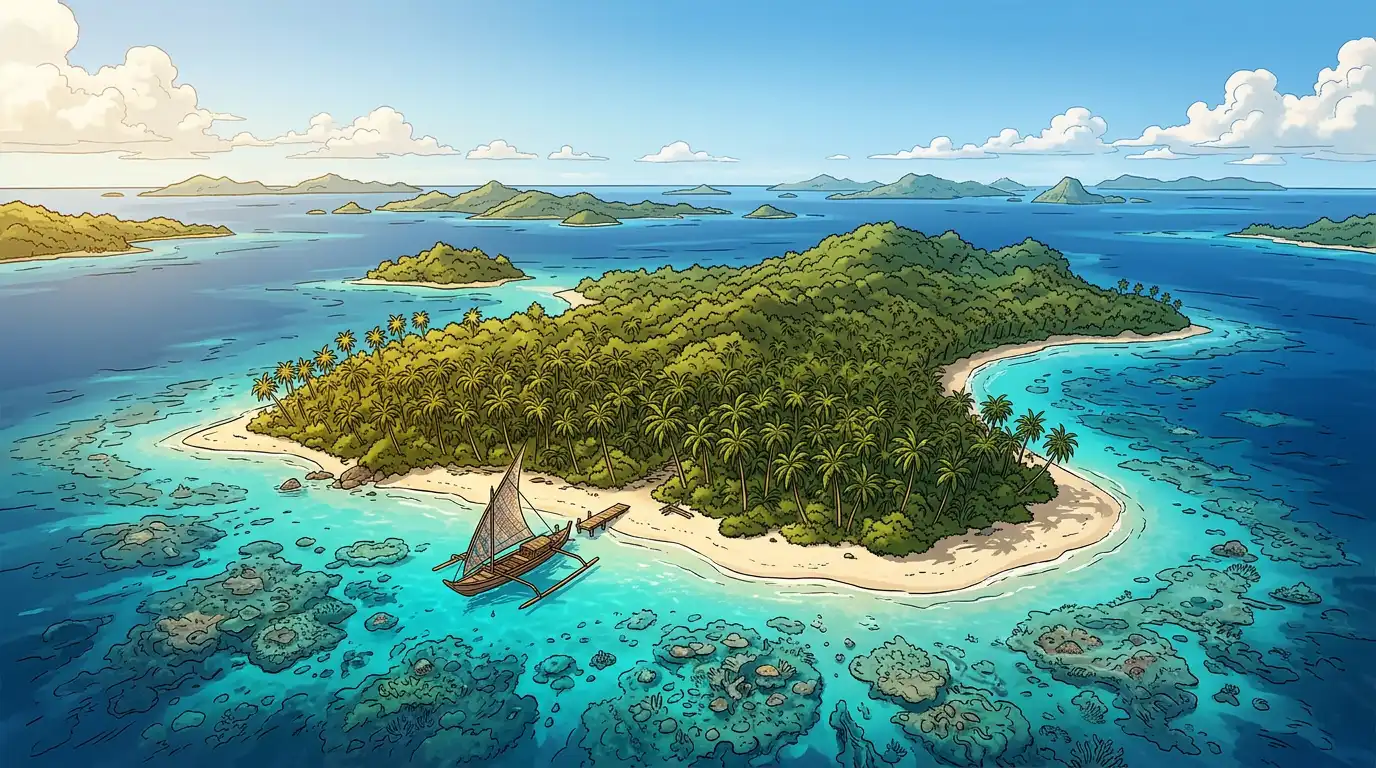
The Banda Sea is about 600 miles wide from east to west and 300 miles wide from north to south. It is east of the main Maluku Islands chain and west of the Forgotten Islands, which proceed toward Papua. This body of water is almost 1,000 kilometers from Bali, which makes it one of Indonesia's most remote diving areas. To really explore it, you need to go on a specialist liveaboard cruise.
Currents from the Pacific Ocean flow through canals between the islands, bringing nutrients and larvae that keep the marine life alive. The Banda Islands are the historic center of this area. They were the original Spice Islands, where nutmeg used to cost more than gold. Today, scuba divers come to these volcanic islands instead of commerce. However, the islands' interesting history can still be seen in colonial buildings and old nutmeg plantations.
The time zone in Banda Sea is Central Indonesia Time (WITA), UTC+8. This makes it easier for divers coming from Western Australia, Singapore, or other Asian hubs to plan their trips, and it doesn't require much change for people coming from Bali or Jakarta.
Marine Environment and Volcanic Influence
Volcanic activity in this part of the Ring of Fire has made the underwater landscape so interesting that diving in the Banda is one of a kind. Steep cliffs tumble off the sides of islands and into the deep sea, while underwater pinnacles and seamounts emerge from the bottom to draw in pelagic animals. The volcanic ridge that runs through the area makes the black sand slopes and lava flow structures that set Banda Sea dive sites apart from limestone islands in other parts of Indonesia.
These geological features, along with consistent upwellings, support reef systems that are home to more than 600 coral reef species and countless other marine animals. The pristine reefs here have coral coverage and diversity that veteran divers say is similar to what Indonesian waters looked like decades ago, vibrant corals full with reef fish life at densities that feel almost overwhelming.
Knowing this geological and ecological background helps explain why the Banda Sea needs liveaboard diving instead of day dives and why companies like Neptune One and King Neptune have established their reputations on giving people access to these unspoiled reefs.
Planning Your Banda Sea Diving Experience
Because the Banda Sea is so far away and the weather changes a lot throughout the year, Banda Sea excursions need more planning than regular Indonesian diving trips.
Best Time to Visit and Dive
The Banda Sea is best for diving from March to May and from September to December. The waters are calm during these times, visibility is good (30 to 50 meters), and the water temperature is comfortable (27°C to 30°C, or 81°F to 86°F).
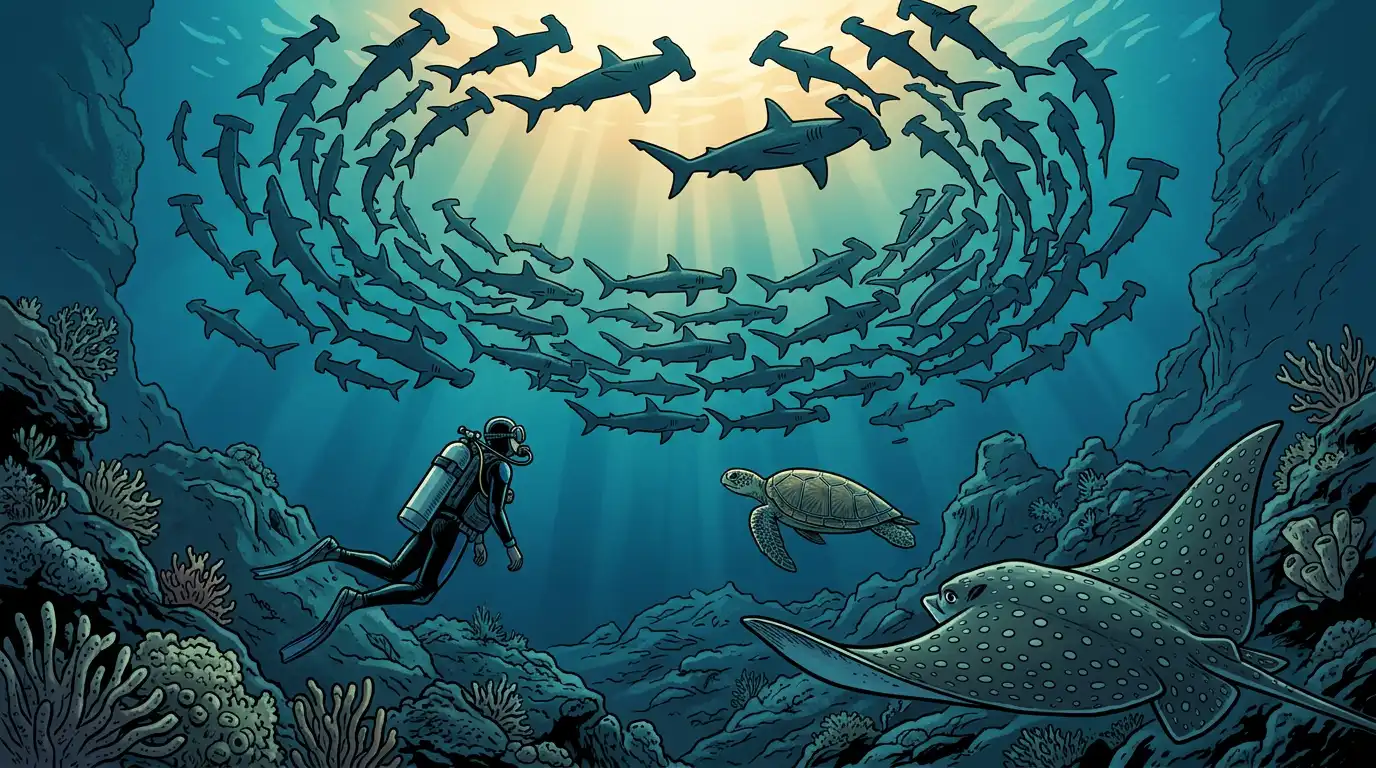
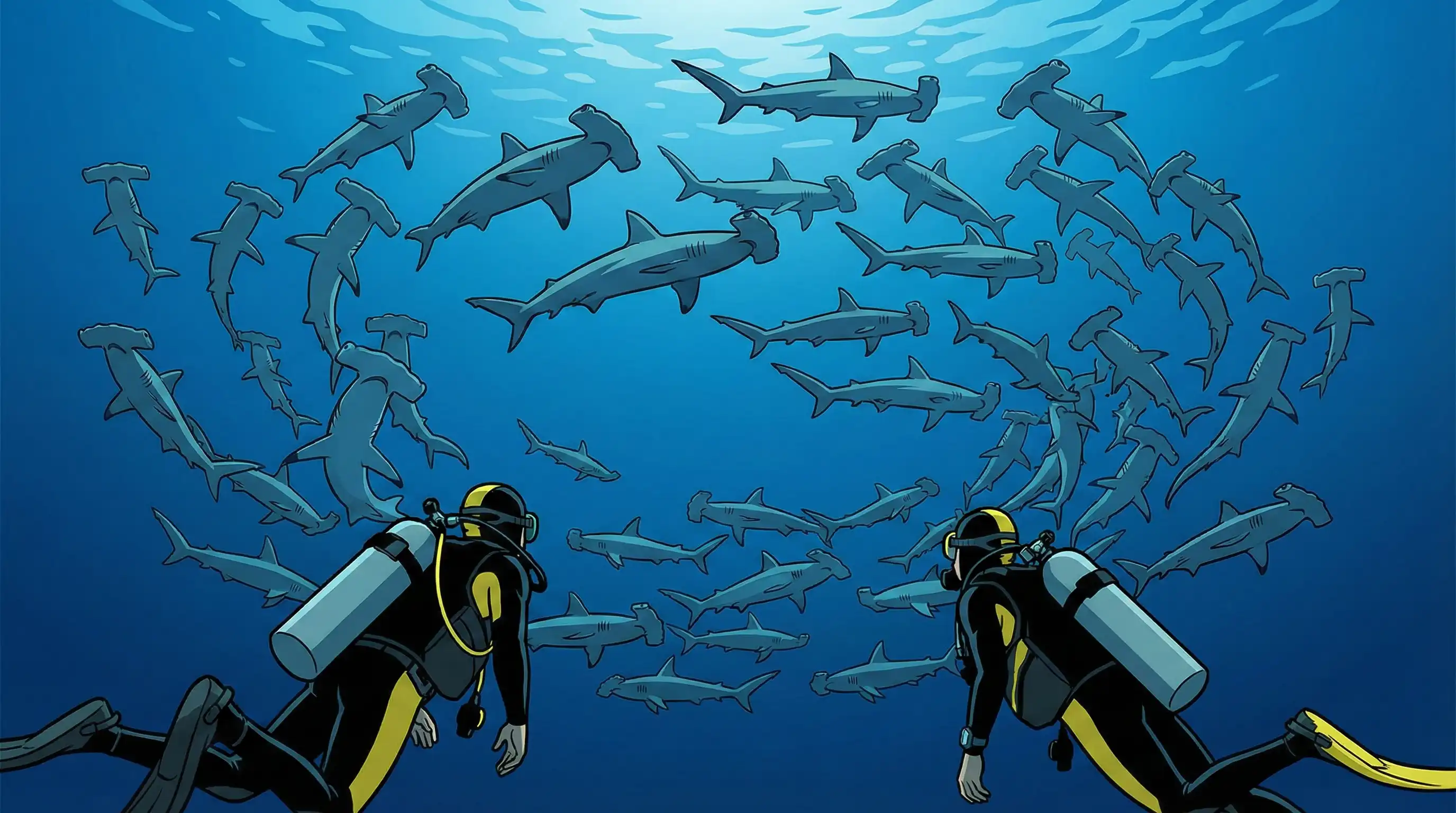
September and October are the best months for hammerhead sharks. During this time, schools of hammerheads gather near cleaning stations and seamount slopes. Upwellings that bring nutrients to the surface in August and September cool the water a little (26–28°C), but they also start plankton blooms that attract manta rays, mobula rays, and huge baitball formations that bring pelagic species into diving range.
Stay away from June to August, when monsoon conditions make the waves choppy and make it harder to traverse between island groupings. The Banda Sea is very open, with few sheltered harbors over long distances. Because of this, the sea conditions are very critical for enjoyable Banda Sea diving liveaboard trips.
Getting There and Departure Points
To get to the Banda Sea, you have to fly into Ambon Pattimura Airport (AMQ), which is the main airport in the Maluku Province. Most people who travel internationally go through Jakarta or Bali, where multiple domestic airlines fly every day. Most of the time, it takes between 6 and 12 hours to get to foreign airports, including transfers.
Ambon is the major place where Banda Sea liveaboards leave from. Ships like Neptune One and King Neptune have their main operations here. These companies operate yearly tours that start in Ambon and often end with crossings to Sorong, which gives people access to Raja Ampat at the end of the trip. This makes for full Indonesian diving adventures that take place in several top areas.
It usually takes one to two days of sailing from Ambon to get to the best dive sites in the Banda Islands and Forgotten Islands. For these long trips, it's very crucial for the boat to be stable and comfortable.
Time Zone and Practical Considerations
Central Indonesia Time (WITA) works in all of the Banda Sea operational zones, keeping things the same as they are in Ambon and the nearby Maluku Islands. Divers coming from Western time zones should prepare to spend some time recovering from jet lag in Ambon before diving, since early morning dives (usually between 6 and 7 AM local time) start right away when the boats get to the dive sites.
For full coverage of the Banda Sea, liveaboard cruises should last between 10 and 12 days. Shorter journeys limit site access because of the distances required. Neptune One and King Neptune usually plan their annual Banda Sea seasons so that they may offer both dedicated Banda itineraries and crossing voyages that traverse from Ambon to Sorong through the Forgotten Islands.
Banda Sea Dive Sites and Marine Life Encounters
Diving in the Banda Sea gives you access to dive sites with everything from gorgeous sloping reefs to dramatic walls and pinnacles that are swept by currents. Each site has its own unique marine life communities that are shaped by the area's climate and geography.
Signature Dive Sites
Manuk Island (Snake Island): The moniker for this volcanic island comes from the fact that there are so many banded sea kraits hunting in its seas. There are dozens of sea snakes at all depths here, and they hunt reef fish while disregarding divers. Manuk has more than just the famous banded sea snakes. It also has frigatebird and booby colonies that can be seen from the surface and coral that covers its slopes well. Diving is moderately to very hard because of the periodic currents.
Banda Neira and Surrounding Reefs: The historic center of the Spice Islands has easy-to-reach diving spots with stunning slope reefs that go from 13 meters to walls that dip below 55 meters. At 30 meters, huge barrel sponges, green vase sponges, and sea fans cover extensive shelves. Bumphead parrotfish, Napoleon wrasse, groupers, and barracuda are all types of marine life. These places are good for less experienced divers and nevertheless have a lot of different types of life.
Hatta Island: Hatta is known for its clear waters and beautiful reefs, which are usually 20 to 30 meters deep. It has classic Banda Sea diving with table corals, staghorn formations, and reef sharks swimming around in deeper areas. This place is great for underwater photography since it has a lot of healthy hard coral and a lot of reef fish.
Serua Island: Strong currents here draw experienced divers looking for black coral walls that go deeper than 40 meters and sharks that are always around. Ghost pipefish, different types of nudibranchs, and other large animals live in protected areas, making each location a great place to dive.
Nusa Laut: The seas around this island include moderate currents that bring in nutrients that support dense populations of reef fish and regular visitors from the ocean, like dogtooth tuna and blue trevally.
The Pinnacle: This seamount that rises from the deep sea is a great place for aquatic creatures to meet. Reef sharks swim along its slopes, baitballs form as plankton blooms, and the steep terrain lets divers see many different kinds of fish in small spaces. Strong currents need drift diving skills and reef hooks to stay in one place for a long time.
Most of the best diving sites in the Banda Sea are between 15 and 40 meters deep, and the best pelagic activity happens in deeper areas. Visibility ranges from 10 to 15 meters during pelagic peaks to over 30 meters during calm season. The water is usually clearer than what divers see in busier Indonesian waters.
Marine Life Encounters
The Banda Sea is home to many species that make Indonesian diving a must-do on any traveler's itinerary.
Hammerhead Sharks: From September to November, schooling of hammerheads cluster near cleaning stations and the slopes of seamounts. Most of the time, encounters happen at depths greater than 30 meters, thus you need to be Advanced certified and comfortable with blue-water descents.
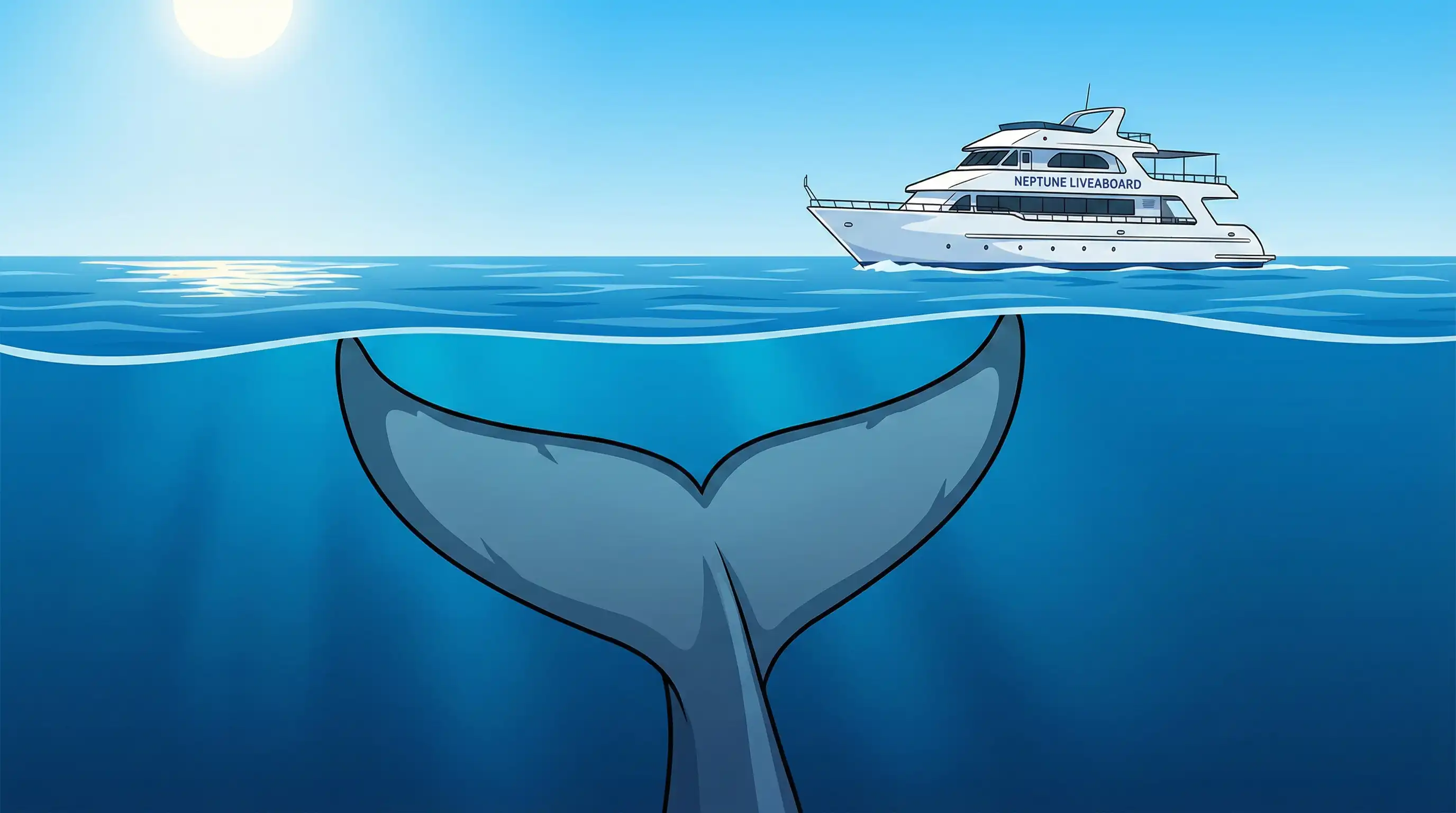
Whale Watching in the Banda Sea: The Banda Sea is a great place to see whales, in addition to its colorful reefs and exciting shark encounters. The deep waters and nutrient-rich habitat draw in several types of whales, such as the hard-to-find blue whales and the smaller pygmy blue whales, which are some of the biggest mammals on Earth. People see these beautiful giants more often during the migration seasons when they go through the Banda Sea on their way to feeding places.
Manta Rays and Mobula Rays: Nutrient upwellings attract filter-feeding rays, with mobula rays sometimes appearing in large aggregations during plankton-rich periods.
Pelagic Species: Around seamounts and channels with strong currents, eagle rays, bluefin trevally, rainbow runners, mackerel, and sometimes marlins swim in deeper water.
Reef Sharks: White-tip and black-tip reef sharks are common at most dive locations, but grey reef sharks swim among deeper cliffs and pinnacles.
Macro Life: Mandarin fish, ghost pipefish, and other interesting animals, such several types of nudibranchs, can be found hiding among colorful corals in sheltered bays.
Liveaboard Operators and Itineraries
Since most dive sites in the Banda Sea are only reachable by sailing for many days, the only way to fully explore this area is by living on board a boat.
Most Banda Sea diving trips last 8 days and 7 nights, commencing and ending in Ambon. The finest liveaboard diving in the Banda Sea, though, is the crossing cruises from Banda to Raja Ampat or the direct voyages from Banda Sea to Kaimana.
The ride from Kaimana to Raja Ampat is just as beautiful. It goes via the famous Triton Bay and ends in Sorong in the south of Raja Ampat.
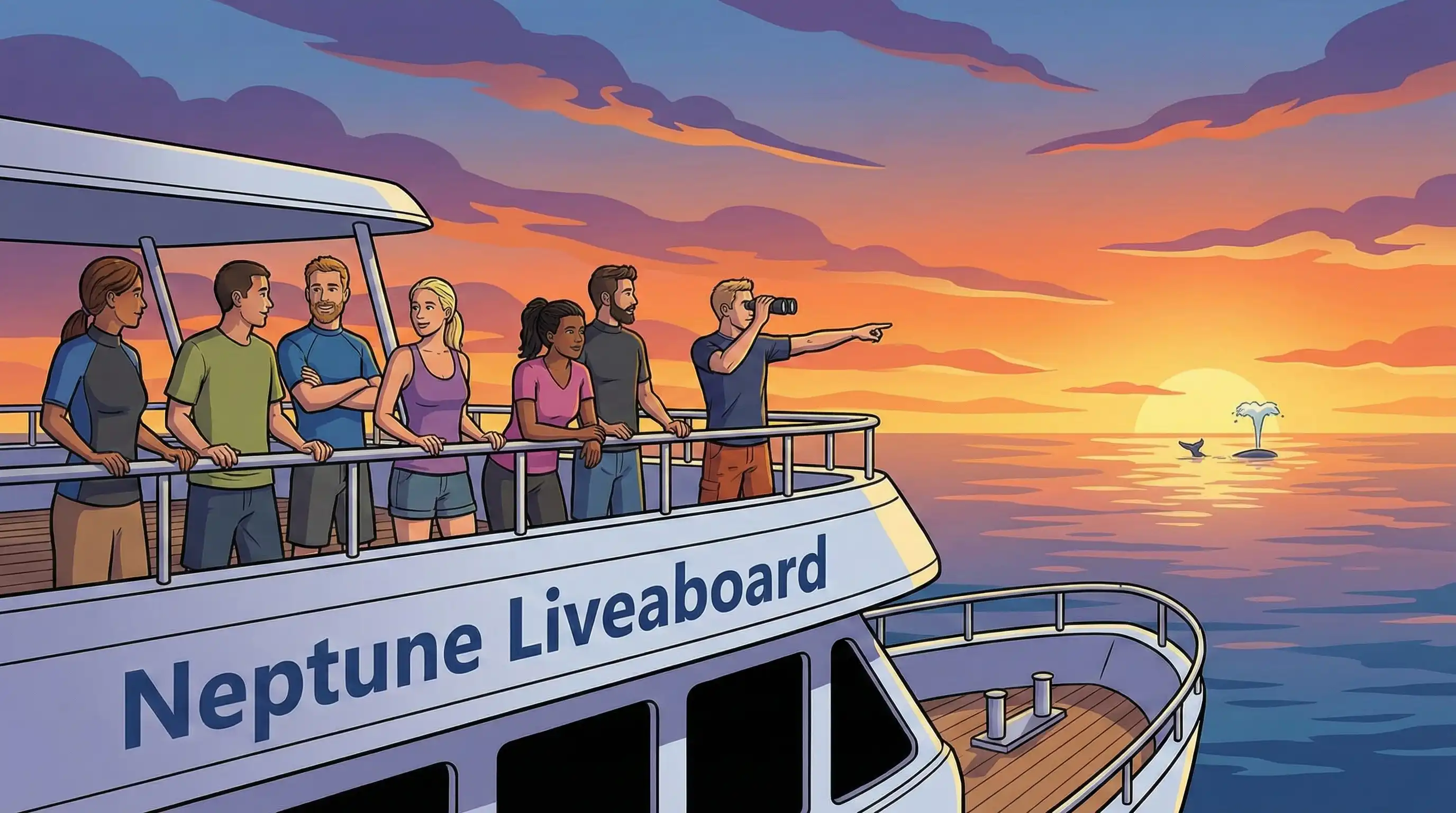
Our flagship ships, Neptune One and King Neptune, go on annual Banda Sea expeditions from Ambon. They have experienced crews and stable platforms that are necessary for the long trips between island groupings. Both of our Banda Sea liveaboards have relaxing schedules with 2–3 dives a day, staff members to help with gear, and amenities on board that are good for long trips.
We plan crossing voyages that run from Ambon to Sorong through the Banda Sea. These trips include stops in the Banda Islands, the Forgotten Islands, and end at Raja Ampat. This route gives scuba divers the chance to see all of Eastern Indonesia's marine biodiversity in one trip by maximizing the variety of dives and cutting down on unnecessary sailing.
| Feature | Neptune One | King Neptune |
|---|---|---|
| Primary Route | Ambon to Sorong crossing | Ambon to Sorong crossing |
| Season | Annual Banda Sea operations | Annual Banda Sea operations |
| Trip Duration | 10-12 days typical | 10-12 days typical |
| Diving Style | Drift diving emphasis | Drift diving emphasis |
| Best For | Hammerheads, pelagics, remote islands | Hammerheads, pristine reefs, crossings |
When booking, it's a good idea to book 6 to 12 months in advance during the peak hammerhead season (September to October), check to see whether flights to Ambon are available before arranging liveaboard dates, and get ready for seasickness on the first passage.
Land-Based Activities and Cultural Experiences
The Banda Islands have more to offer than just underwater fun. Surface intervals and rest days provide you a chance to see one of Indonesia's most important historical areas.
Historical and Cultural Tours
Fort Belgica and Dutch Colonial Heritage: The restored 17th-century fort on Banda Neira offers panoramic views and tangible connection to the violent history of the nutmeg trade, when European powers fought over these remote islands controlling the world’s sole source of the valuable spice.
Nutmeg Plantations: Working plantations still produce nutmeg and mace using traditional methods, with guided visits explaining the cultivation and processing techniques unchanged for centuries.
Traditional Village Visits: Local communities maintain distinctive Maluku culture, offering glimpses of daily life, traditional boat building, and regional cuisine featuring abundant seafood and spice-influenced flavors.
Natural Attractions
Gunung Api Volcano: This active volcano rising directly from the Banda Sea allows hiking expeditions between diving days, with trails leading to crater viewpoints overlooking the island groups scattered across blue waters.
Manuk Island Bird Colonies: Beyond its famous sea snakes, Snake Island hosts massive frigatebird and booby colonies, with thousands of seabirds visible from boats approaching the volcanic island.
Beach and Snorkeling: Calm bays provide relaxed snorkeling over pristine reefs, allowing non-diving companions or recovery days between intensive dive schedules.
Common Challenges and Solutions
The Banda Sea's beautiful reefs are safe since they are far away, but this also makes it hard to get there, so you need to plan ahead.
Remote Location Logistics
Because there isn't much scuba diving gear available in Ambon, divers should bring everything they need, including backups. Companies like Neptune One and King Neptune take care of rental equipment, but you have to pack your own specialized products and things you like. If you plan to travel light, make sure to check that the rental is available when you book.
Strong Currents and Advanced Conditions
A lot of the best dive locations have currents that range from mild to strong, especially near seamounts and channel entrances. Getting ready means practicing how to drift dive, carrying a surface marker buoy, and knowing how to use a reef hook to stay in place while watching sharks. Diving conditions are different at each site, therefore operators can choose the best site for each group based on their expertise level.
Limited Connectivity and Emergency Planning
When island groups intersect, communication stops completely, and the only way to get in touch with people in remote areas is through satellite phones. It is very important to have emergency evacuation insurance through DAN or a similar company. If you have a significant medical problem, you may need to be flown to Darwin or Bali for help. Talk to the liveaboard crew about what to do in an emergency before leaving Ambon.
Conclusion and Next Steps
The Banda Sea is a great place to dive since it has Indonesia's healthiest reefs, lots of hammerhead sharks, a lot of sea snakes near Manuk Island, and the historical depth of the original Spice Islands. This remote part of the Maluku Province is worth the trouble it takes to get there because it has diving conditions and marine life that are becoming increasingly rare in our crowded waters.
Immediate action steps:
- Research Neptune One and King Neptune availability for your target dates, prioritizing September-November for hammerhead encounters
- Book flights to Ambon well in advance, confirming connections align with liveaboard departure schedules
- Confirm Advanced Open Water certification and consider Deep and Nitrox specialties for maximum site access
- Arrange comprehensive diving and evacuation insurance covering remote location operations
For divers who are crossing the Banda Sea to get to Sorong, Raja Ampat is a great place to go because it has different types of sites and species concentrations. Komodo and the Alor archipelago are two other areas in Eastern Indonesia that provide more diving trips for people who want to build up their diving experience in Indonesia.
Additional Resources
Certification Requirements:
- Advanced Open Water (minimum for depths beyond 18m)
- Deep Diver specialty (recommended for 30m+ sites)
- Nitrox certification (extends bottom time at deeper sites)
- Drift diving experience (essential for current-swept sites)
Banda Sea Liveaboard Packing Essentials:
- Motion sickness medication for crossings
- Reef hooks for current diving
- Surface marker buoy and reel
- Backup dive computer or depth gauge
- Underwater photography equipment with strobes
- Sun protection for surface intervals
Regional Contacts:
- Ambon medical facilities: Rumah Sakit Umum Daerah Dr. M. Haulussy
- Nearest hyperbaric chambers: Manado or Makassar
- Emergency evacuation insurance providers: DAN, PADI Travel