
The forgotten islands Indonesia remain one of the planet’s most elusive diving frontiers. These islands are on the border of explored territory, in a secluded archipelago that few people have even heard of. There are no crowds, and pelagic encounters happen on almost every dive.
This article tells you all you need to know about organizing a trip to the Southeast Moluccas, from learning about the area's unique geology to picking the best time of year and liveaboard itinerary. We'll also talk about how the hospitality infrastructure in this area is starting to come together and what that implies for both passengers and the small businesses that serve them.

Quick Overview: Where Are the Forgotten Islands Indonesia?
The Southeast Moluccas or Maluku Tenggara, sometimes known as the "Forgotten Islands Indonesia" are a long, wide band of islands that run about 1,000 kilometers across eastern Indonesia. These island groups run from the southwest near East Timor to the northeast near West Papua. They form the line between the nutrient-rich Banda Sea liveaboard diving to the west and the Arafura Sea to the east.
Wetar, Romang, Damar, Sermata, Babar, Leti, and the Tanimbar Islands (with Saumlaki as the primary center) are some of the most important islands and groups in this range. The chain goes further east to New Guinea, where the Kei Island Groups and the easternmost Aru archipelagos are. The Banda Islands, which are close by and are known for their spices, are often on expedition routes that go through this area and have similar underwater features.
There are two parallel geological arcs in the area. The inner Banda Arc has volcanic islands including Manuk, Serua, Nila, and Damar. The peaks of the mountains are covered in forests and rise from very deep sea. Sermata, Leti, Babar, and Kei are all thrust coralline limestone islands that make up the outer Banda Arc. These islands are mostly flat, with terraced drop-offs and long walls that go down into the blue.
These islands are still mostly cut off from places where people live. Most of them are not very populous, not very developed, and can only be reached by expedition liveaboards, small propeller planes, or overnight ferries from cities like Ambon, Kupang, and Saumlaki. There are no direct flights to other countries, no big resort chains, and not much infrastructure outside of local villages and fishing communities.
Geography, Geology & Seascapes of the Southeast Moluccas
The forgotten islands Indonesia sit on one of Earth’s most geologically active zones, the collision point where the Eurasian, Indo-Australian, and Pacific tectonic plates meet. This ongoing tectonic drama has made the region's extraordinary underwater topography, which includes deep ocean basins, active volcanoes, and limestone ridges that have been pushed up.
Knowing how the two-arc structure works will help you understand what divers see below the surface. The Banda Arc's inner volcanic area has islands including Manuk, Serua, Teon, Nila, and Damar. These islands have active or dormant volcanic cones that rise from ocean depths of 4,000 to 6,000 meters. There are black-sand slopes, geothermal vents, and coral-encrusted volcanic ridges on these islands in the inner arc. The outer arc is made up of high reef platforms and coralline limestone islands including Leti, Sermata, Babar, Kei, and Aru. These islands have terraced cliffs and deep walls that drop into the abyss.
The shape of the islands in the chain is very different. The western end of Wetar has steep highland slopes and evergreen woods with peaks that rise more than 1,200 meters. Damar has volcanic ridges that are covered in thick plants. The Kei and Aru groups, on the other hand, have flatter savannahs and low-lying coral islands. Over thousands of years, fluctuations in sea level have made stepped terraces that may be seen both above and below the waterline.
The landscapes are just as varied underwater. Divers see vertical walls that descend into blue water, patch reefs full of coral bommies, unspoiled seamounts like Dusborgh and Nils Desperandum, coral plateaus that maintain very healthy coral life, and black-sand muck slopes around volcanic islands like Manuk. Because the area is in the Coral Triangle and is a bio-geographic transition zone between Asian and Australasian animals, currents that flow through straits like Ombai and Wetar carry larvae, nutrients, and pelagic species from many marine systems.
Diving the Forgotten Islands: Sites, Conditions & Signature Encounters
The Forgotten Islands Indonesia are great for diving if you're willing to stray off the usual path. This diving site is still on the edge of the world and is best explored by liveaboard, with a lot fewer boats than in Komodo or Raja Ampat. Most tours last 7 to 12 nights or more, which gives the boats time to cross the long distances between dive sites and spend time at remote seamounts where pelagic action is at its best.
The overall diving style includes blue-water cliffs, sea mounts, powerful currents in some passes, long drifts around immaculate reefs, and black-sand macro slopes on volcanic islands. Banda Sea liveaboard diving typically involves multiple dives per day across dramatically different environments—from hard coral gardens in sheltered bays to exposed seamount shoulders where currents rip and big schools of pelagics patrol.
Marine life encounters might be anything from tiny creatures to huge ones. Some of the most common sightings are schooling hammerhead sharks (especially scalloped hammerheads around the region's famous seamounts), reef sharks like black tip reef sharks and whitetips, eagle rays cruising walls, giant trevally and schooling jacks hunting over reefs, and napoleon wrasse drifting past with no care in the world. Thresher sharks are sometimes seen around deep water structures, and whale sharks pass through the area on their yearly migrations across the ocean.
The macro world is just as stunning. Pygmy seahorses cling to huge sea fans, phantom pipefish lurk amid crinoids, ribbon eels peep out from sandy tunnels, dragon shrimps and moray eels live in reef crevices, and nudibranchs cover volcanic slopes. On islands like Manuk, sea snakes are the major draw. Banded and olive sea snakes swim in large numbers in the shallows and gently approach divers without being aggressive.
Visibility often exceeds 30 to 40 meters in the open Banda Sea liveaboard diving, though thermoclines on deeper seamounts can reduce clarity and drop water temperatures. Surface temperatures are usually between 26 and 28°C, however divers who go to the hammerhead aggregation depths may find cooler spots at depths of 40 meters or more.
Most dive operators say this area is between intermediate and advanced. The remote position means that evacuation spots are far apart, and strong currents may need skill with drift and blue-water ascents. Also, the best hammerhead sites are typically too deep for diving without the right training and gear.
Key Forgotten Islands & Banda Sea Dive Areas
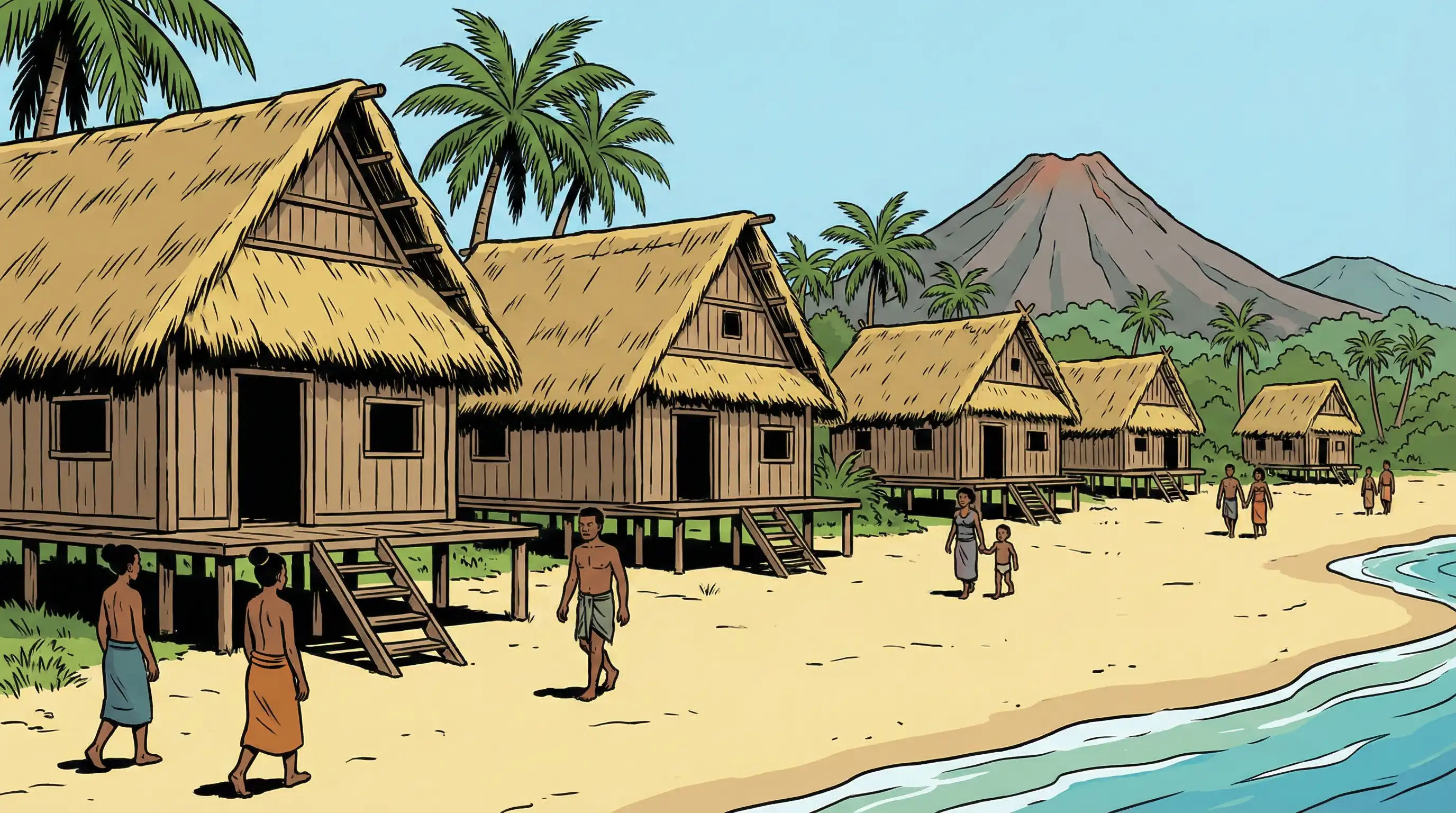
The forgotten islands Indonesia have scores of great diving spots, but a few places stand out as must-see destinations on any serious trip to this area.
Nyata, Nus Leur, Terbang & Damar
These islands in the western part of the chain are great for typical Banda Sea liveaboard diving since they have so much coral. Nyata features hard coral gardens cascading down gentle slopes, with pyramid butterfly fish, batfish, and reef sharks patrolling the edges. Nus Leur has an atoll structure with steep walls that lets currents bring in both nourishment and predators. The Terbang islands have colorful overhangs covered in soft corals, gigantic barrel sponges, and sea fans that are as big as small vehicles.
Damar has coral gardens that are protected and great for diving in the afternoon and at night. Turtles sleep on the coral here, and reef fish gather in strange numbers. The calmer conditions make it a great place to be between more exposed areas. Don't miss the sunset dive at Damar's southern tip, where the fading light makes the reef come alive with hunting behavior.
Dusborgh & Nils Desperandum (Near Nila)
These lone seamounts are the best places to go pelagic diving in the Banda Sea. Dusborgh and Nils Desperandum rise from the deep water of the open ocean. During the calm season (especially from September to November), they attract schools of hammerhead sharks. The seamount shoulders are home to huge barrel sponges, large sea fans that can be several meters long, and healthy soft coral ecosystems that get their nutrients from upwellings.
Divers see more than just hammerheads; they also see mobula rays, dogtooth tuna, grey reef sharks, and sometimes even oceanic visitors. The currents here may be powerful, and when hammerheads circle above while you hook in on the seamount shoulder, it's an experience you can't get anyplace else in Southeast Asia. Don't miss the dawn dives at Nils Desperandum, when hammerheads come up from the deep in the gray light of morning.
Dawera & Nearby Reefs
Dawera's underwater pinnacle rises from the blue like a sunken cathedral, and its surfaces are covered with very lush soft corals that some people say are as good as the best in Raja Ampat. Around the structure, there are clouds of movement made by thick schools of fusiliers and pyramid butterfly fish. Batfish swim in the middle of the water, and reef sharks cruise the margins.
The reefs around it also include a lot of coral and fish, which is a common theme. Sharks that live on reefs are common during dives, and thresher sharks sometimes show up in the deeper corners. The area's long history of currents has made it possible for coral life to thrive in ways that most divers don't expect from such a remote place. Don't miss the late-afternoon dive at Dawera's main pinnacle, when the golden light shines through the schools of fish.
Manuk (“Snake Island”)
Manuk is one among the most interesting places to dive in Indonesia. This island is an active volcano that rises abruptly from the Banda Sea. Its slopes are home to nesting seabirds, and frigatebirds, red-footed boobies, and terns fly in dense groups over the island. Black sand bottoms give way to coral ridges below the surface, and geothermal vents give away the island's volcanic history.
The major attraction is sea snakes, which don't need an introduction. There are a lot of banded sea snakes and olive sea snakes in these waters. They seem more curious than aggressive when they see divers. These snakes are poisonous, yet they don't want to bite people. Watching them hunt and relax on the coral is an experience that can't be found anywhere else at this scale. Don't miss a second dive at Manuk to see how the snakes act differently during the day.
Banda Islands (The Spice Islands)
The historic Banda Islands are often added to itineraries seeking forgotten islands. They provide both amazing diving and unusual exploring on land. The volcanic islands have deep walls that drop off into the ocean. During the right season, sea mounts like Batu Kapal draw in clouds of pyramid butterfly fish, enormous schools of jacks, and hammerhead sharks.
There is a lot to learn about the islands' history besides diving. The old Dutch fort (Fort Belgica), colonial-style buildings, and the nutmeg plantation tradition that made these small islands the center of world trade are all still there in Banda Neira. The Banda Islands are a must-see on any regional itinerary since they offer both world-class diving and real historical importance. Don't miss the wall dive at Batu Kapal and the afternoon walking tour of Banda Neira's fort and nutmeg gardens.
When to Go: Seasons, Weather & Sea Conditions
The Banda Sea is primarily open ocean with few places to hide, therefore excursions to forgotten islands Indonesia only happen at certain times of the year. During transitional windows, when the southeast and northwest monsoons are at their weakest, liveaboards usually travel this area. This makes it safe to cross open stretches and comfortable to dive at offshore seamounts.
April to May and September to November are the best times to go diving. The waters are calmer and the swells are smaller during these months, which makes them perfect for long voyages and spending more time at remote spots. The April–May window comes toward the conclusion of the rainy season, when the weather starts to settle down. The September–November window is the quiet season before the northwest monsoon builds, which usually brings the clearest visibility and the best hammerhead aggregations.
The rainy season (around December to March) and the peak southeast monsoon season (June to August) can make things hard. Strong gusts, big waves, and choppy seas make long trips uncomfortable at best and quite dangerous at worst. During these months, most operators don't plan trips to neglected islands. Instead, they focus on Indonesian spots that are better protected.
During the best diving times, the water temperature at the surface should be between 26 and 28 degrees Celsius. On deeper seamount dives, you could also run into cooler thermoclines. Depending on plankton blooms and currents, visibility is usually between 20 and 40 meters. Currents can be very different, from gentle drifts along protected walls to strong flows on seamount shoulders and headland points where the action is most intense.
Indonesia is diveable all year long, however operators plan routes to meet the winds and swells that are happening at the time. Itineraries may alter at the last minute because of the weather for safety concerns. Anyone who books these distant trips needs to be flexible and trust the experienced captains.
Best Windows at a Glance: April–May for Banda crossings and stabilizing conditions; September–November for prime hammerhead action and longest expedition routes.
How to Get There & Typical Liveaboard Routes
The best method to get to the forgotten islands Indonesia is by liveaboard from gateway ports in eastern Indonesia. For cross-border adventure itineraries, the most usual places to leave and arrive are Maumere (Flores), Saumlaki (Tanimbar Islands), Ambon, Sorong, and sometimes Kupang (West Timor) or Darwin (Australia).
International access follows a set pattern. Most people fly into Jakarta (CGK) or Bali Denpasar (DPS) and then take domestic flights with Indonesian airlines like Garuda, Lion Air, or NAM Air. The last legs to faraway gateways like Ambon (AMQ), Maumere (MOF), or Saumlaki (SXK) generally use smaller planes and have less predictable schedules. It is highly recommended to arrive at least one buffer day before boarding the liveaboard. Domestic flights are sometimes delayed or canceled, and if you miss your boat, you miss your trip.
Common liveaboard itineraries go through several parts of this huge area:
The Maumere to Saumlaki route typically runs 10–14 nights, passing through Alor, the southern arc islands, and select sites across the central forgotten islands chain. This itinerary often includes stops at Wetar, Romang, and Damar before ending in the Tanimbar Islands.
The Saumlaki to Ambon route focuses on the central Banda Sea, spending significant time at offshore seamounts like Nils Desperandum and volcanic islands like Manuk. Longer versions of this itinerary may extend to 12–16 nights, maximizing time at hammerhead aggregation sites.
The Ambon to Sorong route takes in the Banda Islands, Koon Island (famous for schooling fish), and transitions into Raja Ampat waters. This itinerary appeals to divers wanting to combine forgotten islands exploration with the more established Raja Ampat diving liveaboard trips.
Indonesia Cruises can last anything from 7 nights for concentrated regional excursions to more than 20 nights for full expeditions that visit several island groups. Dedicated "hammerhead expeditions" may spend many days in a row at offshore seamounts, making the most of the short surface intervals when currents and circumstances are just right for pelagic encounters.
These trips need to have good logistics. The amount of dive gear you may bring on a plane varies per airline, but you should expect to be able to check in 20 to 23 kilograms. Check your flights again 24 to 48 hours before you go, because schedules sometimes alter without warning. To reduce the stress of tight connections, plan to stay overnight in hub cities (Ambon, Maumere, Sorong) both before and after you board the ship.
Culture, History & “Forgotten” Communities
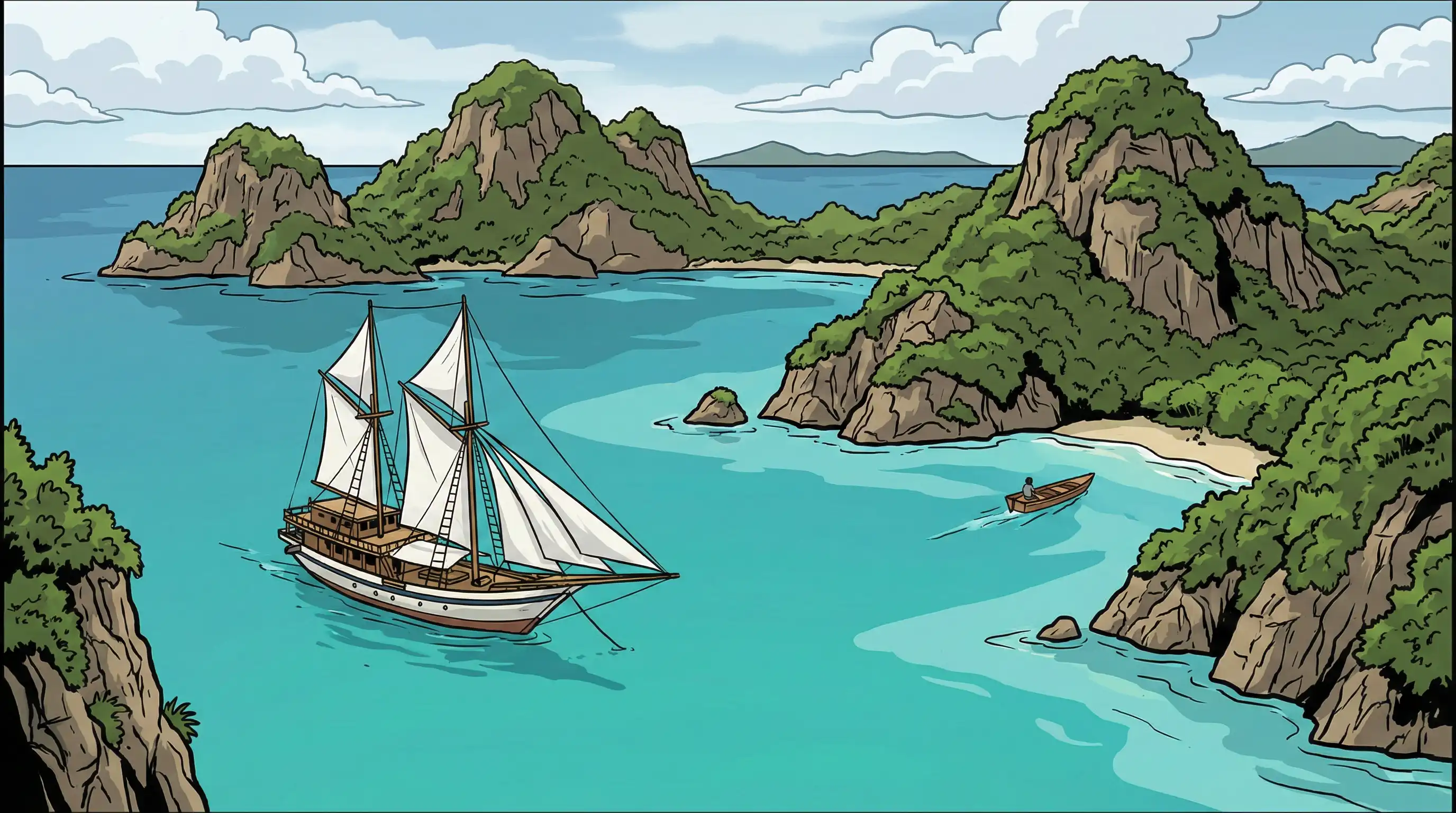
The name "Forgotten Islands" doesn't mean that the islands don't have a lot of culture; it means that they are far away and not many tourists go there. For thousands of years, these islands have been a cultural crossroads in West Melanesia, mixing Asian and Oceanian influences through trade, migration, and religious exchange. These communities have long histories that connect them to Timor, the Maluku islands, and New Guinea. In settlements throughout the chain, you can still hear different languages, see different art styles, and follow different rituals.
There aren't many detailed English-language sources about these islands. "Forgotten Islands of Indonesia" by de Jonge and van Dijk is an out-of-print book that is linked to an exhibition at the Rijksmuseum in the 1980s. It is one of the few full overviews of the subject. Stephen Oppenheimer's "Eden in the East" looks at the bigger picture of the prehistory of the island chains in Southeast Asia. It talks about ideas like buried landmasses and old migration routes through this area.
People who travel on the Banda–Nusa Tenggara routes see a lot of different cultural highlights. Ikat weaving traditions are still strong on islands like Lembata and Flores to the west. Lamalera (Lembata) is one of the last traditional whaling settlements on Earth, and its subsistence whaling traditions is still strong. The Banda Islands keep the legacy of nutmeg and clove alive. These small islands used to be some of the most desirable real estate on the planet.
Banda Neira shows the most Dutch colonial history. Fort Belgica still stands at the harbor, while old nutmeg plantation estates dot the hillsides. In the 17th century, the VOC (Dutch East India Company) fought harsh warfare over these islands, using brutality and forced labor to control the world's nutmeg supply. Today, as I walk these grounds, I can see how different the tranquil tropical beauty is from the grim colonial history.
Respectful travel habits are important all across this area. When you visit villages, dress modestly, get permission before taking pictures of people or ceremonies, and know that many islands have poor infrastructure, inconsistent energy, and few healthcare services. These places aren't tourist attractions; they're homes where hospitality is really important. Travelers who arrive with humility usually get a warm welcome.
Dive Planning, Safety & Responsible Travel
The forgotten islands Indonesia demand conservative planning and thorough preparation. There are huge miles between evacuation spots and not many emergency services in the area, so this is truly remote diving. Divers and operators need to remember that rescue may be hours or even days away when they go diving.
The ideal diver for these trips should have at least 50 to 100 logged dives, be comfortable with currents and blue-water ascents, have nitrox certification for repeated deep dives over multi-week itineraries, and have the right insurance that covers emergency evacuation in Indonesia (DAN or equivalent). Operators may not let divers who aren't certified or who haven't done it before on their most difficult sites, and this is very reasonable given the situation.
There are high-level safety rules that apply to the whole area. Surface marker buoys (SMBs) are required since vessels can't see any landmarks in the Banda Sea that would help them find divers who are coming up. You need dive computers to keep track of how much nitrogen you're loading on numerous deep dives each day. It is very crucial to stay under no-decompression limitations when the nearest chamber may need a 12-hour boat voyage and planes to get to. Listening to local crew who know how to deal with quickly shifting currents and swells is often more useful than any amount of experience you've had in other places.
Divers should think about how their actions affect the environment at every location. These ecosystems are protected by strict rules against touching or taking anything. You should watch sea snakes and hammerhead sharks without bothering or baiting them. These species will let divers get close if they are treated with respect. Careful finning keeps delicate sea fans, barrel sponges, and soft corals from being touched by accident. Support operators who don't anchor on reefs, use mooring buoys when they can, and show that they really care about conservation.
When diving on forgotten islands Indonesia, you might want to bring a 3mm full wetsuit (some divers prefer 5mm for thermocline protection), reef-safe sunscreen, an SMB and a whistle, and maybe even a reef hook for current dives where holding position on seamount shoulders gives the best view. Camera housings should be able to hold both wide-angle lenses for pelagic scenes and macro settings for the many little animals that live on muck and reef dives.
Safety Essentials: Always dive with an SMB, maintain visual contact with your buddy, and never exceed the depth limits your training and experience support.
Forgotten Islands, Future Tourism
Tourism on the hidden islands is still in its early stages. Most visitors come on expedition liveaboards, and there are only a few tiny guesthouses, homestays, and eco-lodges in places like Saumlaki, Kei Kecil, and Ambon. The region doesn't have the same kind of resort infrastructure as Bali or even Raja Ampat, which makes things harder and easier for new businesses.
The opportunities and risks of increased tourism require careful consideration. Visitors' spending can help rural villages make money and provide people a reason to protect reefs and forests. But uncontrolled growth puts small towns and vulnerable ecosystems at risk since they can't handle a lot of tourists. The importance of low-volume, high-quality, conservation-led travel strategies is clear here—this should never become a popular tourist spot.