Diving
Indonesia Diving
Discover the Ultimate Diving Experience in Indonesia – A Treasure Trove of Breathtaking Dive Sites and Vibrant Marine Life.
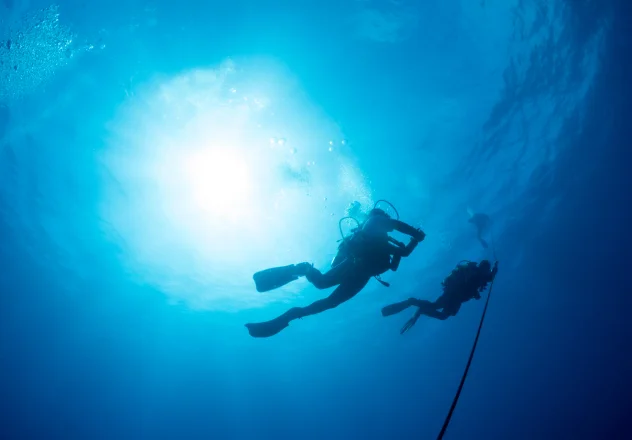
Indonesia Diving
Discover the Ultimate Diving Experience in Indonesia – A Treasure Trove of Breathtaking Dive Sites and Vibrant Marine Life. Offers an unparalleled adventure into the underwater realm of the world’s largest archipelago. Very few places in the world can compete. With over 17,000 islands and situated at the heart of the Coral Triangle, Indonesia is a haven for marine biodiversity and a must-visit destination for divers of all levels.
From the captivating coral reefs of Raja Ampat to the majestic manta rays of Komodo, Indonesia diving promises an unforgettable experience. This is a comprehensive guide to explore the best dive locations in Indonesia, top dive sites, travel times, and the optimal times to visit.
Scuba Diving In Indonesia
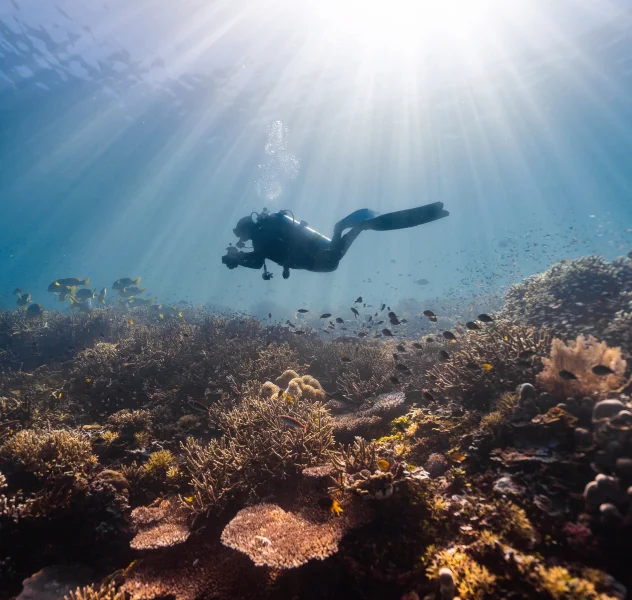
Scuba diving in Indonesia offers an unparalleled underwater adventure that draws divers from around the world. With its vast archipelago, Indonesia is home to some of the richest and most diverse marine ecosystems on the planet. The country boasts incredible dive sites, including the world-famous Raja Ampat, Komodo National Park, and the Bunaken Marine Park. These destinations offer breathtaking underwater landscapes, vibrant coral reefs, and an abundance of marine life, from colorful tropical fish to majestic manta rays and even the elusive mola mola. Whether you’re a beginner or an experienced diver, Indonesia’s waters cater to all skill levels, making it an ideal destination for diving enthusiasts.
One of the highlights of scuba diving in Indonesia is the opportunity to explore the Coral Triangle, an area known as the “Amazon of the Seas.” This region boasts the highest marine biodiversity in the world, with thousands of species of coral, fish, and other marine creatures. Diving in the Coral Triangle allows you to witness the stunning beauty of coral gardens teeming with life, encounter rare and endangered species, and dive alongside magnificent creatures like whale sharks and turtles.
The clear, warm waters and excellent visibility make for unforgettable diving experiences, and the sheer variety of dive sites ensures there’s always something new to discover. Indonesia’s scuba diving sites offer diverse underwater topography. From steep walls and dramatic drop-offs to vibrant pinnacles and volcanic formations, each dive spot presents a unique and awe-inspiring landscape. Exploring underwater caves, swim-throughs, and colorful coral-covered slopes adds an element of adventure and excitement to every dive.
Raja Ampat
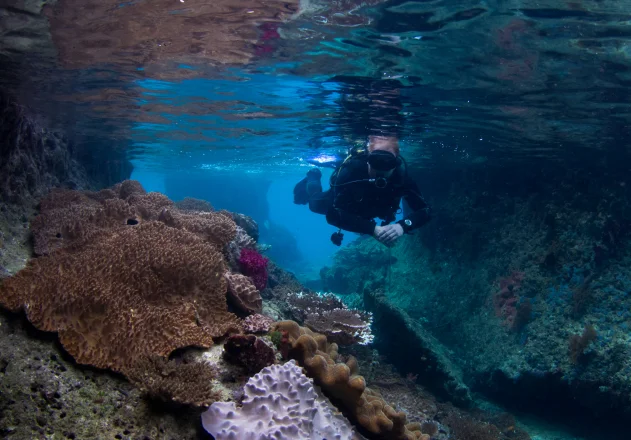
Raja Ampat, located in West Papua, is renowned for its incredible marine biodiversity, boasting over 1,500 fish species and 75% of the world’s known coral species. That alone makes Indonesia one of the best diving destinations in the world. Some iconic dive sites in Raja Ampat include Cape Kri, Blue Magic, and Manta Sandy but Raja Ampat is so full of diversity. Raja Ampat is unique with three main areas to explore: Central, North and South.
The best time to dive in Raja Ampat is between October and April when the weather is at its best, dry season and very little waves. Actually Raja Ampat can be visited all year round but the visibility and the rainy season may put off most people.
Bali
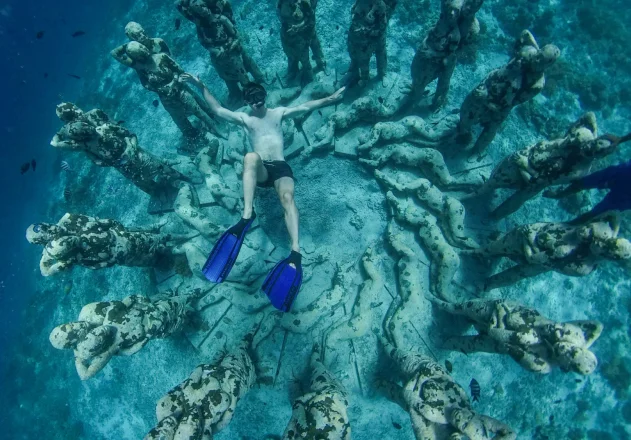
You cannot think of diving in Indonesia and not mention Bali, the Island of the Gods. Bali is not only a tropical paradise but also a world-class diving destination, perfect for a thrilling dive trip. Dive sites such as the USAT Liberty Wreck in Tulamben, Manta Point in Nusa Penida, and Crystal Bay cater to a range of interests and skill levels, offering unparalleled opportunities for world-class diving experiences during your dive trip in Bali and throughout Indonesia.
Bali diving is excellent year-round, with April to November offering the best conditions but truly, Bali is really suitable for diving all year round. The Nusa Penida dive sites are the best that Bali has to offer and it’s the ideal spot to visit if planning just a one day diving. In Nusa Penida it’s where divers can enjoy seeing the elusive Mola Mola during the months of June to October, but be careful, the water temperatures are as cold as ice sometimes going down to as low as 16C (60F). If divers are planning more than one day of diving in Bali, you should consider doing what it’s called the best of Bali.
Nusa Penida
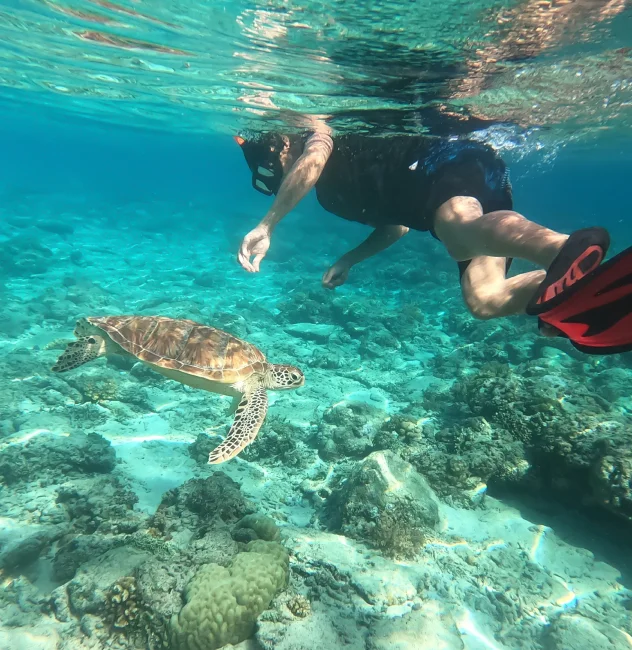
Nusa Penida is a stunning island located southeast of Bali, Indonesia. It is part of the Nusa Islands, along with Nusa Lembongan and Nusa Ceningan. Known for its breathtaking landscapes, crystal-clear waters, rich marine biodiversity, and captivating dive sites, Nusa Penida has become a popular destination for travelers seeking natural beauty, adventure, and incredible dive experiences.
One of the main attractions of Nusa Penida is its dramatic coastline. The island boasts magnificent cliffs that drop dramatically into the turquoise ocean below. Kelingking Beach, often referred to as T-Rex Bay due to its distinctive shape, is one of the most iconic sights on the island.
Additionally, Nusa Penida is home to exceptional dive sites that attract diving enthusiasts from around the world. Exploring the underwater world of Nusa Penida is a thrilling adventure, with vibrant coral reefs, an abundance of marine life, and the opportunity to encounter majestic manta rays and other fascinating creatures. Another highlight of Nusa Penida is its vibrant underwater world. The island is home to numerous dive sites, where divers can explore colorful coral reefs, encounter manta rays, and spot a variety of tropical fish species.
Tulamben
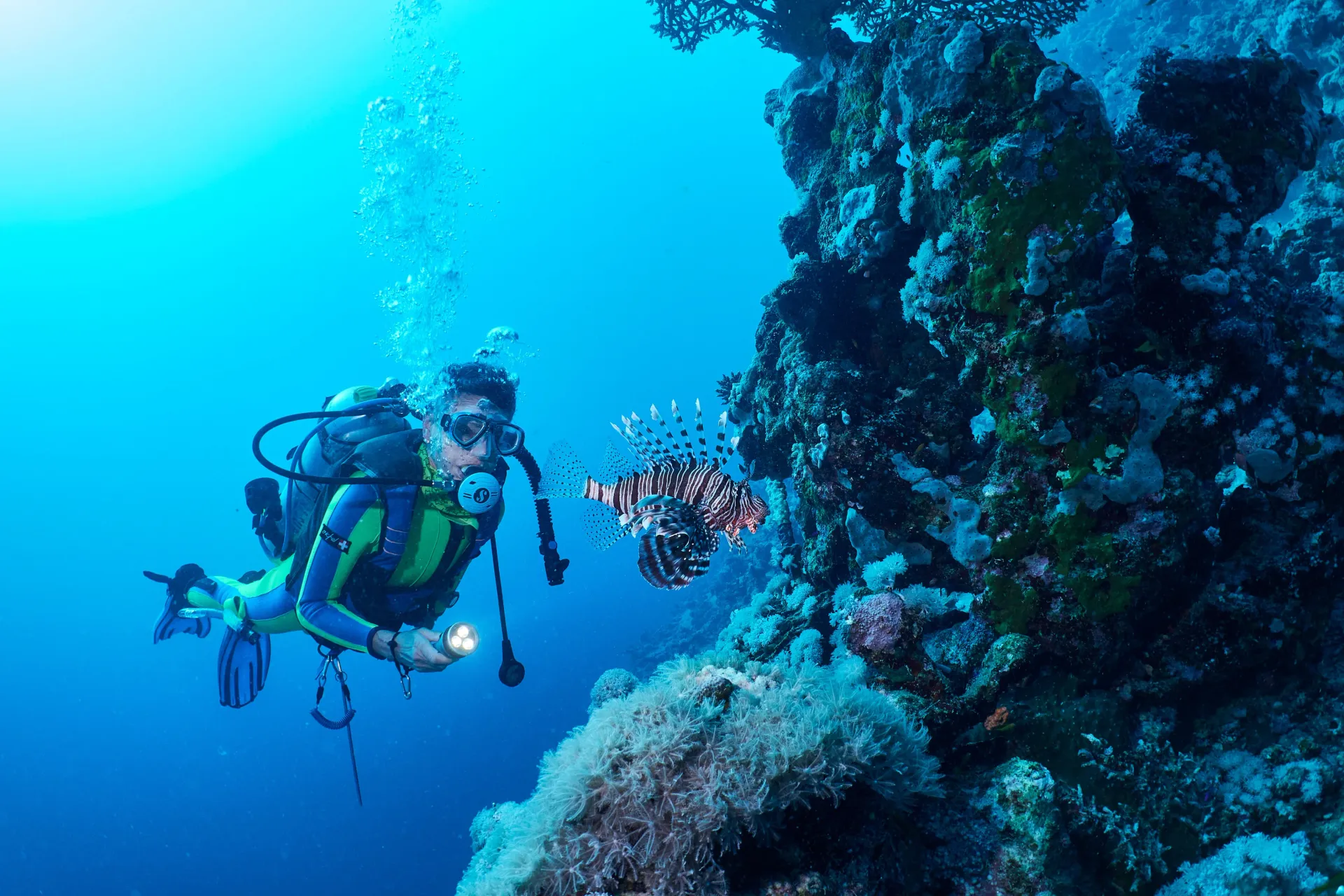
Tulamben is a picturesque coastal village on the northeastern coast of Bali, Indonesia, renowned for its exceptional scuba diving destinations. It is a popular haven among diving enthusiasts, attracting visitors with its stunning underwater landscape and the presence of the famous USAT Liberty shipwreck, making it an extraordinary dive site.
The shipwreck, which sank during World War II, has transformed into a thriving coral reef, creating an unparalleled scuba diving experience. Divers from all over the world flock to Tulamben to explore this unique underwater treasure and discover the diverse marine life that inhabits its depths.
Besides the shipwreck, Tulamben offers a range of diving sites suitable for beginners and experienced divers. The crystal-clear waters of Tulamben provide:
- Excellent visibility
- Allowing divers to witness the diverse marine ecosystem that includes colorful coral formations
- Tropical fish
- Other fascinating sea creatures
The calm and relatively mild currents make it an ideal location for underwater photography and videography. Tulamben is a paradise for divers and a haven for nature lovers. Scenic landscapes, lush greenery, and majestic mountains characterize the surrounding area. The village exudes a peaceful and laid-back atmosphere, offering a perfect retreat from the hustle and bustle of city life.
Padang Bai
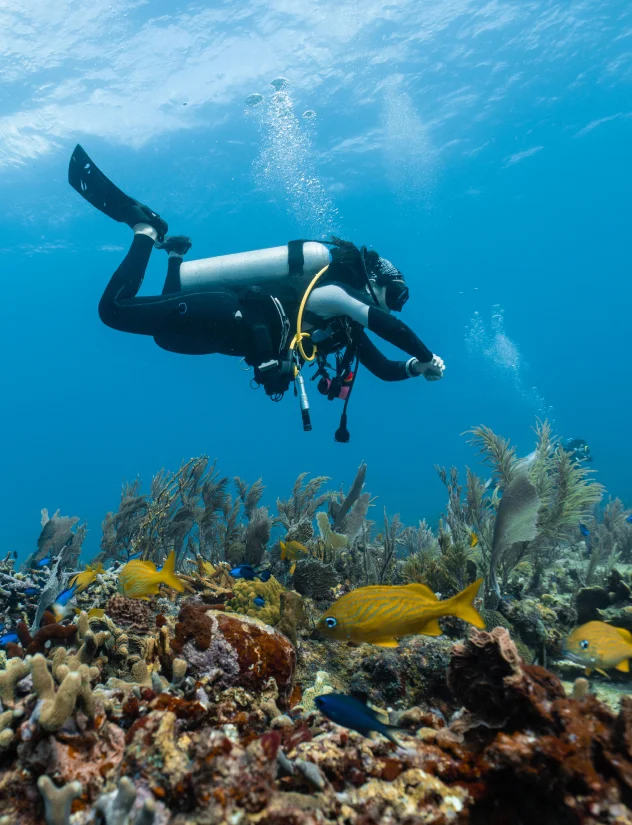
Padang Bai is a small coastal village located on the eastern coast of Bali, Indonesia. Padang Bai has become a popular tourist destination in recent years because of its picturesque landscapes, pristine beaches, vibrant marine life, and excellent dive sites. The village is a significant hub for exploring the surrounding islands, including Nusa Penida, Nusa Lembongan, and the Gili Islands, making it a favorite spot for divers, snorkelers, and enthusiasts of underwater exploration.
Blue Lagoon and Bias Tugel are two of the most popular beaches in the area, offering breathtaking views, excellent snorkeling opportunities, and access to the captivating dive spot. Padang Bai is also renowned for its vibrant underwater world and is considered one of the best dive sites for drift diving.
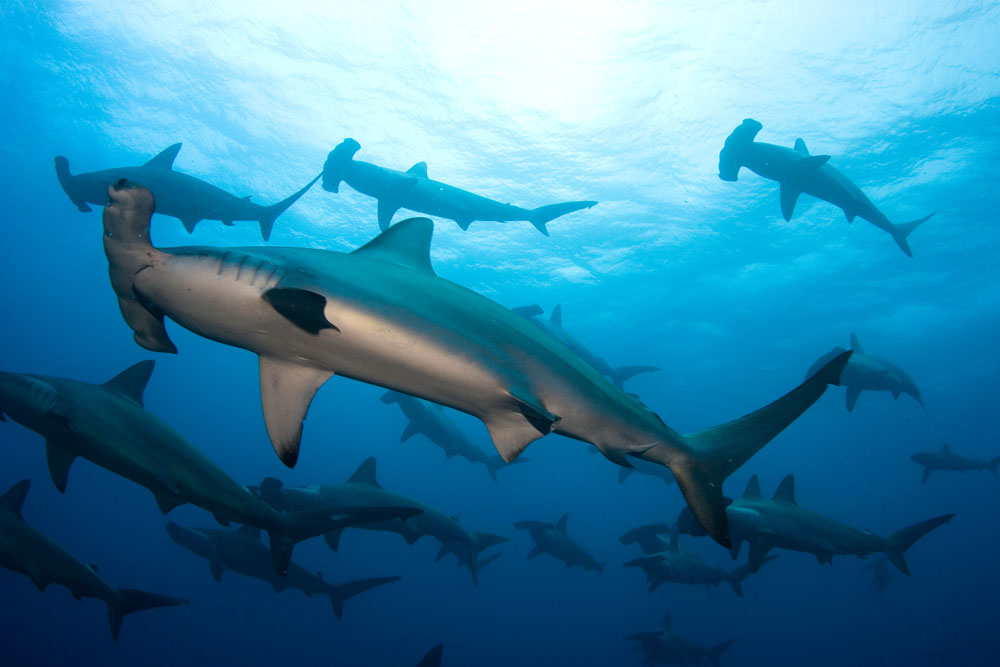
There are a lot of other diving destinations in Indonesia such as Banda Sea, Maumere, and Bunaken, all of extremely unique underwater features. Simply imagine diving in Banda Sea for the Hammerhead migration season during September and October and seeing a wall of hundreds of Hammerhead sharks. That is an unforgettable experience.
Komodo Diving
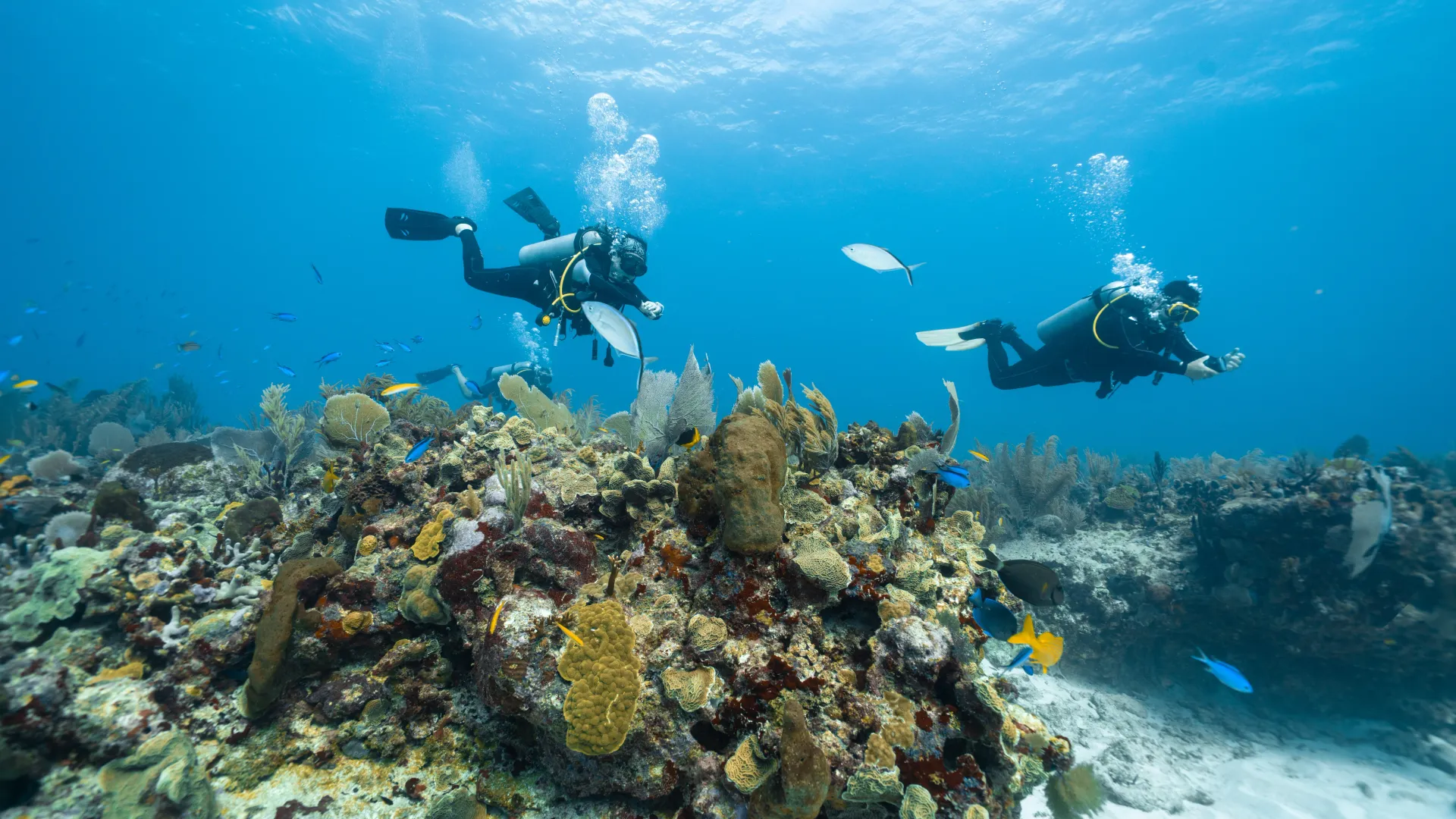
Experience thrilling drift dives and close encounters with manta rays during unforgettable liveaboard diving adventures in the UNESCO World Heritage Site of Komodo National Park. Komodo is found in the area of East Nusa Tenggara and offers a few dive sites, including world-class locations such as Batu Bolong, Castle Rock, and Manta Alley, renowned for their world-class muck diving.
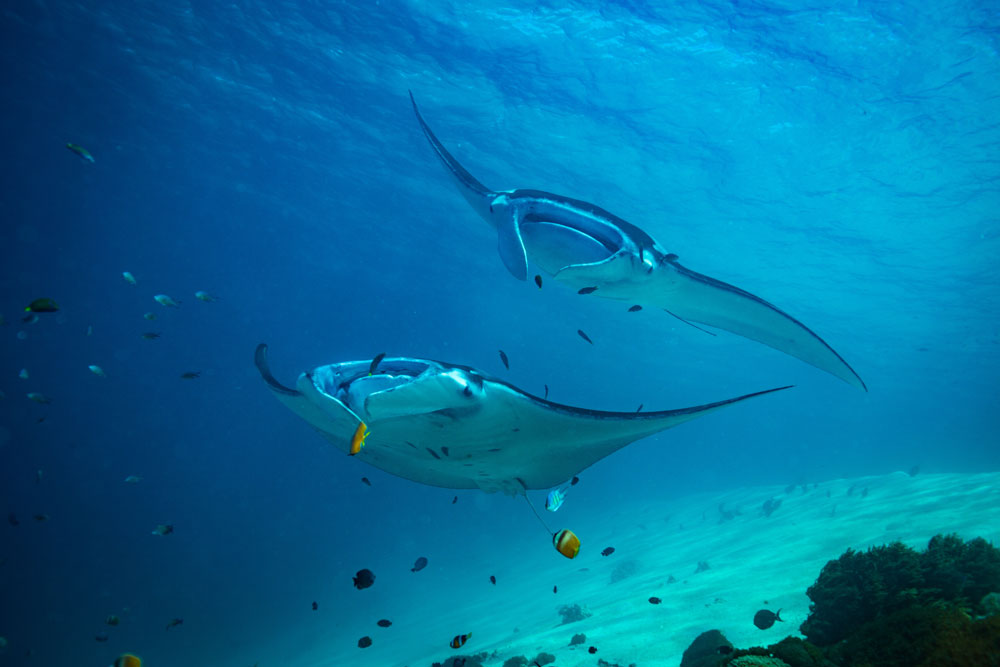
Komodo diving is best enjoyed during the dry season, from April to November and that is when divers can enjoy seeing tens and tens if not hundreds of Manta Rays in what we like to call, a Manta storm.
Komodo is best visited with a liveaboard but luckily, the best dive resort in Indonesia according to PADI Travel is located in Komodo called Komodo Resort. The Komodo National Park is notorious for strong currents so divers are recommended to have at least Advanced Open Water certification and a minimum of 50 logged dives to enjoy the dive sites.
Dive Sites around the Komodo National Park
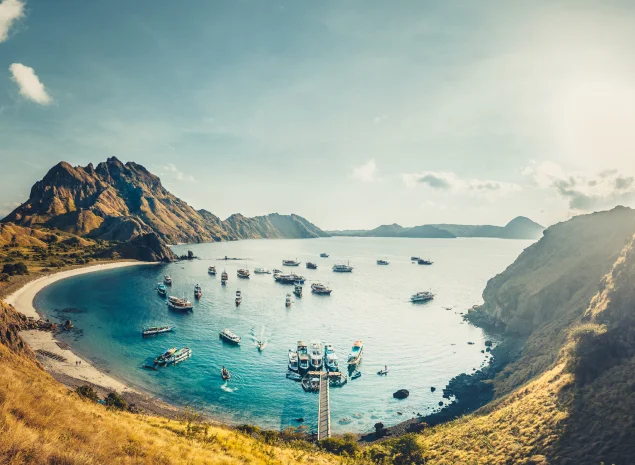
Komodo National Park, located in Indonesia, is renowned for its incredible biodiversity and stunning dive sites, including the fascinating activity of muck diving, making it one of the top scuba diving spots in the world. The park is a UNESCO World Heritage Site and offers divers a unique opportunity to explore some of the most breathtaking underwater landscapes in the world. One notable dive site is Batu Bolong, a small rock pinnacle that rises from the depths and is surrounded by vibrant coral reefs.
Divers on a dive trip here can witness a rich array of marine life, including colorful reef fish, turtles, and even the occasional manta ray or shark. The strong currents at Batu Bolong make it suitable for experienced divers, adding an extra thrill to the exploration.
Crystal Bay
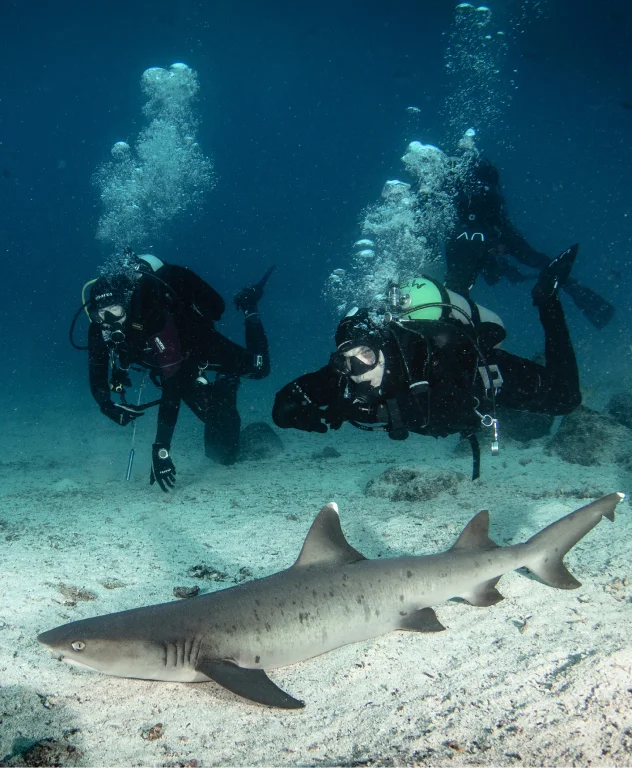
Crystal Bay is a renowned dive spot located within the Komodo National Park, a UNESCO World Heritage Site renowned for its breathtaking beauty and abundant marine life. Nestled in the Flores Sea, it is a small bay surrounded by lush green hills and pristine white sandy beaches. Its crystal-clear turquoise waters and vibrant coral reefs make it a paradise for scuba divers and snorkelers alike.
One of the main attractions of this place is its diverse marine ecosystem, perfect for scuba diving, macro diving, and night diving. The waters are teeming with a rich variety of marine species, including colorful coral formations, tropical fish, sea turtles, and even majestic manta rays.
Batu Bolong
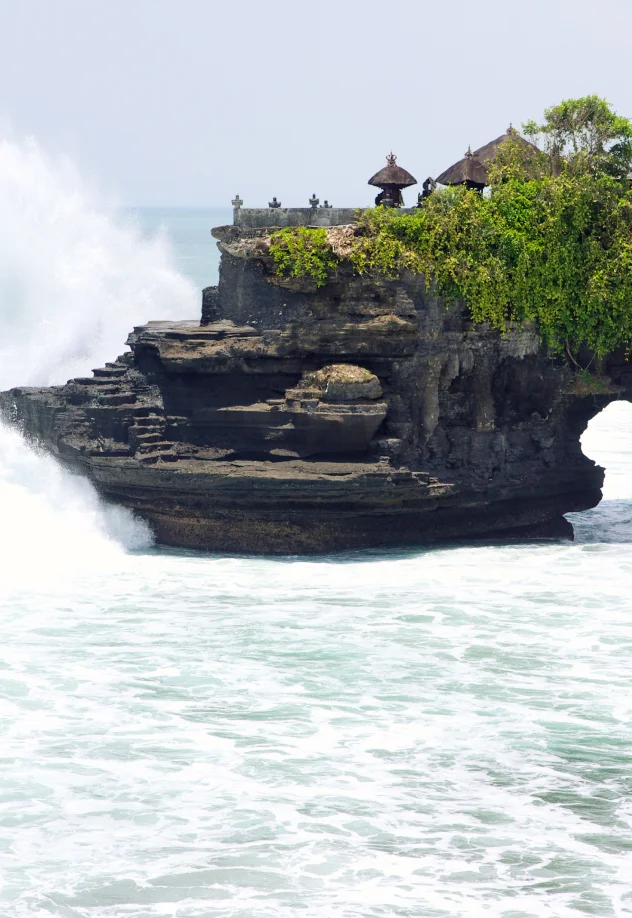
Batu Bolong is a breathtaking rock formation located on the Indonesian island of Bali, known for its stunning dive spot. It is situated on the western coast, near the famous beach town of Canggu. The name “Batu Bolong” translates to “hollow rock” in the local language, which accurately describes the unique feature of this landmark.
Moreover, Batu Bolong is renowned for its vibrant underwater world, making it one of the popular dive spots for beginner divers. The crystal-clear waters and diverse marine ecosystem attract diving enthusiasts from around the globe. For those interested in diving trips, Komodo Island, located nearby, offers extraordinary diving experiences.
Exploring the depths beneath the surface of Batu Bolong and Komodo Island reveals a hidden realm of marine life and breathtaking coral formations, adding an exhilarating dimension to the already captivating experience. Whether you’re a beginner diver or a seasoned enthusiast, these destinations offer unforgettable diving adventures that showcase the beauty and richness of Indonesia’s underwater world.
Manta Point
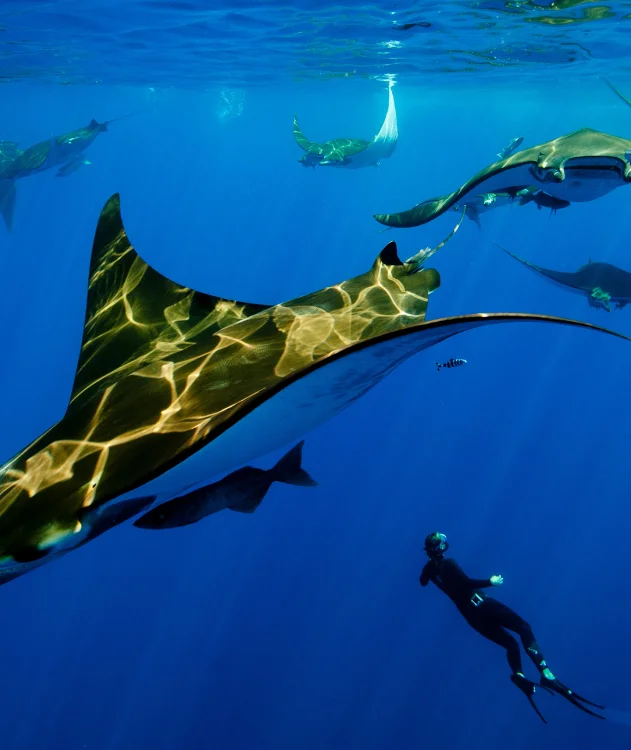
Manta Point is a renowned destination for diving, snorkeling, and night diving in Nusa Penida, an island off the southeastern coast of Bali, Indonesia. This popular site draws divers and underwater enthusiasts worldwide due to its remarkable population of majestic manta rays. Whether exploring during the day or venturing into the depths after sunset, visitors can witness these graceful creatures gliding effortlessly through crystal-clear waters, creating an unforgettable experience.
At Komodo Island, divers are treated to a unique and exhilarating experience as they encounter these gentle giants up close. The manta rays, with their impressive wingspans and elegant movements, create a mesmerizing spectacle. The site’s underwater topography consists of rocky outcrops and deep drop-offs, providing a suitable habitat for plankton, which serves as the primary food source for the mantas.
Diving at Manta Point requires some experience due to the occasional strong currents. However, even snorkelers can enjoy breathtaking encounters with the mantas, as they often swim near the surface. The visibility at the site is generally excellent, allowing visitors to appreciate the vibrant marine life surrounding them fully.
Tatawa Besar
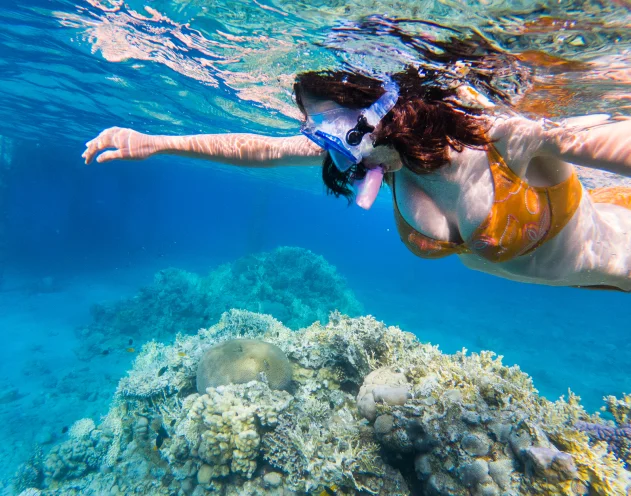
Tatawa Besar is a picturesque island in the Komodo National Park, a UNESCO World Heritage Site in Indonesia. Known for its breathtaking beauty and diverse marine life, Tatawa Besar offers a paradise-like experience for visitors. The island is a popular dive spot and destination for snorkeling and diving enthusiasts drawn to its crystal-clear waters and vibrant coral reefs.
The underwater world surrounding Tatawa Besar is a sight to behold. Snorkelers and divers are treated to an array of colorful tropical fish, including clownfish, parrotfish, and butterflyfish, as well as magnificent coral formations. The warm waters provide excellent visibility, allowing visitors to immerse themselves in the mesmerizing marine ecosystem fully.
Gili Islands
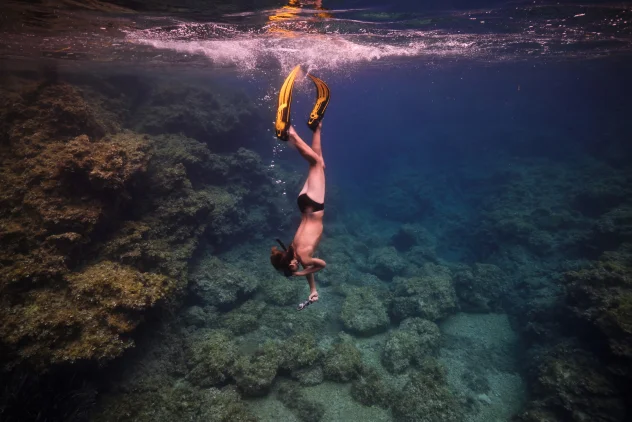
The Gili Islands, located off the northwest coast of Lombok in Indonesia, are a tropical paradise that captures the essence of pristine beauty and tranquility. Comprising three small islands—Gili Trawangan, Gili Meno, and Gili Air—the archipelago offers stunning white sandy beaches, crystal-clear turquoise waters, vibrant coral reefs teeming with marine life, and exciting dive spots.
With no motorized vehicles allowed on the islands, Gili offers a serene escape from the hustle and bustle of modern life, where visitors can immerse themselves in a laid-back atmosphere, enjoy water activities such as snorkeling and diving, and indulge in fresh seafood delicacies while admiring breathtaking sunsets.
Gili Trawangan
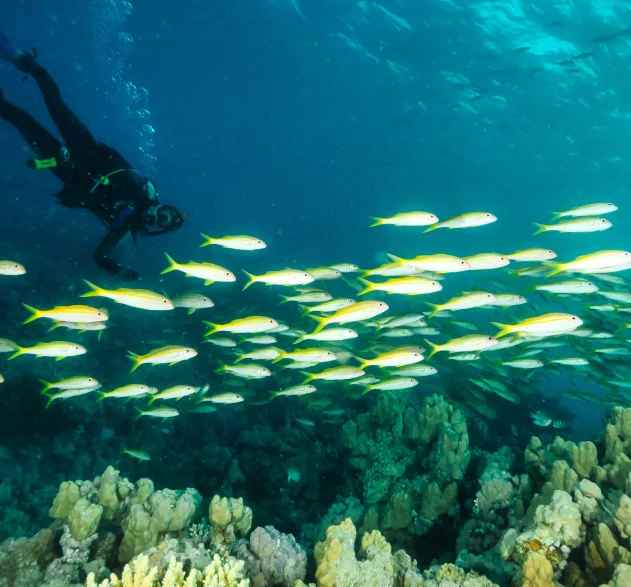
Gili Trawangan, often called Gili T, is a small paradise island off the northwest coast of Lombok, Indonesia. It is part of a trio of islands known as the Gili Islands. Gili Trawangan is the largest and most popular among the three, known for its stunning beaches, crystal-clear turquoise waters, and vibrant underwater life.
Gili Trawangan’s main attractions are its incredible diving and snorkeling opportunities. The island is surrounded by flourishing coral ecosystems, making it a haven for marine life enthusiasts. Snorkelers and divers can explore a variety of vibrant coral gardens, encounter sea turtles, and swim alongside tropical fish species.
Gili Meno
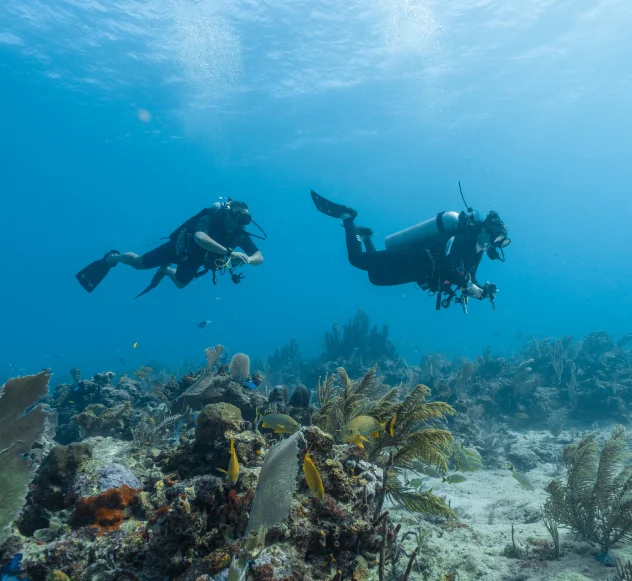
Gili Meno is a stunning tropical paradise located in Indonesia, specifically part of the Gili Islands archipelago. It is the smallest of the three islands known for its serene and untouched natural beauty. Gili Meno offers a tranquil escape from bustling tourist spots, making it a popular destination for those seeking peace and relaxation.
The island’s main draw is its pristine beaches with powdery white sand and crystal-clear turquoise waters. Snorkeling and diving enthusiasts are particularly drawn to Gili Meno for its vibrant underwater ecosystems teeming with diverse marine life. Visitors can explore the underwater world and encounter colorful fish, turtles, and even occasional sightings of reef sharks.
Gili Air
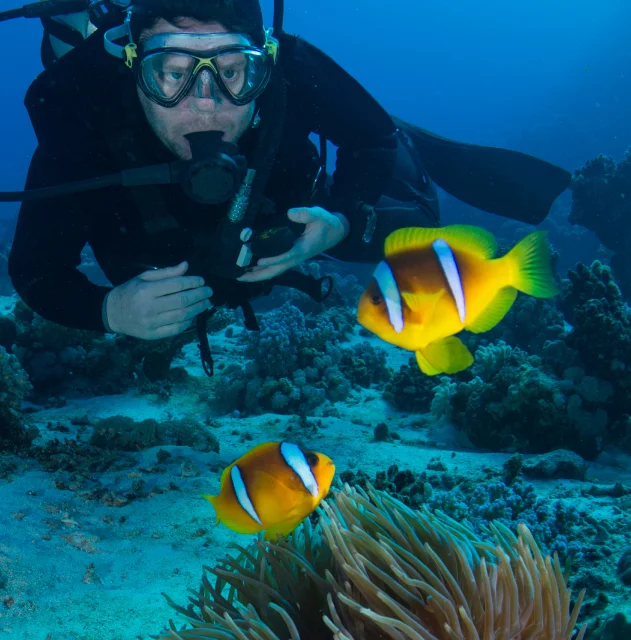
Gili Air is a stunning tropical paradise in Indonesia, specifically part of the Gili Islands archipelago. Situated in the azure waters of the Lombok Strait, Gili Air offers visitors a serene and laid-back atmosphere, making it an ideal destination for those seeking relaxation and natural beauty.
The underwater world surrounding Gili Air is a haven for snorkelers and divers. The island is renowned for its vibrant marine ecosystems teeming with abundant marine life, including colorful tropical fish, turtles, and even the occasional reef shark. Snorkeling and diving enthusiasts can explore the thriving marine gardens and discover a mesmerizing array of sea creatures.
Travel Times and Best Time to Dive
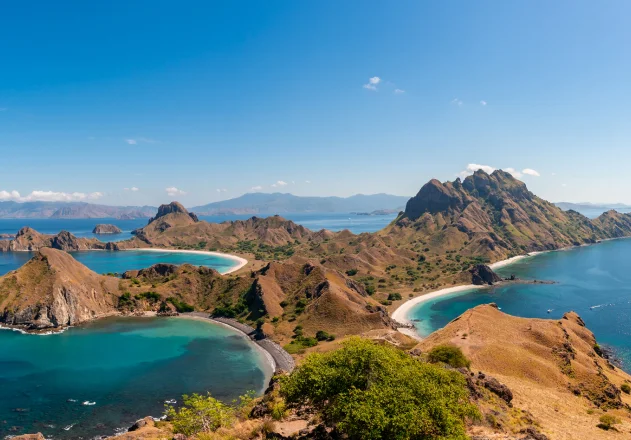
Traveling to Indonesia is relatively straightforward, with numerous international airports servicing flights from major cities worldwide. Jakarta, Bali, and Surabaya are common entry points but for the Indonesia diving destinations we mentioned above you should consider:
Raja Ampat arriving in the city of Sorong, Komodo arriving in the city of Labuan Bajo and of course Bali in Denpasar. From these hubs, domestic flights and boats can transport you to your chosen Indonesia diving destination. The best time for diving in Indonesia varies by location but is generally during the dry season (April to November). Browse our upcoming trips to find the perfect dive adventure.
Tips for an Unforgettable Indonesia Diving Experience
Choose a Reputable Dive Operator
Select a dive operator with a solid reputation for safety, professionalism, and environmental responsibility. Research online reviews and seek recommendations from fellow divers to ensure a positive experience. Example, in Bali you should without a doubt choose Neptune Scuba Diving – the reviews speak for themselves.
Prepare Your Diving Gear
Invest in high-quality diving equipment or rent from your dive operator to ensure comfort and safety. Essential gear includes a wetsuit, BCD, regulators, mask, snorkel, fins, and dive computer. If your budget doesn’t allow to buy so much dive equipment, consider buying at least a wetsuit, fins and boots.
Prepare Your Dive Certification
Most of the Indonesia diving destinations are suitable for beginner divers but the best dive sites are not. It is highly recommended for divers to be Advanced Open Water certified and with a minimum of 50 logged dives, especially for Komodo or Raja Ampat. Bali has really friendly conditions that allow Open Water Divers or even introductory sessions but if you’re planning to see the Mola Mola for example, you need to go deep.
Diving Adventures: Deep, Shore, Wall, Drift, Macro, and Muck
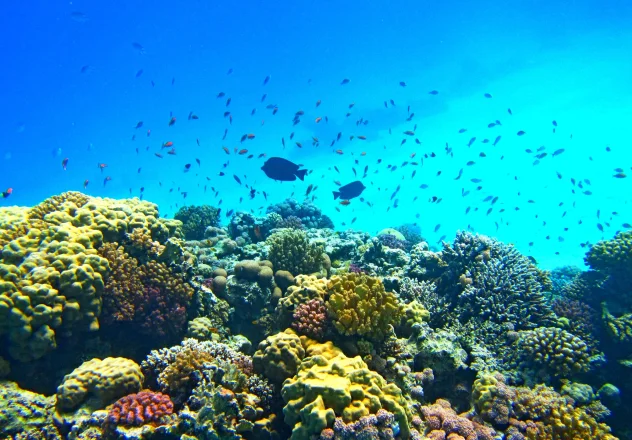
Welcome to the thrilling world of Diving Adventures, where the ocean becomes your playground, and exploration knows no bounds. Dive into the depths of the Deep, navigate the enchanting Shorelines, marvel at the majestic Walls, embrace the exhilarating Drift currents, and uncover the hidden treasures of the Muck.
Get ready to embark on an unforgettable journey beneath the waves, where every dive promises awe-inspiring encounters and unforgettable memories.
Deep Dive
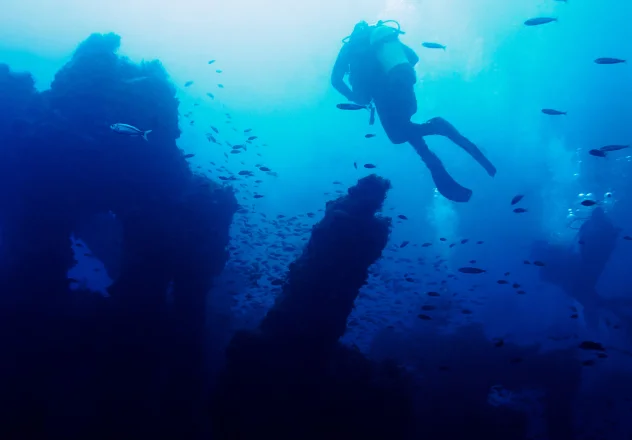
Deep dive refers to an immersive and thorough exploration or investigation into a particular subject or problem. It involves delving deeply into a topic’s intricate details, complexities, and underlying aspects to gain comprehensive insights and understanding.
It often involves rigorous examination, asking probing questions, and conducting in-depth research to acquire a comprehensive understanding of the subject matter, enabling informed decision-making and the development of innovative strategies.
Shore Dive
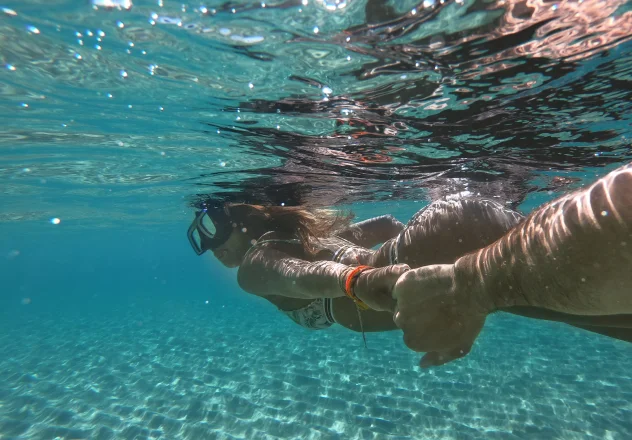
Shore diving is an exciting and accessible way to explore the underwater world. It involves entering the water from the shore and descending to explore the seagrass beds, kelp forests, and marine life beneath the surface.
Unlike boat dives, shore dives offer the convenience of diving at one’s own pace without the constraints of a fixed schedule. It provides an opportunity to discover hidden gems in coastal areas, offering divers a chance to witness vibrant underwater ecosystems, encounter colorful fish species, and even explore historical artifacts resting on the seabed.
Wall Dives
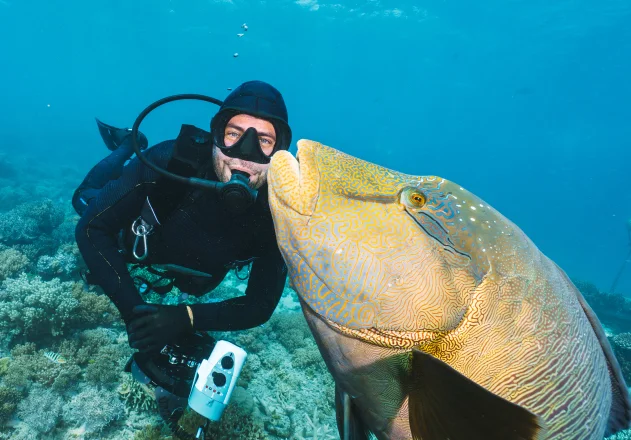
Wall dives are exhilarating and captivating underwater adventures that offer a unique perspective on the ocean’s mysteries. As scuba divers descend along the vibrant coral-covered walls, a sense of awe takes hold, accompanied by a rush of adrenaline.
Drifting effortlessly with the current, divers are treated to breathtaking encounters with colorful fish, graceful sea turtles, and intricate coral formations. The feeling of weightlessness, coupled with the grandeur of the deep blue abyss stretching beyond, makes wall dives into an unforgettable and immersive experience.
Drift Dives
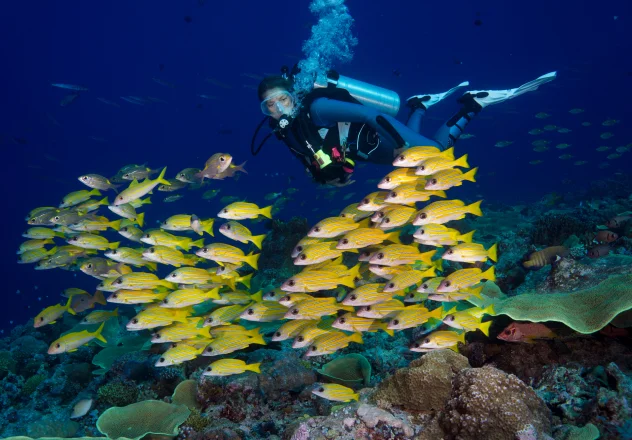
Drift dives are exhilarating underwater adventures that allow divers to explore the wonders of the ocean while being carried by ocean currents. In a drift dive, divers enter the water at a specific point and let the current gently propel them along the dive site, creating a sense of weightlessness and freedom.
These dives offer a unique opportunity to witness vibrant marine life, magnificent seafloors, and breathtaking underwater landscapes. Drift dives require careful planning and coordination to ensure diver safety, but they reward participants with an unforgettable experience showcasing the underwater world’s dynamic and captivating nature.
Macro Diving
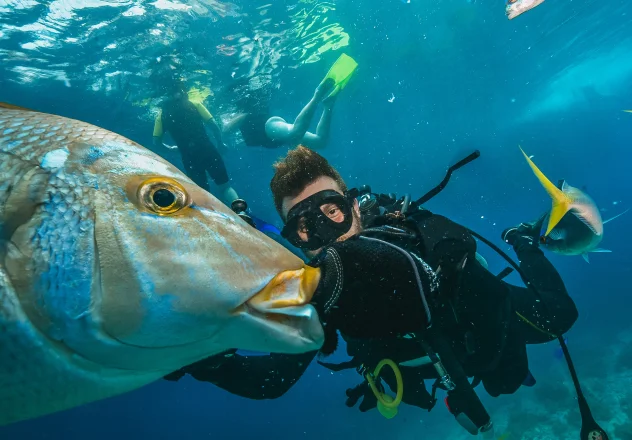
Macro diving is a captivating underwater adventure that unveils the hidden wonders of the minuscule marine world. It involves exploring the intricate details of the ocean’s tiniest inhabitants and their fascinating ecosystems.
Equipped with specialized gear, such as high-resolution cameras and macro lenses, divers can magnify the beauty of small organisms like colorful nudibranchs, delicate sea slugs, vibrant corals, and peculiar critters. With careful observation and patience, macro divers immerse themselves in a realm of extraordinary intricacy.
Muck Diving
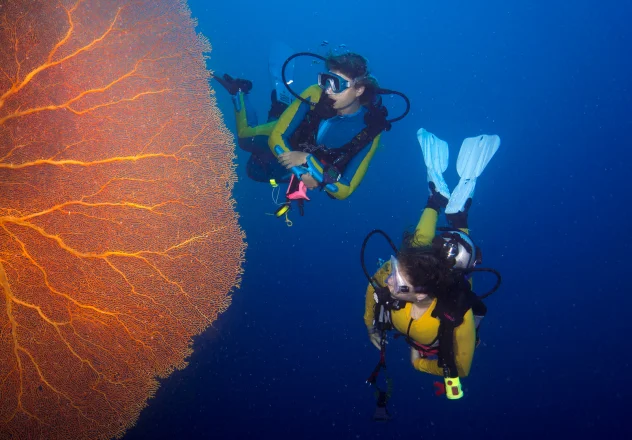
Muck diving is a fascinating and unique form of scuba diving that takes place in areas with sediment-rich seabeds, typically composed of volcanic ash, sand, or silt. Unlike traditional reef diving, muck diving explores these seemingly unremarkable environments to discover a hidden world teeming with extraordinary marine life.
Despite the murky appearance of the water, muck dive sites are often home to an incredible array of critters, including rare and elusive species such as seahorses, flamboyant cuttlefish, mimic octopuses, and colorful nudibranchs. Muck diving offers a thrilling and unconventional adventure for divers willing to delve into the bizarre and enchanting realm of the ocean’s bottom.
Frequently Asked Questions
Explore More
Ready to Dive With Us?
Browse our upcoming liveaboard trips and secure your spot on Indonesia’s finest diving vessel.
View Upcoming Trips