Wakatobi Liveaboard
World-Class Coral Reefs in Southeast Sulawesi
About
About Wakatobi Liveaboard
Wakatobi is a UNESCO Biosphere Reserve and one of the world's premier coral reef destinations. Named after its four main islands — Wangi-Wangi, Kaledupa, Tomia, and Binongko — Wakatobi boasts some of the highest marine biodiversity on the planet with over 750 coral species and 942 fish species.
Enjoy our Wakatobi liveaboard with free unlimited satellite internet and the best mixture of Enriched Air (NITROX) with the latest technology of Bauer PE 320B Membrane system compressor.
Our Trip Snapshot
Experience
The Wakatobi Diving Experience
Wakatobi sits at the heart of the Coral Triangle and offers diving that is simply unmatched in terms of reef health and coral diversity. The protected waters of this marine national park provide crystal-clear visibility and an astounding array of marine life, making it a paradise for both underwater photographers and marine biologists.
Pristine Coral Gardens
Wakatobi's coral reefs are considered among the healthiest on Earth. With over 750 species of coral — more than the entire Caribbean — the underwater landscape is a living tapestry of color. Table corals, branching corals, and massive barrel sponges create complex habitats teeming with life.
Macro & Critter Diving
The calm, clear waters make Wakatobi a macro photographer's dream. Pygmy seahorses, ghost pipefish, ornate ghost pipefish, blue-ringed octopus, and an incredible variety of nudibranchs are found throughout the dive sites.
Crystal Clear Visibility
Wakatobi is renowned for its exceptional water clarity, with visibility regularly reaching 30–50 meters. The calm conditions and minimal current at many sites make it accessible to divers of all levels, from beginners to seasoned professionals.
Dive Sites
Top Dive Sites in Wakatobi
Wakatobi's pristine reefs are among the healthiest on Earth — a UNESCO Biosphere Reserve where crystal-clear visibility and extraordinary coral diversity create unforgettable dives.
Roma (House Reef)
All LevelsAn 800-meter wall dropping to over 200 meters, accessible from shore. Pristine hard corals, macro critters, and superb night diving on one of the world's best house reefs.
Table Coral City
All LevelsA vast field of enormous table corals — some over 3 meters across — with resident turtles, reef fish, and extraordinary hard coral diversity.
Coral Garden
All LevelsOver 50 coral genera on a single shallow site with crystal-clear visibility — a photographer's dream for wide-angle coral seascape shots.
Fan 38°
IntermediateSpectacular sloping reef at precisely 38 degrees, covered in enormous gorgonian sea fans, with pygmy seahorses and schools of anthias.
Blade
IntermediateDramatic knife-edge ridge with soft corals, pygmy seahorses, and thick clouds of anthias along a narrow reef spine.
Turkey Beach
All LevelsShallow muck dive on volcanic sand with mimic octopus, wonderpus, frogfish, and rare critters — a world-class macro site.
Best Time to Visit
Wakatobi Diving Season Calendar
Wakatobi offers excellent diving virtually year-round, with peak clarity from April to November. Mild currents and warm waters make it ideal for divers of all levels.
| Month | Water Temp | Visibility | Currents | Highlight |
|---|---|---|---|---|
| Jan | 28°C | 20–30m | Mild | Wetter season |
| Feb | 28°C | 20–30m | Mild | Wetter season |
| Mar | 29°C | 25–35m | Mild | Season starts |
| Apr | 29°C | 30–40m | Mild | Peak visibility |
| May | 29°C | 30–50m | Mild | Best conditions |
| Jun | 28°C | 30–50m | Mild | Crystal clear |
| Jul | 27°C | 25–40m | Mild | Great diving |
| Aug | 27°C | 25–40m | Mild | Great diving |
| Sep | 27°C | 30–45m | Mild | Peak season |
| Oct | 28°C | 30–50m | Mild | Exceptional clarity |
| Nov | 29°C | 25–40m | Mild | Season ends |
| Dec | 29°C | 20–30m | Mild | Transition |
Recommended months for diving Wakatobi
Conditions
Water Conditions & Gear
Temperature
27–29°C (81–84°F)
Visibility
25–50m (80–165ft)
Currents
Mild to moderate — very manageable
Best Visibility
April – November (exceptional clarity)
Thermoclines
Very rare; stable warm waters
Suit
3mm full wetsuit
Certification
Open Water sufficient for most sites
Nitrox
Available for extended bottom times
Marine Life
What You’ll See in Wakatobi
As a UNESCO Biosphere Reserve, Wakatobi protects some of the most pristine and biodiverse reefs on the planet — over 750 coral species and 942 fish species thrive in these crystal-clear waters.
World-Class Coral
- 750+ coral species
- 942+ fish species
- Among the healthiest reefs on Earth
- UNESCO Biosphere Reserve
Macro Life
- Pygmy seahorses (multiple species)
- Mandarin fish
- Ornate ghost pipefish
- Mimic octopus
- Wonderpus
- Frogfish
Reef Fish
- Clownfish (many species)
- Anthias clouds
- Butterflyfish
- Angelfish
- Sweetlips
- Groupers
Turtles & Reptiles
- Green sea turtles (abundant)
- Hawksbill turtles
- Banded sea snakes
Pelagics
- Napoleon wrasse
- Barracuda
- Reef sharks
- Eagle rays
- Giant trevally
Travel
How to Get There
Wakatobi is accessible via Wangi-Wangi Airport (WNI), which receives flights from Makassar and Kendari. From Bali, connect through Makassar (approximately 2 hours) then fly to Wangi-Wangi (approximately 1.5 hours).
Our team provides full travel assistance to arrange your domestic flights. Airport-to-boat transfers in Wangi-Wangi are included in the trip price.
Departure Port: Wangi-Wangi Matahora Airport (WNI) — flights from Makassar and Kendari
Travel Tips
Tips for Travelers
Seasonal Planning
Wakatobi offers excellent diving year-round. The best conditions are from March to December, with peak visibility from April to June and September to November. Water temperatures stay between 27–29°C.
All Levels Welcome
Wakatobi suits divers of all levels thanks to calm conditions and minimal currents at most sites. Open Water certification is sufficient for the majority of dive sites.
Photography Equipment
Wakatobi is a macro photographer's paradise. Bring your best macro lenses and a good torch — the critter diversity and crystal-clear visibility create world-class underwater photography opportunities.
Eco-conscious Travel
Wakatobi is a UNESCO Biosphere Reserve. Follow responsible diving practices: maintain excellent buoyancy, never touch or stand on coral, and support the local conservation efforts that keep these reefs pristine.
Travel Essentials
Practical Travel Information
Visa
Visa on Arrival available for most nationalities (30 days, extendable once). Passport must be valid for 6+ months.
Currency
Indonesian Rupiah (IDR). ATMs are extremely limited in Wakatobi — bring all the cash you need from Bali or Makassar.
Language
Bahasa Indonesia is the national language. English is spoken by dive guides and crew on Neptune vessels.
Tipping
Customary to tip the crew. A guideline of $15–20 USD per guest per day is appreciated.
What to Pack
Macro photography gear (the reefs are incredible), reef-safe sunscreen, insect repellent, and personal medications.
Health
No mandatory vaccinations. Recommended: Hepatitis A/B, Typhoid. Dengue awareness — bring repellent.
Electricity
220V, 50Hz with Type C/F plugs (European style). Bring a universal adapter.
Time Zone
WITA (Central Indonesian Time), UTC+8.
Our Itinerary
Dive the Best of Wakatobi
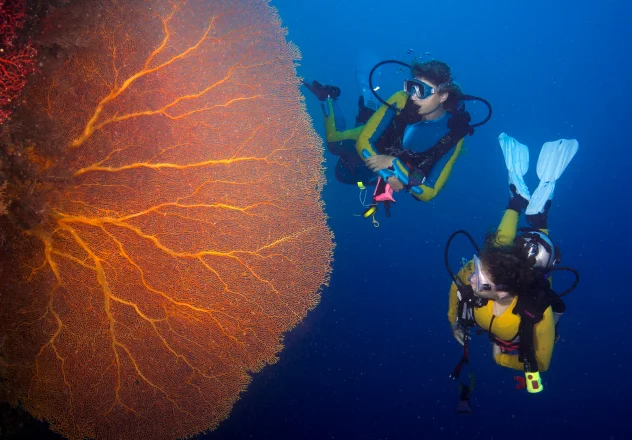
Our Wakatobi liveaboard explores the most spectacular dive sites across the four islands, from vibrant house reefs to deep walls and pristine coral gardens that showcase the highest marine biodiversity in the world.
See ScheduleYour Trip
What's Included & Excluded
What's Included
- Liveaboard accommodation
- Airport/Hotel Transfer
- Diving activities
- Three daily main meals
- Unlimited Satellite Internet
- Three main daily snacks
- All-day snacks, coffee / tea
- Tanks, weights, weight belts
- Snorkeling gear
- 4 on 1 diver to guide ratio
- SUP (Stand-up Paddle board)
- Kayaking
Not Included
- NITROX
- Equipment rental (BCD, Wetsuit, Regulator, etc)
- Single occupancy cabin
- Park & Port fees
- Private dive guide
- Alcoholic beverages & soft drinks
FAQ
Common Questions
When is the best time to dive Wakatobi?
Wakatobi offers excellent diving year-round. The best conditions are from March to December, with peak visibility from April to June and September to November. Water temperatures stay between 27–29°C.
What makes Wakatobi special for diving?
Wakatobi is a UNESCO Biosphere Reserve with over 750 coral species and 942 fish species. The reefs are among the healthiest on Earth, with crystal-clear visibility regularly reaching 30–50 meters.
What certification level is needed?
Wakatobi is suitable for all levels. Open Water certification is sufficient for most sites. The calm conditions and minimal currents make it ideal for beginners and advanced divers alike.
How do I get to Wakatobi?
Fly to Wangi-Wangi (Matahora Airport, WNI) via Makassar or Kendari. From Bali, connect through Makassar. Our team provides full travel assistance.
Is Wakatobi good for photography?
Wakatobi is outstanding for both macro and wide-angle photography. The crystal-clear visibility, healthy reefs, and diverse critter life create world-class conditions for underwater imaging.
Explore More
See Other Destinations
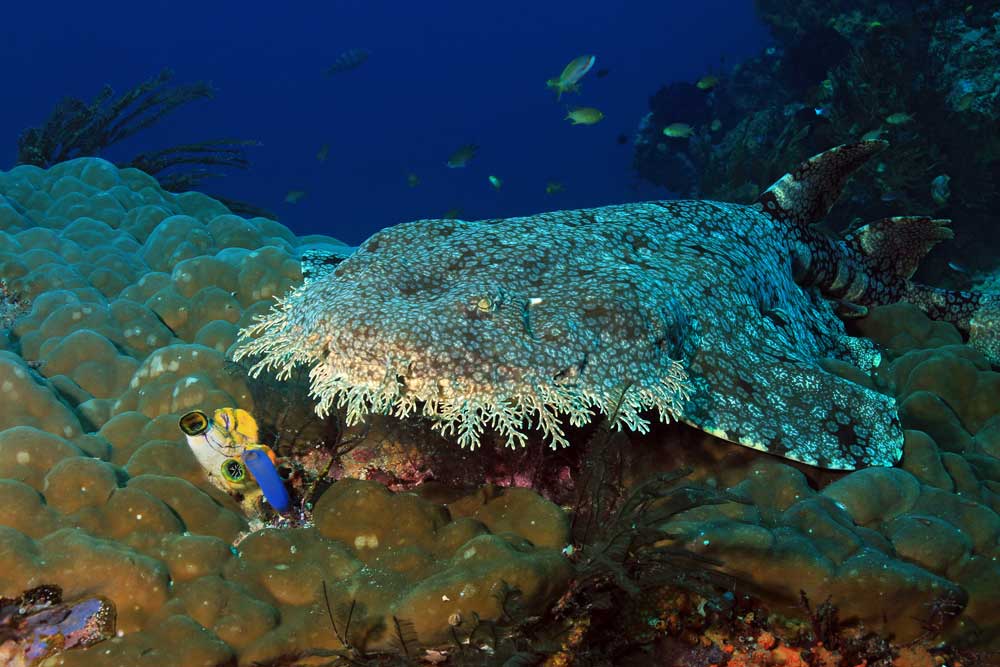
Raja Ampat
At the heart of the Coral Triangle, Raja Ampat holds record marine biodiversity with over 1,500 fish species and legendary coral gardens.
Explore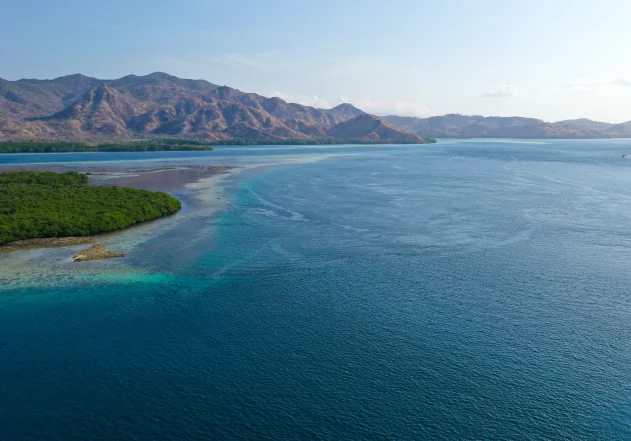
Halmahera
North Maluku's largest island offers untouched reefs, WWII wrecks, and rare marine life in waters that remain a true frontier for divers.
Explore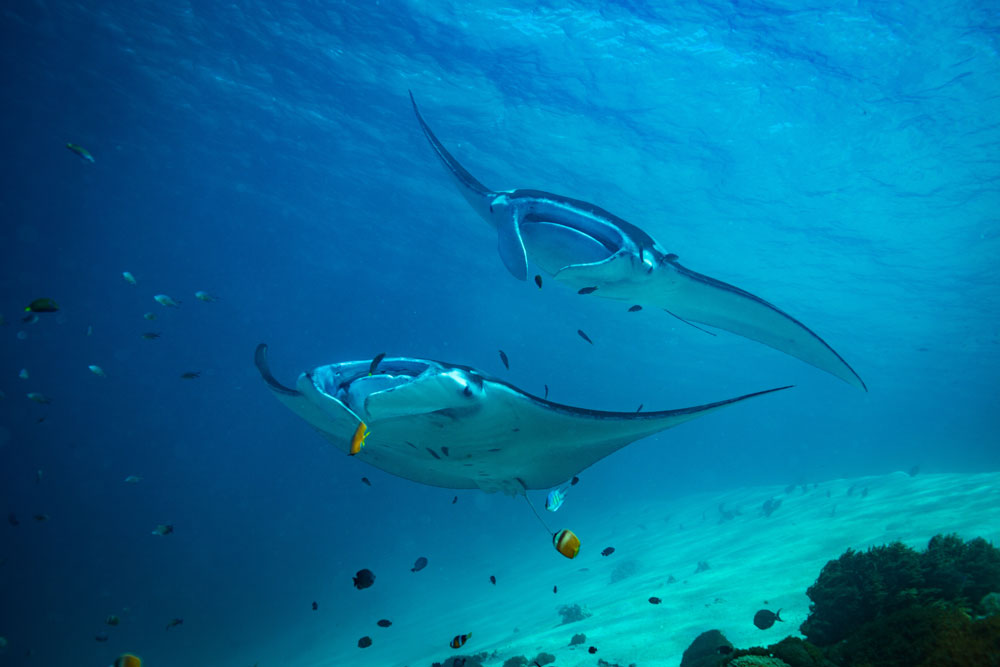
Komodo
A UNESCO World Heritage Site, Komodo National Park is home to the iconic Komodo dragons and offers equally impressive underwater wonders.
Explore