Halmahera Liveaboard
Unexplored Reefs of North Maluku
About
About Halmahera Liveaboard
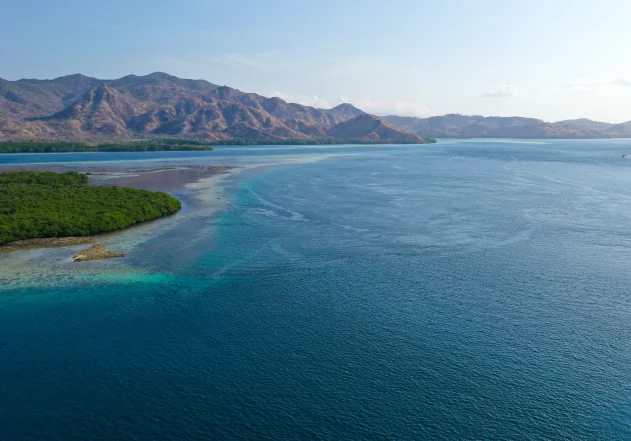
Halmahera is the largest island in the Maluku archipelago and one of Indonesia's last true diving frontiers. Located in North Maluku, this remote destination offers virtually untouched coral reefs, WWII wreck diving, and encounters with rare marine species in waters that few divers have ever explored.
Enjoy our Halmahera liveaboard with free unlimited satellite internet and the best mixture of Enriched Air (NITROX) with the latest technology of Bauer PE 320B Membrane system compressor.
Our Trip Snapshot
Experience
The Halmahera Diving Experience
Halmahera is a destination for the adventurous diver seeking truly unexplored waters. The island's position at the crossroads of the Pacific and Indian oceans creates incredibly rich marine ecosystems. From WWII wrecks to walking sharks, Halmahera delivers dive experiences that are impossible to find anywhere else.
WWII Wreck Diving
Halmahera's waters hold a treasure trove of WWII wrecks from the Pacific Theater. Japanese fighter planes, cargo ships, and submarines rest on the seabed, now covered in vibrant coral growth and teeming with marine life — offering a hauntingly beautiful underwater museum.
Walking Sharks & Rare Species
Halmahera is one of the few places in the world where you can encounter the endemic Halmahera walking shark (Hemiscyllium halmahera). Night dives reveal this remarkable species alongside blue-ringed octopus, bobtail squid, and a stunning array of critters.
Pristine Untouched Reefs
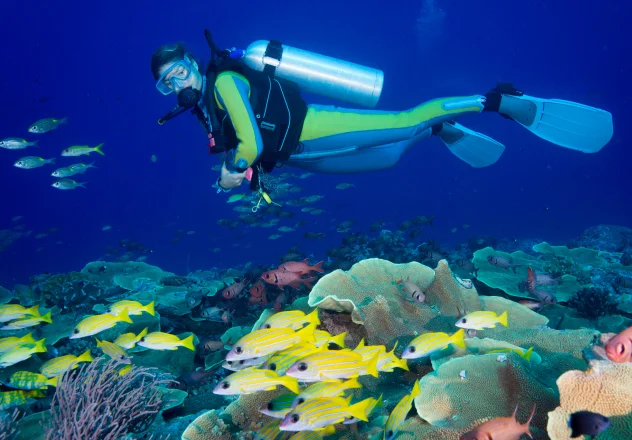
With minimal diving tourism, Halmahera's coral reefs remain in extraordinary condition. Massive sea fans, pristine hard coral gardens, and walls draped in soft corals host an abundance of reef fish, schooling barracuda, reef sharks, and turtles.
Dive Sites
Top Dive Sites in Halmahera
From endemic walking sharks to coral-encrusted WWII wrecks, Halmahera offers a unique blend of natural history and underwater exploration found nowhere else.
Walking Shark Bay
All LevelsNight dive site for the endemic Halmahera walking shark (Hemiscyllium halmahera) — found nowhere else on Earth. A once-in-a-lifetime encounter on a shallow reef.
Japanese Zero Wreck
IntermediateWWII Japanese fighter plane resting on a coral-encrusted slope, now home to schools of batfish, lionfish, and colorful soft corals growing on the fuselage.
Cargo Ship Wreck
AdvancedLarge Japanese cargo vessel from the Pacific Theater, covered in vibrant soft corals and sponges, with barracuda schools and large groupers in residence.
Lava Reef
All LevelsVolcanic lava formations colonized by vibrant hard and soft corals, with excellent macro life including nudibranchs, frogfish, and ghost pipefish.
Dodola Island
All LevelsTwin islands connected by a sandbar with pristine shallow reefs, abundant reef fish, and beautiful coral gardens perfect for relaxed diving.
Submarine Wreck
AdvancedJapanese submarine from WWII resting upright on the seabed, encrusted with coral and home to large groupers, moray eels, and batfish.
Best Time to Visit
Halmahera Diving Season Calendar
The diving season in Halmahera runs from March to November, with peak conditions from July to October offering the best visibility and calmest seas.
| Month | Water Temp | Visibility | Currents | Highlight |
|---|---|---|---|---|
| Jan | 29°C | 15–20m | Moderate | Wetter season |
| Feb | 29°C | 15–20m | Moderate | Wetter season |
| Mar | 29°C | 20–25m | Mild | Season opens |
| Apr | 29°C | 20–25m | Mild | Good conditions |
| May | 29°C | 20–30m | Mild | Great visibility |
| Jun | 28°C | 20–30m | Mild | Great diving |
| Jul | 28°C | 25–30m | Mild | Peak season |
| Aug | 27°C | 25–30m | Mild | Peak season |
| Sep | 28°C | 25–30m | Mild | Peak visibility |
| Oct | 28°C | 20–30m | Mild | Excellent |
| Nov | 29°C | 15–25m | Moderate | Season ends |
| Dec | 29°C | 15–20m | Moderate | Wetter season |
Recommended months for diving Halmahera
Conditions
Water Conditions & Gear
Temperature
27–30°C (81–86°F)
Visibility
15–30m (50–100ft)
Currents
Mild to moderate — generally gentle
Best Visibility
July – October
Thermoclines
Rare; warm and consistent
Suit
3mm full wetsuit
Certification
Open Water for most sites, Advanced for wrecks
Nitrox
Available for wreck and repetitive dives
Marine Life
What You’ll See in Halmahera
Halmahera is a frontier destination where endemic species, WWII history, and pristine reefs converge — highlighted by the incredible Halmahera walking shark found nowhere else on Earth.
Endemic Species
- Halmahera walking shark (found nowhere else)
- Mandarin fish
- Flasher wrasse
- Unique nudibranch species
WWII Wrecks
- Japanese fighter planes
- Cargo ships
- Submarines
- All colonized by coral & marine life
Macro Life
- Nudibranchs
- Frogfish
- Ghost pipefish
- Pygmy seahorses
- Blue-ringed octopus
Reef Life
- Pristine hard corals
- Massive barrel sponges
- Gorgonian sea fans
- Anthias clouds
- Sweetlips
Pelagics
- Reef sharks
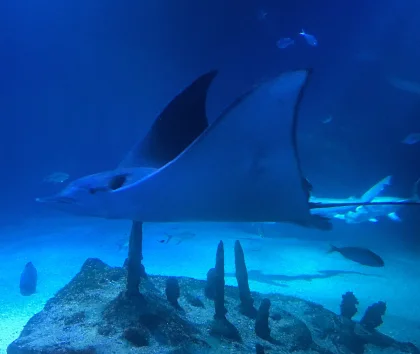
- Eagle rays
- Barracuda schools
- Giant trevally
- Napoleon wrasse
Travel
How to Get There
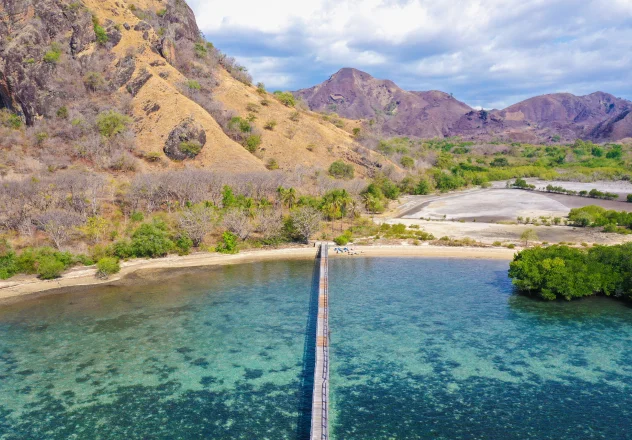
Halmahera liveaboard trips typically depart from Ternate, a historic spice island off Halmahera's west coast. Sultan Babullah Airport (TTE) in Ternate receives daily flights from Jakarta, Manado, and Makassar.
Our team provides full travel assistance to arrange your domestic flights and connections. Airport-to-boat transfers in Ternate are included in the trip price.
Departure Port: Ternate Sultan Babullah Airport (TTE) — daily flights from Jakarta and Manado
Travel Tips
Tips for Travelers
Seasonal Planning
The best time to dive Halmahera is from March to November, avoiding the monsoon season. October and November offer the best visibility and calmest seas. Water temperatures range from 27–30°C.
Travel Insurance
Halmahera is a remote destination with limited medical facilities. Comprehensive travel and dive insurance with emergency evacuation coverage is strongly recommended.
Dive Preparation
Intermediate to advanced certification is recommended. Wreck penetration requires appropriate training. Night diving experience is valuable for walking shark encounters.
Eco-conscious Travel
Halmahera's reefs are virtually untouched. Help keep them that way by following strict no-touch diving practices, not removing any artifacts from wrecks, and minimizing your environmental impact.
Travel Essentials
Practical Travel Information
Visa
Visa on Arrival available for most nationalities (30 days, extendable once). Passport must be valid for 6+ months.
Currency
Indonesian Rupiah (IDR). ATMs available in Ternate — withdraw cash before heading to Halmahera.
Language
Bahasa Indonesia is the national language. English is spoken by dive guides and crew on Neptune vessels.
Tipping
Customary to tip the crew. A guideline of $15–20 USD per guest per day is appreciated.
What to Pack
Night diving torch (essential for walking shark encounters), wreck reel, reef-safe sunscreen, insect repellent, and camera.
Health
Malaria prophylaxis recommended. No mandatory vaccinations. Recommended: Hepatitis A/B, Typhoid.
Electricity
220V, 50Hz with Type C/F plugs (European style). Bring a universal adapter.
Time Zone
WIT (Eastern Indonesian Time), UTC+9.
Our Itinerary
Discover Halmahera's Hidden Wonders
Our Halmahera liveaboard explores the best dive sites around this vast island, from WWII wreck sites to remote coral gardens and walking shark habitats. Itineraries often combine Halmahera with nearby Ternate and Morotai.
See ScheduleYour Trip
What's Included & Excluded
What's Included
- Liveaboard accommodation
- Airport/Hotel Transfer
- Diving activities
- Three daily main meals
- Unlimited Satellite Internet
- Three main daily snacks
- All-day snacks, coffee / tea
- Tanks, weights, weight belts
- Snorkeling gear
- 4 on 1 diver to guide ratio
- SUP (Stand-up Paddle board)
- Kayaking
Not Included
- NITROX
- Equipment rental (BCD, Wetsuit, Regulator, etc)
- Single occupancy cabin
- Park & Port fees
- Private dive guide
- Alcoholic beverages & soft drinks
FAQ
Common Questions
When is the best time to dive Halmahera?
March to November offers the best conditions, with October and November providing peak visibility and calmest seas. Water temperatures range from 27–30°C year-round.
Can I see walking sharks in Halmahera?
Yes! Halmahera is home to the endemic Halmahera walking shark (Hemiscyllium halmahera). Night dives offer the best chances to observe this remarkable species in its natural habitat.
What WWII wrecks can be explored?
Halmahera's waters contain Japanese fighter planes, cargo ships, and submarines from the Pacific Theater. These wrecks are now covered in coral and teeming with marine life, creating unique dive experiences.
How do I get to Halmahera?
Fly to Ternate (Sultan Babullah Airport, TTE) via Jakarta or Manado. Ternate receives daily flights and serves as the departure point for liveaboard trips. Our team arranges transfers.
What dive experience level is recommended?
Intermediate to advanced certification is recommended. Wreck penetration requires appropriate training. Night diving experience is valuable for walking shark encounters.
Explore More
See Other Destinations
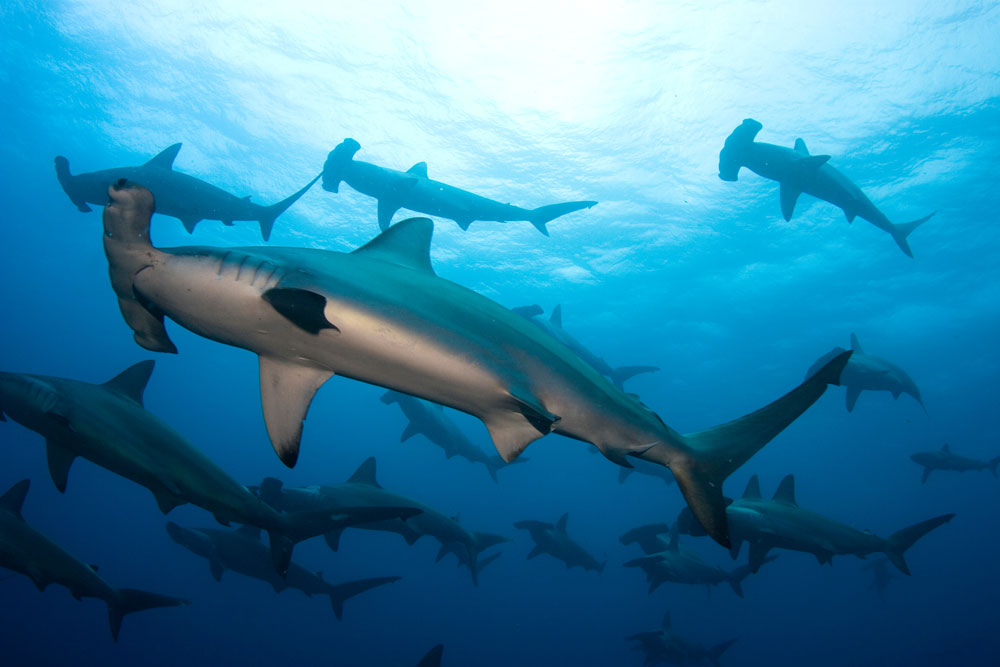
Banda Sea
With its volcanic islands and deep waters, the Banda Sea is home to hammerhead sharks, sea snakes, and vibrant coral gardens.
Explore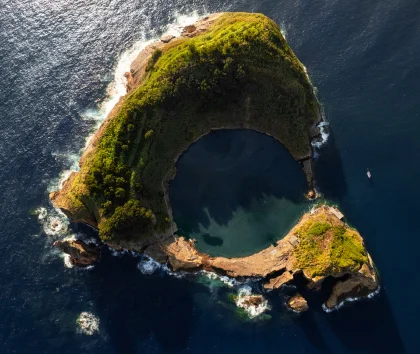
Wakatobi
A UNESCO Biosphere Reserve with pristine coral reefs and exceptional marine biodiversity in the heart of the Coral Triangle.
Explore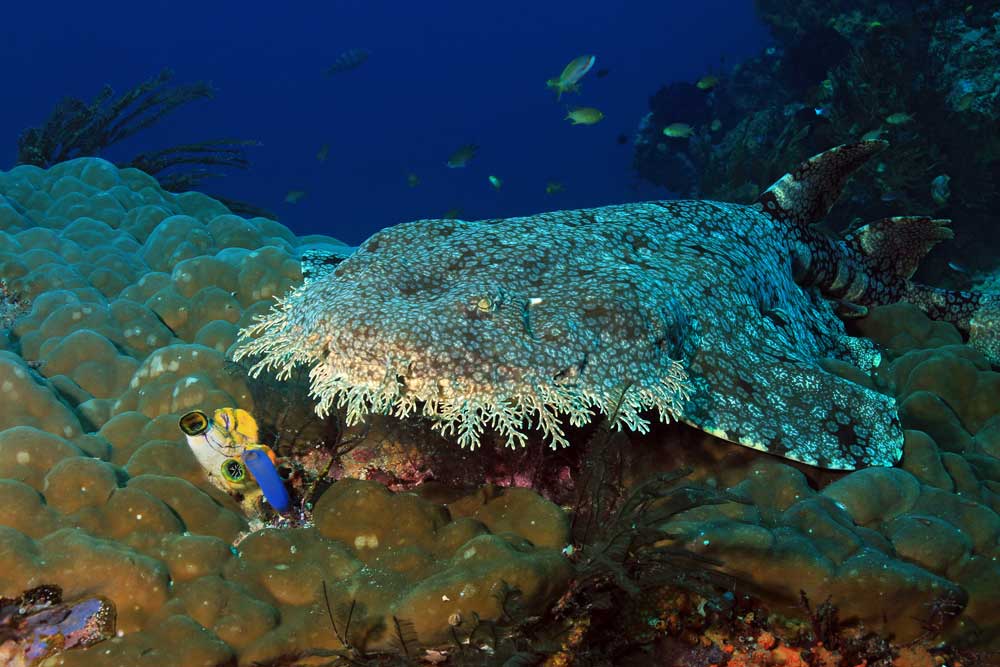
Raja Ampat
Raja Ampat is renowned for its incredible biodiversity, with over 75% of the world's coral species and more than 1,500 fish species.
Explore