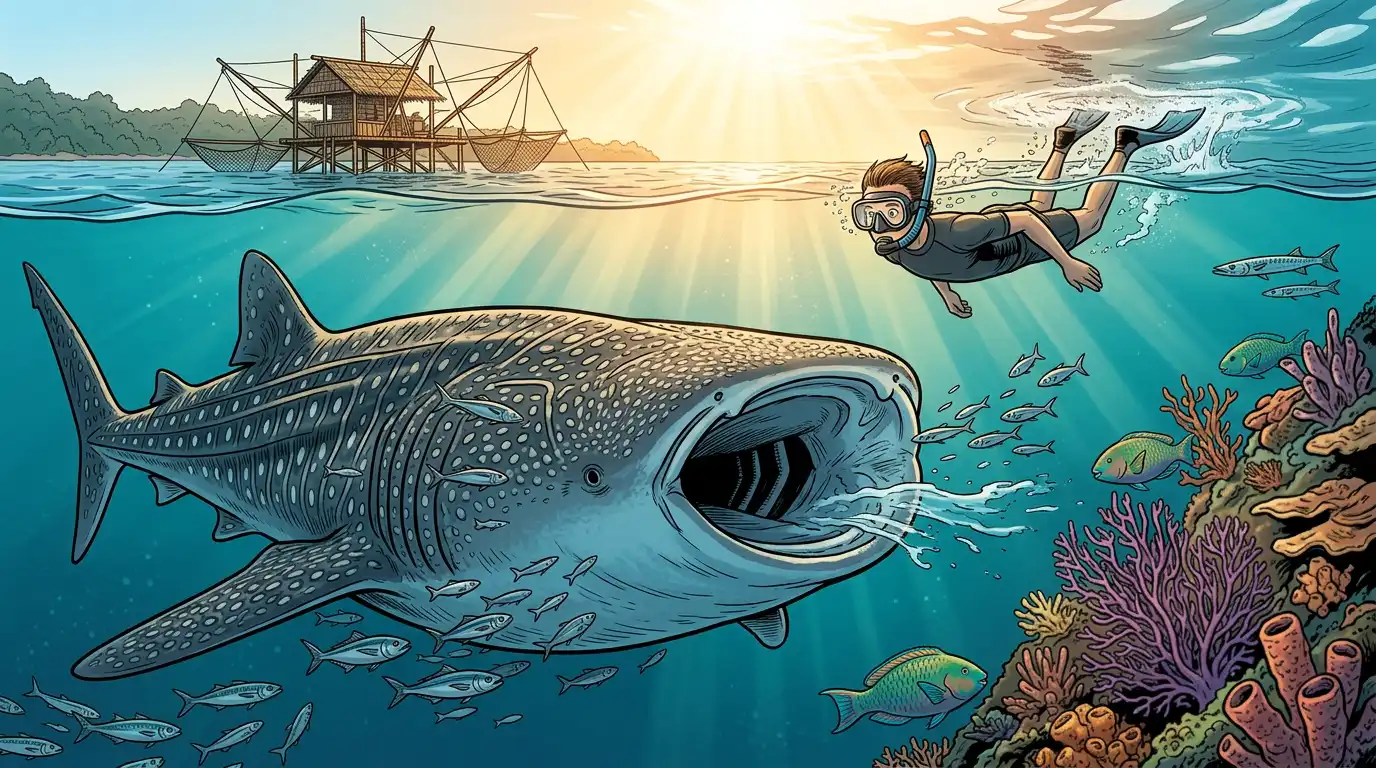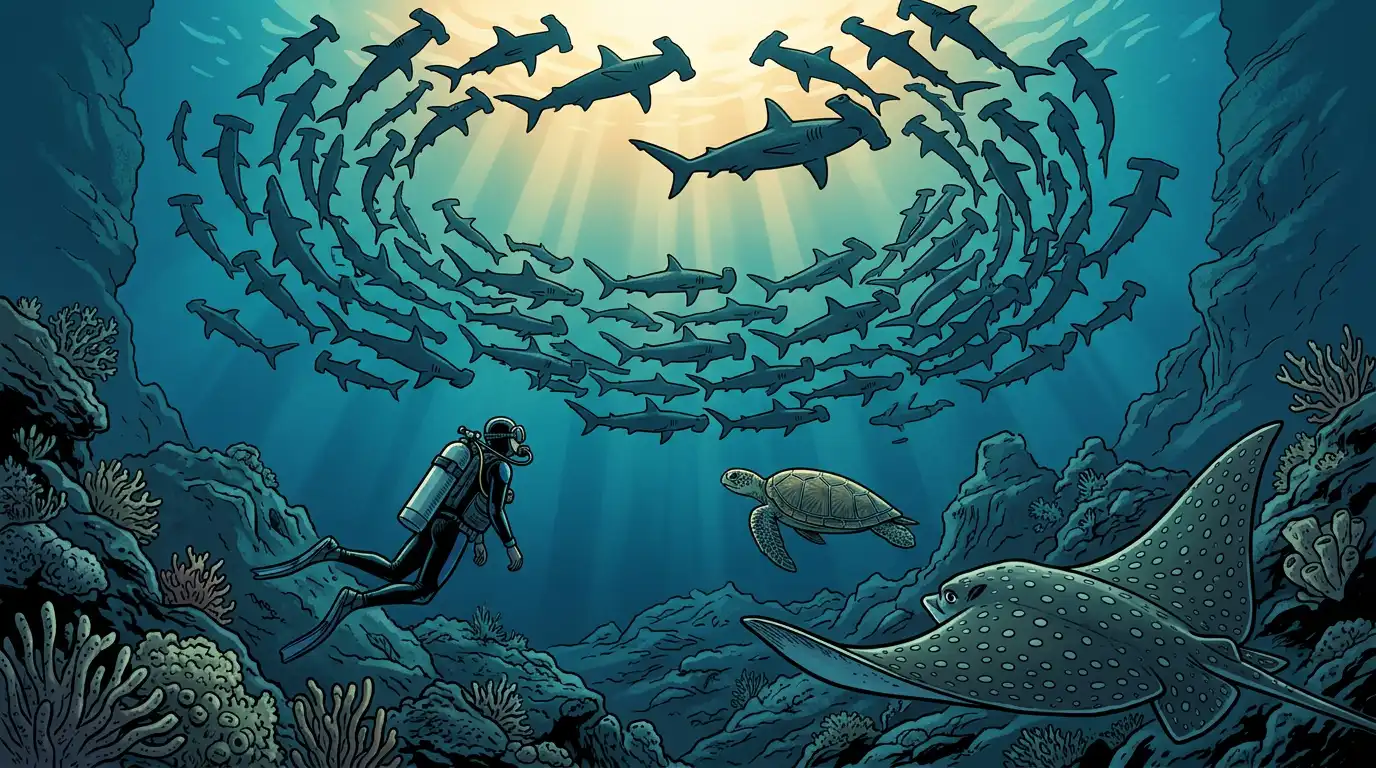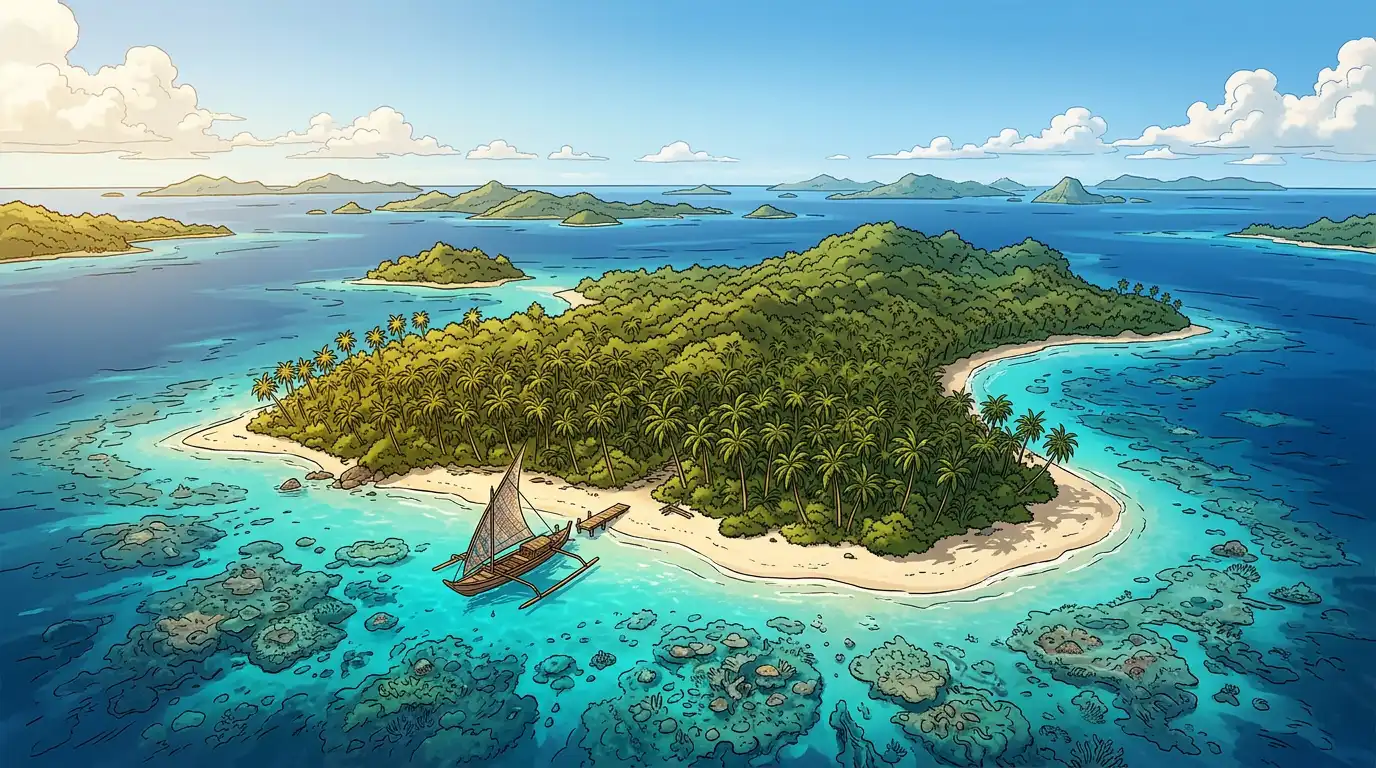
Wakatobi Indonesia is one of the best places in the world to go diving. It is a marine national park that covers 1.39 million hectares in the Coral Triangle, which is the most biodiverse marine area on the planet. This far-off group of islands in Southeast Sulawesi has beautiful coral reefs, more than 900 kinds of fish, and underwater experiences that made Jacques Cousteau call it a "Underwater Nirvana."
With this article we will share what divers need to know about exploring Wakatobi island and Wakatobi diving. It covers everything from how to get to the park's conservation significance to how to go across the four main islands, compare resort and liveaboard alternatives, and plan logistics for this isolated area. The content is for intermediate to advanced divers looking for world-class diving, liveaboard fans exploring Indonesian seas, and marine conservation travelers who want to learn about responsible reef tourism.
Wakatobi Indonesia is a protected marine national park in Southeast Sulawesi. It has 750 coral species, 942 fish species, and Indonesia's largest barrier reef system. This makes it one of the most biodiverse diving spots on Earth. You can get there by direct flight from Bali or by liveaboard expeditions.
Understanding Wakatobi National Park
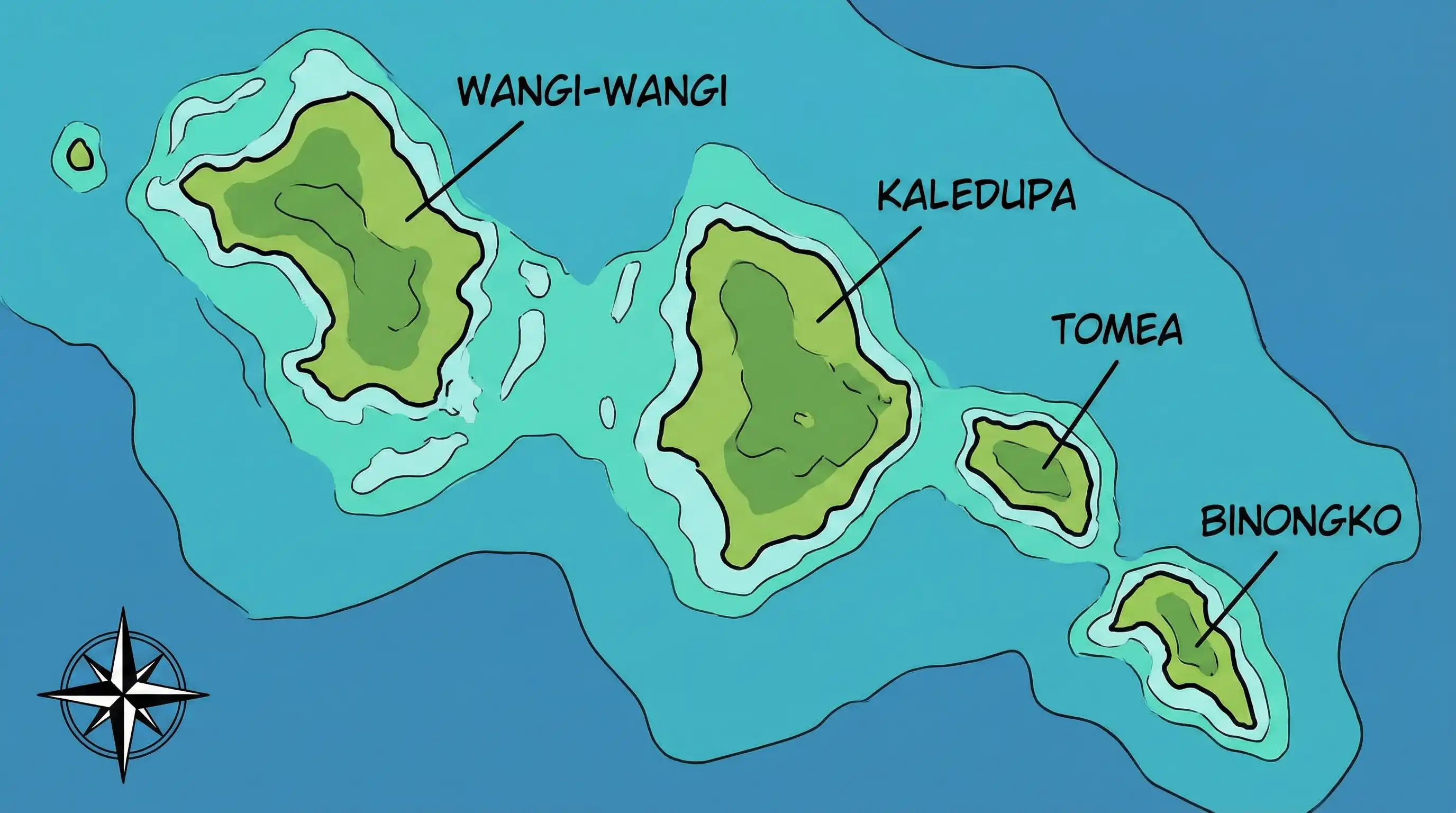
The name Wakatobi island comes from the four main islands that make up the island: Wangi-Wangi, Kaledupa, Tomia, and Binongko. The Tukangbesi Islands, which means "blacksmith" in reference to traditional ironworking, are located between the Banda Sea and Flores Sea at 5°42′S 124°00′E.
Marine Park Status and Conservation
Wakatobi National Park was set up in 1996 to protect marine life and was officially named Indonesia's third-largest marine park in 2002. The protected area covers 1.39 million hectares, which includes 900,000 hectares of tropical coral reefs that make up Indonesia's greatest barrier reef system. This system is second only to Australia's Great Barrier Reef in size.
UNESCO added Wakatobi to the World Network of Biosphere Reserves in 2012 and put it on the tentative list of World Heritage Sites in 2005. These designations show that conservation efforts have worked, as local fishing communities enforce no-fishing zones in exchange for a piece of the money made by dive tourists. This technique has helped the archipelago's 113,122 residents make a living while also keeping the ecosystem stable.
One success story in conservation is the coral nursery programs started by places like Wakatobi Dive Resort, which does reef restoration and gives money to communities as part of its regenerative tourism policies.
Biodiversity and Marine Life
The marine life numbers for Wakatobi make both divers and marine researchers excited. The park has:
- 942 fish species documented across reef systems
- 750 coral species out of approximately 850 known globally
- Over 900 reef fish species and countless invertebrates
- Endemic species found nowhere else on Earth
The Caribbean has about 50 coral species, while the Red Sea has about 300. Wakatobi has 750 types of coral, which is about 90% of all coral species on Earth. All of these species are found in a single protected region.
Researchers and divers are still finding new aquatic species as they explore parts of the archipelago that few people visit. This amazing variety of marine life leads to diving experiences that are unlike any other, where you can see dozens of species in perfect reef conditions on just one dive.
Diving Experiences in Wakatobi
Wakatobi has protected and thriving reef systems for almost 30 years, which divers can now explore thanks to this conservation work. As a result, there are always great prospects for underwater photography and scuba diving.
Signature Dive Sites
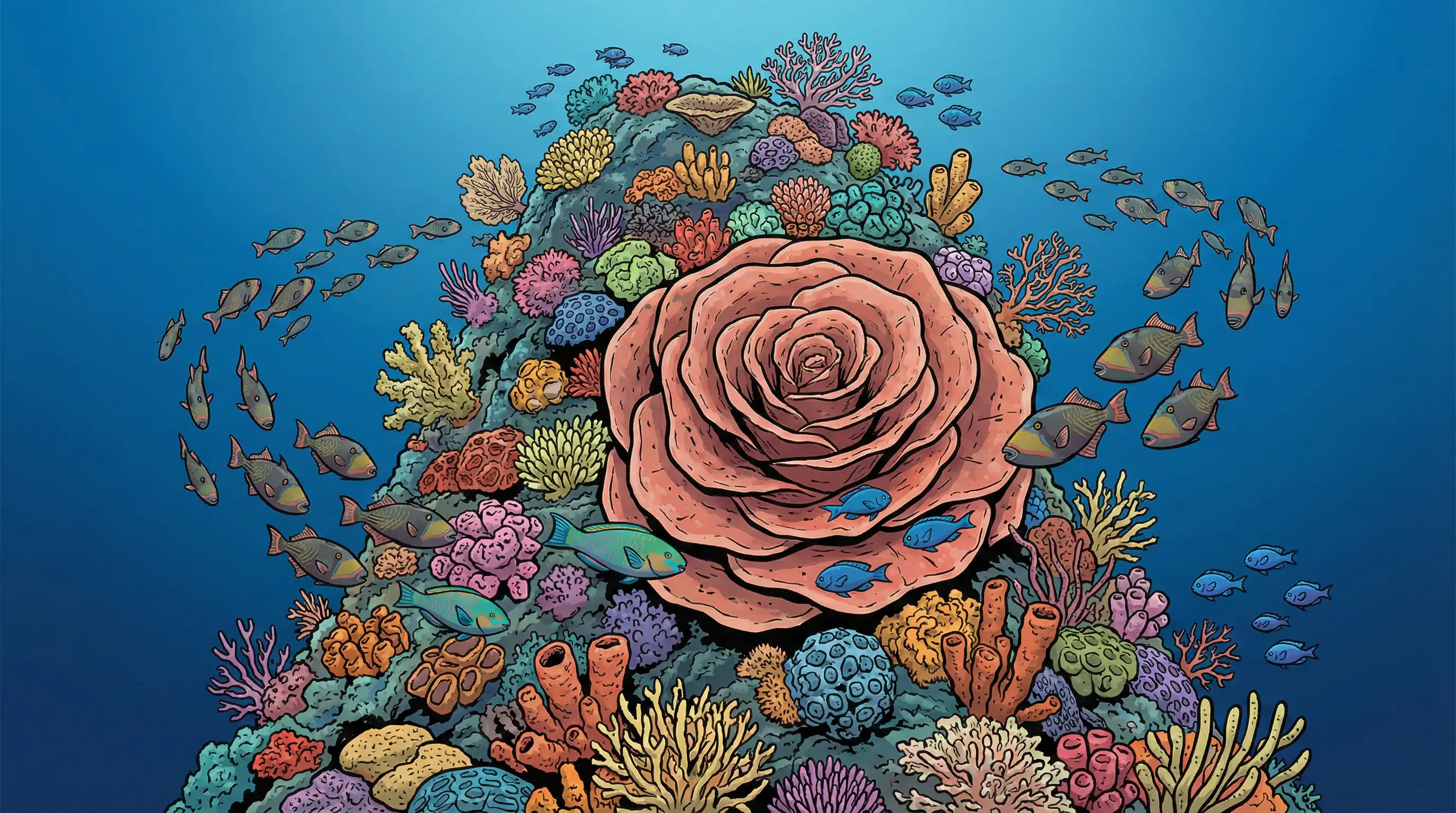
Tomia Island's Roma Reef This underwater mountain has huge potato coral formations that rise from deep water. They attract schools of fish, reef sharks, and amazing macro life. Roma is the most striking place to dive in Wakatobi, with steep cliffs plummeting down into turquoise sea.
Tolandono Island's Turkey Beach A place to drift dive that has a lot of coral and is often visited by turtles. This is one of the best places to take underwater photos because the conditions are easy and there is a lot of marine life.
Fan 38 East and West (Lintea Island) Wall dives are covered in huge gorgonian soft corals that are several meters wide. Wide-angle photographers looking for stunning shots of coral structure and marine life flock to these places.
The House Reef Adventure Several businesses, such as Wakatobi Dive Resort, keep access to amazing house reef diving right from the beach. These fringing reefs let you explore as much as you want without having to worry about dive boat logistics. This is great for those who prefer muck diving and macro diving between planned trips.
Zoo Site: A special place for muck diving where macro photographers can see ghost pipefish, pygmy seahorses, moray eels, and a lot of nudibranchs. One dive here can bring up dozens of uncommon marine life subjects that make critter hunters excited.
Diving Conditions and Seasons
Wakatobi Island has good diving conditions all year round:
| Factor | Details |
|---|---|
| Water Temperature | 26-30°C (79-86°F) throughout the year |
| Visibility | Commonly 30+ meters in clear Banda Sea waters |
| Currents | Generally mild, suitable for all levels |
| Peak Seasons | March-May and September-November |
| Wet Season | October-April (variable conditions but still diveable) |
During the wet season, it rains sometimes and visibility is lower at some places, although many divers go to Wakatobi all year round. During the off-peak times, you can often dive at areas that are less crowded and only for you.
Underwater Photography Opportunities
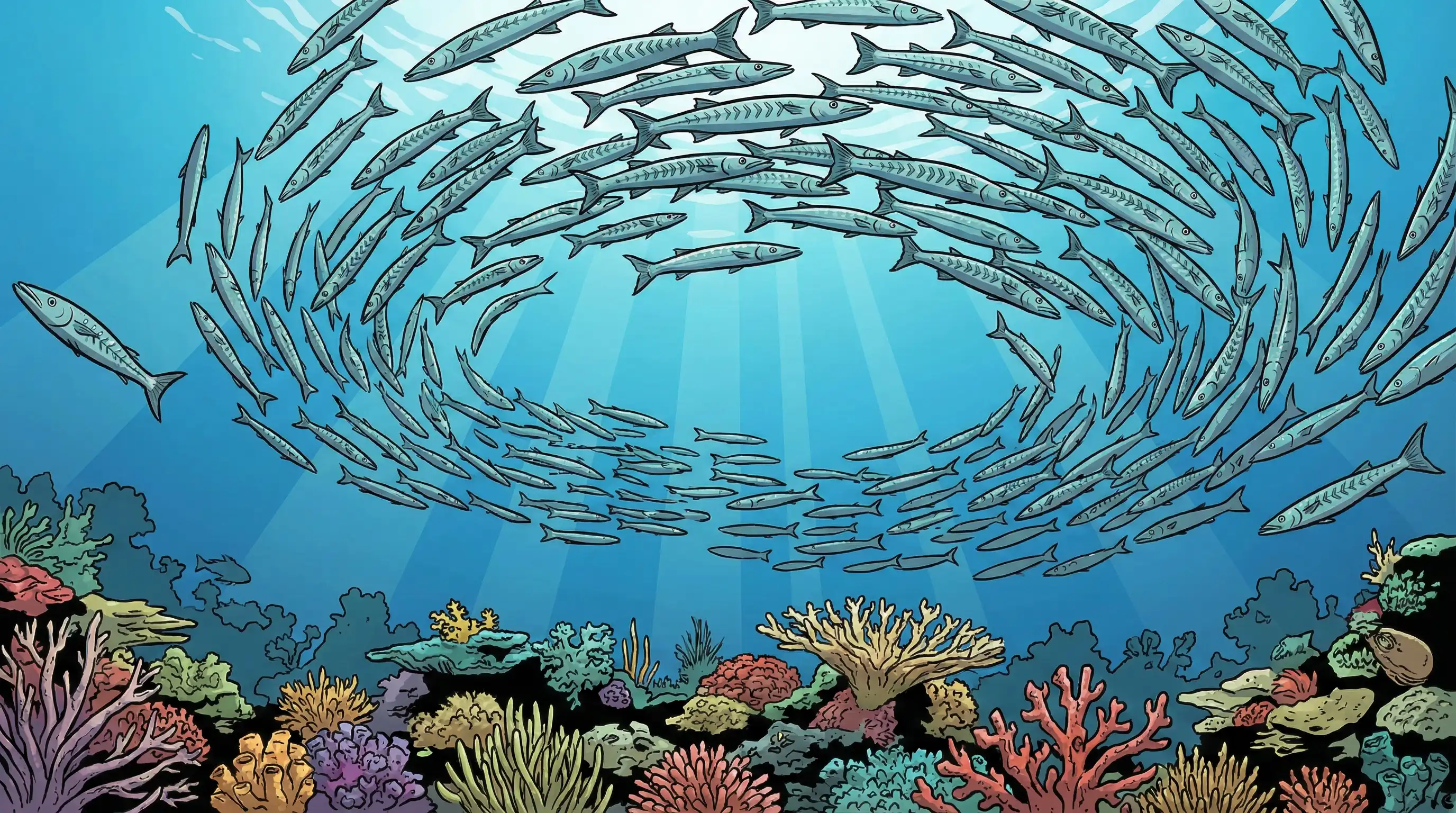
Wakatobi Island is known as a great place for both macro photographers and wide-angle photographers to locate interesting subjects. The perfect conditions are created by the combination of clear water, clean reefs, and a lot of uncommon marine species.
Macro Diving Highlights:
- Pygmy seahorses on gorgonian fans
- Ghost pipefish among debris and coral rubble
- Nudibranchs in extraordinary variety
- Frogfish, mantis shrimp, and ornate octopus
Wide Angle Opportunities:
- Massive sponge and coral formations
- Schooling fish along wall dives
- Turtle encounters at multiple sites
- Coral gardens with exceptional coverage
Most dive companies offer professional briefings that go over the best places to take pictures and the best conditions for doing so. This helps tourists get the most out of their underwater photography time.
How to Dive Wakatobi: Resorts vs Liveaboards
When deciding between staying at a land-based dive resort or going on a liveaboard dive trip, you need to think about what's most important to you: the peaceful island setting and facilities of a fixed location or the wide range of sites and excitement of a mobile platform.
Land-Based Dive Resorts
Wakatobi Dive Resort (Tolandono Island) Wakatobi Resort is the main business in the archipelago. It has five-star amenities like direct flights from Bali, luxurious rooms, a spa, and access to an amazing house reef. Guests can go diving on the shore as often as they want and take planned dive boat trips to nearby destinations.
Tomia Island Operations There are a number of dive companies on Tomia Island that can take you to more than 40 dive spots near this island paradise. There has been a lot of progress made in the infrastructure here. There are now pleasant places to stay, ranging from boutique to luxury, dining options that include both local and international food, and a full range of equipment rentals.
Resort Benefits:
- Consistent base with comfortable recovery between dive adventures
- Spa facilities and land-based activities
- Cultural excursions to local villages
- Ideal for non-diving companions
- Often includes Nitrox courses and training opportunities
Liveaboard Diving Options
Indonesia liveaboard boats are the best way for divers to get to all parts of the Wakatobi archipelago. These operations can go to places that day boats can't reach, and they can visit two or more sites that are far away in one trip.
King Neptune Diving Crossing Trips King Neptune Diving runs amazing crossing trips that connect several world-class areas in Indonesian waters for the most daring diving adventures. They go on the following routes:
- Komodo-Alor-Wakatobi crossings: Chain Komodo’s manta rays and current-swept sites with Alor’s volcanic drop-offs before arriving at Wakatobi’s pristine coral reefs
- Wakatobi-Ambon (Banda Sea) routes: Connect Wakatobi’s biodiversity with the historic wrecks and unique marine life of the Banda Sea
These trips last 10 to 14 days and let divers see all of Indonesia's marine life without having to deal with the hassle of flying and transferring between destinations. Professional crews make sure everyone is safe on long trips across the ocean to places in the Coral Triangle that don't get a lot of visitors.
Travel Logistics and Access
Flight Routes to Wakatobi:
- Primary gateway: Bali (Ngurah Rai International Airport/DPS)
- Connection through Makassar (Hasanuddin Airport) or Kendari (Haluoleo Airport)
- Final destination: Matahora Airport (WNI) on Wangi Wangi Island
- Some operations offer direct flight charters from Bali
You need to book flights to this faraway place ahead of time, usually 2 to 3 months in advance during busy times. As the trip dates get closer, flexibility lessens because there are fewer seats on smaller planes.
Comparison: Resort vs Liveaboard
| Factor | Dive Resort | Liveaboard |
|---|---|---|
| Cost (per day) | $300-500 USD inclusive | $350-600 USD inclusive |
| Dive Site Access | Local sites + day boat range | Entire archipelago + crossings |
| Comfort Level | Hotel-style rooms, fixed dining area | Cabin accommodations, communal |
| Dives Per Day | 3-4 plus unlimited house reef | 3-4 scheduled |
| Best For | Relaxation + diving, non-diving guests | Maximum site coverage, photography |
| Flexibility | Fixed schedule, weather dependent | Can relocate to conditions |
Common Challenges and Solutions
Wakatobi's distant position protects its beautiful reefs, but it also makes things harder for people who want to visit.
Limited Flight Access and High Costs
It takes a lot of planning and numerous planes to get to Wakatobi. Seats on the last flight to Wangi Wangi Island fill up rapidly, and the prices are more than usual for domestic flights in Indonesia.
It is best to book flights 2–3 months ahead of time, especially during the busy times of March to May and September to November. If you want to avoid the hassle of connecting flights, think about liveaboard choices like King Neptune that leave from Bali. These options will also add diving in Komodo and Alor diving to your trip.
Remote Location and Medical Facilities
Wakatobi island offers rudimentary medical facilities, however if you are hurt while diving, you need to be taken to bigger clinics in Makassar or Bali. The asphalt pier on Wangi Wangi is the main site of infrastructure, however there aren't many medical resources available.
Before you leave, make sure you have full diving insurance that covers evacuation. Bring your own medications and any special tools you need. Major diving companies keep oxygen and first aid equipment on hand, and all guests are strongly encouraged to join DAN.
Weather and Seasonal Planning
From October to April, the rainy season can bring changing weather, less visibility, and sometimes strong waves that make it hard for dive boats to move between islands. But you can still dive all year round if you have the right expectations.
When you can, plan your trip around the best times of year. But know that Wakatobi is a great place to visit even during the shoulder seasons. Operations on Hoga Island, Tomia Island, and other protected areas keep access to good spots even when the weather is bad. Keep an eye on the weather forecasts and be ready to change your plans for the last day.
Conclusion and Next Steps
Wakatobi, Indonesia is the best place in the world to dive on coral reefs. It is a protected paradise where 750 coral types and around 1,000 fish species live. The area is managed in a way that protects both the ecosystem and tourism. The underwater experiences in Wakatobi are some of the best in the world, whether you stay at a luxury dive resort or tour the whole archipelago on a liveaboard.
Immediate next steps:
- Determine your diving style: Resort-based for relaxation and unlimited house reef access, or liveaboard for comprehensive archipelago coverage
- Research operators: Contact Wakatobi Dive Resort for land-based luxury, or King Neptune Diving for crossing expeditions connecting Komodo-Alor-Wakatobi-Banda Sea
- Book early: Reserve flights or liveaboard berths 2-3 months ahead, especially for peak season travel
- Prepare documentation: Ensure passport validity, dive certification, and comprehensive dive insurance
For longer diving trips in Indonesia, you can combine Wakatobi with the manta rays and currents of Komodo National Park, the clear walls of Alor, or the historic wrecks and unique species of the Banda Sea. King Neptune's crossing itineraries make it possible to turn a single trip into a full Coral Triangle expedition.
Additional Resources
Conservation and Park Information:
- Wakatobi National Park official marine life guides and conservation programs
- UNESCO Biosphere Reserve documentation and research publications
Liveaboard Expeditions:
- King Neptune Diving: Specialist crossing trips connecting Komodo, Alor, Wakatobi, and Ambon routes through the Banda Sea
- Contact for current schedules and availability on multi-region itineraries
Practical Planning:
- Indonesian diving permit requirements (typically handled by operators)
- Travel documentation and visa information for Indonesia
- Dive equipment rental services available at major Wakatobi operations
- Nitrox certification and advanced training options on-site