There is an amazing variety of things to visit in Indonesia, from historic temples to untouched marine life to active volcanoes and traditional villages. This makes it one of the most interesting countries for tourists who want to experience different cultures and see beautiful nature. From wandering among the world's biggest lizards to viewing the sunrise over the world's biggest Buddhist temple, this archipelago nation offers experiences you can't find anyplace else on Earth.
This article tells you about the most important places to see in Indonesia, such as UNESCO World Heritage sites, remote islands, volcanic scenery, and cultural centers in the major island areas. This content is for culture seekers, nature lovers, and adventure travelers, whether you're going for the first time and planning a two-week trip or coming back and looking for hidden gems.
Borobudur Temple in Central Java, Komodo National Park in East Nusa Tenggara, Raja Ampat in West Papua, Lake Toba in Sumatra, and Yogyakarta's cultural sites are all must-see places in Indonesia. Each one shows how diverse the country is in terms of its history, wildlife, and natural wonders.

Understanding Indonesia’s Geographic Diversity
Indonesia is the largest archipelago in the world, with 17,508 islands in different time zones and temperature zones. This amazing geographic range—wider than the entire United States—makes travel experiences very different from one island group to the next. Travelers can better decide which areas to visit based on their interests and how much time they have if they understand this diversity.
The Major Island Regions
Java is the cultural core of Indonesia. It has ancient temples, active volcanoes like Mount Merapi and Mount Bromo, and busy towns like Jakarta and Yogyakarta. The island has a lot of the country's historical landmarks, which makes it a must-see for anybody who are interested in archeological sites and traditional Javanese culture.
Each location has its own attractions that appeal to different types of travelers. For example, Java is great for exploring temples and hiking up volcanoes, Sumatra is great for jungle adventures and animals, Sulawesi is great for experiencing diverse cultures, and the eastern islands are great for marine encounters.
Lesser Sunda Islands
Bali, Lombok, Flores Island, and Komodo are all part of the Lesser Sunda Islands series. These islands have Hindu temples on cliffs, volcanic peaks that rise above crystal clear waters, and animals that can't be seen anywhere else on Earth. The official name for this area is Nusa Tenggara. It goes from Bali to East Nusa Tenggara, making it a great place to go island-hopping.
These islands are based on Java's culture and offer greater and more remote adventures as you move east. The most remote are the unearthly vistas of Flores and the ancient Komodo dragons in their eponymous park. This natural progression around the country leads to a closer look at Indonesia's amazing cultural heritage sites.
Cultural Heritage and Ancient Sites
Indonesia sits at the intersection of Buddhist, Hindu, and Islamic cultures. This has led to some of Asia's most important archaeological sites and surviving cultural traditions. Many people who visit these places say they are the most absorbing part of their trip to Indonesia since they link directly with civilizations that thrived over a thousand years ago.
Buddhist Temples and Monuments
The Borobudur Temple in Central Java is the biggest Buddhist temple in the world and one of Indonesia's most important UNESCO World Heritage sites. This monument from the 9th century has nine stacked platforms with 2,672 bas-relief panels that show Buddhist tales and everyday life. On top of the monument are 72 perforated stupas with Buddha statues inside. Watching the sun rise over the temple with Mount Merapi smoking in the distance is one of the most unforgettable things to do in Southeast Asia.
Hindu Temple Complexes
Prambanan Temple is the Hindu equivalent of Borobudur. It is a 9th-century structure with intricate stone carvings honoring the Hindu trinity. Traditional dance shows at night, like the Ramayana ballet, turn the temple grounds into a vibrant cultural space.
Uluwatu Temple in Bali shows how Hindu architecture has changed over time in Indonesia. It is on a cliff 70 meters above the Indian Ocean, which makes for beautiful sunset views. The Kecak fire dance exhibitions that happen every night as the sun goes down into the sea mix spiritual tradition with a beautiful natural setting.
Tanah Lot temple, which sits on a rock formation close off the coast, and Pura Taman Saraswati, which has lotus ponds, are two examples of Bali's unique Hindu temple history that is still very important to daily life on the island.
Traditional Villages and Cultural Sites
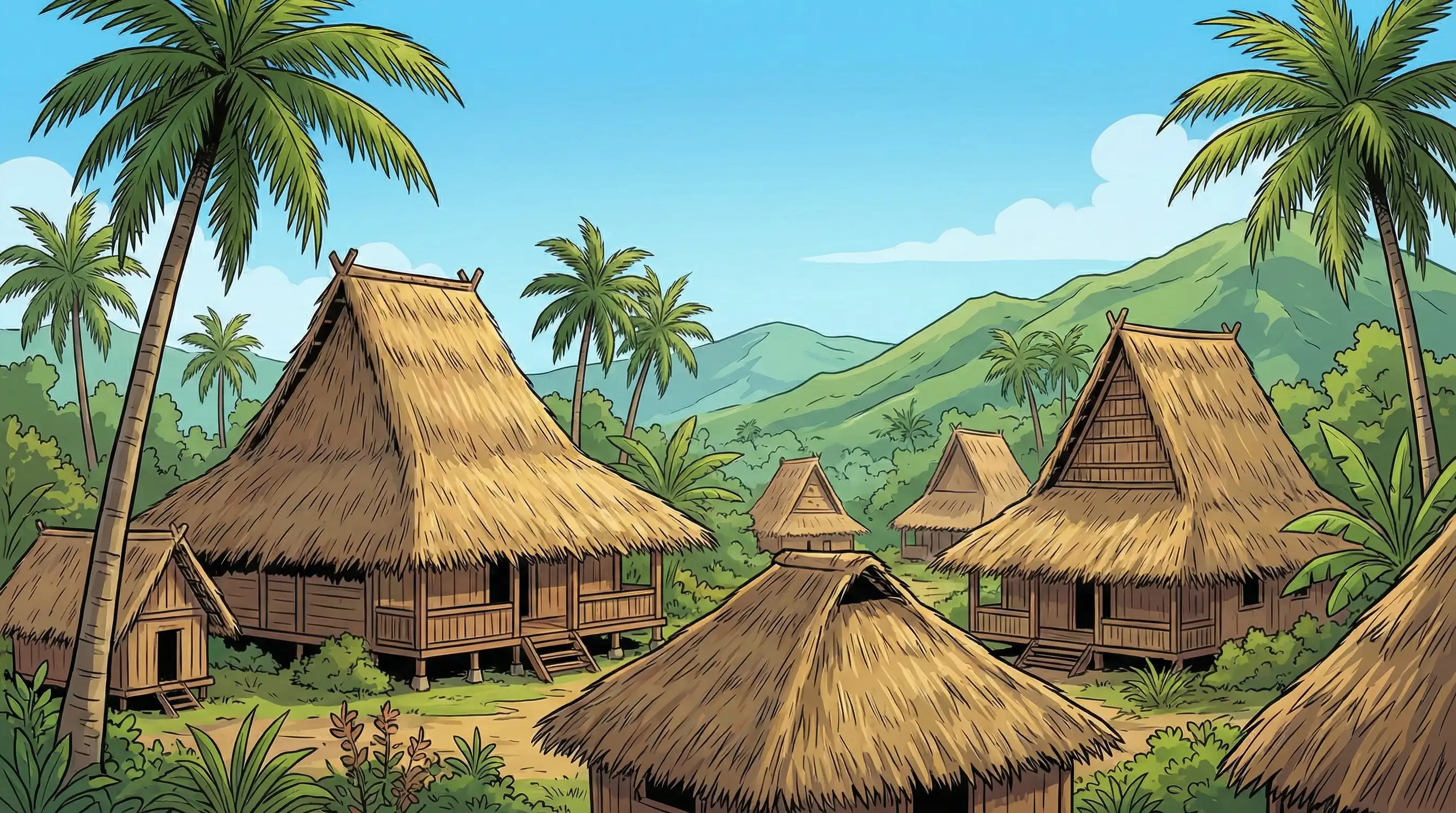
Tana Toraja in Sulawesi has ancient Tongkonan dwellings with roofs that look like boats and unusual funeral rites. The beautiful highland environment and living ceremonial customs make this area a must-see for anyone who wants to learn more about Indonesia's cultural diversity outside of the main tourist areas.
To go to the cone-shaped traditional residences in Wae Rebo Village in Flores, you have to hike up a steep mountain. This gives visitors a chance to see Manggarai culture in its original form, which hasn't altered much since modern times. The village is like other villages in Indonesia that keep up with their ancestors' customs.
The Baliem Valley in West Papua is another place to learn about different cultures. The highland tribes there didn't had much interaction with the outside world until the last few decades. The terraced agricultural landscapes and traditional ceremonies make it an experience like no other in Indonesia.
These cultural underpinnings are naturally linked to Indonesia's equally amazing natural wonders, where volcanic forces and marine habitats generate landscapes that are very different from each other.
Natural Wonders and Adventure Destinations
The archipelago's volcanic origins and location in the Coral Triangle make for natural beauties that draw people looking for adventure and unspoiled places. This is in addition to Indonesia's rich cultural legacy. The same geological forces that formed the islands are now changing the land by making volcanoes active. The oceans around the islands are home to the planet's most diversified marine ecosystems.
Volcanic Landscapes and National Parks
Indonesia's location on the Pacific Ring of Fire makes for stunning volcanic landscapes that are easy for travelers of all fitness levels to see. To get to viewpoints before clouds block the view, most volcanic locations require leaving early in the morning. Proper footwear and appropriate clothing are also important for high-altitude circumstances.
Many people think that Mount Bromo in East Java has the most famous volcanic landscape in Indonesia. The smoking crater rises from a huge sea of sand in the old Tengger caldera. The best time to see it is around sunrise from Penanjakan viewpoint. You can ride a horse across the sand sea to the base of the crater and then ascend the stairs to the rim. This is a full-day journey from Malang or Surabaya.
Three crater lakes on Flores Island's Mount Kelimutu change hues at random, going from turquoise to green to brown to black because of chemical reactions with volcanic gases. The early morning journey to see the sun rise over these strange lakes is one of the most weird natural events in Indonesia.
The easiest way to walk a volcano is on Mount Batur in Bali. Sunrise hikes take about two hours to reach the crater rim. The views from here are amazing, with the crater lake below and Mount Agung in the distance. This is a must-see for photographers. There are also natural hot springs nearby where you may relax after your climb.
The highest volcano in Indonesia is in Kerinci Seblat National Park in Sumatra. It is also the final place where critically endangered Sumatran tigers can live. Wildlife lovers can see rare animals in their native habitat while trekking through this protected wilderness, but they will need to be patient and have skilled guides to do so.
The blue fire that comes from sulfuric vents in Kawah Ijen in East Java is one of Indonesia's most unusual natural wonders. It can only be seen before dawn. The turquoise crater lake and active sulfur mining operations create an otherworldly experience for visitors willing to undertake the nighttime trek.
Marine Parks and Island Destinations
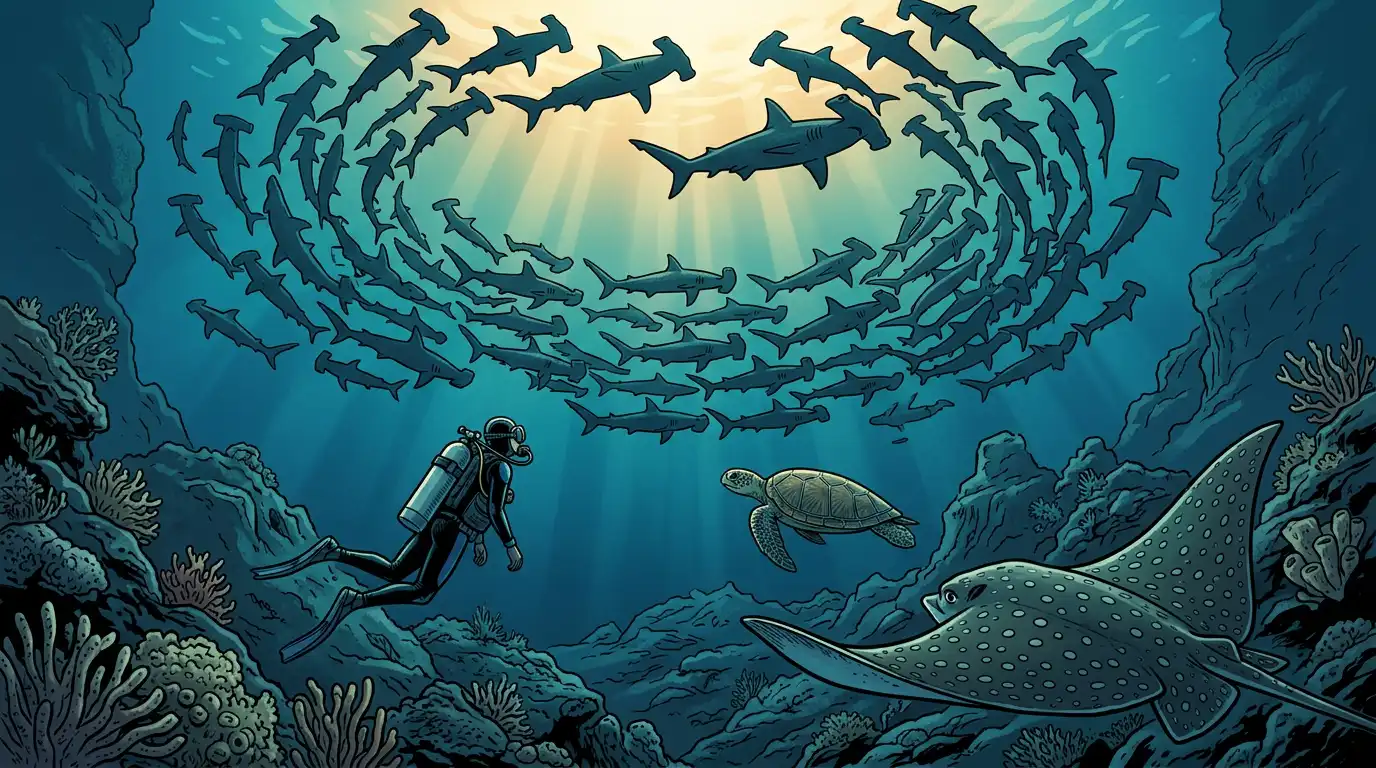
Komodo National Park in East Nusa Tenggara has three islands, the most famous of which being Komodo Island. It is home to rare animals and amazing aquatic ecosystems. The main attractions are seeing Komodo dragons, the world's largest lizards, in their natural habitat on Komodo Island and Rinca, being amazed by Pink Beach's unique rose-colored sands, and ascending Padar Island for views of scalloped bays. Beneath the surface, manta rays glide past cleaning stations, coral reefs are home to a wide variety of marine life, and drift dives through channels offer some of the best scuba diving in the world.
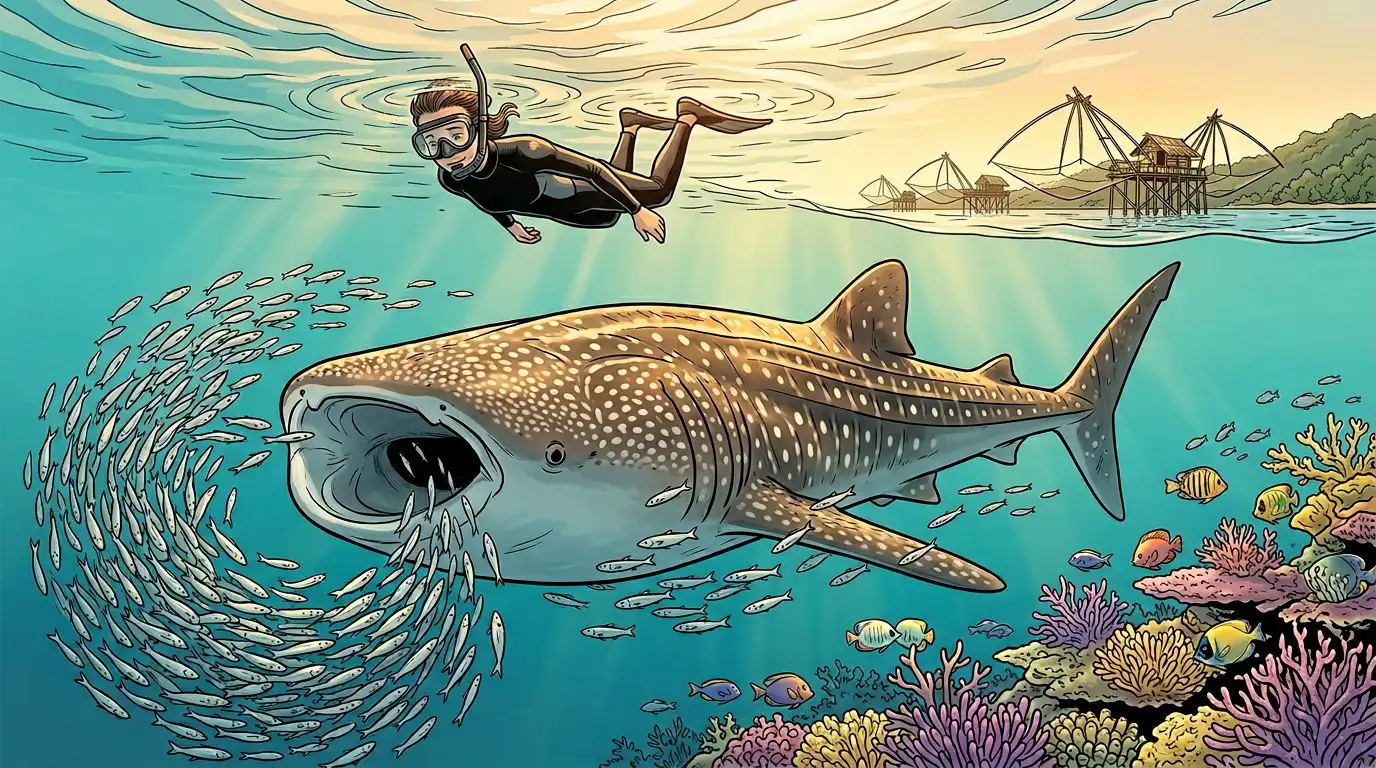
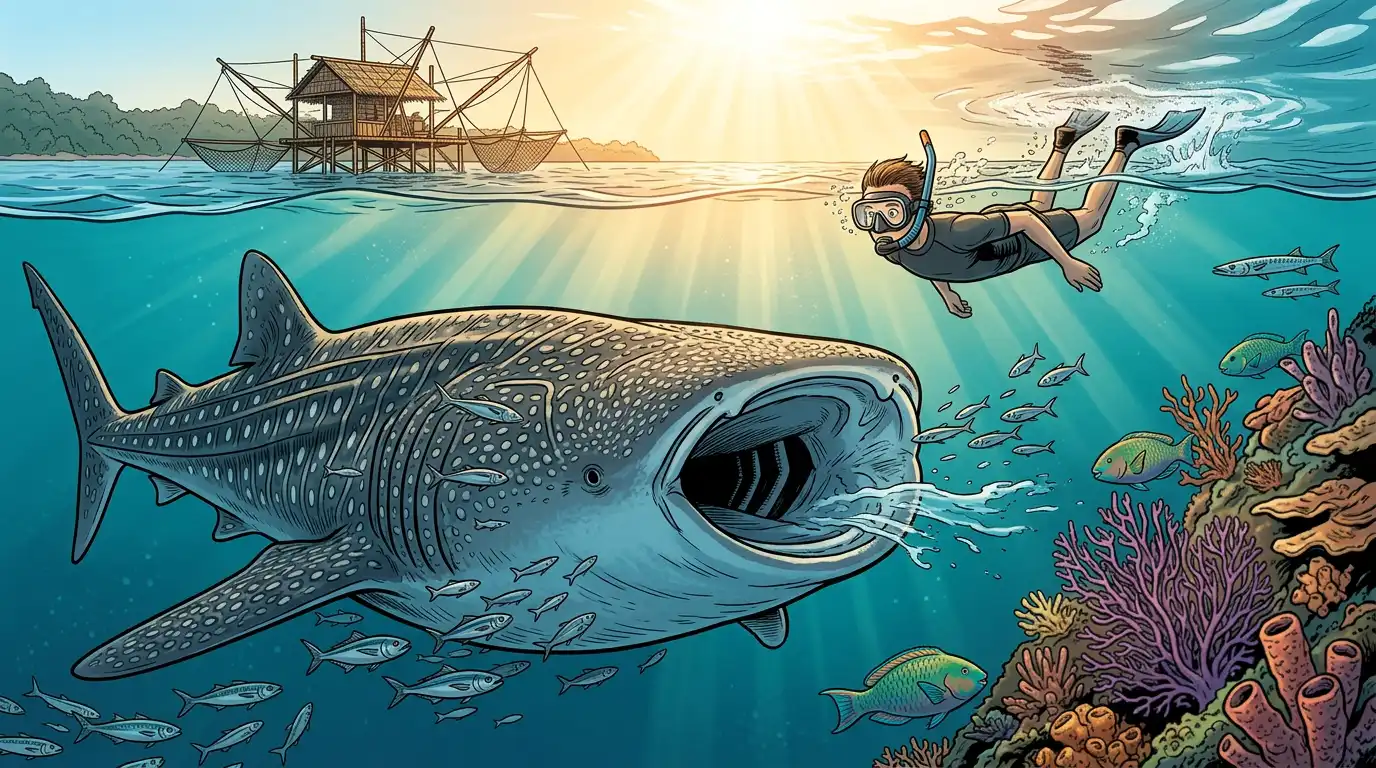
Raja Ampat in West Papua is the best place to go diving in Indonesia. Its coral reefs are home to the most diverse marine life in the world. This secluded group of islands has crystal-clear waters that are home to more than 1,500 fish species and 550 coral species. These waters are what make the area so beautiful. Liveaboard diving cruises provide you the most time to explore these gorgeous islands. You can also stay in local communities on land, which are cheaper and give you access to amazing snorkeling right from the shore.
Gili Trawangan, Gili Air, and Gili Meno are car-free islands near Lombok. They have white sand beaches, vivid blue water, and great snorkeling for sea turtles. Gili Trawangan is great for beach parties and nightlife, Gili Air is a good mix of relaxing and social activities, and Gili Meno is the quietest of the three islands.
Many tourists now consider Nusa Penida and the nearby Nusa Islands to be must-see places because of their stunning coastal views and the chance to swim with manta rays. The crystal-clear waters around these islands make it possible to do snorkeling and diving on a day excursion from southern Bali. However, better places to stay are making it easier to remain overnight.
Unique Natural Phenomena
Lake Toba in Sumatra is the largest volcanic lake in the world. It was made by a supervolcanic eruption about 75,000 years ago. Samosir Island rises from the center of the lake and protects Batak culture through traditional communities, heritage museums, and ceremonial locations. The Sipiso-Piso Waterfall, which is close by, falls 120 meters into the lake's northern shore. You can get there by hiking through the forested slopes.
The combination of volcanic landscapes and marine settings gives guests the chance to have numerous natural experiences on the same trip. People who are interested in adventure could choose to visit Mount Bromo and Kawah Ijen in East Java first, then go to Komodo National Park. People who love the ocean might want to spend a lot of time in Raja Ampat beautiful settings before going to Sumatra's highland lakes.
Understanding these possibilities inevitably brings up practical issues for getting around Indonesia's huge distances and changing infrastructure.
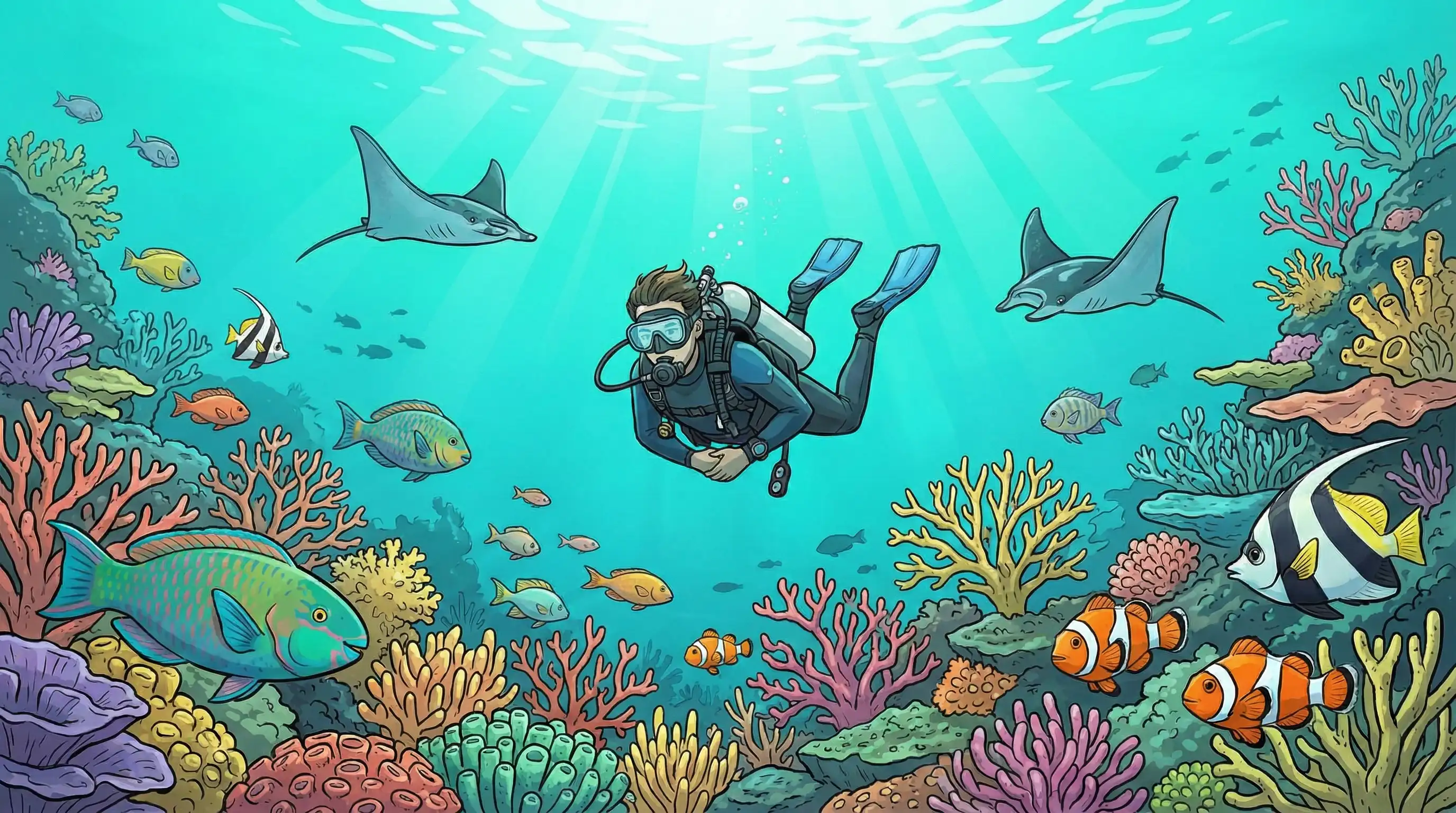
Exploring Northern and Eastern Indonesia: Kalimantan, Banda Sea, Wakatobi, and Sulawesi
The northern and eastern parts of Indonesia are full with unique experiences that combine a strong cultural legacy with some of the most beautiful natural areas in the archipelago. These places don't get as many visitors as Bali or Java, yet they offer vacationers memorable experiences on both land and sea.
Kalimantan (Indonesian Borneo)
Kalimantan, the Indonesian part of Borneo, is a huge wilderness with thick rainforests, twisting rivers, and amazing animals. It is a great place for eco-tourists and anyone who love animals.
- Marine Attractions: Kalimantan is better known for its jungles than its beaches, although the coastal and riverine environments are home to a wide range of aquatic species. The mangrove woods and estuaries are home to many types of fish and birds. In some places, you may take a river boat to see freshwater dolphins.
- Land Attractions: Tanjung Puting National Park is the main attraction because it is known for its activities to protect orangutans. Visitors can enjoy traditional klotok boat rides down the Sekonyer River to witness orangutans, proboscis monkeys, gibbons, and other exotic birds in their native habitats. The park's deep rainforest paths are great for hiking, while the nearby Dayak communities provide cultural immersion experiences that show off traditional crafts and ways of life.
Banda Sea
The Banda Sea is an isolated marine wonderland in the Maluku Islands. It has clean waters, colorful coral reefs, and a lot of history as the original Spice Islands.
- Marine Attractions: This area is a diver's dream come true, with some of Indonesia's best-kept underwater treasures. The reefs in the Banda Sea have a lot of different kinds of plants and animals, including the endemic Banda Sea anemonefish, which is quite rare. Diving areas near the Banda Islands have beautiful coral gardens, steep drop-offs, and lots of sea life, like turtles, reef sharks, and colorful reef fish.
- Land Attractions: The Banda Islands have a long colonial history, and there are still Dutch forts and spice plantations to see. The islands' volcanic terrain offer hiking routes with stunning views of the sea and nearby islands. Visitors can also talk to people in the area to find out more about how nutmeg and clove are grown in the traditional way.
Wakatobi
Wakatobi is a famous marine national park off the southeast coast of Sulawesi. It is known around the world for having a wide variety of coral reefs.
- Marine Attractions: Wakatobi National Park is a UNESCO Biosphere Reserve that has some of the best snorkeling and scuba diving in the world. The park preserves more than 700 kinds of reef fish and more than 900 kinds of coral. Hoga and Kapota are popular dive destinations because they include colorful coral walls, healthy reef ecosystems, and lots of turtles, manta rays, and reef sharks.
- Land Attractions: Wakatobi has authentic Bajo (sea gypsy) communities on land where visitors can learn about unique maritime customs. You may hike through coastal forests and limestone hills on the islands. The views of the turquoise ocean and coral atolls are stunning.
Sulawesi
Sulawesi is a big island with a unique shape. It has a lot of cultural and natural attractions, both on land and in the water.
- Marine Attractions: Bunaken and Wakatobi National Parks are two of the best places in the world to dive. They are both in Sulawesi. Bunaken, which is north of Manado, has steep coral walls full with marine life, including as turtles, reef sharks, and many kinds of tropical fish. In the southeast, Wakatobi has the best coral diversity and cleanest reefs.
- Things to See on Land: The island's interior is very interesting from a cultural point of view, notably the Tana Toraja area, which is noted for its elaborate burial ceremonies and traditional Tongkonan houses with roofs fashioned like boats. The harsh hills are great for hiking through terraced rice fields and thick woodlands. The many different ethnic groups and busy marketplaces in Sulawesi add to its cultural richness, making it a great place for both culture seekers and adventure visitors.
These northern and eastern places show off Indonesia's amazing diversity. Each location has its own unique mix of natural beauty and cultural legacy that makes any trip more interesting.
Raja Ampat: The Ultimate Liveaboard Diving Destination
Many people think that Raja Ampat, in West Papua, Indonesia, is one of the best spots of Indonesia liveaboard diving. This faraway group of islands has some of the cleanest marine habitats in the world, with pure waters, colorful coral reefs, and a wide range of plants and animals. Raja Ampat sits in the Coral Triangle, which is home to over 1,500 fish species and 550 coral species. This makes it a great place for divers.
Liveaboard Diving Experience in Raja Ampat
Diving trips on a liveaboard in Raja Ampat let divers easily see several dive locations on the large group of islands. These cruises usually last between 5 and 10 days and take you to distant reefs, underwater peaks, and hidden lagoons that are hard to get to otherwise. Liveaboard boats include professional dive guides, pleasant places to stay, and amenities made just for divers.
Divers can expect to see a wide variety of marine life, such as manta rays, wobbegong sharks, pygmy seahorses, and colorful coral gardens. Raja Ampat is known as one of the best places in Indonesia for scuba diving because of its clean waters and low human impact.
Best Time to Visit and Dive Conditions
The best time to go liveaboard diving in Raja Ampat is from October to April, when the weather is dry and the waters are calm. Visibility can reach more than 30 meters. The water temperature during this time is between 27°C to 30°C, which is perfect for long, pleasant dives. Many liveaboard companies provide packages that include kayaking and snorkeling trips, which make the whole aquatic experience better.
Banda Sea: A Hidden Gem for Liveaboard Diving
The Banda Sea, which is in the eastern half of Indonesia's Maluku Islands, is another great place to go liveaboard diving. The Banda Sea is known for its stunning underwater landscape, which includes deep drop-offs, volcanic walls, and colorful coral reefs full of many kinds of marine life. Tourists don't come here as often, so diving here is more private and undisturbed.
Liveaboard Diving Highlights in the Banda Sea
Liveaboard tours in the Banda Sea take you to amazing dive spots like the volcanic islands of Banda Neira and the mysterious Gunung Api. Divers can dive next to schools of barracuda, explore high walls covered in soft corals, and see uncommon fish like the Banda Sea anemonefish. The area's remoteness keeps the reef systems healthy and full of marine life, which is why professional scuba divers should go there.
When to Dive in the Banda Sea
The Banda Sea is excellent for liveaboard diving from October to April, which is when the dry season is at its best and the sea is calmest. The water temperature is around 28°C and the visibility is between 20 and 40 meters. Many liveaboard boats that work here have skilled guides who know the area's unique marine ecosystems and can plan dive trips that will give you the most chances to see species.
Why Choose Liveaboard Diving in Raja Ampat and Banda Sea?
The Banda Sea and Raja Ampat both have amazing liveaboard diving opportunities that let you explore Indonesia's rich marine life in untouched, remote settings. Liveaboard excursions let you dive for longer periods of time, giving you access to the best underwater sites while also providing comfortable accommodations and experienced coaching.
Raja Ampat and the Banda Sea are two of Indonesia's best places for liveaboard diving. They offer remarkable experiences with some of the world's most colorful and diverse marine life.
Bali: The Island of the Gods
Bali is Indonesia's most famous island. People from all over the world come to see its beautiful scenery, lively culture, and wide range of activities. Bali is called the "Island of the Gods" because it has everything from stunning beaches and swaying palms to ancient temples and green mountains. It's a must-see place for anyone who wants to see things in Indonesia.
Beautiful Beaches and Coastal Activities
There are some of the most beautiful white sand beaches in the world along Bali's coast. Kuta, Seminyak, and Jimbaran are some of the most popular beaches in the south. They have vibrant beach parties, surfing, and beachside eating. If you want a more peaceful time, go to the southern beaches of Nusa Dua or Sanur. The quiet seas are great for swimming and lounging under swaying palms.
Snorkeling and Scuba Diving
Scuba diving and snorkeling are two of the best things to do in Bali. There are many of colorful coral gardens, tropical fish, and sea turtles on the coral reefs around the island. Tulamben is known for the USAT Liberty shipwreck, Nusa Lembongan and Nusa Penida are known for their manta rays and the rare mola-mola (ocean sunfish), and Menjangan Island in the northwest, which is part of Bali Barat National Park, is known for its clear waters and pristine reefs.
Waterfalls and Natural Beauty
Bali's interior is full of beautiful waterfalls and lush scenery, not only beaches. Tropical jungle surrounds popular waterfalls like Tegenungan, Sekumpul, and Gitgit, which are great places to swim. These natural places provide a calm escape from the busy coastal areas and are great for people who love nature and want to view Bali's lush splendor.
Majestic Mountains and Volcanic Treks
Volcanic peaks, like Mount Agung and Mount Batur, cover most of Bali's hilly interior. Mount Agung is the island's tallest and most sacred volcano. It has difficult walks and stunning views of the sunrise for experienced hikers. Mount Batur is easier to get to, and a popular morning hike gives visitors a 360-degree view of the caldera and Lake Batur below. Terraced rice fields and quaint villages dot the highlands of Bali, which adds to its cultural attractiveness.
Ancient Temples and Cultural Heritage
Bali is famous for its rich Hindu culture, which can be seen in its many temples and religious events. Tanah Lot, which is built on a rock in the sea, and Uluwatu Temple, which is built on a cliff with a view of the Indian Ocean, are two of the most famous temples that you should see. In Ubud, the island has Pura Taman Saraswati, which is known for its lotus ponds and detailed sculptures. It also has Besakih Temple, which is Bali's largest and most important temple complex and is located on the slopes of Mount Agung.
Wellness and Cultural Experiences
Ubud, the cultural center of Bali, has a mix of traditional arts, yoga retreats, and wellness establishments. Visitors can go to lively art markets, watch traditional dance performances, or rest in one of the many spas that offer Balinese massages and other natural therapies.
Bali is still a must-see place for anybody considering things to do in Indonesia since it has magnificent beaches, world-class diving, lush waterfalls, volcanic mountains, and old temples.

Travel Challenges and Solutions
Planning for Indonesia's long distances and changing infrastructure might help avoid frequent problems that can ruin otherwise great vacations. Many tourists don't plan enough time for transit between islands, and some people have trouble communicating in areas outside of major tourist areas.
Transportation Between Islands
Book domestic flights early if you want to bounce between major islands. Routes like Jakarta to Labuan Bajo or Bali to Raja Ampat fill up rapidly during high season, and costs go up a lot as the departure date gets near. For shorter trips, as between Bali and Lombok or to the Gili Islands, think about using a ferry. The gorgeous crossings make the trip more enjoyable. Always give yourself extra time to make connections, because weather delays and changes to the schedule happen a lot, especially in eastern Indonesia where public transit is still not very good.
Language and Cultural Barriers
Download translation apps before going to Indonesia because the level of English spoken varies a lot between tourist spots and less popular places. Knowing some simple Bahasa Indonesia phrases, such how to say hello, numbers, and directions, shows respect and makes it easier to talk to people in local villages and markets. Hiring local guides for cultural sites and isolated places can help you find your way around and learn more about traditions that you might not have been able to learn about otherwise.
Seasonal Weather Variations
Plan outdoor activities, especially volcano hikes, for the dry season in Indonesia (April to October). Wet conditions make surfaces slippery and views hard to see. Look about the weather patterns for the places you want to visit. Raja Ampat and some eastern islands have different seasonal cycles than Java and Bali. During peak season (June-August and December-January), book your accommodations early, especially for famous places like Ubud's rice terraces or the southern beaches of Komodo National Park, where there aren't many rooms available.
Conclusion and Next Steps
Indonesia is a very diverse country. It has everything from the old Buddhist temple at Borobudur to the beautiful coral reefs at Raja Ampat, as well as Komodo dragons in their natural habitat and Tana Toraja's living cultural traditions. To get the most out of your trip, you need plan ahead and be open to changing your plans. The size of the archipelago makes it necessary to set priorities, but those who go beyond Bali's familiar comforts to see the amazing range of gorgeous islands will be rewarded.
Immediate actionable steps:
- Prioritize 3-4 destinations based on your primary interests—cultural heritage, marine exploration, volcanic landscapes, or wildlife encounters
- Book flights between major hubs early, particularly for routes to Raja Ampat, Komodo National Park, or Tana Toraja
- Research visa requirements based on your nationality and intended length of stay
- Pack for multiple climates, from tropical beaches to cold volcanic summits above 3,000 meters
If you want to learn more, you could look into specialized island guides for the Kerinci Valley in Sumatra and the Tana Toraja highlands in Sulawesi, as well as the scuba diving certification requirements for Raja Ampat's advanced dive sites and the cultural etiquette rules for visiting temples and traditional villages throughout the archipelago.
Additional Resources
Essential packing list for Indonesia’s diverse conditions:
- Lightweight hiking shoes for volcanic terrain and temple exploration
- Reef-safe sunscreen and rash guard for marine activities
- Rain jacket suitable for tropical downpours
- Warm layers for highland destinations and pre-dawn volcano treks
- Modest clothing for temple visits (covered shoulders and knees)
Recommended tour operators by destination:
- Komodo National Park: Multi-day liveaboard trips departing Labuan Bajo offer comprehensive coverage of Padar Island, Pink Beach, and top-notch diving sites
- Tanjung Puting National Park: Traditional klotok boat cruises provide multi-day orangutan observation in Borneo’s rivers
- Raja Ampat: Local homestays on Arborek and other islands connect travelers directly with village communities while supporting conservation efforts
Photography recommendations:
- Wide-angle lens essential for volcanic landscapes and temple complexes
- Underwater housing or GoPro for marine encounters with manta rays and coral reefs
- Drone regulations vary by location—check current restrictions before flying
- Golden hour timing: arrive 30-45 minutes before sunrise at viewpoints for optimal volcanic photography conditions