There are two main seasons for liveaboard diving in Indonesia: Raja Ampat from November to April and Komodo National Park from May to October. The Banda Sea has rare transition windows in between these times. This seasonal pattern tells divers when they can get to the world's most biodiverse marine ecosystems. Each region has its own best times to dive, based on fleet positioning, weather, and the movements of marine life.
This article looks at the seasonal diving patterns in Raja Ampat, Komodo National Park, and the Banda Sea as well as the popular dive sites for each of them. These are the three best places in the Indonesian archipelago for liveaboard adventures.
If you want to plan a trip to view manta rays at cleaning stations, hammerhead sharks in isolated areas, or the coral triangle's rich marine life, you need to know about these seasonal patterns. This guide only talks about liveaboard tours and their seasonal logistics; it doesn't talk about day diving in the Raja Ampat islands or diving at resorts such as Komodo Resort.
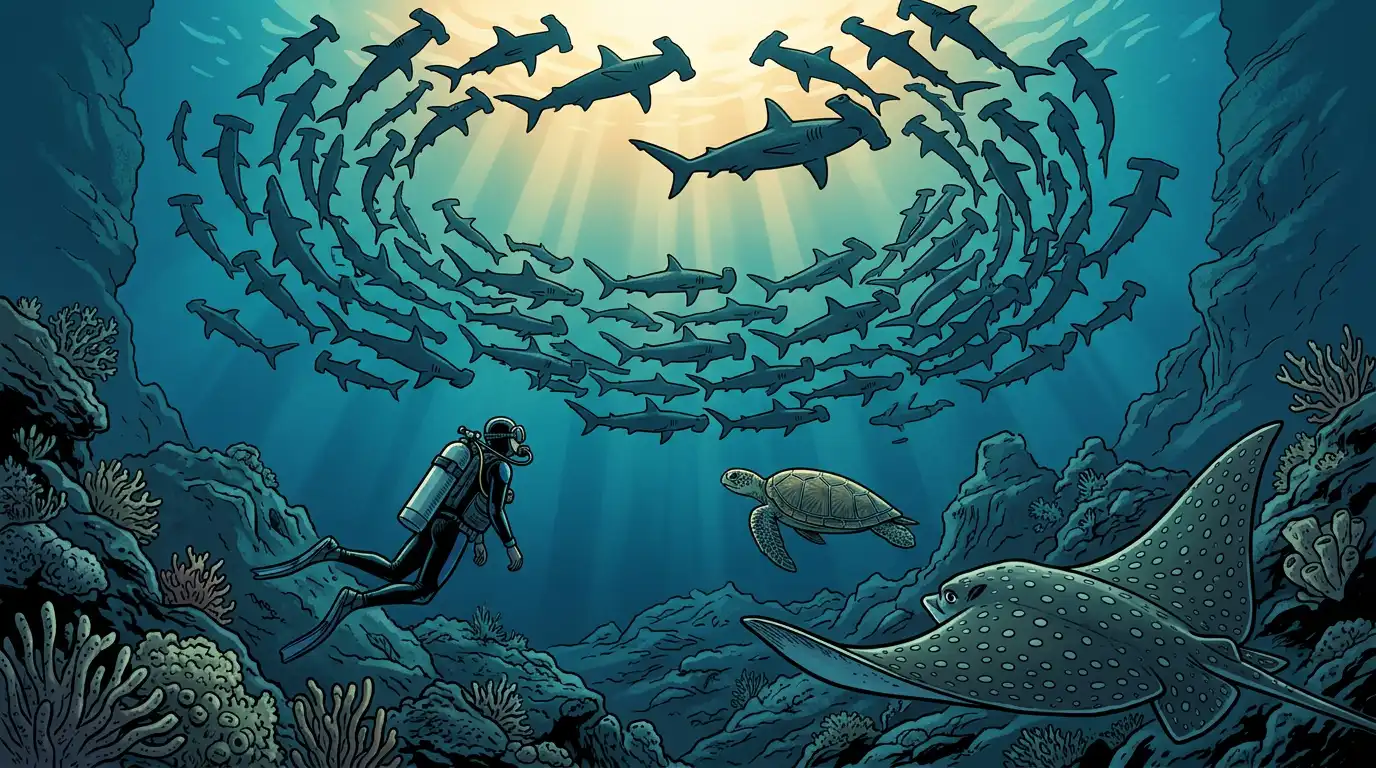
November to April is the best time for Raja Ampat's manta cleaning stations and coral gardens. May to September is the best time for Komodo's calmest and clearest seas. During fleet repositioning trips, the Banda Sea's brief window from October to November is the only time when hammerhead sharks gather in large numbers.
Understanding Indonesia's Liveaboard Season Patterns
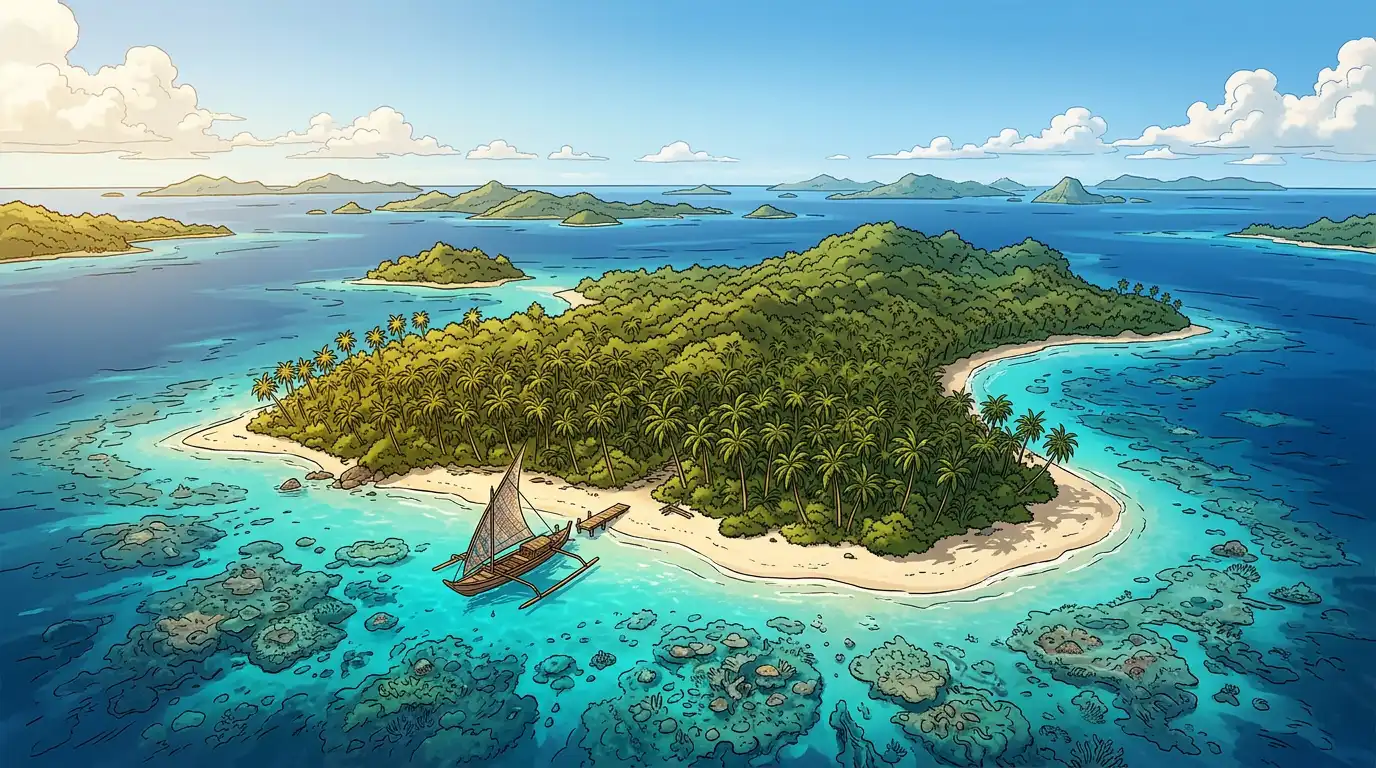
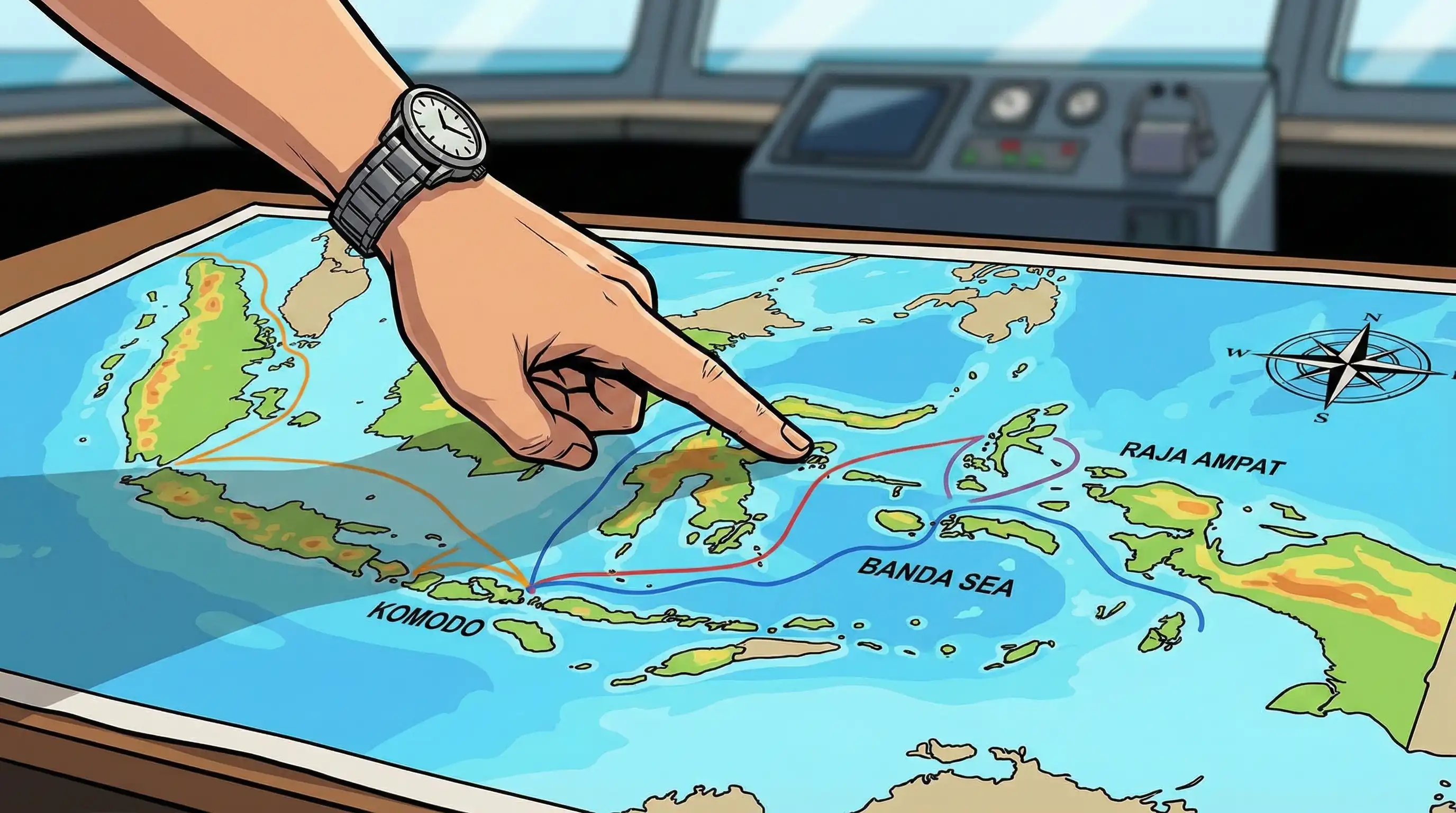
Indonesia is located on the equator, which causes a complicated interaction of monsoon systems that change the diving conditions on its 17,000 islands. The country covers around 2 million square kilometers, and diving areas go from West Papua to the main islands of the Lesser Sundas. Because of this geographic diversity, when things go worse in one area, another usually enters its prime season. This means that world-class diving is always available somewhere in Indonesia.
Wet Season vs Dry Season Impact
The Indonesian archipelago has two main monsoon systems that cause wet and dry seasons in different parts of the country. The southwest monsoon (May to October) makes the Lesser Sundas and Komodo dry, although it brings more rain to the east. The northeast monsoon (November to April) changes this trend, making it the best time to dive in Raja Ampat and the Maluku Islands, whereas Komodo has its wet season.
These monsoon cycles have a direct impact on surface conditions, visibility underwater, and the safety of liveaboard operations. During the dry season, when the waters are calm, boats can get to remote dive spots that are hard to reach when the weather is bad. During dry seasons, visibility gets better because there is less runoff and plankton changes. This usually means visibility of 25–30 meters instead of 15–20 meters during transition periods. For divers who want to get the most out of their underwater photography and marine animal encounters, it's important to know about this periodic cycle in coral reefs around the world.
Marine Life Migration Cycles
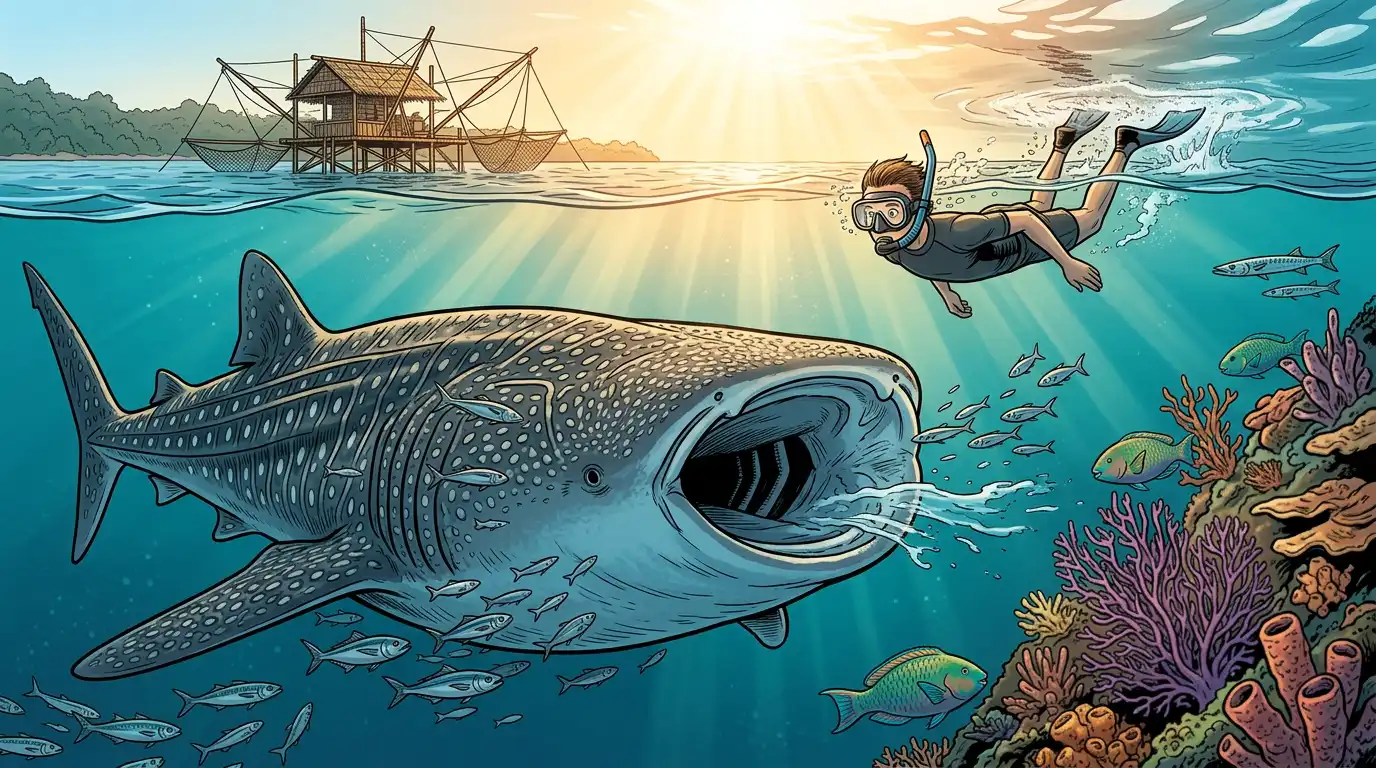
Changes in the ocean's seasons cause marine species to travel in predictable ways throughout Indonesia's waterways. During certain months when plankton is most abundant in certain areas, manta rays gather at cleaning stations. Whale sharks also follow patterns based on food, gathering in places like Cenderawasih Bay and the Forgotten Islands during their seasons. Hammerhead sharks come together in the Banda Sea during the transition from October to November, when thermocline shifts make hunting along seamounts easier.
Fish on reefs stay quite steady all year long in Indonesia's dive locations. However, encounters with pelagic species, which are the big marine animals that most liveaboard divers want to see, happen on very clear seasonal timetables. Divers can schedule their travels around certain species encounters instead of arriving at times that aren't ideal if they know about these cycles.
Regional Season Breakdown
The weather, marine life cycles, and logistics of the liveaboard fleet all affect the seasonal timetables of each major diving area in Indonesia. About 80% of Indonesia's liveaboard fleet stays in Raja Ampat from November to April and then moves south to Komodo for the May to October season. This yearly movement of the fleet makes availability patterns easy to foresee and lets people cross the Banda Sea and other isolated places in April-May and September-October.
Raja Ampat Prime Season (November-April)
Raja Ampat is the most important part of the coral triangle and has the most diversified marine ecology on the planet. The best time to liveaboard in this area is from November to April. Some operators start leaving in late October and continue until early May. The northeast monsoon offers calm seas and little rain throughout these months. Instead of long storms, there are usually 5 to 10 short tropical showers each month.
Dive site highlights during peak season:
Cape Kri in North Raja Ampat has among of the highest fish counts in the world. Surveys have shown that there are over 300 species on single dives. From December to February, when resident populations meet for grooming interactions, Arborek's manta cleaning stations are busiest. The Dampier Strait's fast-moving currents make it possible for reef fish to gather in huge numbers. Blue Magic, on the other hand, is a safe place for both manta rays and schooling barracuda to hang out.
The water temperature in Raja Ampat during the season is between 27 and 30 degrees Celsius, therefore most divers don't need any thermal protection. During calm times, visibility is usually 20 to 30 meters. However, plankton blooms can sometimes make things less clear. Ironically, these same blooms attract filter-feeding mantas and whale sharks. The Raja Ampat area has many island groups, each with its own unique diving experience. The Four Kings (Waigeo, Batanta, Salawati, and Misool) have everything from steep walls to coral gardens, macro creatures to pelagic action.
Triton Bay lies south of the main Raja Ampat islands and has the same seasonal window for diving, although there are a lot less divers there. This far-off area has amazing soft coral gardens, lots of fish like anthias, sweetlips, and snappers, as well as schools of white-tip sharks and big barracuda. Most liveaboards that go to Triton Bay have long itineraries that combine several Raja Ampat locations into a full exploration of West Papua's waterways.

Komodo National Park Season (April-November)
The best time to dive at Komodo National Park is from May to October, which is when the southwest monsoon offers dry weather and calm seas to this part of the Lesser Sundas. The park is open all year, but the best time to visit is from June to September, when the weather is clear, there is little rain, and visibility at most dive spots is always between 25 and 30 meters.
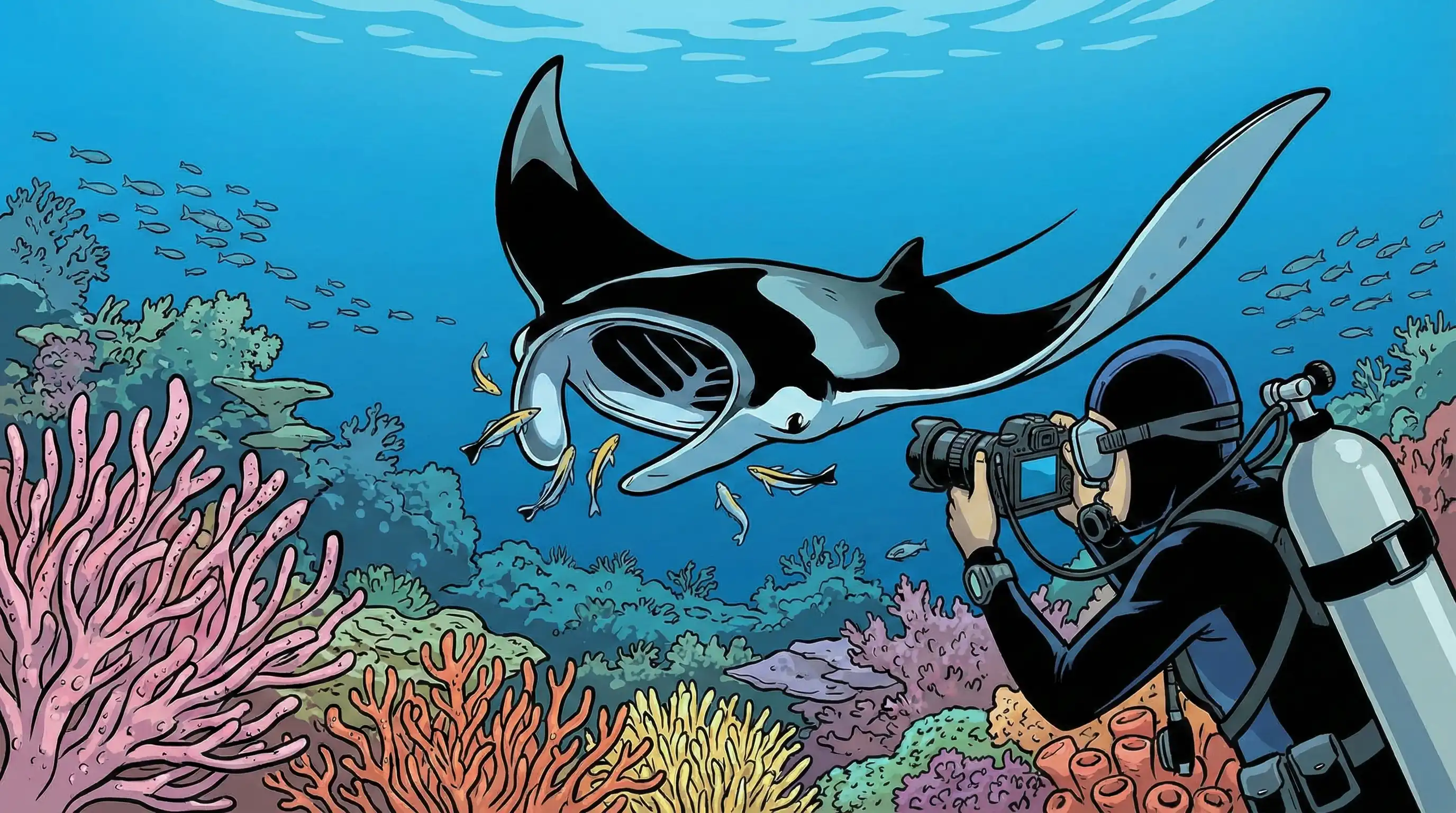
But the funny thing is that the Manta migratory season is also the low and wet season. Diving and snorkeling at Komodo National Park is one of the best things anyone can do because there are thousands of Manta rays there. Just picture being in the ocean with hundreds of mantas all around you.
What sets Komodo apart:
The national park has both stunning underwater landscapes and reliable pelagic encounters. Strong currents moving through canals between islands make the perfect environment for manta rays, which gather at places like Karang Makassar (Manta Point) during the dry season. Eagle rays glide over sandy areas between coral reefs, and reef sharks patrol the passages that are scoured by currents. The diving here is good for intermediate to advanced divers who are acquainted with drift methods and changing circumstances.
Komodo has a lot of aquatic life, but it also has a lot of distinctive land attractions. Most liveaboard trips include trips on land to see Komodo dragons in their natural environment. This is the only spot on earth where these ancient predators roam freely. Komodo is a great place for people who want to see a lot of different things because it has great diving and uncommon wildlife viewing.
During Komodo's peak season, the water is between 25 and 28 degrees Celsius, which is a little cooler than Raja Ampat because to upwelling from deeper waters. This cooler water offers nutrients that help the food chain and draw in big pelagics. Divers should bring 3–5mm wetsuits to stay comfortable on days when they do more than one dive, especially in locations with strong thermoclines.
Popular Komodo dive sites:
- Batu Bolong: A small rock pinnacle surrounded by spectacular coral growth and constant fish activity
- Crystal Rock: Clear waters and abundant reef fish with regular manta sightings
- Manta Alley: Reliable manta ray encounters during cleaning station visits
- Castle Rock: Current-swept seamount with impressive pelagic aggregations
- The Cauldron/Shotgun: Advanced current dives through narrow passages
Banda Sea Transition Periods (April & September-November)
The Banda Sea is one of Indonesia's most exclusive and least-visited diving spots. It's only open during the short times when liveaboards move between Raja Ampat and Komodo. The main diving season is from September to November, with extra trips from February to June. However, the October to November period offers the most unique experiences.
Hammerhead shark encounters:
The Banda Sea's main draw is the huge groups of hammerhead sharks that come together from September to November. During this time of year, the waters are rich in nutrients, which makes the seamounts and deep walls the best places for scalloped hammerheads to cluster in schools. To have these kinds of experiences, you need to be a very skilled diver who can handle deep profiles, regulate currents, and maintain adequate buoyancy. However, for prepared divers, these experiences are rare in Indonesia.
The Banda Islands are important in history because they were the first Spice Islands, where nutmeg and mace propelled colonial trade for hundreds of years. Liveaboard trips sometimes include cultural activities along with diving, such as visiting traditional communities and volcanic landscapes. Mandarinfish, spinner dolphins, fusiliers, and mobula rays are just a few of the many types of marine life that live in the waters around here.
Because the Banda Sea is so far away, not many people visit these diving spots each year. This remoteness makes things both perfect and hard to plan. For example, departures are limited, itineraries are lengthier (typically several nights longer than normal travels), and the weather becomes more important. Divers who want to go to the Banda Sea should book their trips well in advance and be able to change their plans.
Detailed Seasonal Comparison and Planning
When choose between Indonesia's best diving spots, you have to think about the weather, the kind of marine life you want to see, and the practicalities of getting there. The following extensive comparison gives month-by-month advice on how to plan the best trip to Raja Ampat, Komodo, and the Banda Sea.
Monthly Diving Conditions Chart
| Month | Raja Ampat | Komodo | Banda Sea |
|---|---|---|---|
| January | Prime season. Calm seas, 25-30m visibility. Peak manta activity at cleaning stations. Water temp 28-30°C. | Wet season. Reduced visibility (15-20m), occasional storms. Limited liveaboard availability. | Season closed. Fleet concentrated elsewhere. |
| February | Prime season. Excellent conditions continue. Moderate crowds. | Wet season transition. Improving conditions late month. | Limited departures begin. Crossing trips available. |
| March | Prime season. Some of the best diving of the year. Manta activity remains strong. | Wet season ending. Conditions improving. | Transition period. Some crossing itineraries. |
| April | Late season. Conditions remain good. Repositioning trips begin. | Early dry season. Conditions good, crowds minimal. | Crossing trips available. Banda Islands accessible. |
| May | Season ending. Last Raja Ampat departures. | Prime season begins. Clear skies, calm seas, improving visibility. | Transition window. Some departures available. |
| June | Off-season. Very limited liveaboard availability. | Peak season. Best visibility (25-30m). Optimal manta encounters. | Season winding down. Limited options. |
| July | Off-season. Conditions can be rough. | Peak season. Excellent conditions. Highest demand. | Season closed. |
| August | Off-season. Fleet in other regions. | Peak season. Consistent conditions. Advance booking essential. | Season closed. |
| September | Off-season transition. Some early departures. | Late peak season. Excellent conditions. Repositioning begins. | Prime window opening. Hammerhead aggregations begin. |
| October | Season beginning. Improving conditions. | Season ending. Good conditions, reduced crowds. | Prime season. Peak hammerhead encounters. Rare crossing trips. |
| November | Prime season begins. Fleet arriving. Excellent conditions. | Off-season begins. Wet weather increasing. | Prime season. Best Banda Sea diving. Fleet crossing to Raja Ampat. |
| December | Prime season. Holiday period brings peak demand. Book months in advance. | Off-season. Reduced visibility, storm risk. Some limited departures. | Season closing. Last departures of the year. |
If you are a diver with a flexible schedule, the best time to go to Raja Ampat is from November to February, and the best time to go to Komodo is from June to August. During the months of October and November, you can combine Banda Sea hammerhead encounters with either region through longer crossing trips.
Itinerary Planning Considerations
Travel logistics by region:
To go to Raja Ampat, you usually have to fly to Sorong in West Papua province. You can accomplish this with local airlines from Jakarta or Makassar. International travelers should plan to stay overnight so they can leave for their liveaboard in the morning. Flight schedules stay very much the same all year, although around holidays, when demand is higher, you need to book ahead of time.
Most of the time, Komodo departures leave from Labuan Bajo on Flores Island. You may get there from Bali with many daily flights. This well-known tourism corridor has more route options than Raja Ampat. Most Southeast Asian hubs can link to it on the same day. For first-time tourists to Indonesia, the established infrastructure makes it a little easier to get to Komodo.
People commonly fly from Sorong to Labuan Bajo (or the other way around) to cross the Banda Sea, so they need to be able to change their flight plans. These repositioning voyages last 10 to 14 nights, which is far longer than the usual 7 to 10 night excursions. Because they are rare and last longer, they cost more.
Extended itineraries:
Several operators offer annual long adventures that cover more than one region for divers who have more than two weeks to spare. These itineraries, which only happen once a year, might include Raja Ampat and the Forgotten Islands, or they might go from Komodo across the Banda Sea to Raja Ampat. These kinds of trips need a lot of planning ahead of time (usually 12 months or more) and are the kind of trips that professional divers dream about going on.
Budget considerations:
Prices during the peak season in Raja Ampat (December to February) and Komodo (July to August) are 15% to 25% more than prices during the shoulder season. Early November visits to Raja Ampat and May trips to Komodo often offer similar diving at lower prices. Because of limited supply and long itineraries, the Banda Sea always has high prices.
Common Seasonal Planning Challenges and Solutions
When planning Indonesia liveaboard tours, you have to deal with seasonal restrictions that don't always fit with your own timetable. The following remedies deal with the most typical timing problems that divers have.
Limited Vacation Time Conflicts
The dates you have available for vacation don't fall within the best times of year for your desired destination.
If you can only go from June to August, when Raja Ampat is closed, go to Komodo instead, where these months are the best time to visit. Also, those who want to go to Komodo from November to February can switch to Raja Ampat's peak season. The fact that Indonesia's two main regions have different seasonal schedules means that there is always great diving accessible, no matter when you can go.
For the months of July and August, think about Cenderawasih Bay (whale sharks), Derawan Islands (green turtle nesting), or Lembeh Strait (macro photography). These additional destinations run on timetables that fill in the gaps in the main Raja Ampat-Komodo loop.
Weather Unpredictability
Tropical weather is always changing, and storms that come out of nowhere can ruin travels even during the busiest times of year.
Book liveaboards that have flexible schedules and go to different places. Experienced captains change their itineraries depending on the weather and go to protected regions when exposed sites become too dangerous. The best operators have more than one backup plan in case of bad weather.
Buy full travel insurance that covers trip interruptions and alterations due to bad weather. This protects your investment from things that can't be controlled and lets you book ahead of time with confidence.
Add buffer days to your trip by arriving a day early and leaving a day after you get back. This buffer lets you deal with flight delays, weather holds, and last-minute itinerary changes without missing connections.
Peak Season Availability
Months before popular departure dates, notably in December and January for Raja Ampat and July and August for Komodo, they sell out.
For the busiest times of the year, book 9 to 12 months in advance. Once bookings begin, the most popular ships and itineraries fill up immediately. If your selected dates are full, you can join the queue by calling the operators directly. Sometimes, cancellations provide spaces at the last minute.
For shoulder season, think of going to Raja Ampat in early November or late April, or to Komodo in May or September. These times offer 90% of peak-season quality at lower costs and with more availability. A lot of experienced divers in Indonesia like shoulder seasons better since they have smaller groups and a more relaxed vibe.
Be open to other types of vessels. If your preferred liveaboard is fully booked, you can typically find similar options that are available. There are many high-quality operators in Indonesia's liveaboard fleet, so focusing on just one ship limits your options.

What's next
Indonesia's liveaboard seasons follow patterns that make it easy to arrange trips that will give you the best diving experience. From November to April, Raja Ampat has the best conditions for diving. The manta rays are most active at cleaning stations, and the seas are calm at its famous dive spots. From May to October, Komodo National Park is at its best. The waters are clean, you can see manta rays, and you can even see Komodo dragons, which is a special treat. During fleet repositioning trips, the Banda Sea has rare times in October and November when hammerhead sharks gather.
Immediate action steps:
- Determine your travel window and identify which region offers optimal conditions during your available dates
- Book 6-12 months in advance for peak season departures (December-February Raja Ampat, July-August Komodo)
- Arrange domestic flights to Sorong (Raja Ampat) or Labuan Bajo (Komodo) with overnight buffer before liveaboard departure
- Confirm dive certification and experience level meets requirements for your chosen region and itinerary
- Review gear needs—3mm wetsuit for Raja Ampat, 5mm for Komodo, reef hooks for current dives
If you're a diver looking for more planning tools, you might want to look into the seasonal patterns of certain marine animals (like manta rays, whale sharks, and schooling fish), detailed comparisons of liveaboard vessels across Indonesia's fleet, or shore excursions that let you dive and learn about the culture of the Indonesian archipelago at the same time.
Additional Resources
Seasonal quick reference:
- Raja Ampat: November-April (peak: December-February)
- Komodo: May-October (peak: June-August)
- Banda Sea: October-November, February-April (limited departures)
- Cenderawasih Bay: July-August only
- Forgotten Islands: March-April, September-November
Marine life calendar highlights:
- Manta rays at cleaning stations: December-February (Raja Ampat), June-September (Komodo)
- Hammerhead sharks: October-November (Banda Sea)
- Whale sharks: Year-round (Cenderawasih Bay), seasonal (Forgotten Islands)
- Reef fish diversity: Consistent year-round across all regions
Departure points and connections:
- Sorong (Raja Ampat): Flights via Jakarta, Makassar, or Manado
- Labuan Bajo (Komodo): Flights via Bali (numerous daily options)
- Ambon (Banda Sea): Flights via Jakarta or Makassar