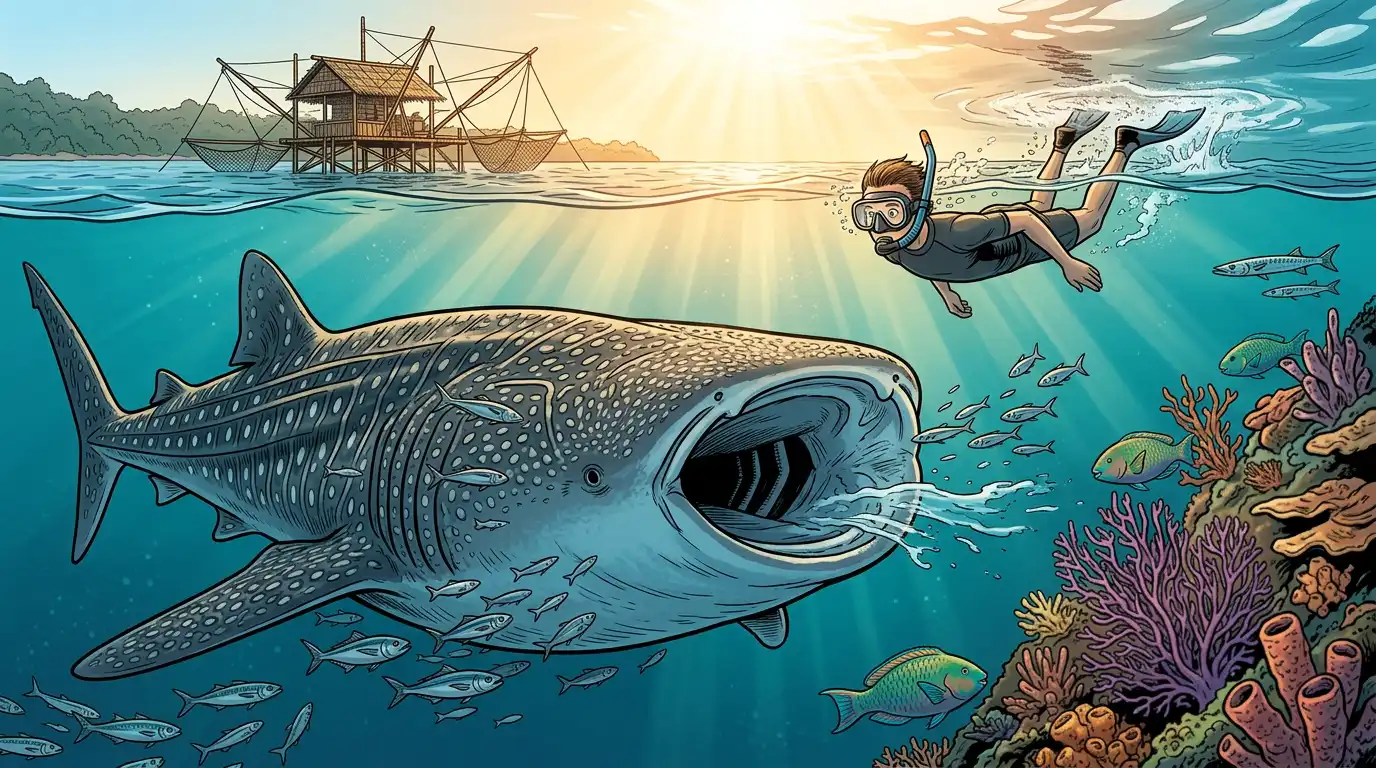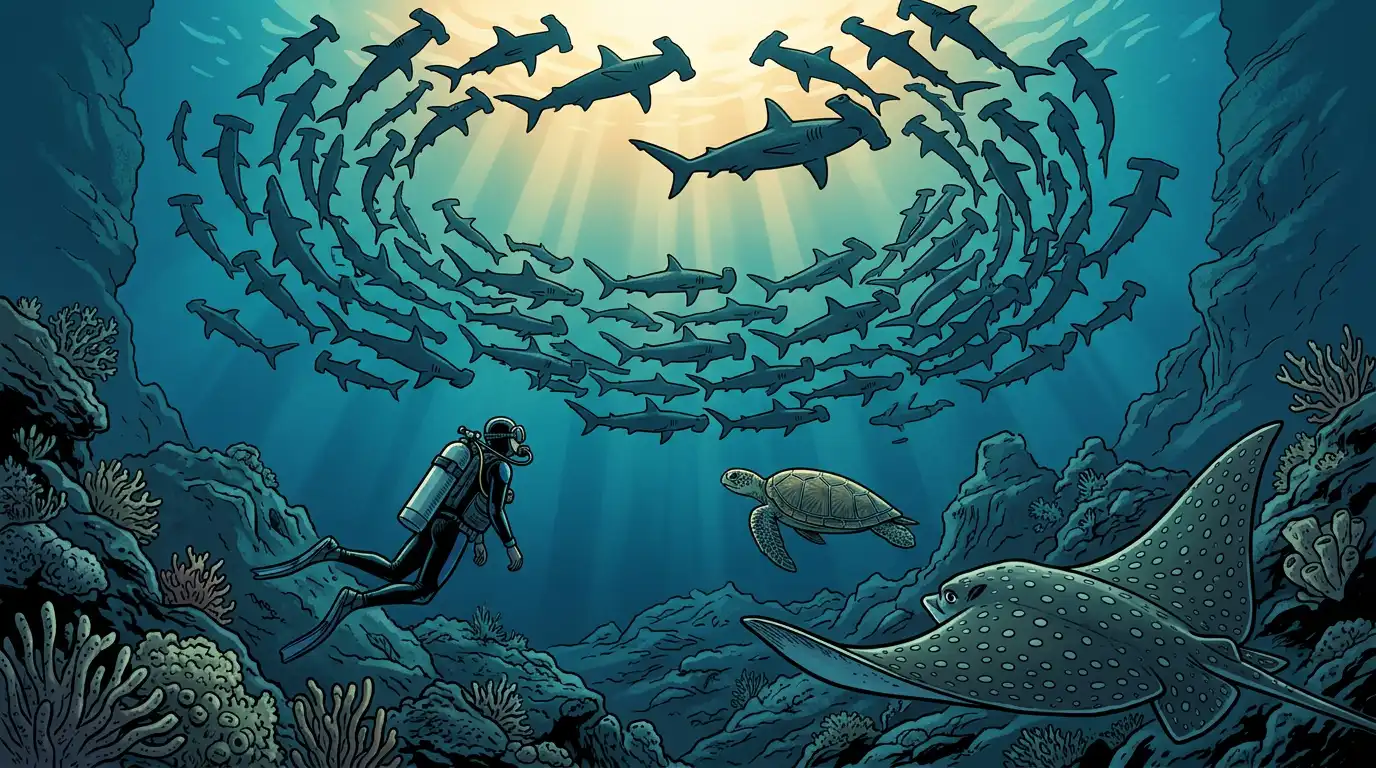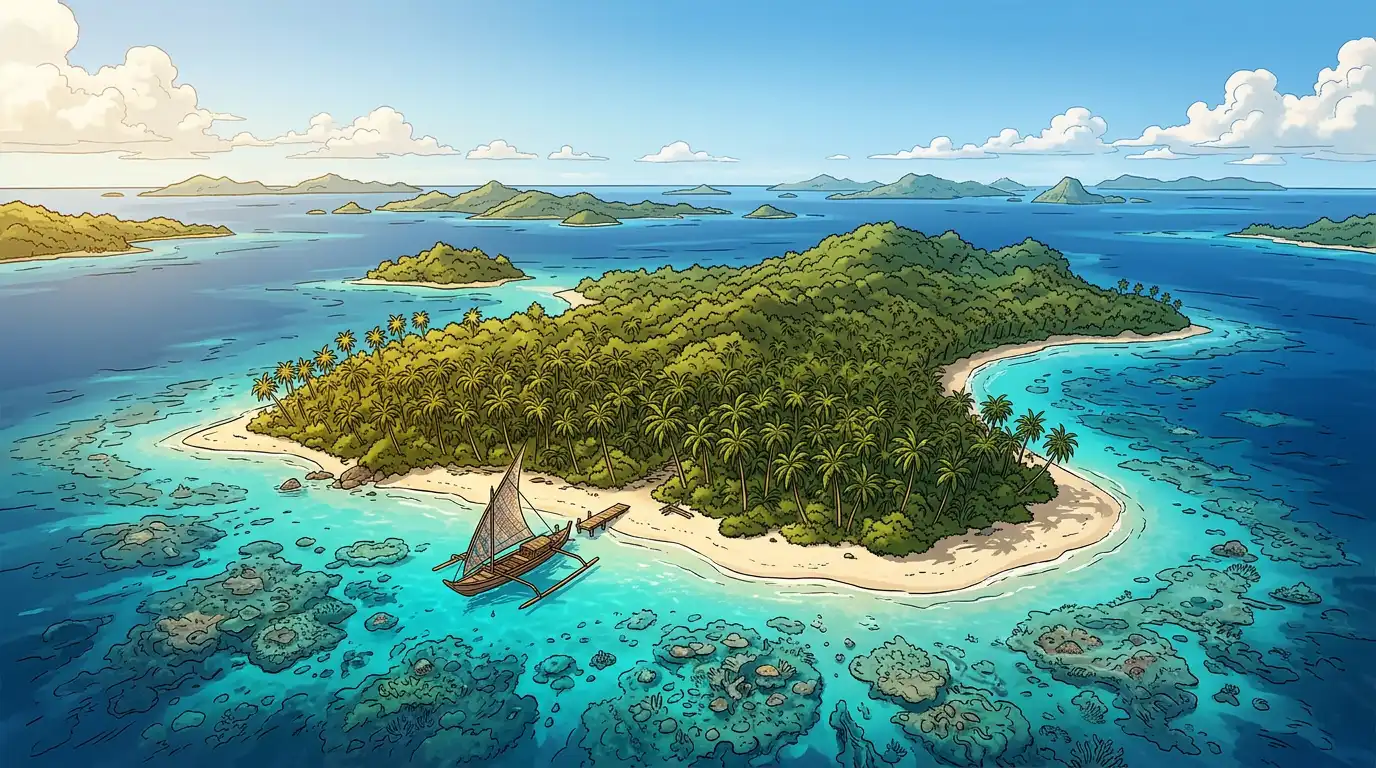
Komodo liveaboard itineraries are multi-day diving tours on boats that act as floating bases throughout Komodo National Park. This lets divers get to dive sites that are too far away to reach on day trips from Labuan Bajo or makes it much easier to get to these dive sites in other ways. These cruises usually last between 3 and 12 days and leave from ports in Flores or Bali to see one of the most biodiverse marine habitats on Earth.
This article talks about the most important things to think about while organizing a trip to Komodo, Indonesia, including routes, dive sites, and the best times to go. This website can help you organize your trip, whether you're an experienced diver looking for drift dives at Castle Rock or a newer diver organizing your first liveaboard diving trip. It's important to know your alternatives because Komodo's powerful currents, scattered dive sites, and permit restrictions make choosing the right tour very important for your underwater experience.
Komodo liveaboard diving trips usually last 3 to 12 days and include 10 to 20 dives at sites like Manta Alley, Crystal Rock, Manta Point, Shotgun, and the famous Pink Beach. They also include land trips to see Komodo dragons in their natural habitat on Komodo Island and Rinca Island.
Deep Dive Into Komodo Liveaboard Itineraries
A Komodo liveaboard is a boat that has cabins, dive facilities, and other amenities that lets people sleep, eat, and dive for several days while cruising through the national park's 1,817 square kilometers of protected seas. This method is very important because the best diving sites in Komodo National Park are spread out over more than 145 nautical miles, and powerful tidal currents determine when certain spots are safe to dive.
Komodo National Park is in the Coral Triangle and has more than 2,600 fish species, 70 coral kinds, and 29 shark species living in its waters. The area has three main islands: Komodo Island, Rinca Island, and Padar Island. These islands are flanked by waterways where nutrient-rich upwellings attract pelagic species including majestic manta rays, grey reef sharks, and eagle rays.
Northern vs Southern Komodo Routes
The northern area near Gili Lawa Laut and Gili Lawa Darat has waters that are so clear that you can see 25 to 30 meters. Strong currents of 4 to 6 knots flow through places like Castle Rock and Crystal Rock, making them perfect for experienced dives looking for reef sharks, grey reef sharks, and big schools of pelagics. Dolphins and Napoleon wrasse like the deep blue seas here.
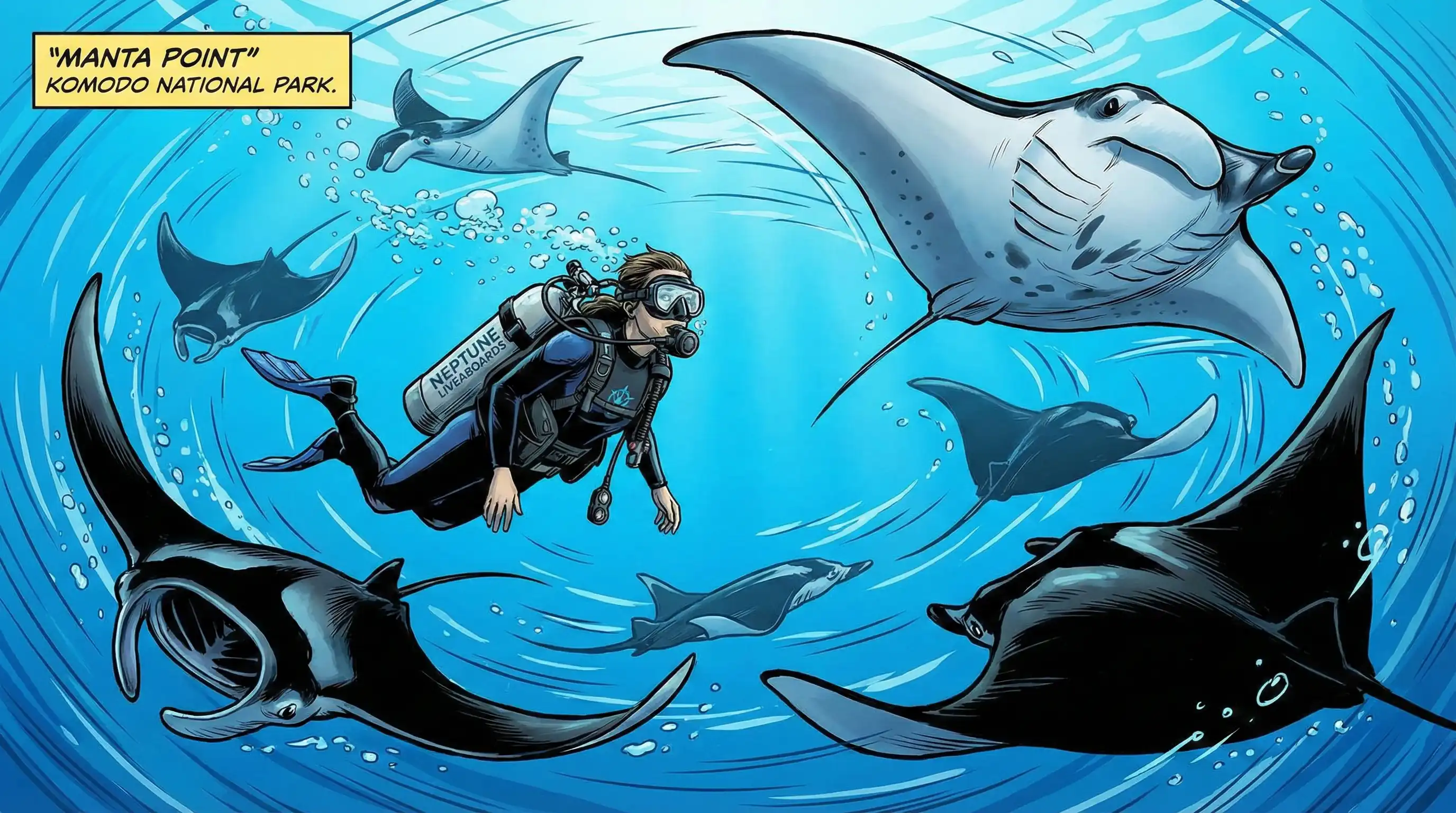
Manta Alley, Manta Point, and Horseshoe Bay are the main areas in the south. Plankton-rich waters lure manta rays to cleaning stations all year round. There are also great macro life and muck diving spots in this area, notably Cannibal Rock, where sea apples, rare nudibranchs, and pygmy seahorses hide among colorful soft corals.
Choosing your route is the most important part of planning your trip. Northern cruises focus on drift dives and pelagic encounters, while southern trips focus on manta rays and small animals. Longer trips are needed to cover both areas in full.
Trip Duration Categories
Short tours that last 3 to 4 days focus on the main attractions in Komodo. They include 8 to 12 dives at the park's most accessible highlights. These itineraries are good for daring divers who don't have a lot of time and want to spend as much time underwater as possible in a short amount of time.
Medium trips are 5 to 7 days and let you explore many different areas in a balanced way. They usually include 14 to 17 dives and land excursions to see the legendary Komodo dragons. This length of time gives captains the freedom to look for the best circumstances between northern and southern destinations.
Longer tours of 8 to 12 days cover all three areas of Komodo, Indonesia: the Central, North, and South. These trips include 20 to 30 dives or more. But, like any other Komodo liveaboard diving trip, the weather and sea conditions will have a big effect on the actual itinerary and whether the liveaboard can stick to the scheduled Komodo liveaboard itinerary.
Understanding where the trips leave from is very important for picking an itinerary. Trips that leave from Labuan Bajo only go to park waters, while those that leave from Bali go across the Flores Sea and include diving along the coast of Sumbawa.
Sample Komodo Liveaboard Itinerary with Neptune Liveaboards
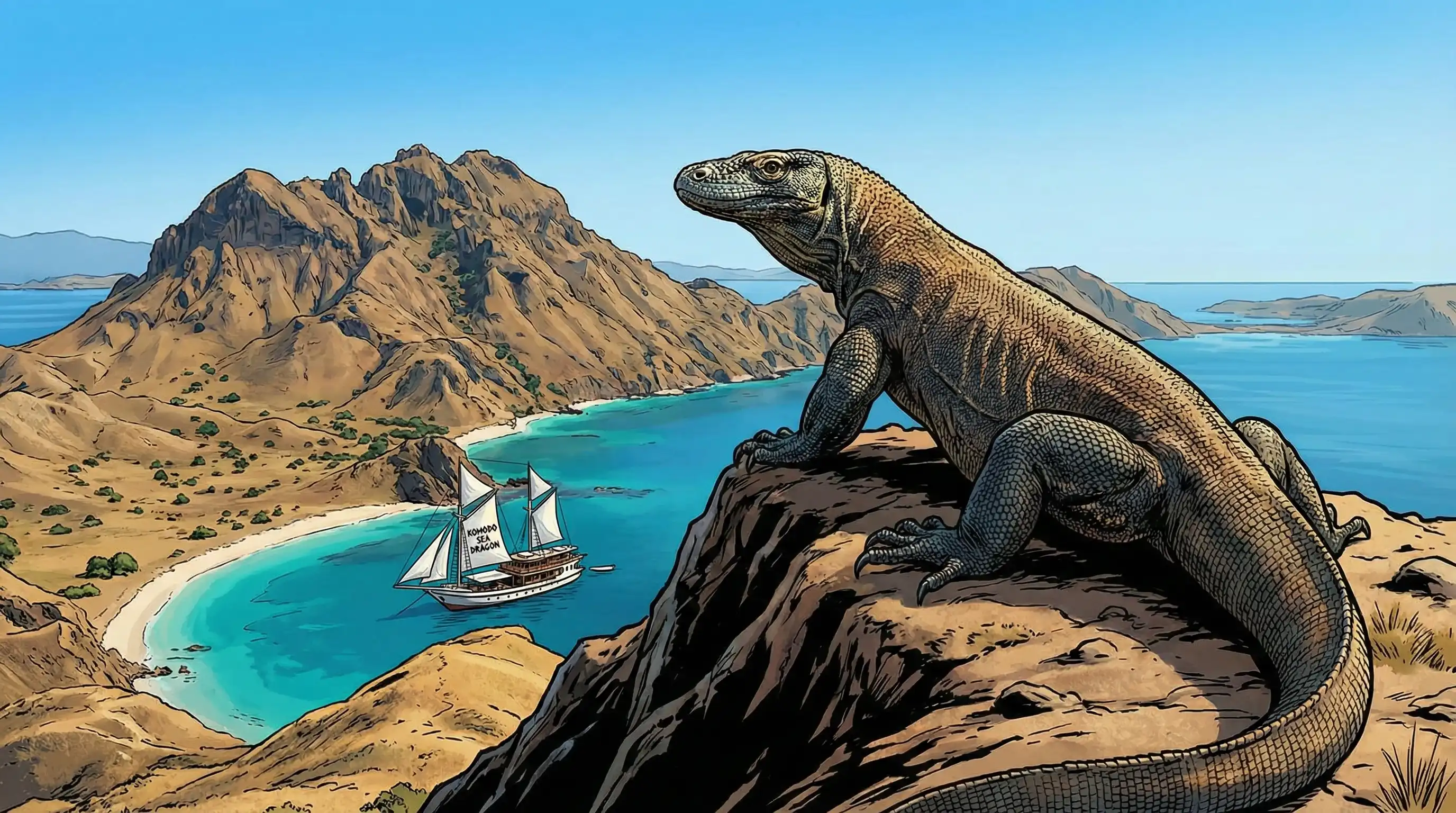
Day 1 (1 dive) – Labuan Bajo - Arrival and check-in onboard. Afternoon check dive to get comfortable in the water.
Day 2 (3 dives + hike) – Central Komodo - Dives at Siaba Besar, Mawan, and Secret Garden. Afternoon hike to Padar Island viewpoint.
Day 3 (4 dives) – South Komodo - Dive iconic sites like Manta Alley, Loh Sera Bay, and Piggy Beach. Expect manta rays, stunning
coral, and cool waters.
Day 4 (3 dives + beach walk) – North Komodo - Dives at Ndihiang, Pink Beach, and Lasa. Enjoy a relaxing beach walk at Pink Beach.
Day 5 (3 dives) – North Komodo - High-voltage dives at Shotgun, Castle Rock, and Crystal Rock with chances to see big pelagics,
reef sharks, and swirling schools of fish.
Day 6 (4 dives) – North Komodo - Dives at Tatawa Besar, Batu Bolong, Tatawa Kecil, and Wainilu. From mantas and turtles to
critters and vibrant coral.
Day 7 (2 dives + trek) – Central Komodo - Morning dives at Police Corner and Pengah Kecil. Trekking with Komodo dragons in the
afternoon.
Day 8 – Labuan Bajo - Early breakfast, check-out, and transfer to the airport or hotel. No diving on this day due to flight
time.
Popular Komodo Itinerary Options
Now that we have a basic understanding of routes and durations, let's look at the many types of itineraries that will be accessible for planning in 2026. Each group has various diving priorities, levels of experience, and scheduling needs.
Central Komodo Express (3-4 Days)
The fast-paced classic Komodo itineraries center on major locations like the iconic Pink Beach with its foraminifera-tinted sands, Padar Island viewpoint excursions, and Manta Point encounters. On Day 1, there is a check dive at places like Sebayur Kecil. Then, every day there are 3 to 4 dives at places like Siaba Besar (Turtle Point), where sea turtles eat seagrass.
The daily schedule is tight: the first and second dives are in the morning when the currents are right, the afternoon dive is at areas with a lot of macro life, and there is an optional night dive to see frogfish and flamboyant cuttlefish. Land activities focus on walking with Komodo dragons at Loh Liang, where rangers lead small groups through areas where 1,700 to 3,000 dragons live.
These express itineraries are for experienced divers who are comfortable with moderate currents and want to make the most of their dive komodo experiences in a short amount of time.
Classic Discovery Routes (5-7 Days)
Balanced Komodo itineraries that go to both the north and south parts of the park provide you the entire range of experiences. A typical 6-day program starts with two dives at southern locations like Manta Alley and Cannibal Rock. Midway through the trip, it moves on to the more difficult northern pinnacles of Castle Rock and Crystal Rock. Again, it's important to remember that no liveaboard can always guarantee that the trip will start and end as scheduled. Komodo is known for having weather and ocean conditions that change quickly.
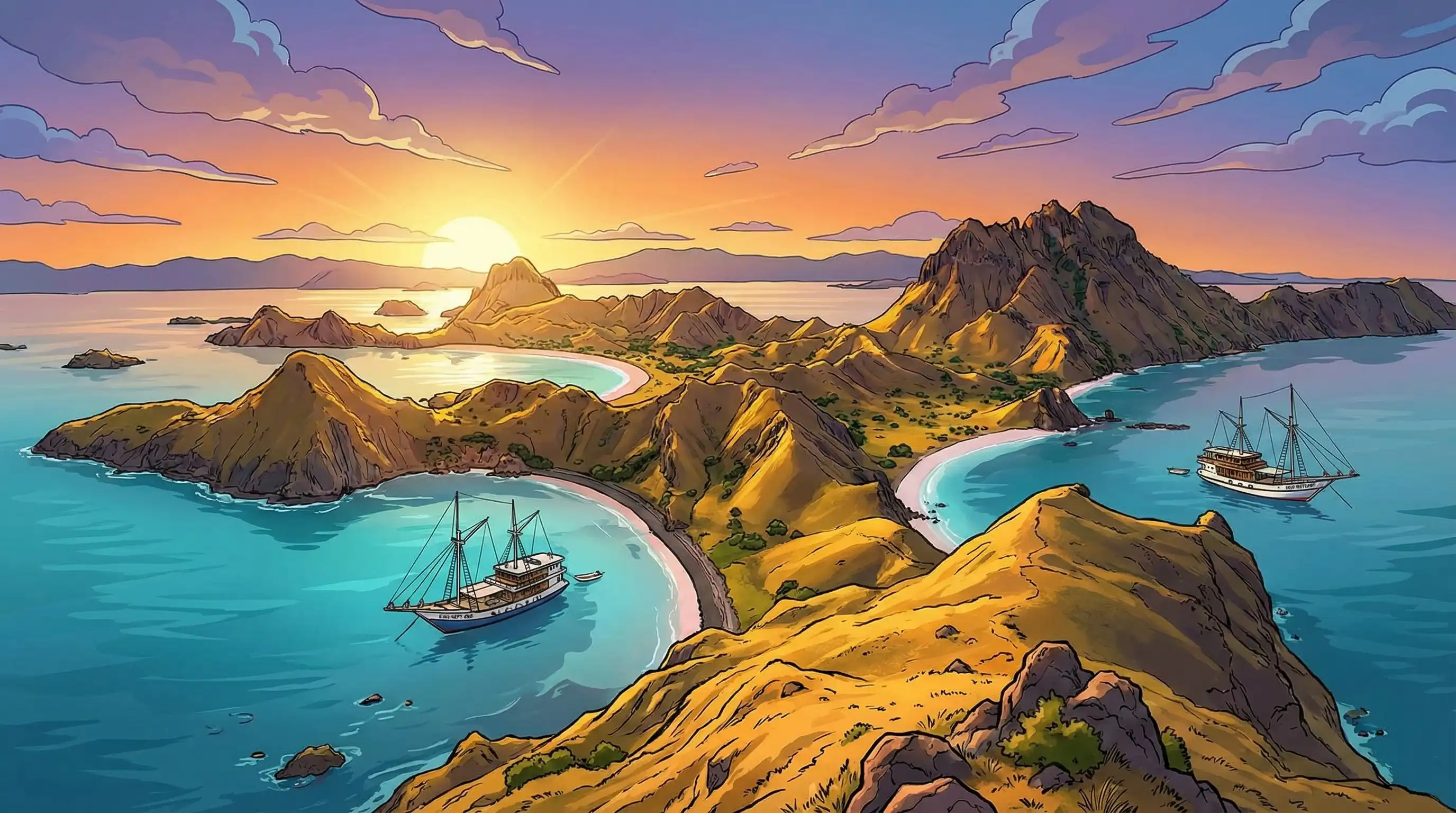
You should expect to do between 14 and 17 dives, one of which will be a night dive to look at small creatures living on sandy slopes. Land trips include visits to Rinca Island and Komodo Island to see dragons, as well as the stunning dawn viewpoint on Padar Island, which is 235 meters high and looks across three bays.
The mix includes drift dives along walls that are pushed by currents and covered in sea fans and colorful coral reefs, as well as macro sites where rare nudibranchs and pygmy seahorses live, and cleaning stations where you can see manta rays. Most divers who are planning their first liveaboard trip to Komodo fall into this category.
Grand Voyage Expeditions (8-12 Days)
Full itineraries that cover all regions include stops at exceptional places that are hard to get to on shorter journeys. Many trips from Bali include Moyo Island's elephant ear sponges, Satonda Island's crater lake and fruit bats at dusk, and Sangeang Volcano's active volcano slopes, which are great for black sand muck diving.
These trips include 20 to 30 dives that show off the whole range of Komodo's marine life. You can see whale sharks in seasonal aggregation areas, golden passage channels full of pelagic species, and manta rays at both Manta Alley and northern spots. The voyage director works with the lunar-tide cycles to make the most of chances at delicate places like Batu Bolong's summit.
Longer land activities could include visiting local towns for cultural reasons and going on several dragon treks. Planning becomes much more difficult because these trips need to be booked in advance during the busiest dry season and there needs to be clear communication regarding the skill levels needed for the most difficult Komodo dive sites.
Detailed Itinerary Planning and Comparison
To plan practically, you need to know how the framework of each day works and how the time of year influences route alternatives and marine life encounters.
Day-by-Day Structure Template
When looking at operator schedules or talking about customisation choices, use this framework:
- Day 1: Embarkation at Labuan Bajo (typically early afternoon), safety briefing, gear setup, check dive at protected site
- Days 2-5: Main diving phases with 3-4 dives daily, rotating between northern and southern regions based on conditions; includes Komodo dragon land tour typically on Day 2 or 3
- Day 6: Extended land excursions to Padar Island viewpoint, cultural sites, or secondary dragon trek; two dives scheduled around activities
- Final day: Last dive in morning hours, return transit, disembarkation procedures after breakfast
Most operators do things in a similar way, but the details are different. Luxury boats that offer reef hooks for places with strong currents and 4:1 guide ratios may plan dives differently than budget-focused tours.
Seasonal Itinerary Comparison
| Season | Best Regions | Marine Life | Weather Conditions |
|---|---|---|---|
| Dry Season (Apr-Nov) | Southern Komodo | Manta rays, macro life, vibrant reefs | Sunny, calm southern seas, 25m+ visibility |
| Wet Season (Dec-Mar) | Northern Komodo | Pelagics, sharks, increased plankton activity, Manta Migration | Green landscapes, rougher conditions in south |
The dry season is best for the southern region since visibility is 25 to 30 meters and the water temperature is about 28°C. During these months, interactions with manta rays at cleaning stations are at their highest, with a 70% success rate at the best sites.
During the wet season, diving moves north to areas where conditions are still good. Plankton blooms make it hard to see more than 10–20 meters, yet they draw in more pelagic activity. This time of year is good for photographers who want to capture stunning underwater views and divers who would rather observe bigger marine life than have crystal clear water.
When you travel, think about what you want to see. Manta rays and bright soft corals like to travel in the dry season, whereas grey reef sharks and pelagic action get better in the months between seasons.
Potential Challenges To Look Out For
When arranging Komodo liveaboard cruises, it's common for problems to come up with the itinerary. These useful ideas deal with the problems that divers face the most.
Current and Weather Disruptions
Flexible itinerary structures are important since currents of up to 6 knots can make planned places dangerous on any given day. Good dive operators always have backup dive locations planned for every day. For example, when Batu Bolong gets too strong, Tatawa Besar's coral garden is a great place to go instead. Before you book, be sure that the operator you choose can be flexible.
Experience Level Mismatches
When operators and workers talk to each other clearly about their skill levels, it keeps things from getting awkward or harmful. To dive at places like Crystal Rock and Castle Rock, you need to have at least an Advanced Open Water certification and familiarity in drift diving. Good dive operators check guests during the check dive and change the sites they go to next based on that. If your group has people with different skill levels, make sure to ask for this when you book.
Seasonal Availability Conflicts
During the peak dry season (July to October), there is a lot of demand, and popular boats book 6 to 12 months in advance. Early booking techniques include confirming dates as soon as you choose your vacation windows and looking into shoulder months (April-May and October-November) that have similar weather but better availability. Knowing these limits will help you avoid being disappointed when you look up certain departure dates.
Equipment and Logistics Issues
Before you go, talk to the Komodo liveaboard operators about the availability of rental equipment. Most boats have basic gear, tanks, and weights, but you need to make arrangements ahead of time for unique goods like reef hooks for drift dives or underwater cameras. Full packing should include personal protective gear, seasickness medicine, and extra supplies in case of restricted resupply choices during trips.
The quality of your experience depends on how well you prepare. Spend time coordinating logistics before you leave.
What's Next
To have a successful Komodo liveaboard tour, the duration of the trip, the region, and the time of year must all fit with the diver's aims. Short tours of 3 to 4 days are great for experienced divers who want to make the most of their limited time. Longer trips of 5 to 7 days let you see all the many parts of the park. Long trips that last 8 to 12 days open up remote areas and make experiences that will last a lifetime in every part of this amazing marine ecosystem.
Immediate actionable steps:
- Determine your experience level and preferred marine life encounters (manta rays, pelagic species, macro critters)
- Select optimal travel dates based on seasonal conditions and availability
- Choose appropriate trip duration matching your schedule and diving goals
- Contact reputable operators for availability and detailed itinerary confirmation
Some other issues that would be interesting to look into are the requirements for diving certification at Komodo's current-swept areas, planning underwater photography trips for certain types of marine life, and the practicalities of traveling to Indonesia, such as flights to Labuan Bajo and visa procedures.
Additional Resources
Komodo National Park Regulations:
- Park entry fees range IDR 150,000-300,000 per day, higher for foreign visitors
- Dragon trek permits required at designated sites with ranger accompaniment
- Diving at certain sites (Batu Bolong) prohibited for snorkelers due to surface current hazards
Recommended Certification Levels:
- Protected sites and southern manta stations: Open Water certification
- Moderate current sites (Tatawa, Pink Beach): Advanced Open Water recommended
- Strong current pinnacles (Castle Rock, Crystal Rock, Golden Passage): Advanced certification required, drift dive experience essential
Essential Packing Checklist:
- Exposure suit appropriate for 26-28°C waters (3mm full suit recommended)
- Seasickness medication for overnight transits
- Reef-safe sunscreen for land excursions
- Surface marker buoy (SMB) for drift dive safety
- Underwater torch for night dive activities
- Motion-friendly dry bag for electronics