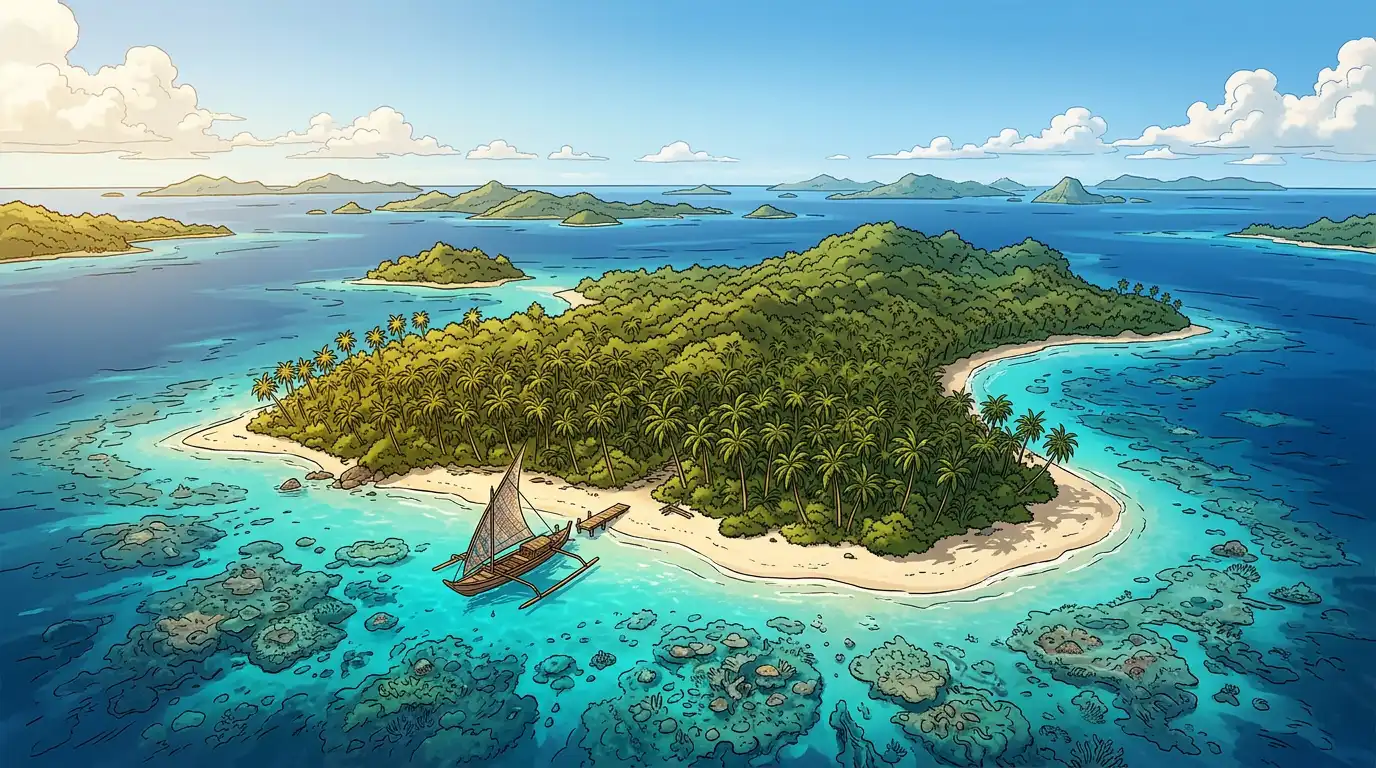
Scuba diving has a way of shrinking the planet and expanding your imagination at the same time. One trip can introduce you to reef sharks gliding over a coral wall, another can put you eye to eye with a whale shark, and a third can leave you speechless in muck diving terrain where the “small fish” are the main event. The best diving spots in the world are not a single reef or a single country. They are a scattered network of dive locations where water temperatures, currents, visibility, and marine life align to create an underwater world that feels almost unfair to the rest of the planet.
This guide is written for divers who already know their scuba gear, who understand what a dive trip demands in time and budget, and who want a clear map of the best dive sites and diving destinations worth building a bucket list around. We will move from macro photography havens to big animals, from shore diving to drift diving, from UNESCO World Heritage Sites to a remote location that still feels like a hidden gem.
Before we go deep into each region, we start exactly where the global list should begin for anyone who wants the strongest combination of biodiversity, dramatic seascapes, and legendary dive sites: Indonesia diving spots, with Komodo National Park first.
The Best Diving Spots in the World: A Curated List
If you want a practical shortlist you can plan a year around, begin here. This list prioritizes Indonesia and Komodo National Park before any other destination, then expands worldwide.
1. Komodo National Park, Indonesia (East Nusa Tenggara)
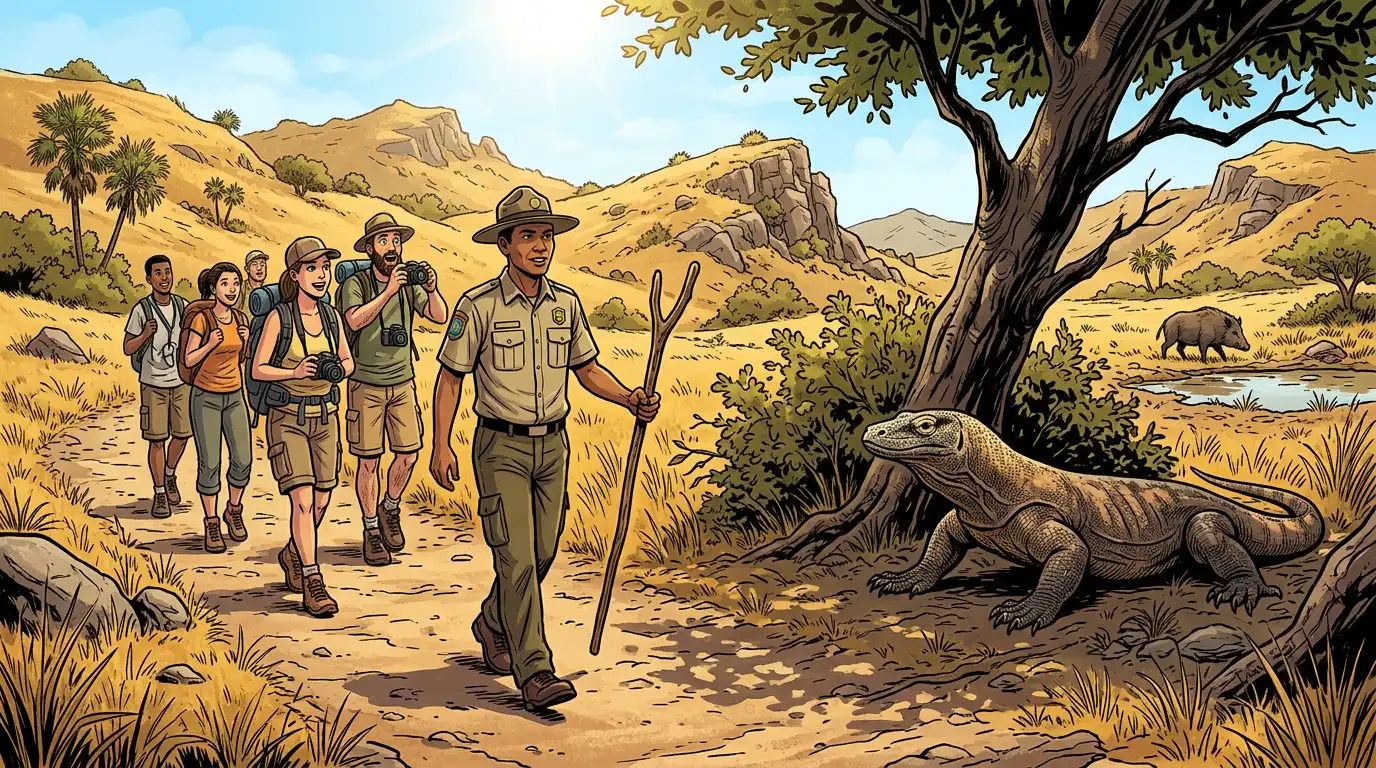
Komodo National Park is a UNESCO World Heritage Site and a national park that delivers one of the most famous drift diving experiences on the planet. Expect ripping currents, massive schools of fish, manta rays, grey reef sharks, and the kind of coral reef scenery that makes experienced divers grin behind their regulators. It is also one of the only places where world class diving sits beside terrestrial wildlife that feels prehistoric: the Komodo dragon. For many divers, Komodo is not just a favorite destination, it is the reason they learned to handle current in the first place.
2. Raja Ampat, Indonesia (West Papua)
If Komodo is current and adrenaline, Raja Ampat diving is often described as the pinnacle of coral diversity in the Coral Triangle. The underwater world here includes mind blowing reefscapes, soft corals, huge schools of reef fish, and sites that feel like they were designed for wide angle and macro photography at the same time. It is frequently cited among the best dive locations in the world for sheer species counts.
3. North Sulawesi, Indonesia (Bunaken, Lembeh Strait, Bangka)
North Sulawesi splits personality cleanly: world class wall diving and turtles near Bunaken, and muck diving in the Lembeh Strait that competes with anywhere on earth for weird critters and macro photography. If you want a trip that mixes “big reef” and “small magic” in one region, this is a standout.
4. Apo Island, Philippines (Negros)
Apo Island is a classic example of community protected reefs that bounced back hard. The coral reef here can feel like a living textbook for what a healthy tropical ecosystem looks like, with large schools of jacks, plenty of turtles, and a relaxed day trip rhythm that suits divers who like simple logistics.
5. Malapascua Island, Philippines
Malapascua Island is the only place many divers trust for reliable thresher shark encounters at dawn, plus a supporting cast of macro subjects, whitetip sharks, and occasional manta moments depending on season. It is a small island with a strong dive shop culture and a loyal international crowd.
6. Richelieu Rock, Thailand (Andaman Sea)
Richelieu Rock is a submerged pinnacle famous for massive schools, whale shark possibilities in season, and a riot of soft corals and reef fish swirling in currents that demand attention. It is often paired with broader Similan itineraries and remains a bucket list site for divers touring Thailand’s best dive sites.
7. Koh Tao, Thailand
Koh Tao is known globally as a training island, but it still offers fun reef diving, artificial reefs, and easy conditions that make it accessible almost year round for newer divers while still entertaining advanced divers on deeper pinnacles and wrecks.
8. Sail Rock, Gulf of Thailand (near Koh Tao / Koh Phangan)
Sail Rock is a pinnacle dive that can deliver whale sharks, barracuda tornadoes, and a vertical profile that feels like an elevator ride through fish. It is one of the best-known “big fish” day trip magnets in the region.
9. Great Barrier Reef, Australia
The Great Barrier Reef remains the world’s most famous barrier reef system. From outer reef walls to iconic reef sharks and seasonal visitors like humpback whales in certain windows, it is a defining diving destination with infrastructure that suits travelers who want comfort alongside adventure.
10. Red Sea, Egypt (and broader Red Sea routes)
The Red Sea combines wreck dives, sheer walls, and reliable sunshine. You can chase oceanic whitetips and hammerhead sharks in offshore routes in some seasons, explore famous wrecks, and enjoy water temperatures that make planning easier for many travelers.
11. Galapagos Islands, Ecuador
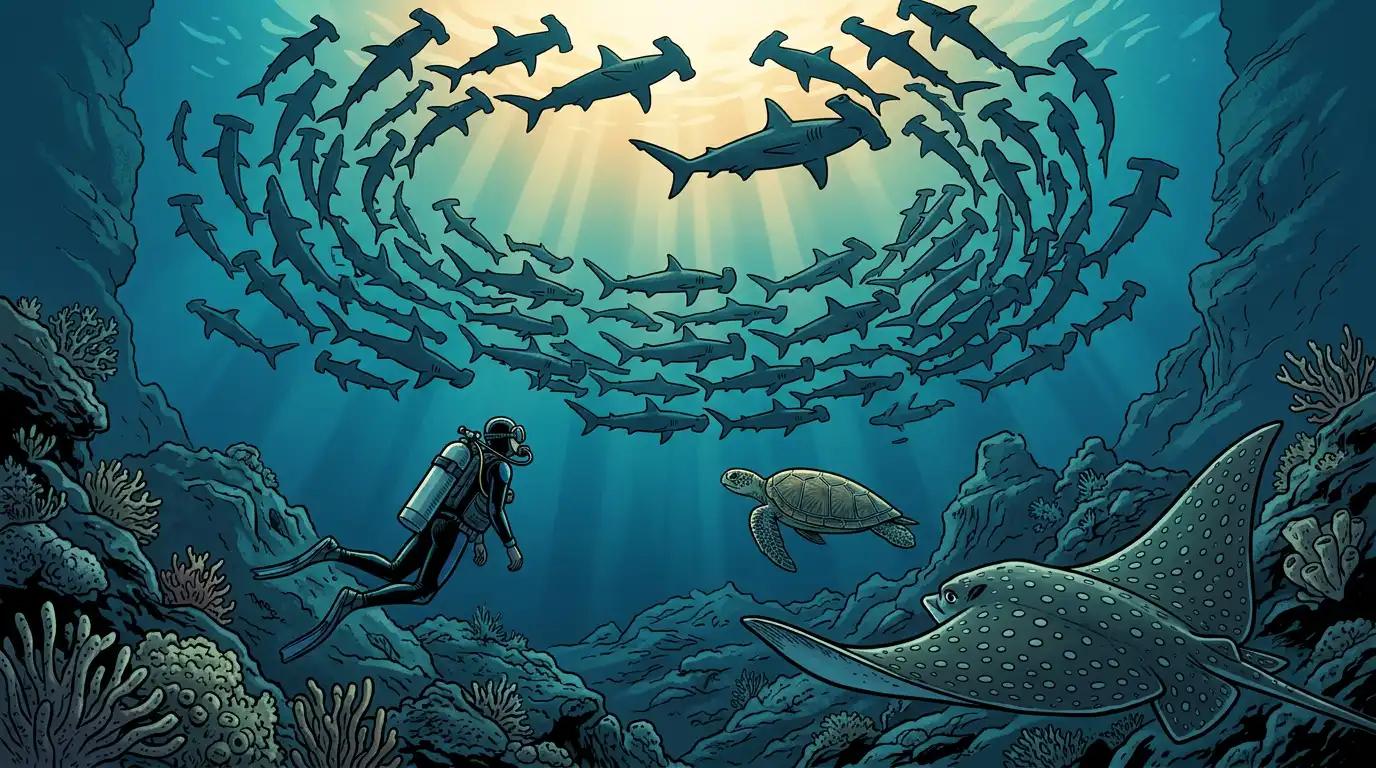
The Galapagos Islands are a national park and marine reserve experience built around big animals: hammerhead sharks in iconic blue water, whale sharks in season, silky sharks, Galapagos sharks, marine iguanas underwater, and encounters that feel like nature documentaries come alive.
12. French Polynesia (including Rangiroa, Fakarava, and the south Pacific’s shark highways)
French Polynesia delivers some of the most cinematic shark diving in the world, including tiger sharks and large schools of grey reef sharks in passes where drift diving is the main skill you need to master. Eagle rays and manta rays often complete the scene.
13. Papua New Guinea
Papua New Guinea remains a remote location with reefs that can feel untouched, strong cultural context topside, and marine life that rewards travelers who accept complex logistics.
14. Cabo San Lucas and Los Cabos region, Mexico (including day trip routes from Cabo San Lucas)
The Sea of Cortez side and Pacific routes near Los Cabos can deliver sea lions, mobula rays, seasonal humpback whales, and a different flavor of diving than coral triangle classics. Some itineraries connect through Los Cabos International Airport for travelers combining beach time with diving.
15. Playa del Carmen and the Yucatan, Mexico (including cenotes and Caribbean reefs)
Playa del Carmen is a hub for Caribbean reef diving, bull shark seasons in some years, and the famous Blue Hole region of Belize is a manageable trip away for travelers building a broader itinerary. Cenote diving nearby adds a unique overhead environment for trained cave divers.
That list is not exhaustive, but it is honest. The best diving spots in the world change slightly depending on whether you prioritize coral diversity, pelagic sharks, wrecks, or macro photography. What does not change is that Indonesia belongs at the top of the conversation, and Komodo National Park belongs at the top of Indonesia for divers who want national park protection, legendary sites, and a liveaboard friendly geography.
Why Indonesia Leads the Conversation on the Best Diving Spots in the World
Indonesia sits at the heart of the Coral Triangle, the region with the highest coral and fish diversity on earth. That alone puts Indonesian waters in contention for every “best dive” ranking. But diversity on a map is not the same as quality on a dive. Indonesia wins because it offers variety at scale: muck diving in volcanic black sand, drift diving along seamounts, coral gardens that look like gardens from a dream, and big animals when currents concentrate life.
Komodo National Park: Drift Diving, Manta Rays, and Reef Sharks
Komodo National Park is often the first name advanced divers mention when someone asks for the best diving spots in the world that feel wild. The national park status matters because it frames expectations: this is protected space, not a random stretch of coast.
Underwater, Komodo can feel like a machine designed to manufacture adrenaline. Sites like Batu Bolong are famous for vertical relief, dense coral cover, and the kind of fish biomass that makes you feel small. Castle Rock and Crystal Rock can deliver trevally blitzes, grey reef sharks on patrol, and moments where massive schools move as one unit. Manta Point and similar manta ray cleaning stations can produce encounters so repeated they almost feel unfair, though nothing in the ocean is ever truly guaranteed.
Komodo is also a place where water temperatures can swing noticeably, a reminder that currents bring cold upwelling and nutrient rich water, which is exactly why the marine life is so stacked. For divers who want training wheels, Komodo is not always the gentlest classroom. For divers who want a world class payoff, it is exactly the right classroom.
Neptune Liveaboards runs Komodo liveaboard itineraries designed for divers who want to maximize time in the park and minimize time lost to long transfers. A liveaboard is often the best way to reach various dive sites across the park efficiently, especially when you want dawn and dusk flexibility and multiple dives per day without returning to a distant harbor every night.
Raja Ampat: Mind Blowing Reefscapes and Soft Corals
Raja Ampat in West Papua is frequently described as one of the best dive locations on earth for coral reef health and variety. You can float over slopes that look like someone spilled an entire paint set into the ecosystem: soft corals, sea fans, dense schools of reef fish, and slopes that transition from snorkel depth to deep blue in a short kick.
Raja Ampat is also a place where “only place” claims get thrown around too easily, but the sheer species lists are hard to argue with. If your definition of the best diving spots in the world includes maximum reef complexity, Raja Ampat belongs in your top tier.
North Sulawesi: Walls, Critters, and Two Worlds in One Trip
North Sulawesi is a clever addition to any Indonesia liveaboard itinerary because it answers two different dreams. Bunken style walls and turtles satisfy divers who want classic tropical walls. Lembeh Strait muck diving satisfies divers who want frogfish, rhinopias, seahorses, and the strange beauty of sandy slopes. If you love macro photography, Lembeh is a pilgrimage site. If you love big reef panoramas, you still have Bangka and nearby reefs in the conversation.
The Great Barrier Reef: Iconic Barrier Reef Diving at Scale
The Great Barrier Reef is the barrier reef that even non divers can name. For scuba divers, it is a vast system with outer reef edges, bommies, channels, and seasonal visitors. You can talk about reef sharks, giant clams, turtles, and schooling fish in quantities that make the reef feel alive even when visibility shifts with weather.
What the Great Barrier Reef offers that some remote locations do not is infrastructure. That matters when you want a dive trip that balances family travel, shorter boat days, or a softer topside experience. It also matters because the best diving spots in the world are not only about what is underwater, but whether you can actually get there, dive safely, and enjoy the surface interval without unnecessary friction.
The Red Sea: Wrecks, Walls, and Reliable Conditions
The Red Sea belongs on any global list for three practical reasons: accessibility for many international travelers, water temperatures that often feel comfortable in common seasons, and a huge range of dive types from shallow coral gardens to deep wreck dives.
You can chase big animals depending on route and season, including hammerhead sharks in certain offshore areas for experienced divers on the right itinerary. You can also spend entire weeks focused on wrecks, penetration only if properly trained, and the kind of historical texture that turns a dive trip into a time travel story.
Galapagos Islands: Big Animals and a National Park Like No Other
The Galapagos Islands are a national park experience where the rules exist to protect something fragile and priceless. Underwater, the highlight reel includes schooling hammerhead sharks, whale sharks in the right season, and a predator presence that can feel relentless in the best way. You may also encounter marine iguanas feeding, sea lions playing, and eagle rays passing like silent aircraft.
This is not always easy diving. Surge, cold water pockets, and strong currents can appear. That is why Galapagos is often recommended for advanced divers who are comfortable in blue water and ready to focus on buoyancy at all times.
French Polynesia: Pass Diving, Tiger Sharks, and Drift Diving Culture
French Polynesia is where many divers go when they want shark diving that feels cinematic. In famous passes, you can experience drift diving that is closer to a controlled flight than a lazy swim. Grey reef sharks may mass in numbers that look like a living wall, and tiger sharks can appear in managed contexts depending on the operator area and local regulations.
Add eagle rays, manta rays in some locations, and water clarity that makes wide angle photography sing, and you understand why the south Pacific repeatedly ranks among favorite destinations for shark lovers.
Papua New Guinea: Remote Reefs and Hidden Gem Energy
Papua New Guinea is not the easiest place to reach, and that is part of the point. Some of the best diving spots in the world remain “hidden gem” experiences precisely because flights, boats, and schedules require commitment.
What you can get in return is reef vitality, cultural richness, and dive sites that do not feel like highways. If you want a remote location with serious biodiversity, PNG stays in the conversation.
Thailand’s Heavy Hitters: Richelieu Rock, Koh Tao, and Sail Rock
Thailand is often treated as a training destination, but that undersells the top end. Richelieu Rock is a pinnacle experience that can feel like being inside a tornado of life, especially when currents concentrate fish and predators arrive to hunt.
Koh Tao supports a huge dive shop ecosystem and remains a year round hub for learning and fun diving. Sail Rock is a classic pinnacle where you may find whale sharks, massive schools, and the kind of open water blue that makes you feel suspended between worlds.
Philippines: Apo Island, Malapascua, and Thresher Shark Dreams
The Philippines is a country you can return to again and again because the archipelago is enormous and the styles vary. Apo Island is a coral reef success story that feels joyful and accessible. Malapascua Island is a specialist destination built around thresher sharks and the quiet magic of dawn dives.
If your bucket list includes thresher sharks, Malapascua Island is often described as the only place you can reasonably build a trip around that specific dream.
Mexico: Playa del Carmen, Los Cabos, and the Blue Hole Region
Mexico is a big country with multiple underwater worlds. Playa del Carmen and the Riviera Maya offer Caribbean reefs and seasonal shark encounters depending on year and regulations. Los Cabos International Airport makes the Los Cabos region an easy entry point for travelers combining resorts with diving. Cabo San Lucas sits at the tip of a peninsula where conditions vary by season, and some travelers will add a day trip or multi day route to chase specific marine life.
Belize’s Great Blue Hole is not in Mexico, but many divers group Caribbean planning together when they talk about a single long trip through the region. The Blue Hole is a distinctive dive for advanced divers comfortable with depth and overhead environment awareness.
What Makes a Dive Site “World Class” in Real Terms
When people say “best dive sites,” they often mix three different ideas: biodiversity, big animals, and unique terrain.
Biodiversity is Raja Ampat and much of Indonesia at its best. You see anemone fish next to pygmy seahorses next to a wall of soft corals. You hear the reef before you see it, a crackling soundscape of life.
Big animals is Galapagos, parts of French Polynesia, and seasonal whale shark destinations. You trade some coral garden time for pelagic intensity.
Unique terrain is cenotes, wrecks, walls, pinnacles, and muck slopes. Your favorite destinations might not be someone else’s, and that is normal.
Skills That Unlock the Best Diving Spots in the World
The best diving spots in the world are not always the easiest. Drift diving in Komodo or French Polynesia rewards divers who can stay shallow or deep as needed, who can hold position behind a rock, and who understand how to end a dive safely without fighting the ocean.
Advanced divers tend to get more from complex sites because they spend less mental bandwidth on basic buoyancy and more on positioning for photography and safety. That does not mean newer divers cannot enjoy great locations, but it does mean some sites are honestly best left until you have enough dives that current feels familiar, not frightening.
Macro Photography, Muck Diving, and the Power of Small Fish
Some of the best diving spots in the world are not about massive schools. They are about muck diving slopes such as Ambon in Banda Sea, Indonesia, where a skilled guide points at sand until sand becomes a rhinopias. North Sulawesi’s Lembeh Strait is a flagship example.
Macro photography rewards patience, steady breathing, and a lens that loves tiny subjects. If you only chase big animals, you will miss half the artistry of the underwater world.
Artificial Reefs and Wreck Dives: History Meets Habitat
Wreck dives add a different emotion to a dive trip. A ship becomes an artificial reef, moray eels claim corridors, and schools of fish adopt structure as home. The Red Sea is famous for wrecks, but wrecks exist worldwide.
Artificial reefs can also be deliberate conservation tools. They are not a replacement for natural reef protection, but they can concentrate life and take pressure off fragile shallow areas when managed well.
Planning Reality: One Trip, Water Temperatures, and Year Round Myths
No destination is perfect every month. Water temperatures shift with season and currents. Manta rays and whale sharks often have seasonal peaks. Hammerhead sharks and thresher sharks follow patterns that locals know better than any blog.
That is why “year round” is a phrase you should treat carefully. Some places are accessible year round, but the best season still exists.
Also, the best diving spots in the world cannot all be done in one trip unless you have unlimited time and budget. Most divers build a life list and return to a favorite region again and again.
Why a Liveaboard Changes What You Can See
Day trips are wonderful for convenience. Liveaboards are wonderful for range. In places like Komodo National Park and Raja Ampat, the best dive sites are often spread across a wide area. A liveaboard lets you wake up closer to the action, dive early, and access various dive sites with less surface commuting.
Neptune Liveaboards focuses on itineraries that match how serious divers actually travel: multiple dives per day, comfortable boats built for long routes, and crews who understand that a bucket list trip is not a casual weekend hobby.
Conservation and the Ethics of Visiting the Best Dive Locations
The best dive locations stay best when divers behave well. That means buoyancy control to avoid crushing coral, respectful distance from sharks and manta rays, and support for marine protected areas. UNESCO World Heritage Site status is not a decoration. It is a responsibility.
When you choose operators who emphasize sustainability, you help protect the same reefs you want to photograph.
Final Thoughts: Build Your List, Then Go Diving
The best diving spots in the world will always be debated because taste matters. Some divers want sharks first. Some divers want coral first. Some divers want wrecks, caves, or macro critters first.
What is not debatable is that Indonesia belongs at the front of the list, and Komodo National Park belongs at the front of Indonesia for divers who want national park diving with currents, mantas, sharks, and scenery that feels larger than life.
Start with Komodo in your planning imagination, expand across Indonesia, then chase the Red Sea, the Great Barrier Reef, the Galapagos Islands, French Polynesia, and the rest of the map as your time and budget allow. The underwater world is wide. The best move is simple: pick a destination, book the flights, check your scuba gear, and go.