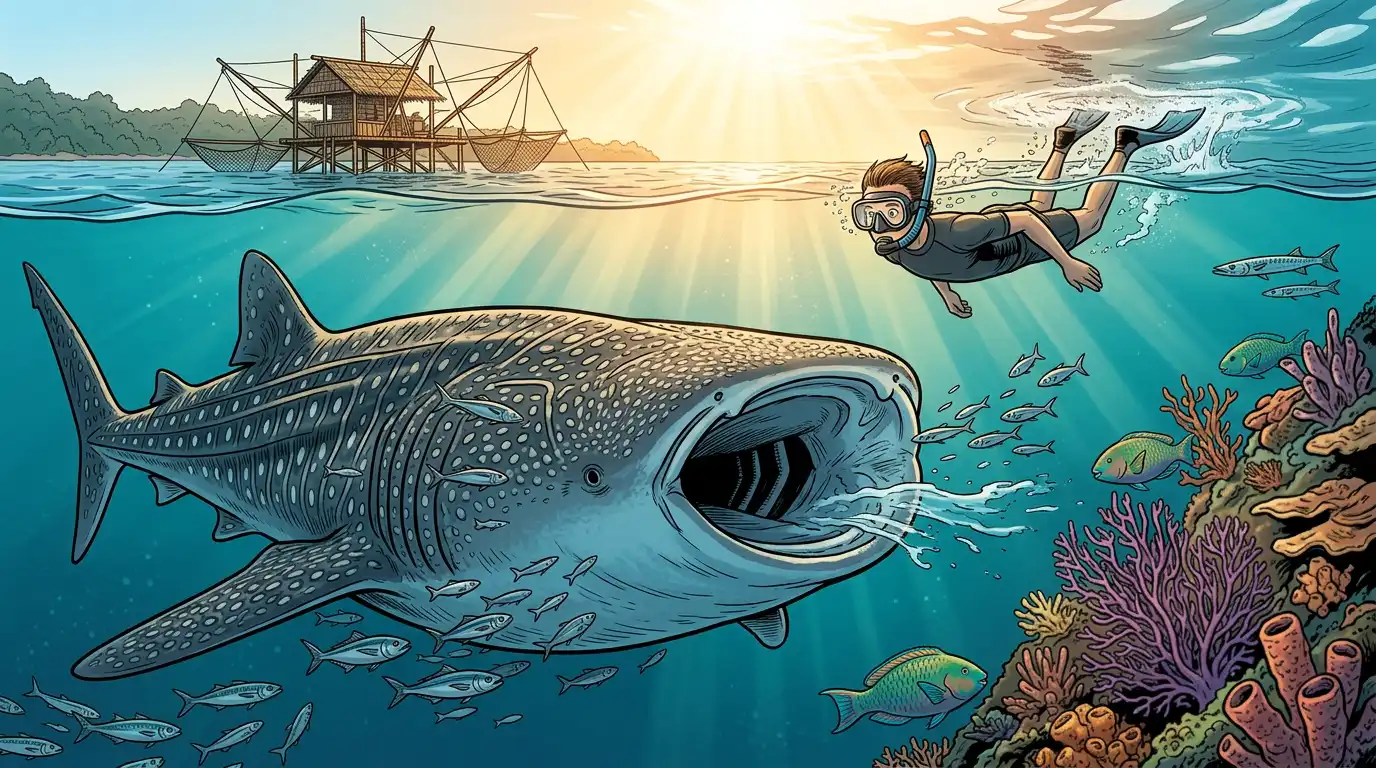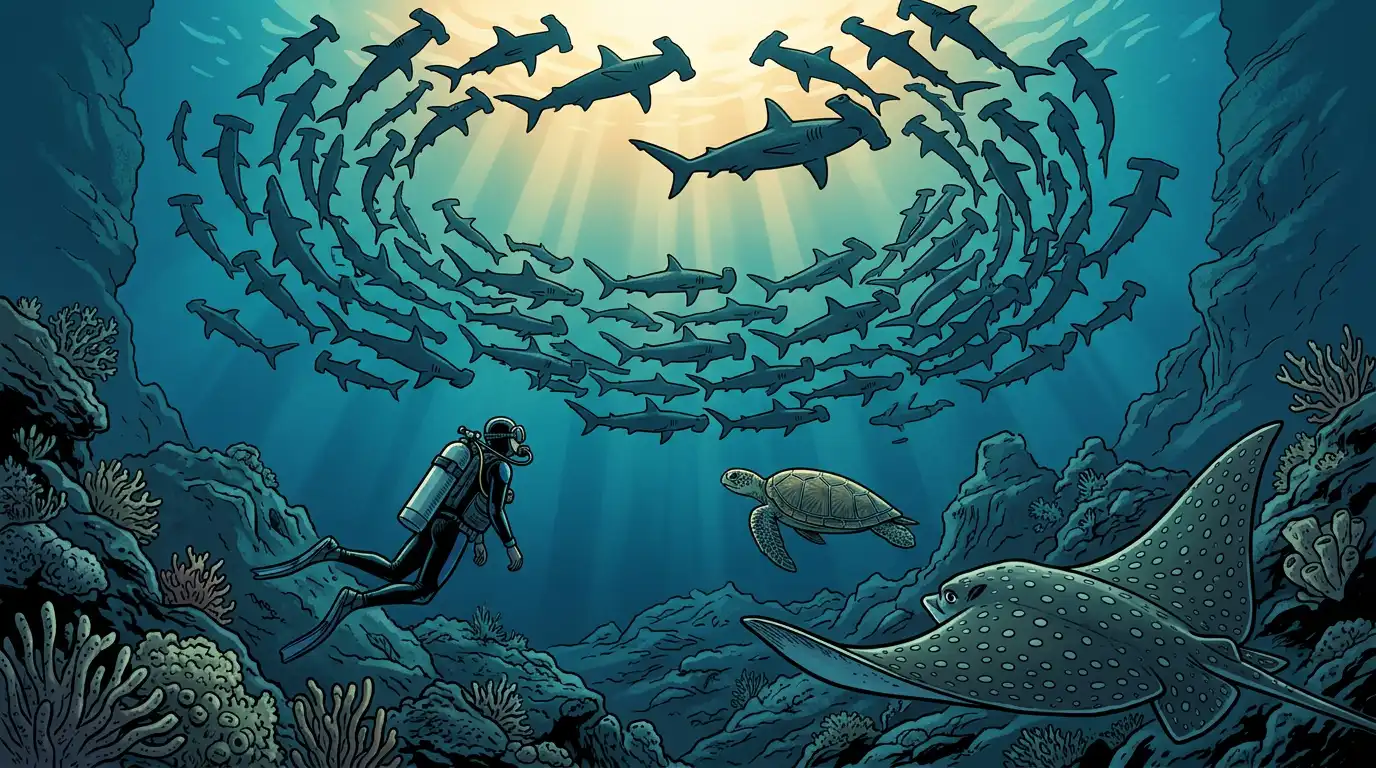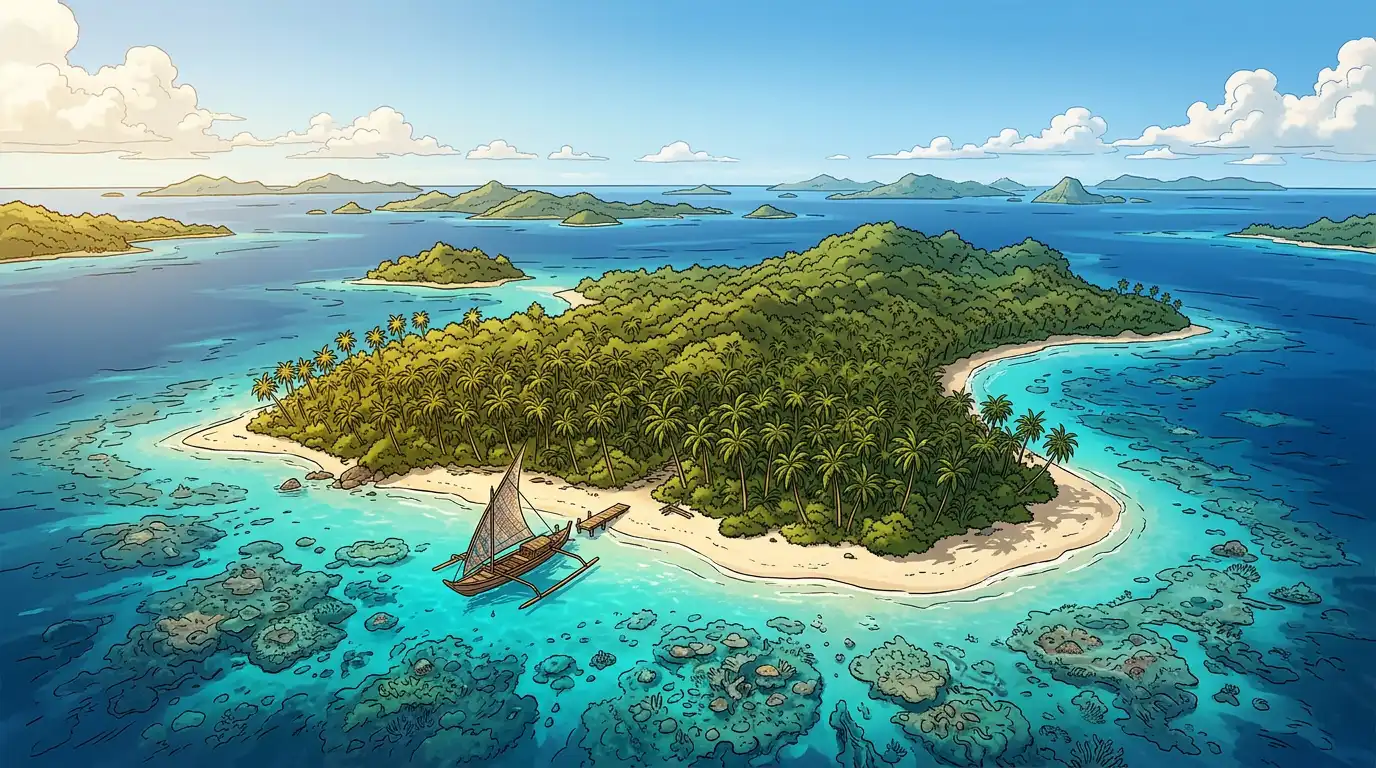
Halmahera diving is one of Indonesia's last real frontiers for underwater research. It's an isolated island paradise where pristine reefs are almost unspoiled and you can see reef sharks without another diver in sight. This is the biggest island in the Moluccas archipelago and sits in the middle of the Coral Triangle. It has world-class diving that is just as good as more famous places but with less people.
This guide has all the information you need for scuba diving in Halmahera, including the best dive sites from Patinti Strait to Weda Bay, the best times of year to go, what kind of marine life you might see, where to stay (including liveaboards and the Sali Bay Resort), and how to plan your trip to this less-traveled destination. Diving in Halmahera is great for both experienced divers looking for exciting drift dives with pelagic fish and macro lovers looking for pygmy seahorses and ghost pipefish.
Halmahera diving has more than 500 species of fish and more than 300 types of coral at each location. It also has marine biodiversity that is similar to Raja Ampat, but it costs a lot less and is almost never crowded.
By the end of this guide, you’ll understand so much more about Halmahera diving:
- The top dive sites across South Halmahera, Weda Bay, and the surrounding islands
- Why the dry season from June to October offers optimal conditions
- How to choose between dive cruises and land-based resorts
- What marine species you’ll encounter from hammerhead sharks to nudibranchs
- Complete logistics for planning your diving experience
Understanding Halmahera Diving Destination
Halmahera is the biggest island in Indonesia's Maluku archipelago. It is in a good spot where nutrient-rich Pacific waters flow via narrow straits into the Indonesian Throughflow. This location is what makes some of the richest underwater habitats on Earth work. This is important information for any diver wanting to go to Halmahera.
Geographic Location and Accessibility
The island is in the middle of the Coral Triangle, where more than 75% of the world's coral species live. It is between North Sulawesi and the entry to Raja Ampat. To get to this distant place, you have to either fly there every day from Manado or connect through regional airports and then take a boat to the dive spots or resorts.
Halmahera fits perfectly into itineraries that combine Lembeh Strait's famous muck diving with Raja Ampat's rich biodiversity. This makes for a complete Coral Triangle experience. Because of where the island lies, strong tidal currents flow through channels like Patinti Strait, bringing nutrient-rich water that attracts both huge pelagic fish and the little food that they eat.
Marine Biodiversity and Ecosystem
There are more than 450 known coral species and more than 800 types of reef fish in the waters around Halmahera. Some assessments say that these numbers are close to the famous counts in Raja Ampat. Hard corals and soft corals cover every surface, from shallow gardens to deep walls. These corals provide habitat layers that support anything from millions of schooling fish to the tiniest microscopic life hidden in crevices.
This environment is remarkable because it has healthy branching corals in protected bays, soft and hard corals along cliffs that are swept by currents, and exquisite coral gardens in places that are safe from the harshest weather. Water temperature remains warm at 27-30°C year-round, with visibility ranging from 10 meters in nutrient-rich passages to 40 meters in open water, ideal conditions for underwater photography of both wide-angle seascapes and detailed macro subjects.
Essential Dive Sites in Halmahera
Halmahera's dive sites are very different from each other. For example, there are fast-moving current channels that attract top predators and protected black sand slopes where animals can hide in plain sight. There are more than 40 recognized sites in the area that offer 7- to 10-day itineraries that never have the same underwater experience twice.
Patinti Strait and Surrounding Islands
For experienced divers looking for huge animals, Patinti Strait is the best place to go. This short gap between southwest Halmahera and Bacan Island concentrates currents so strongly that bubbles occasionally go down instead of up. This is the clearest sign of a major flow that only advanced divers should try.
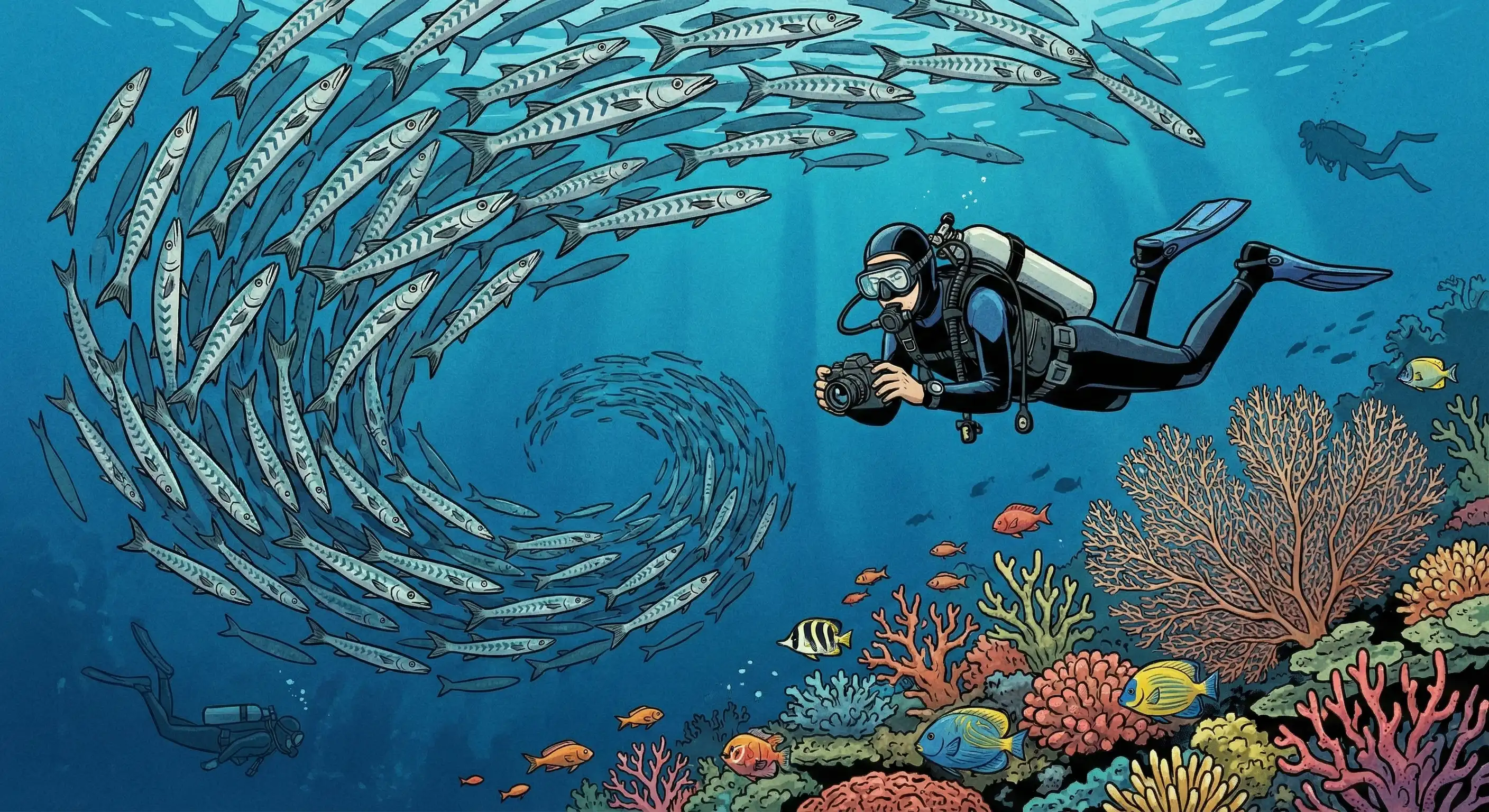
The geology of Patinti makes it a world-class diving spot. In the shallows up to 15 meters, there are beautiful soft coral and sponge gardens. of 24 meters and deeper, the movement is strong. Blacktip reef sharks swim along the walls, and grey reef sharks swim around deeper structures. There are huge schools of barracuda, tuna, and fusiliers swimming around structures in numbers that are even bigger than those at Komodo's most popular diving locations.
Key sub-sites include:
- Proco Channel: Between Pulau Salah and Pulau Saleh Kecil, renowned for dramatic shark activity when conditions align
- Batu Jabu: A rock seamount offering calmer lee-side reefs rich in corals
- Goraici Islands: Coral-covered walls dropping into deep water with blacktip reef sharks patrolling and macro hotspots yielding nudibranchs and seahorses
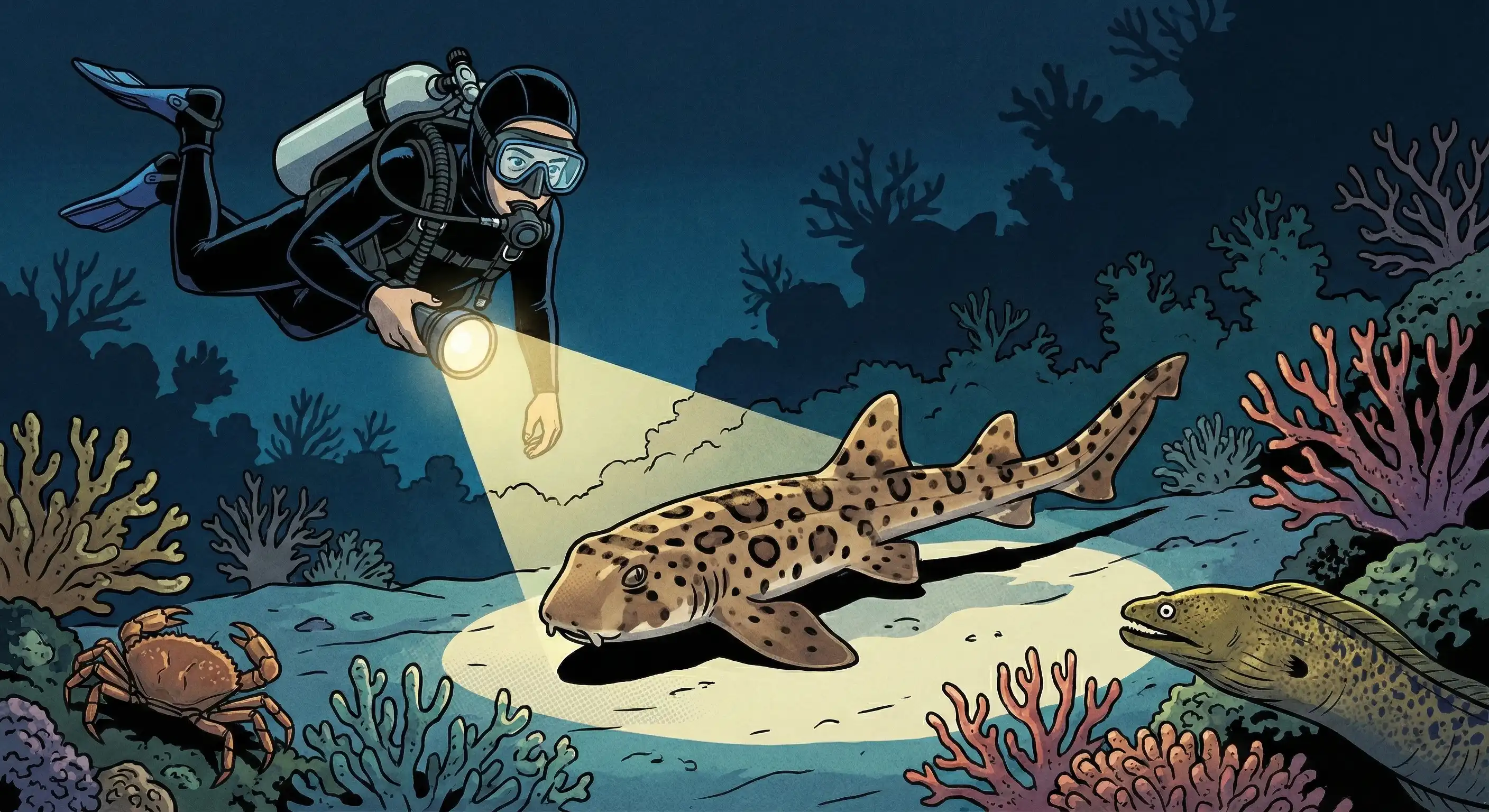
At night, you can see crabs, pipefish, and other animals that live together on the Goraici Islands that you can't see during the day.
Weda Bay and East Coast Sites
The east coast of Halmahera diving is very different in Weda Bay, where the water is protected and perfect for divers of all skill levels, including snorkelers. Experts say that the slopes and reefs in this area are some of the greatest in the world for combining easy access with real biodiversity.
Sea turtles frequent these waters, with green and hawksbill turtles regularly encountered during dives. Because the bay is protected, it's a great place for macro diving. Some sources say that the variety of critters there is as good as that of Lembeh Strait, including mimic octopuses and pygmy seahorses that underwater photographers spend whole dives looking for.
People who want to dive on land can use places like Sali Bay Resort to get to nearby islands and places where manta rays sometimes go to cleaning stations. The protected habitat also makes it possible to dive at night, when the animals that hide during the day come out.
Tifore Island and Northern Sites
Tifore Island located in the open ocean halfway between Sulawesi and Halmahera. It has huge rock seascapes that draw in a lot of pelagic fish. Grey sharks and reef sharks patrol the structure while large schools of barracuda create living walls of silver that thrill underwater photographers.
Bau and Morotai Islands are farther north and include very steep walls, gorges, overhangs, and underwater caverns that were formed by volcanic rock. These places require divers to have skill with drift dives, but they are worth it because they are home to manta rays and a wide range of reef shark species that healthy ecosystems support.
The northern point sites also have wreckage from World War II fighting that took place in these seas. This adds a historical aspect to the already amazing natural diving.

Planning Your Halmahera Diving Trip
Once the Halmahera diving sites are set up, it's important to plan ahead to make sure you have a safe and fun time in this isolated part of the world. The trip needs more planning than usual for Indonesian diving, but if you plan beforehand, the benefits will be worth the work.
Step-by-Step Trip Planning Process
Plan your Halmahera scuba diving trips 6 to 12 months in advance because popular times fill up rapidly because there aren't many Indonesia liveaboard boats or resorts available.
- Determine optimal travel dates: The dry season from June to October offers the most reliable conditions with calmer seas and consistent visibility—though diving remains viable year-round. Avoid the rainy season (December-March) when choppy seas can cancel dives.
- Choose between liveaboard and land-based accommodation: Dive cruises reach remote sites like Tifore and outer Patinti Strait areas impossible from shore-based operations, while Sali Bay and Weda Bay resorts offer comfort and flexibility for those preferring land-based diving.
- Book flights to Ternate or Manado: Direct flights from Jakarta or Makassar reach Ternate, with daily flights from Manado also available. Build buffer days for connection delays.
- Arrange dive certification verification: Minimum Advanced Open Water certification is strongly recommended; drift diving specialty certification adds safety margins for current-prone sites.
- Confirm dive operator bookings and transfer arrangements: Established operators handle the complex logistics of boat transfers, equipment support, and emergency protocols essential for this remote region.
Accommodation Comparison
| Factor | Liveaboard | Land-based Resort |
|---|---|---|
| Dive Site Access | Multiple remote sites daily including Patinti Strait | Limited to nearby areas like Weda Bay |
| Cost Range | $200-400 per day all-inclusive | $100-250 per day plus dive packages |
| Comfort Level | Shared facilities, cabin accommodation | Private accommodations, resort amenities |
| Flexibility | Fixed itinerary following weather patterns | Customizable schedule, non-diving days |
| Best For | Advanced divers seeking remote sites | Mixed groups, photographers needing workspace |
Liveaboards like King Neptune give experienced divers the best access to the Patinti Strait and other distant spots. People who wish to dive and learn about the culture at the same time, or who are in mixed groups, find that Weda Bay's land-based choices are more flexible.
Common Challenges and Solutions
Even well-planned Halmahera scuba diving trips run into problems in far-off places. Understanding common challenges helps adventurous divers adapt and maintain a safe and enjoyable experience.
Remote Location and Limited Infrastructure
The fact that Halmahera is so far away is its biggest strength, but it also makes things harder to plan. There aren't many emergency medical services, and bad weather might keep travelers stuck.
Solution: Book with well-known companies that have reliable logistics and emergency plans, such as evacuation insurance that covers distant areas. Add 2 to 3 extra days to your diving Halmahera itinerary and bring backup medicine and other important things instead of relying on what you can find locally.
Strong Currents and Advanced Diving Conditions
The Patinti Strait and others like it have currents that even experienced divers find hard to deal with. If you don't understand the conditions, you could get separated, fall quickly, or get tired.
Solution: Make sure you have at least an Advanced Open Water certification and recent experience diving in strong currents. Always have reef hooks and SMBs with you when you dive. Pay close attention to dive briefings and be honest with yourself about your ability. It's always best to skip a dive that is too hard for you.
Seasonal Weather and Rough Seas
During the rainy season, the waters get turbulent, which can stop diving operations and make boat transfers uncomfortable or even dangerous. Even when it's dry, the weather can change quickly.
Plan your Halmahera diving trip between March and November, with June through October being the best time to go. Make your itinerary flexible so you can deal with weather delays, and talk to operators ahead of time about other places. To go diving in a great place, you need to be patient with the weather.
Conclusion and Next Steps
Halmahera is one of Indonesia's best places to dive if you're prepared to go off the beaten path. With its clean reefs, wide variety of marine species, exciting drift dives with pelagic fish, and amazing macro life, this place offers a full underwater experience that is just as rich as Raja Ampat's but at a lower cost and without the crowds.
To begin planning your Halmahera diving adventure:
- Research dive operators including liveaboard companies like Neptune Liveaboards, and land-based options at Sali Bay Resort
- Verify your certification status and consider drift diving specialty training if lacking current experience
- Book 6-12 months in advance for popular dry season dates, particularly on limited-capacity liveaboards
Raja Ampat to the east has the most diverse marine life, Lembeh Strait in North Sulawesi is great for muck diving, and North Maluku Province has a rich history of spice trading and traditional island life.
Additional Resources
Recommended Dive Operators:
- King Neptune (emerging operator focusing on hidden gems)
- Sali Bay Resort (land-based diving Weda Bay area)
Essential Gear for Remote Diving:
- Reef hook for drift dives in strong currents
- High-visibility SMB with reel (mandatory)
- Dive computer with conservative settings
- Backup mask, torch, and spare parts for regulators
- Underwater camera setup appropriate for both macro and wide-angle
Certification Resources:
- PADI Advanced Open Water and Drift Diver specialty courses
- SSI Deep Diving and Navigation certifications for wall diving
- Emergency First Response training recommended for remote destinations