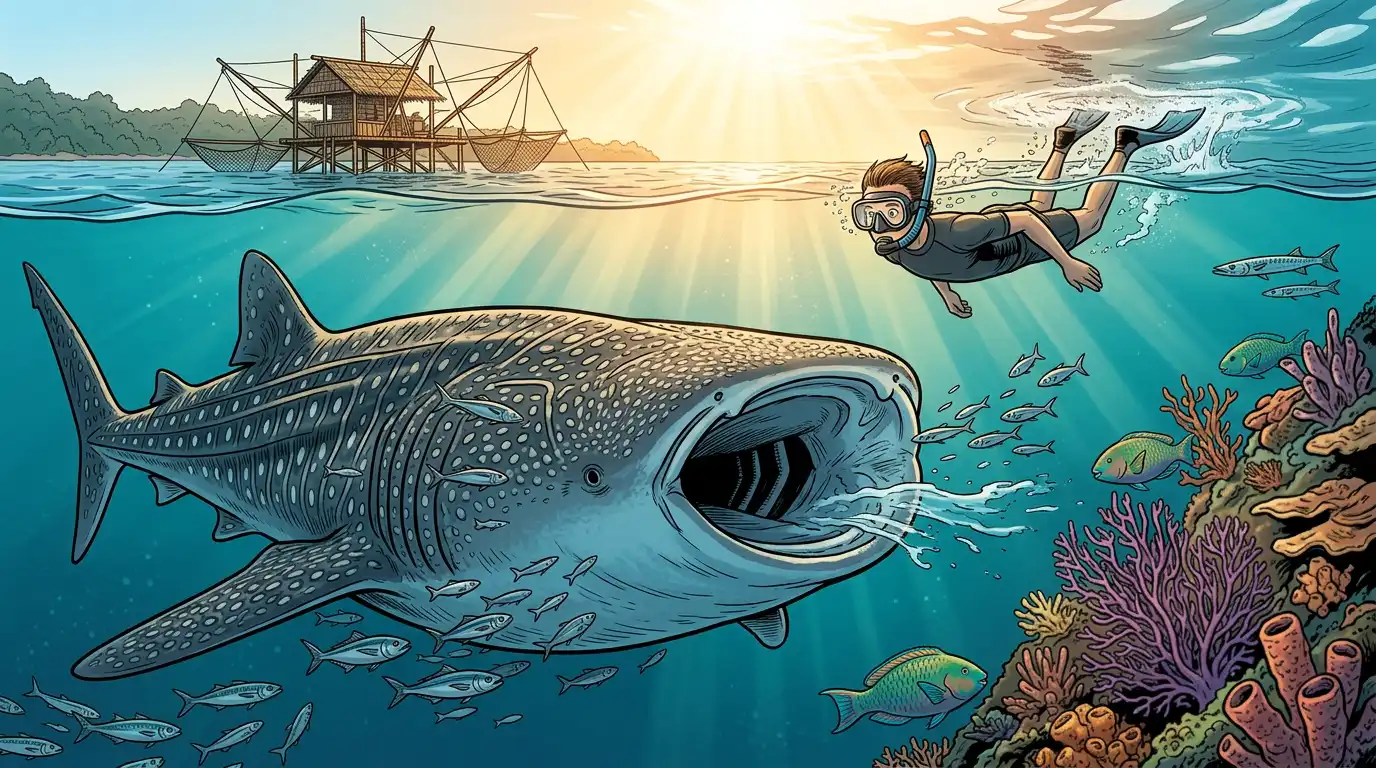
Alor liveaboard diving takes you to one of Indonesia's most remote and untouched underwater areas. The Banda Sea's nutrient-rich currents support a wide range of marine life across the Lesser Sunda Islands. This part of the Indonesian archipelago in the southeast is mostly unaffected by mass tourism, giving divers a rare chance to explore colorful coral reefs and meet strange and amazing animals that live alone.
This article has everything you need to organize an Alor liveaboard dive trip, from learning about the area's unique dive sites and marine species to picking the right schedule and getting ready for the practicalities of being in a remote location. There are some limited choices for diving on land around Kalabahi, but the only real method to go to most of Alor's 70+ underwater locations is by liveaboard diving. This content is for expert divers looking for unspoiled reefs, underwater photographers looking for uncommon macro subjects, and adventure tourists who want to get away from busy places.
For $281 to $400 a day, Alor liveaboards take you on 7 to 13 day cruises to explore unspoiled reefs in the Alor Archipelago. You may go on 3 to 4 dives a day and see a wide range of marine life, from tiny seahorses to schools of hammerheads.
By the end of this tutorial, you will know about dive Alor, Alor liveaboard diving, the Alor archipelago, and more.
- Understand what makes Alor’s diving environment unique among Indonesian destinations
- Know how to choose the right liveaboard itinerary for your experience level
- Prepare effectively for remote location requirements and variable conditions
- Maximize encounters with both macro life and pelagic species
- Navigate logistics from Bali International Airport to Kalabahi Harbor
Understanding Alor Liveaboard Diving
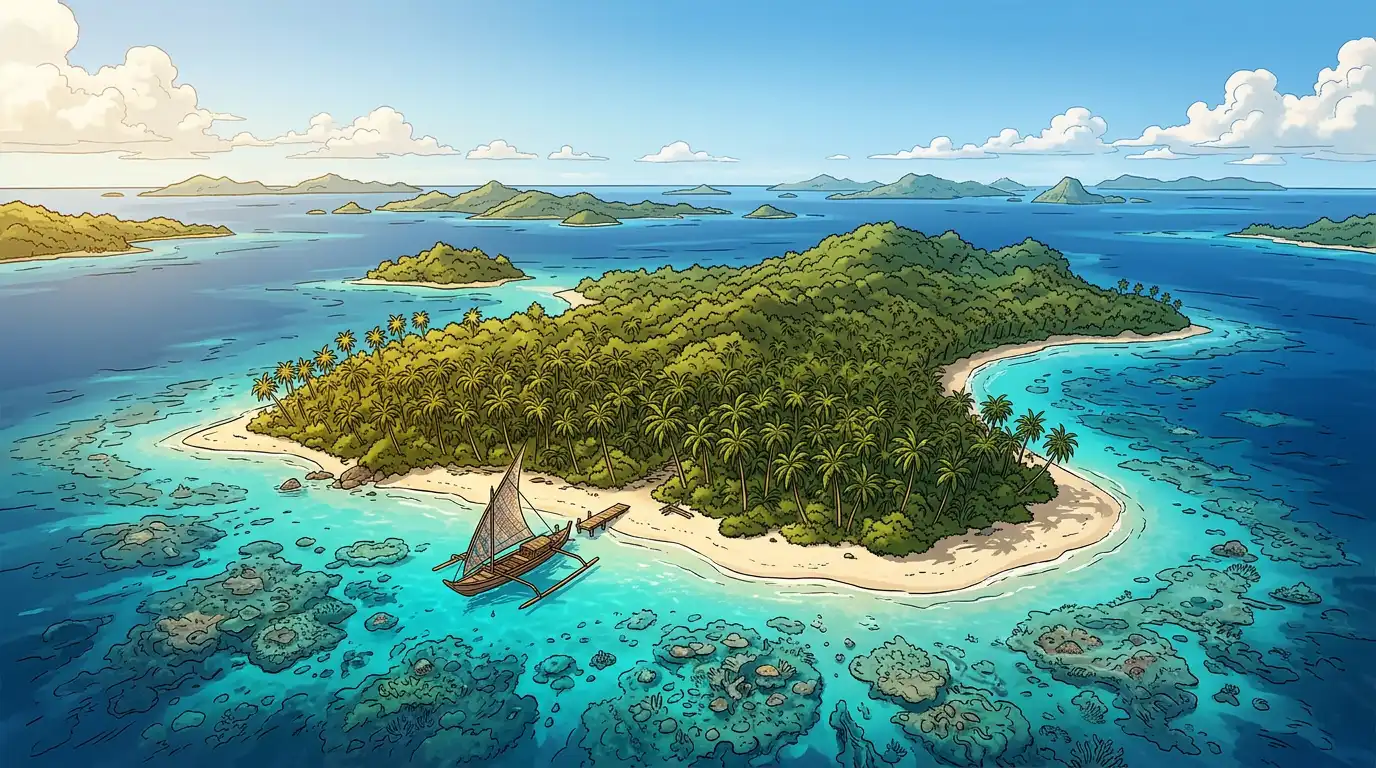
The Alor Archipelago is located in the eastern end of Indonesia's Nusa Tenggara region, between Flores to the west and the Banda Sea to the north. The Coral Triangle is the most biodiverse maritime area in the world, with more than 83,000 miles of reef spread throughout Indonesia's 18,000 islands. This group of more than 90 islands is part of that area. The only way to fully explore this area is by liveaboard diving. This is because dive spots are spread out over distant straits and isolated island beaches that day boats can't get to.
Alor is a great place for divers who want to get away from the crowds at Komodo National Park or Raja Ampat. It has a lot of marine life and almost no other boats on site.
Alor’s Unique Marine Ecosystems
The Banda Sea's cold upwellings force nutrient-rich waters into the Pantar Strait and Alor Strait. This creates feeding grounds that support an amazing amount of marine species. These currents carry tiny nutrients that feed everything from soft corals and sea fans to the fish that swim in schools and attract bigger predators.
This oceanic phenomena explains why Alor has both great muck diving in sheltered harbors and exciting drift diving along walls full of reef sharks and eagle rays. The active seamounts at Komba Island and other volcanic underwater features make different ecosystems that support species that are only found there.
Remote Location Advantages
Alor's remoteness keeps things that crowded places have lost: reefs that aren't destroyed by anchor chains, fish that aren't scared of divers, and coral gardens that thrive without being disturbed. Komodo sees dozens of boats every day, but Alor is a place where you may be alone.
This distance has a direct effect on the health of the reef. When there is no fishing or tourism stress, hard coral gardens thrive in clean waters, and marine life acts normally. Divers often see and interact with animals that are not common in more popular regions. Learning about this ecosystem base will help you get ready for the unique diving experiences that make the trip to Alor worth it.
Alor Dive Sites and Marine Life
The Alor archipelago has a highly healthy environment, and the area has dive sites for every type of diver, from meticulous macro hunters over volcanic black sand to adrenaline-pumping drift dives past walls of schooling fish.
Macro Diving Paradise
Kalabahi Bay and nearby muck sites like Mucky Mosque and Kal's Dream are among of the best places in the world to see macro life. The volcanic black sand substrate is perfect for cryptic animals that hide, bury, and ambush their way through existence.
When divers go diving, they often see mimic octopuses showing off their impersonations, rhinopias (lacey scorpionfish) swaying among the trash, bobbit worms bursting out of the sand, ghost pipefish hovering still, and the famous Djibouti huge mantis shrimp. Almost every muck site has ribbon eels, leaf fish, moray eels, and pygmy seahorses in their dive logs. These subjects against black sand make for a dramatic contrast that can't be found anywhere else for underwater photographers.
Dramatic Wall and Drift Diving
Northern Alor and the Pantar Strait have an entirely different feel. The walls are vertical and drop into deep blue water, where visibility is 30 meters and currents make diving feel like flying. These places show off Alor's healthy hard coral coverage and reefs that are painted with soft corals in every hue you can think of.
Pura Island is known for its magnificent wall diving and cultural immersion. The locals still free-dive using wooden dugout canoes and homemade goggles constructed from wood and glass bottles. As divers explore these waterways with tribes that have cared for them for centuries, they may see how healthy reefs and traditional fishing methods are linked.
Pelagic Encounters
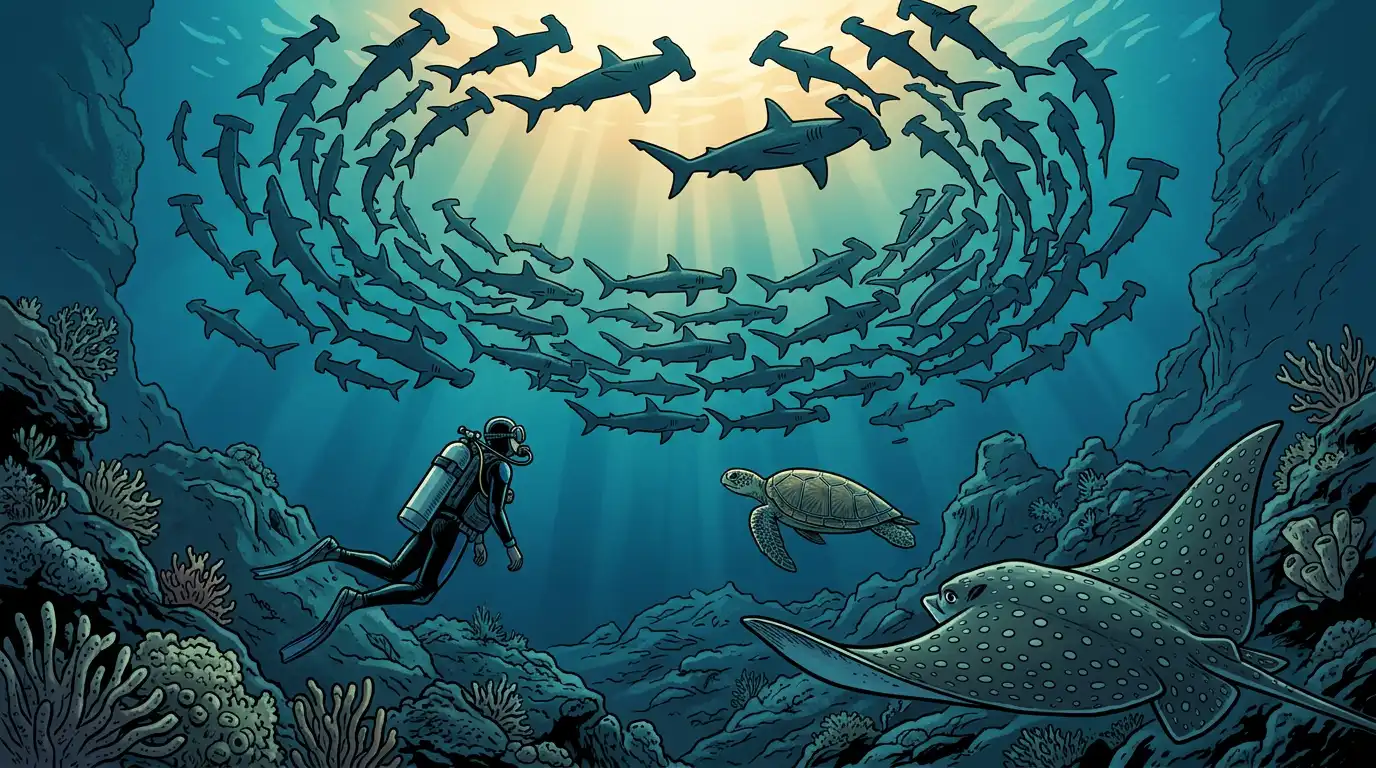
Strong currents in the Alor Strait pull pelagic animals into channels that are easy to see. Hammerhead sharks swim about in deeper waters. Schooling hammerheads are most likely to show up in September. Mola Mola, or oceanic sunfish, also show up at this time. Their strange shapes float in blue water cleaning stations.
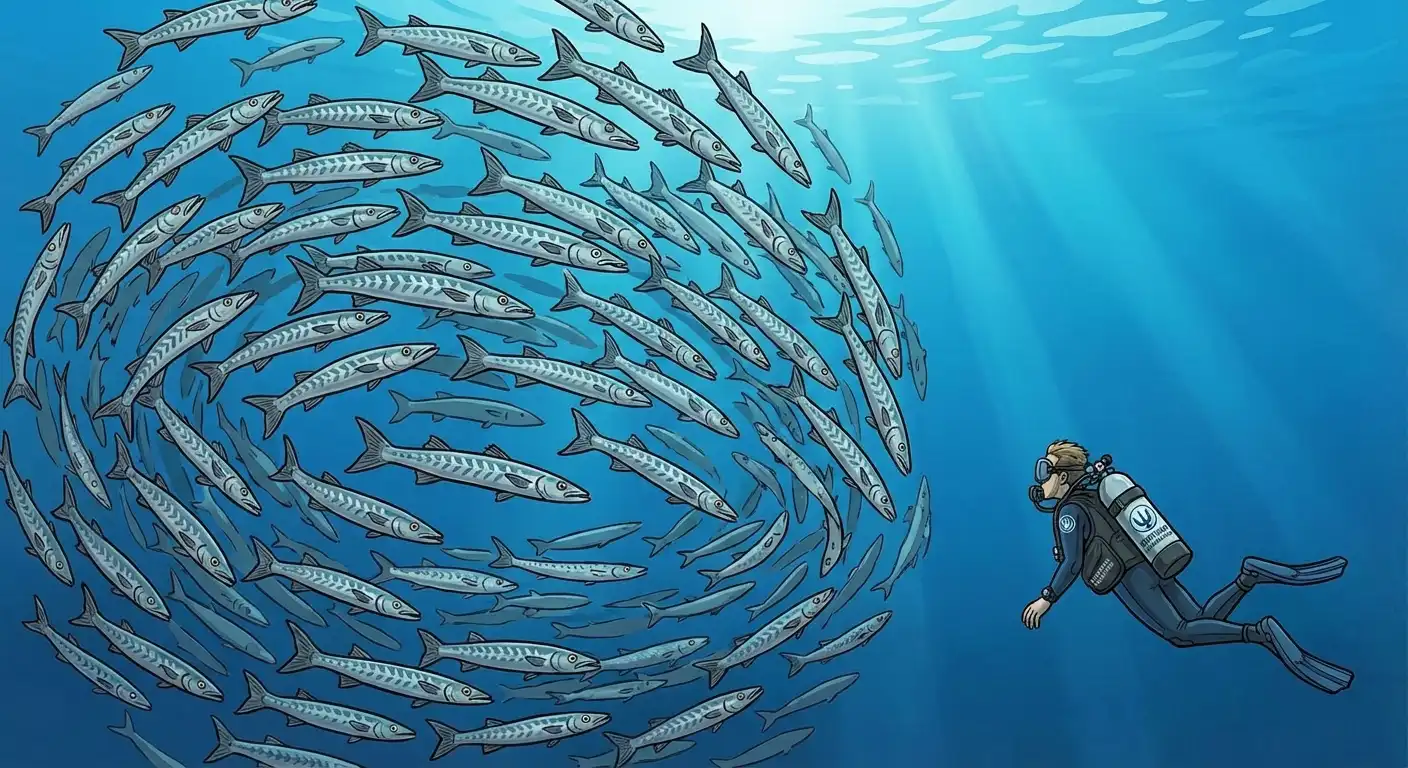
Sperm whales and killer whales migrating through migratory pathways, reef sharks, dog-tooth tuna, and huge schools of barracuda that make living walls of silver are some of the rare things that happen. Alor has the most variety of any dive trip, from careful macro hunting to meeting gentle giants. This is why experienced divers come back year after year.
Planning Your Alor Liveaboard Trip
When you think about the variety of dive sites in Alor, good planning will make sure that your trip makes the most of the area or only scrapes the surface.
Choosing Your Itinerary
Different lengths of trips and routes are better for different diving goals. When looking up departures, think of these main formats:
- 7-10 day Alor exploration trips focus intensively on the archipelago itself, maximizing time at sites like Kal’s Dream, Pertamina Jetty, and the Pantar Strait while allowing thorough coverage of both muck and reef environments.
- 11-13 day extended expeditions venture into the Forgotten Islands or combine Alor with Banda Sea destinations, reaching sites entirely inaccessible on shorter itineraries and yielding 30+ dives across remote underwater landscapes.
- Combined Alor-Komodo crossings traverse the Flores Sea, offering contrasting diving styles between Alor’s pristine isolation and Komodo National Park’s manta aggregations, typically departing Kalabahi and arriving in Labuan Bajo or reversing the route.
- Banda Sea routes including Ambon link Alor to world-renowned muck diving at Ambon plus historic Banda Islands, creating comprehensive eastern Indonesia circuits for divers with time to explore properly.
Liveaboard Comparison
| Criterion | Short Alor Trips | Extended Expeditions | Crossing Routes |
|---|---|---|---|
| Trip Length | 7-10 nights | 11-13 nights | 9-12 nights |
| Focus Areas | Alor reefs and muck | Remote sites, Banda | Multiple regions |
| Experience Level | Advanced+ | Expert | Advanced+ |
| Daily Rate Range | $281-386 | $386-400+ | $340-400 |
| Typical Dives | 27-40 | 40-48 | 30-45 |
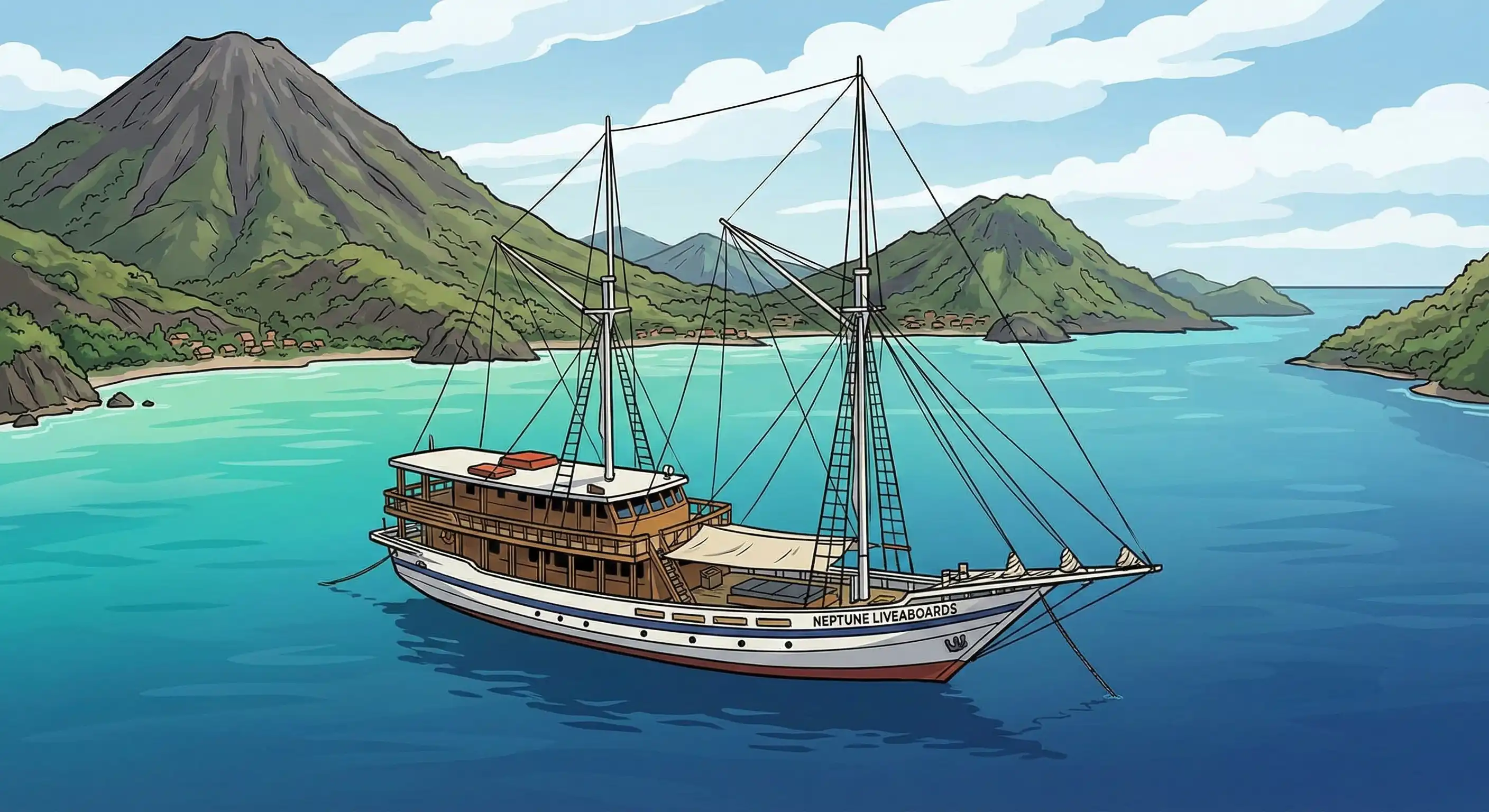
Traditional Pinisi-style boats are the most common on Alor itineraries. They can hold 12 to 18 guests and have en-suite cabins, separate camera rooms, and dive decks that make it easy to equip up between locations. Modern motor boats are a luxury choice that add speed to get to faraway places and include facilities like private camera booths and suite suites.
If Alor is your main goal and you want to see a lot of places, pick shorter visits. If rare macro species and other places like the Banda Sea are worth the extra travel days, choose longer trips. Knowing what your priorities are can help you choose the proper boat and route for your needs.
Common Challenges and Solutions
You need to get ready for remote diving in ways that you don't have to for more accessible places. Taking care of these things before you leave will keep you from getting upset on your trip.
Certification and Experience Requirements
Most Alor liveaboards require at least an Advanced Open Water certification, and many operators suggest that you have done at least 50 dives. The Pantar Strait and Alor Strait have strong currents, therefore you need to know how to handle them. These aren't good places to learn how to do it. If your logbook reveals that you haven't done much drift diving, you might want to do some skill-building dives before you book an Alor trip that focuses on pelagic areas.
Variable Diving Conditions
Depending on the depth and the strength of the upwelling, the water temperature can be anywhere from 23 to 27 degrees Celsius. This means that you need 3 to 5 mm wetsuits instead of the shorties that are good for Bali. During the diving season from March to December, when weather patterns stabilize, visibility ranges from 15 to 30 meters and is generally clearer. Strong currents make many top spots unique. Be ready for negative entrances, aggressive buoyancy management, and being fit to swim on the surface if the drift patterns change unexpectedly.
Remote Location Logistics
To go to Alor, you need to fly to Bali first and then take connecting flights to Maumere or Labuan Bajo on Flores. From there, you can take a domestic flight or a boat to Kalabahi Harbor. Add extra days to your travel plans. In distant Indonesia, weather delays and problems with connections can make things worse. Trip cancelation and full travel insurance that covers dive accidents to the nearest adequate medical facilities are not optional here; they are necessary because of how far away major hospitals are.
Conclusion and Next Steps
Alor liveaboard diving gives serious scuba divers what they want: unspoiled reefs, unusual marine encounters, and a chance to get away from busy places. This area has the best diving in Indonesia for those who are ready to travel. You may see everything from the strange and amazing species of Kal's Dream to hammerhead sharks swimming around the Alor Strait.
To keep arranging your Alor liveaboard diving trip:
- Assess your current certification level and logged dives against Advanced Open Water and drift diving requirements
- Research 2026-2027 liveaboard departure schedules, noting that popular dates book 6-12 months ahead
- Book flights to Bali with connections through Maumere or Labuan Bajo, building buffer days for travel complications
- Prepare appropriate exposure protection, dive lights for night dive opportunities, and camera equipment for both macro and wide-angle opportunities
Divers who finish Alor liveaboard tours typically continue their adventures in the Banda Sea, the Forgotten Islands circuits that connect isolated eastern archipelagos, or Raja Ampat to the north. Each place has its own unique charm, but they all share Indonesia's amazing Coral Triangle biodiversity.
Additional Resources
Seasonal Planning:
- March-December: Optimal diving season with stable weather, drier conditions, and best visibility
- September: Peak hammerhead and Mola Mola sightings
- Year round diving remains possible, though January-February brings wetter conditions
Equipment Recommendations:
- 5mm wetsuit with hood for deeper dives in upwelling zones
- Surface marker buoy (mandatory for drift diving)
- Dive torch for muck sites and night dive opportunities
- Camera housing rated for 40m+ depth for serious underwater photographers
Emergency Considerations:
- DAN or equivalent dive accident insurance with remote location evacuation coverage
- Nearest hyperbaric facilities in Bali—confirm liveaboard emergency protocols before departure
- Carry essential medications; restocking options in Kalabahi are extremely limited
Cultural Opportunities:
- Many itineraries include beach visits to traditional village communities
- Witness traditional dances at Yan Village when itineraries permit shore excursions
- Respectful interaction with communities like those at Pura Island enhances the expedition experience