Sumbawa Tauchkreuzfahrt
Walhaie, Unberührte Riffe & Indonesiens Bestgehütetes Geheimnis
Über Sumbawa
Tauchen per Tauchsafari in Sumbawa
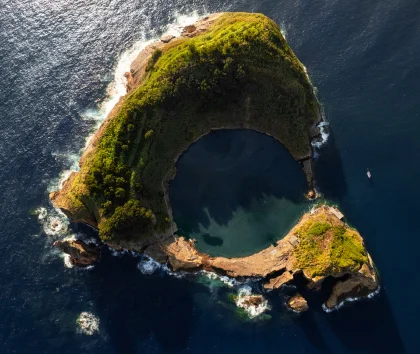
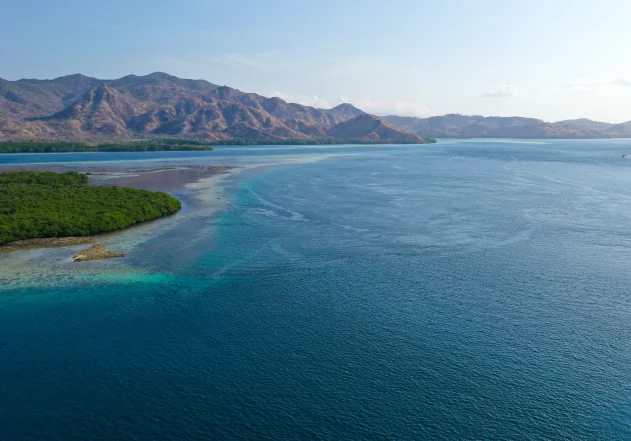
Sumbawa ist eine große Insel in der indonesischen Provinz West-Nusa Tenggara, gelegen zwischen Lombok im Westen und Flores und Komodo im Osten. Weit weniger besucht als ihre berühmten Nachbarn, bietet die Insel Sumbawa einige der lohnendsten und am wenigsten überlaufenen Tauchgebiete Indonesiens.
Eine Sumbawa-Tauchkreuzfahrt kombiniert Weltklasse-Tauchen mit dem Abenteuer, eine der letzten wahren Grenzen Indonesiens zu erkunden. Genießen Sie kostenloses unbegrenztes Satelliteninternet und die beste Mischung aus angereicherter Luft (NITROX).
Unser Sumbawa-Reiseüberblick
Erlebnis
Das Sumbawa-Taucherlebnis
Tauchen in Sumbawa ist eine außergewöhnliche Mischung aus Großtier-Begegnungen und unberührter Riffexploration.
Walhai-Begegnungen in Sumbawa
Die Saleh-Bucht ist einer der zuverlässigsten Orte in Indonesien, um Walhaie zu sehen. Diese sanften Riesen versammeln sich von Mai bis Oktober um traditionelle Fischplattformen.
Moyo-Insel & Unberührte Riffe
Moyo Island ist ein geschütztes Naturreservat vor der Nordküste Sumbawas. Die Riffe gehören zu den unberührtesten der Region.
Tor nach Komodo
Sumbawas strategische Lage zwischen Lombok und Komodo macht es zu einem idealen Stopp auf erweiterten Tauchkreuzfahrt-Routen.
Dive Sites
Top Dive Sites in Sumbawa
From whale shark encounters in Saleh Bay to pristine walls at Gili Banta, Sumbawa diving delivers a rare mix of big animal action and untouched coral reefs far from the crowds.
Moyo Island Reefs
All LevelsPristine hard coral gardens surrounding this protected nature reserve island, with excellent visibility, reef sharks, turtles, Napoleon wrasse, and clouds of colorful reef fish in crystal-clear waters.
Saleh Bay (Whale Shark Point)
All LevelsShallow bay where whale sharks congregate around fishing platforms (bagans). Snorkeling and diving encounters with the world's largest fish in warm, calm conditions from May to October.
Satonda Island
IntermediateVolcanic crater island with a saltwater lake. Underwater, dramatic walls plunge into the blue with healthy coral cover, schooling barracuda, eagle rays, and occasional hammerhead sightings.
Gili Banta
AdvancedCurrent-swept island between Sumbawa and Komodo with spectacular drift dives, large schools of trevally, reef sharks, manta ray encounters, and pristine untouched coral walls.
Batu Tiang Pinnacles
IntermediateSubmerged pinnacles covered in soft corals and gorgonian fans where currents attract pelagics including tuna, trevally, and whitetip reef sharks cruising the blue water.
Teluk Sanggar
All LevelsSheltered bay near Mount Tambora with healthy macro life, nudibranchs, frogfish, and volcanic sand critter diving reminiscent of Lembeh Strait but completely unexplored and uncrowded.
Best Time to Visit
Sumbawa Diving Season Calendar
The best time for a Sumbawa trip is during the dry season from April to October, when whale sharks gather in Saleh Bay and visibility reaches its peak. Sumbawa diving is excellent year-round for reef exploration.
| Month | Water Temp | Visibility | Currents | Highlight |
|---|---|---|---|---|
| Jan | 28°C | 10–15m | Mild | Wet season |
| Feb | 28°C | 10–15m | Mild | Wet season |
| Mar | 29°C | 15–20m | Mild | Transition |
| Apr | 29°C | 15–25m | Mild | Season opens |
| May | 28°C | 20–30m | Moderate | Whale sharks arrive |
| Jun | 27°C | 20–30m | Moderate | Peak whale sharks |
| Jul | 26°C | 20–30m | Moderate | Peak season |
| Aug | 26°C | 20–30m | Moderate | Peak season |
| Sep | 27°C | 20–25m | Moderate | Great conditions |
| Oct | 28°C | 15–25m | Moderate | Season winds down |
| Nov | 29°C | 15–20m | Mild | Transition |
| Dec | 29°C | 10–15m | Mild | Wet season |
Recommended months for Sumbawa diving and whale shark encounters
Conditions
Water Conditions & Gear
Temperature
26–29°C (79–84°F)
Visibility
15–30m (50–100ft)
Currents
Mild to moderate — site dependent
Best Visibility
May – September
Thermoclines
Occasional in deeper sites around Gili Banta
Suit
3mm full wetsuit
Certification
Open Water for most sites, Advanced for Gili Banta
Nitrox
Recommended for multi-dive days
Marine Life
What You’ll See Diving in Sumbawa
Sumbawa Indonesia sits at the heart of the Coral Triangle, offering encounters with whale sharks, manta rays, reef sharks, and an abundance of macro critters on reefs that see very few divers.
Whale Sharks & Rays
- Whale sharks (seasonal)
- Reef manta rays
- Eagle rays
- Mobula rays
- Blue-spotted stingrays
Sharks
- Whitetip reef sharks
- Blacktip reef sharks
- Grey reef sharks
- Bamboo sharks
- Hammerhead sharks (Gili Banta)
Pelagics
- Giant trevally
- Dogtooth tuna
- Napoleon wrasse
- Barracuda schools
- Spanish mackerel
Macro Life
- Nudibranchs (100+ species)
- Frogfish
- Seahorses
- Octopus
- Mantis shrimp
Reef Life
- Pristine hard coral gardens
- Gorgonian sea fans
- Barrel sponges
- Anthias clouds
- Clownfish colonies
Anreise
Wie kommt man nach Sumbawa
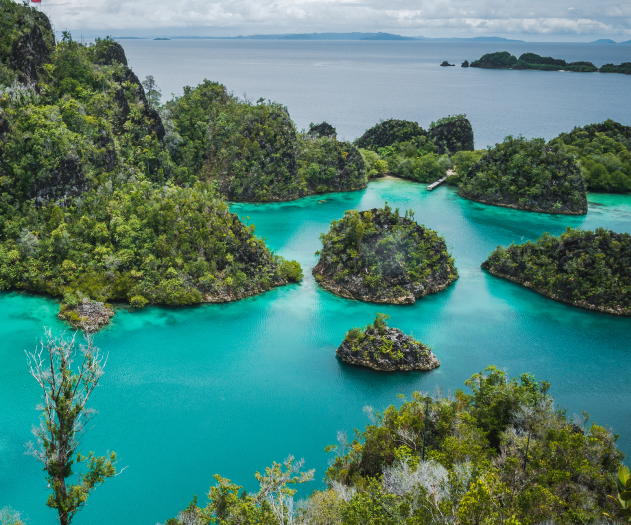
Es gibt mehrere Wege, die Insel Sumbawa zu erreichen. Fliegen Sie direkt zum Flughafen Sumbawa Besar (SWQ) oder Bima (BMU) von Bali oder Jakarta.
Für Tauchkreuzfahrten ist Sumbawa typischerweise Teil einer Labuan Bajo–Sumbawa oder Komodo–Sumbawa Route. Unser Team bietet volle Reiseassistenz.
Zugangspunkte: Sumbawa Besar / Bima / Labuan Bajo Flug nach SWQ oder BMU, oder Fähre von Lombok. Tauchsafaris starten oft in Labuan Bajo.
Beyond Diving
What to Do in Sumbawa
Sumbawa island is more than a diving destination. From world-class surfing to volcanic trekking, there’s plenty to explore above the waterline.
Sumbawa Surf at Lakey Peak
Lakey Peak near Hu'u is one of Indonesia's most famous surf breaks, attracting surfers from around the world with its consistent left and right barrels from May to October.
Trek Mount Tambora
Hike to the rim of Mount Tambora, the volcano responsible for the largest eruption in recorded history in 1815. The caldera offers breathtaking views and a profound sense of geological power.
Explore Moyo Island
Visit the Moyo Island nature reserve — a protected paradise with cascading waterfalls, wild deer, tropical forests, and some of the most pristine snorkeling and diving in Indonesia.
Discover Sumbawa Besar
Explore the main town of Sumbawa Besar with its traditional markets, the historic Sultan's Palace (Dalam Loka), and authentic Sumbawan cuisine and culture.
Reisetipps
Tipps für Reisende
Beste Saison für Walhaie
Planen Sie Ihre Sumbawa-Reise zwischen Mai und Oktober für die besten Chancen auf Walhai-Begegnungen in der Saleh-Bucht.
Fortbewegung auf Sumbawa
Sumbawa ist eine große Insel mit begrenztem öffentlichen Verkehr. Für das beste Erlebnis kümmert sich eine Tauchsafari um die gesamte Logistik.
Mit Komodo kombinieren
Viele Routen kombinieren Sumbawa mit Komodo für das ultimative indonesische Tauchabenteuer.
Umwelt respektieren
Moyo Island ist ein Naturreservat und die Walhaie der Saleh-Bucht sind eine empfindliche Ressource. Befolgen Sie die Richtlinien für verantwortungsvolle Wildtierinteraktion.
Travel Essentials
Practical Travel Information
Visa
Visa on Arrival available for most nationalities (30 days, extendable once). Passport must be valid for 6+ months.
Currency
Indonesian Rupiah (IDR). ATMs are available in Sumbawa Besar and Bima. Carry cash for remote areas and smaller islands.
Language
Bahasa Indonesia is the national language. Sumbawan is the local language. English is spoken by dive guides and crew on Neptune vessels.
Tipping
Customary to tip the crew. A guideline of $15–20 USD per guest per day is appreciated.
What to Pack
Reef-safe sunscreen, hiking shoes for Tambora or Moyo treks, motion sickness medication, and underwater camera.
Health
No mandatory vaccinations. Recommended: Hepatitis A/B, Typhoid. DAN dive insurance strongly recommended. Nearest recompression chamber is in Bali.
Electricity
220V, 50Hz with Type C/F plugs (European style). Bring a universal adapter. Power supply can be unreliable in remote areas.
Time Zone
WITA (Central Indonesian Time), UTC+8.
Unser Reiseverlauf
Sumbawa per Tauchsafari erkunden
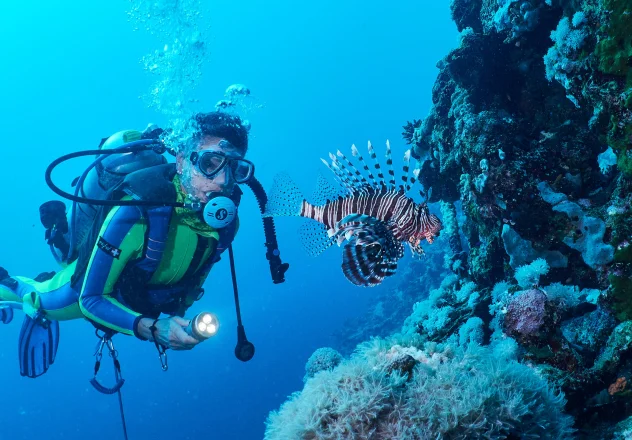
Unsere Sumbawa-Routen führen Sie zu den spektakulärsten Tauchplätzen der Insel.
Zeitplan ansehenIhre Reise
Inklusive & Nicht Inklusive
Inklusive
- Liveaboard accommodation
- Airport/Hotel Transfer
- Diving activities
- Three daily main meals
- Unlimited Satellite Internet
- Three main daily snacks
- All-day snacks, coffee / tea
- Tanks, weights, weight belts
- Snorkeling gear
- 4 on 1 diver to guide ratio
- SUP (Stand-up Paddle board)
- Kayaking
Nicht Inklusive
- NITROX
- 15L tanks
- Single occupancy cabin
- Park & Port fees
- Private dive guide
- Alcoholic beverages & soft drinks
- Equipment rental (BCD, Wetsuit, Regulator, etc)
FAQ
Häufige Fragen zu Sumbawa
Where is Sumbawa and how do I get there?
Sumbawa is an island in the West Nusa Tenggara province of Indonesia, located between Lombok and Flores. You can fly to Sumbawa Besar (SWQ) or Bima (BMU) airports from Bali or Jakarta, take a ferry from Lombok to Sumbawa (Poto Tano port, approximately 1.5 hours), or join a liveaboard trip that departs from Labuan Bajo or Bali with Sumbawa as a stop along the route.
How do I see whale sharks in Sumbawa, Indonesia?
Whale sharks in Sumbawa are most commonly encountered in Saleh Bay, particularly near the fishing platforms (bagans) where they aggregate to feed on small fish attracted by the platform lights. The best season for whale shark encounters is between May and October. Our liveaboard itineraries that include Sumbawa are timed to maximize your chances of swimming alongside these gentle giants.
How do I get from Lombok to Sumbawa?
The most common route from Lombok to Sumbawa is by public ferry from Kayangan Harbor in Lombok to Poto Tano Harbor in western Sumbawa, a crossing that takes approximately 1.5 hours. Alternatively, you can fly from Lombok International Airport (LOP) to Sumbawa Besar Airport (SWQ). Our liveaboard trips handle all logistics, eliminating the need to arrange independent transport.
How do I get to Sumbawa from Bali?
From Bali, you can fly directly to Sumbawa Besar (SWQ) or Bima (BMU) with domestic carriers like Wings Air and NAM Air. Alternatively, you can take the scenic overland-and-ferry route via Lombok: fly to Lombok, then ferry to Sumbawa. The easiest option is boarding a Neptune liveaboard from Bali that includes Sumbawa in its itinerary.
How do I get to Moyo Island from Sumbawa?
Moyo Island lies just off the northern coast of Sumbawa, approximately 2 hours by boat from Sumbawa Besar or Ai Bari port. The island is a protected nature reserve with limited tourism infrastructure. Our liveaboard trips include Moyo Island as a diving destination, offering the most comfortable and reliable way to access its pristine reefs and waterfalls.
Is Sumbawa diving suitable for beginners?
Sumbawa offers dive sites for all levels. Moyo Island and the sheltered bays around Sumbawa have gentle currents and excellent visibility, making them ideal for Open Water certified divers. Some sites in Saleh Bay and around Satonda Island may have moderate currents better suited for intermediate to advanced divers.
What else can I do in Sumbawa besides diving?
Sumbawa is world-renowned for surfing, particularly at Lakey Peak near Hu'u on the southern coast. Other activities include hiking to the rim of Mount Tambora (the volcano behind the famous 1815 eruption), trekking through Moyo Island's nature reserve to see waterfalls, visiting traditional Sumbawan villages, and exploring the local markets of Sumbawa Besar.
Mehr Entdecken
Weitere Reiseziele
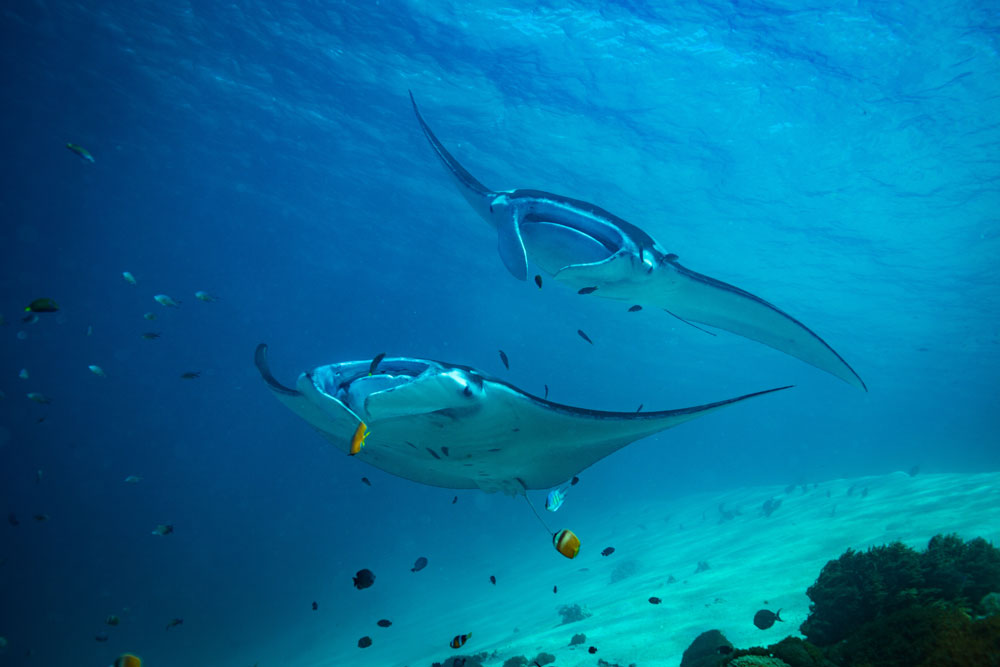
Komodo
Continue your journey east from Sumbawa to Komodo National Park — home to the iconic Komodo dragons and world-class manta ray diving.
Explore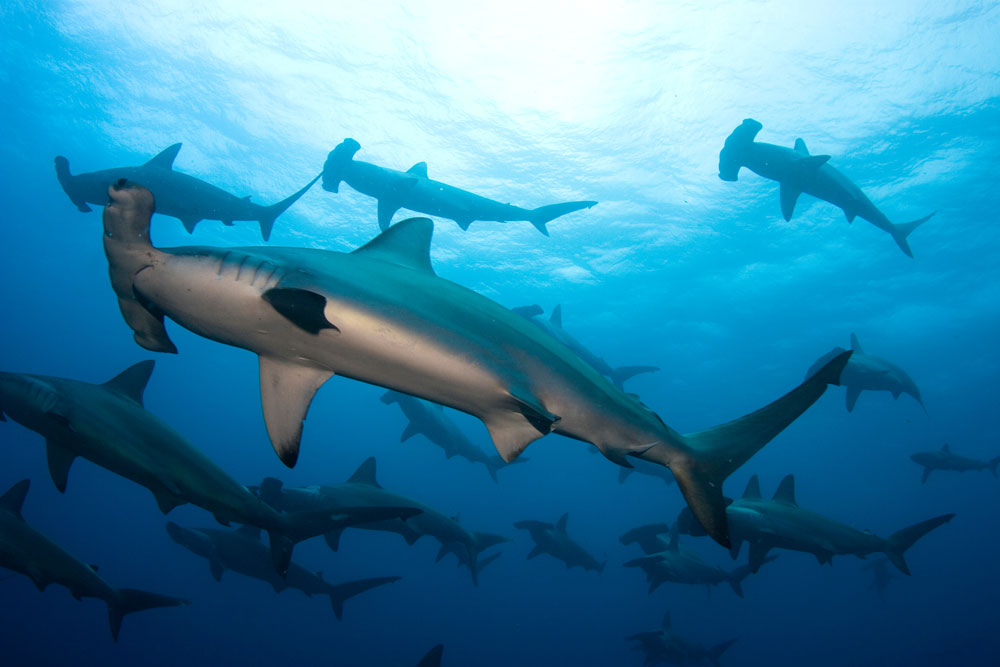
Banda Sea
For the ultimate pelagic adventure, the Banda Sea delivers schooling hammerhead sharks, pilot whales, and pristine volcanic walls.
Explore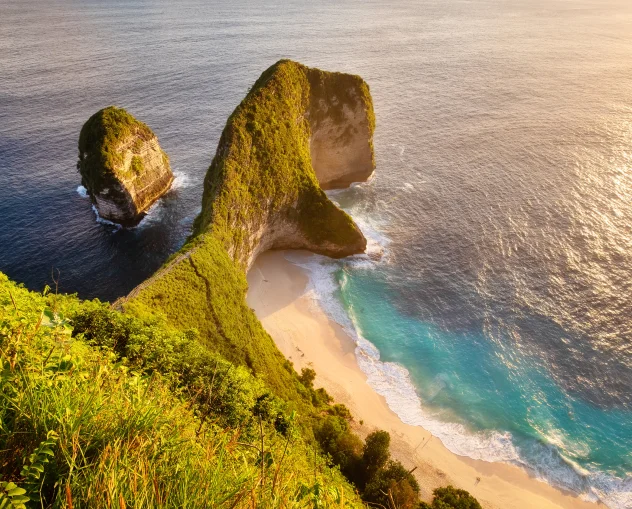
Bali
Start or end your Sumbawa trip in Bali — from manta rays at Nusa Penida to the legendary USS Liberty wreck in Tulamben.
Explore