Bali Tauchsafari
Manta-Rochen, Mola Mola & Tropische Riffe
Über
Über Bali Liveaboard
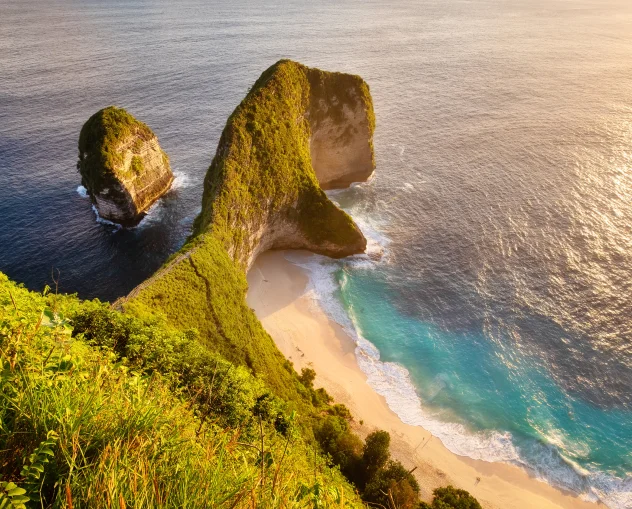
Bali ist Indonesiens berühmteste Insel und ein Tauchziel von Weltklasse. Vom legendären Manta Point bei Nusa Penida bis zum Wrack der USS Liberty aus dem Zweiten Weltkrieg in Tulamben bietet Bali eine unglaubliche Vielfalt an Taucherlebnissen - und das alles vor der Kulisse einer atemberaubenden tropischen Landschaft.
Genießen Sie unsere Bali Tauchsafari mit kostenlosem, unbegrenztem Satelliten-Internet und der besten Mischung aus Enriched Air (NITROX) mit der neuesten Technologie des Bauer PE 320B Membrane System Kompressors.
Schnappschuss unserer Reise
Erleben Sie
Das Bali-Taucherlebnis
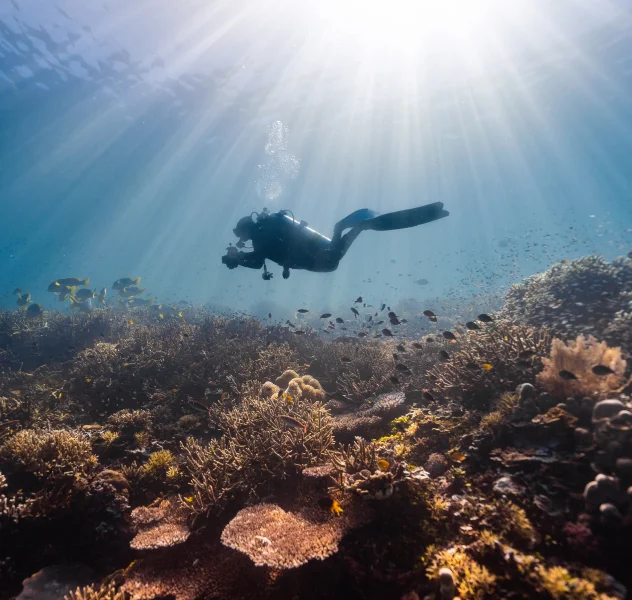
Bali liegt an einer einzigartigen biogeografischen Kreuzung, wo der Indische Ozean auf den Pazifik trifft und die berühmte Wallace-Linie bildet. Diese Konvergenz der Meeresströmungen bringt nährstoffreiche Gewässer mit sich, die eine außergewöhnliche Artenvielfalt im Meer beherbergen - von sanften Rifftauchgängen bis hin zu aufregenden Begegnungen mit den sanften Riesen des Ozeans.
Manta-Rochen auf Nusa Penida
Der Manta Point auf Nusa Penida ist einer der besten Orte der Welt, an dem man garantiert auf Mantarochen trifft. Riesige Mantarochen mit einer Spannweite von bis zu 5 Metern kreuzen das ganze Jahr über durch die Reinigungsstationen und bieten unvergessliche Begegnungen aus nächster Nähe.
Mola Mola Saison
Von Juli bis Oktober beherbergen Balis Gewässer den rätselhaften Mola Mola (Meeressonnenbarsch) - den schwersten Knochenfisch der Welt. Die Crystal Bay auf Nusa Penida ist der beste Ort für diese bemerkenswerten Tiefseebesucher, die aus der Tiefe zu den Putzerstationen aufsteigen.
Wrack der USS Liberty
Das Wrack der USAT Liberty in Tulamben ist eines der am besten zugänglichen und spektakulärsten Wracktauchgänge der Welt. Dieses 120 Meter lange Frachtschiff aus dem Zweiten Weltkrieg liegt nur 30 Meter von der Küste entfernt, ist mit lebhaftem Korallenbewuchs bedeckt und beherbergt eine erstaunliche Vielfalt an Meereslebewesen.
Dive Sites
Top Dive Sites in Bali
From the iconic USS Liberty wreck to world-class manta ray encounters at Nusa Penida, Bali offers an incredible variety of diving experiences within easy reach.
Manta Point (Nusa Penida)
IntermediateWorld-class manta ray cleaning station where reef and giant oceanic mantas with wingspans up to 5 meters glide overhead — encounters are near-guaranteed year-round.
Crystal Bay (Nusa Penida)
AdvancedFamous for Mola Mola (ocean sunfish) encounters from July to October, with dramatic thermoclines and beautiful coral gardens on a sheltered bay.
USS Liberty Wreck (Tulamben)
All LevelsIconic WWII US cargo ship and one of the world's best shore-accessible wreck dives — covered in coral with massive schools of bumphead parrotfish at dawn.
Coral Garden (Tulamben)
All LevelsPristine shallow reef adjacent to the Liberty wreck with abundant macro life, colorful coral formations, and excellent conditions for beginners.
Blue Corner (Nusa Lembongan)
IntermediateCurrent-swept site where reef sharks, mola mola, and large schools of fish gather along a dramatic reef edge dropping into deep blue water.
Toyapakeh (Nusa Penida)
All LevelsBeautiful drift dive along a vibrant coral wall with turtles, reef sharks, and colorful soft corals — reliable and scenic.
Best Time to Visit
Bali Diving Season Calendar
Bali offers year-round diving with distinct seasons. The dry season (April–October) brings Mola Mola encounters and the best overall conditions, while manta rays are present year-round.
| Month | Water Temp | Visibility | Currents | Highlight |
|---|---|---|---|---|
| Jan | 28°C | 10–20m | Moderate | Wet season |
| Feb | 28°C | 10–20m | Moderate | Macro season |
| Mar | 29°C | 15–20m | Moderate | Improving |
| Apr | 29°C | 15–25m | Moderate | Dry season starts |
| May | 28°C | 20–30m | Moderate | Great conditions |
| Jun | 27°C | 20–30m | Strong | Excellent diving |
| Jul | 26°C | 15–25m | Strong | Mola Mola arrive |
| Aug | 25°C | 15–25m | Strong | Peak Mola Mola |
| Sep | 26°C | 15–25m | Strong | Mola Mola season |
| Oct | 27°C | 15–25m | Moderate | Last Mola Mola |
| Nov | 28°C | 15–20m | Moderate | Transition |
| Dec | 28°C | 10–20m | Moderate | Wet season |
Recommended months for diving Bali
Conditions
Water Conditions & Gear
Temperature
20–29°C (68–84°F)
Visibility
10–30m (33–100ft)
Currents
Variable — can be very strong at Nusa Penida
Best Visibility
May – October
Thermoclines
Common at Crystal Bay — can drop to 16°C at depth
Suit
5mm wetsuit recommended (cold thermoclines)
Certification
Open Water for Tulamben, Advanced for Nusa Penida
Nitrox
Available and recommended
Marine Life
What You’ll See in Bali
Bali’s waters are a meeting point of warm tropical seas and cold upwellings that bring unique pelagic visitors — from the legendary Mola Mola to majestic manta rays and vibrant reef life.
Iconic Species
- Mola Mola (ocean sunfish) — Jul to Oct
- Reef manta rays (year-round)
- Giant oceanic manta rays
- Bumphead parrotfish (USS Liberty)
Sharks & Rays
- White-tip reef sharks
- Bamboo sharks (night dive)
- Blue-spotted stingrays
- Marble rays
Macro Life
- Pygmy seahorses
- Nudibranchs
- Frogfish
- Mimic octopus
- Harlequin shrimp
Reef Life
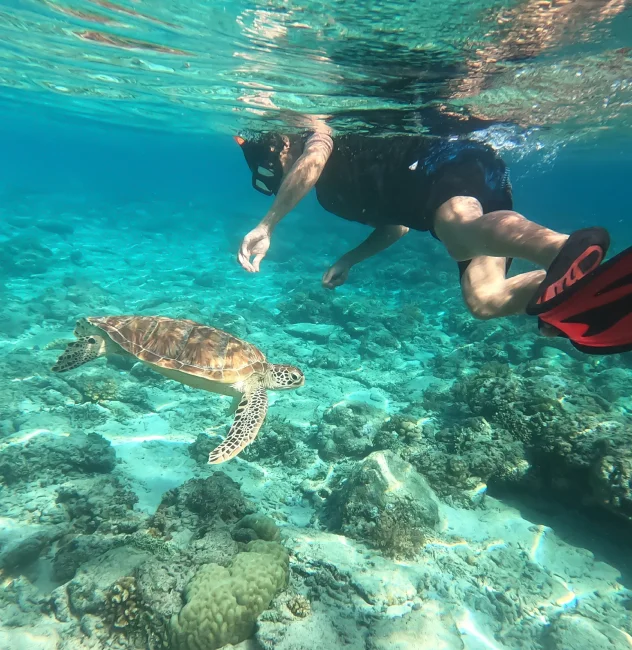
- Green sea turtles (very common)
- Hawksbill turtles
- Clownfish
- Garden eels
- Giant clams
Wreck Life
- Bumphead parrotfish schools
- Barracuda
- Sweetlips
- Batfish
- Coral-encrusted structures
Reisen
Wie man dorthin kommt
Bali ist eines der am besten erreichbaren Reiseziele Indonesiens. Der internationale Flughafen Ngurah Rai (DPS) wird von den größten Städten der Welt direkt angeflogen, darunter Singapur, Sydney, Tokio und viele europäische Hauptstädte.
Wir bieten Transfers vom Hotel zum Boot ab Sanur oder Padang Bai. Unser Team bietet eine umfassende Reiseunterstützung, um einen reibungslosen Ablauf bei der Abreise Ihres Safaribootes zu gewährleisten.
Abfahrtshafen: Sanur / Padang Bai Internationaler Flughafen Ngurah Rai (DPS) - direkte internationale Flüge
Reise-Tipps
Tipps für Reisende
Saisonale Planung
Auf Bali kann man das ganze Jahr über tauchen. Die Mola-Mola-Saison dauert von Juli bis Oktober in der Crystal Bay. Manta-Rochen sind das ganze Jahr über auf Nusa Penida zu finden. In der Trockenzeit (April bis Oktober) herrschen die besten Bedingungen.
Gegenwärtige Bewusstseinslage
Nusa Penida ist bekannt für starke und unvorhersehbare Strömungen, besonders in der Crystal Bay und am Manta Point. Eine Advanced Open Water Zertifizierung mit Erfahrung im Strömungstauchen wird für diese Tauchplätze empfohlen.
Temperaturschwankungen
Die Wassertemperaturen um Bali liegen zwischen 20 und 28 °C. Während der Mola-Mola-Saison kann die Thermokline in der Crystal Bay auf 16-18°C fallen. Für diese Tauchgänge wird ein 5 mm Neoprenanzug oder Halbtrockenanzug empfohlen.
Umweltbewusstes Reisen
Balis Meeresökosysteme stehen unter dem Druck des Tourismus. Unterstützen Sie verantwortungsbewusste Betreiber, beteiligen Sie sich, wenn möglich, an Riffsäuberungen und halten Sie sich an bewährte Praktiken für den Umgang mit Mantarochen und anderen Meeresbewohnern.
Travel Essentials
Practical Travel Information
Visa
Visa on Arrival available for most nationalities (30 days, extendable once). Passport must be valid for 6+ months.
Currency
Indonesian Rupiah (IDR). ATMs and money changers are widely available throughout Bali.
Language
Bahasa Indonesia and Balinese. English is widely spoken in tourist areas, hotels, and by our dive crew.
Tipping
Customary to tip the crew. A guideline of $15–20 USD per guest per day is appreciated.
What to Pack
5mm wetsuit for cold thermoclines, motion sickness medication for boat crossings to Nusa Penida, reef-safe sunscreen, and camera.
Health
No mandatory vaccinations. Recommended: Hepatitis A/B, Typhoid. Excellent medical facilities available in Denpasar and Sanur.
Electricity
220V, 50Hz with Type C/F plugs (European style). Adapters easily available locally.
Time Zone
WITA (Central Indonesian Time), UTC+8.
Unsere Reiseroute
Erleben Sie das Beste von Bali
Unsere Bali Tauchsafari deckt die spektakulärsten Tauchplätze der Insel ab, von den Manta-Putzerstationen von Nusa Penida über das Wracktauchen von Tulamben bis hin zu den Korallengärten von Amed und Padang Bai.
Siehe ZeitplanDeine Reise
Was ist inbegriffen & ausgeschlossen
Was ist inbegriffen?
- Liveaboard accommodation
- Airport/Hotel Transfer
- Diving activities
- Three daily main meals
- Unlimited Satellite Internet
- Three main daily snacks
- All-day snacks, coffee / tea
- Tanks, weights, weight belts
- Snorkeling gear
- 4 on 1 diver to guide ratio
- SUP (Stand-up Paddle board)
- Kayaking
Nicht inbegriffen
- NITROX
- Equipment rental (BCD, Wetsuit, Regulator, etc)
- Single occupancy cabin
- Park & Port fees
- Private dive guide
- Alcoholic beverages & soft drinks
FAQ
Allgemeine Fragen
When is the best time to dive Bali?
Bali offers year-round diving. Mola Mola (ocean sunfish) season runs July to October at Crystal Bay. Manta rays are present year-round at Nusa Penida. The dry season (April–October) offers the best overall conditions.
Will I see manta rays?
Manta Point at Nusa Penida offers near-guaranteed manta ray encounters year-round. Giant oceanic mantas with wingspans up to 5 meters visit cleaning stations regularly.
What is Crystal Bay like?
Crystal Bay is famous for Mola Mola encounters from July to October. Be prepared for cold thermoclines (16–18°C) at depth. The site also features beautiful coral gardens and reef fish.
How do I get to the dive sites?
Fly into Ngurah Rai International Airport (DPS) in Bali, which receives direct international flights. We provide hotel-to-boat transfers from Sanur or Padang Bai.
What experience level is needed?
Open Water certification is sufficient for many sites. Advanced certification is recommended for Crystal Bay and Manta Point due to strong, unpredictable currents. A 5mm wetsuit is recommended for thermocline dives.
Mehr erforschen
Siehe andere Reiseziele
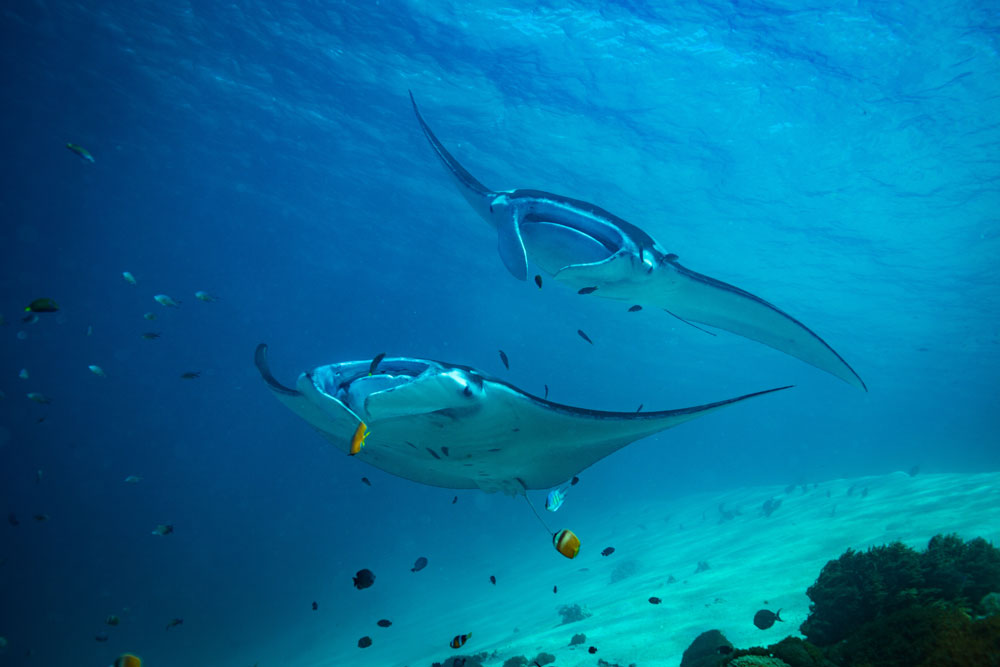
Komodo
A UNESCO World Heritage Site, Komodo National Park is home to the iconic Komodo dragons and offers equally impressive underwater wonders.
Explore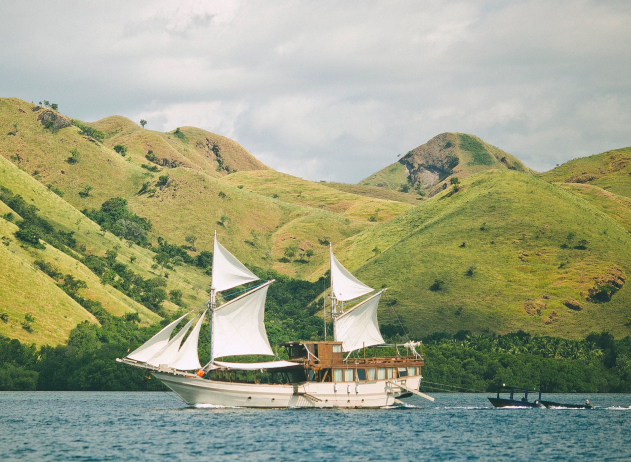
Alor
Indonesia's hidden macro diving paradise, offering pristine reefs, volcanic underwater landscapes, and incredible critter diversity in East Nusa Tenggara.
Explore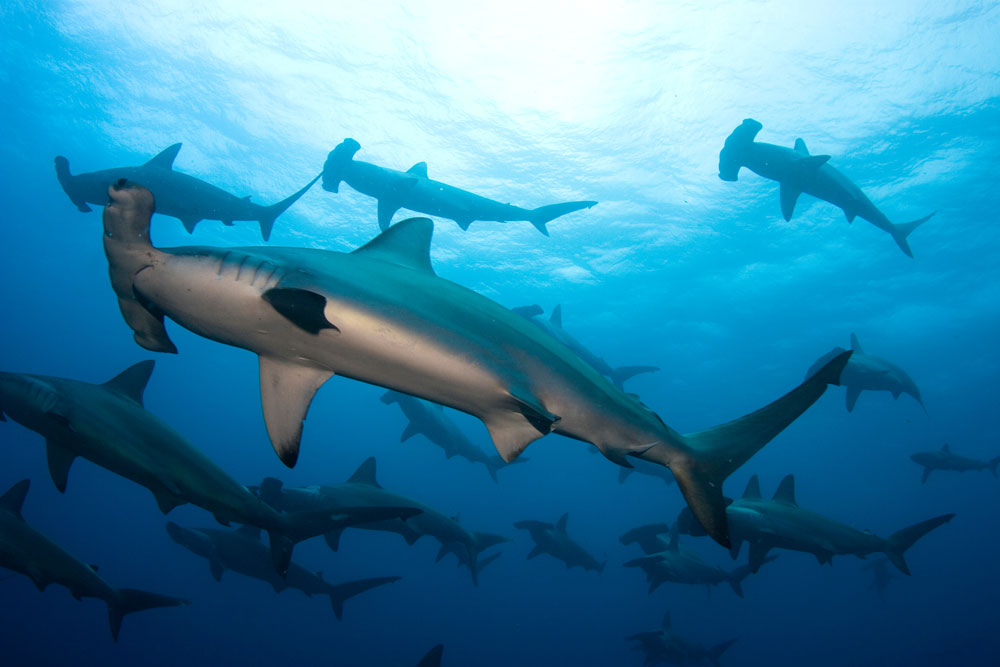
Banda Sea
With its volcanic islands and deep waters, the Banda Sea is home to hammerhead sharks, sea snakes, and vibrant coral gardens.
Explore