
Indonesien liegt mitten im Korallendreieck, dem artenreichsten Meeresgebiet der Erde. Dieser Archipel umfasst mehr als 17.000 Inseln und beherbergt etwa 25 % aller Fischarten und mehr als 75 % aller Korallenarten der Erde. Für alle, die wirklich in Indonesien tauchen möchten, bedeuten diese Zahlen vor allem eines: Wir müssen wissen, wo man in Indonesien am besten tauchen kann.
Die besten Tauchplätze Indonesiens sind wie eine Bucket List für alle, die das Meer lieben. Der Komodo-Nationalpark bietet aufregende Strömungstauchgänge mit Dinosauriern aus der Vergangenheit. Raja Ampat in West-Papua hat die meisten Arten weltweit. Bali hat leicht erreichbare Wracks und saisonale Mola-Mola-Sichtungen. Die Bandasee und Alor sind großartige Orte für erfahrene Taucher, die neue Riffe zum Erkunden suchen. Bunaken und Lembeh in Sulawesi sind großartige Orte sowohl für Fans des Wandtauchens als auch für Fans der Makrofotografie. Wakatobi erweitert die Auswahl mit wunderschönen Korallengärten, die völlig allein liegen.
Die Vielfalt der Erlebnisse, die für alle Erfahrungsstufen zugänglich sind, macht das Tauchen in Indonesien so reizvoll. Anfänger können mit ruhigen Strandtauchgängen in Tulamben oder bescheidenen Riffausflügen auf den Gili-Inseln beginnen. Fortgeschrittene Taucher können ihre Fähigkeiten in den starken Strömungen von Komodo unter Beweis stellen oder in Lembeh auf dunklem Sand nach seltenen Tieren suchen. Diese Bandbreite an Qualifikationen bedeutet, dass Tauchgruppen mit unterschiedlichen Erfahrungsstufen dennoch zusammenarbeiten können und einzelne Taucher ihre Fähigkeiten auf mehr als einer Reise verbessern können.
Bessere Verbindungen zwischen Inlandsflügen haben lange, anstrengende Reisen mit mehreren Etappen verkürzt. Liveaboard-Routen haben sich stark weiterentwickelt. Heute bieten seriöse Liveaboards gut geplante Reisen zu schwer erreichbaren Orten wie den Forgotten Islands an. Es entstehen immer mehr umweltfreundliche Resorts, insbesondere in Raja Ampat, wo gemeindebasierte Tourismusmodelle neue Standards für umweltfreundliches Tauchen setzen.
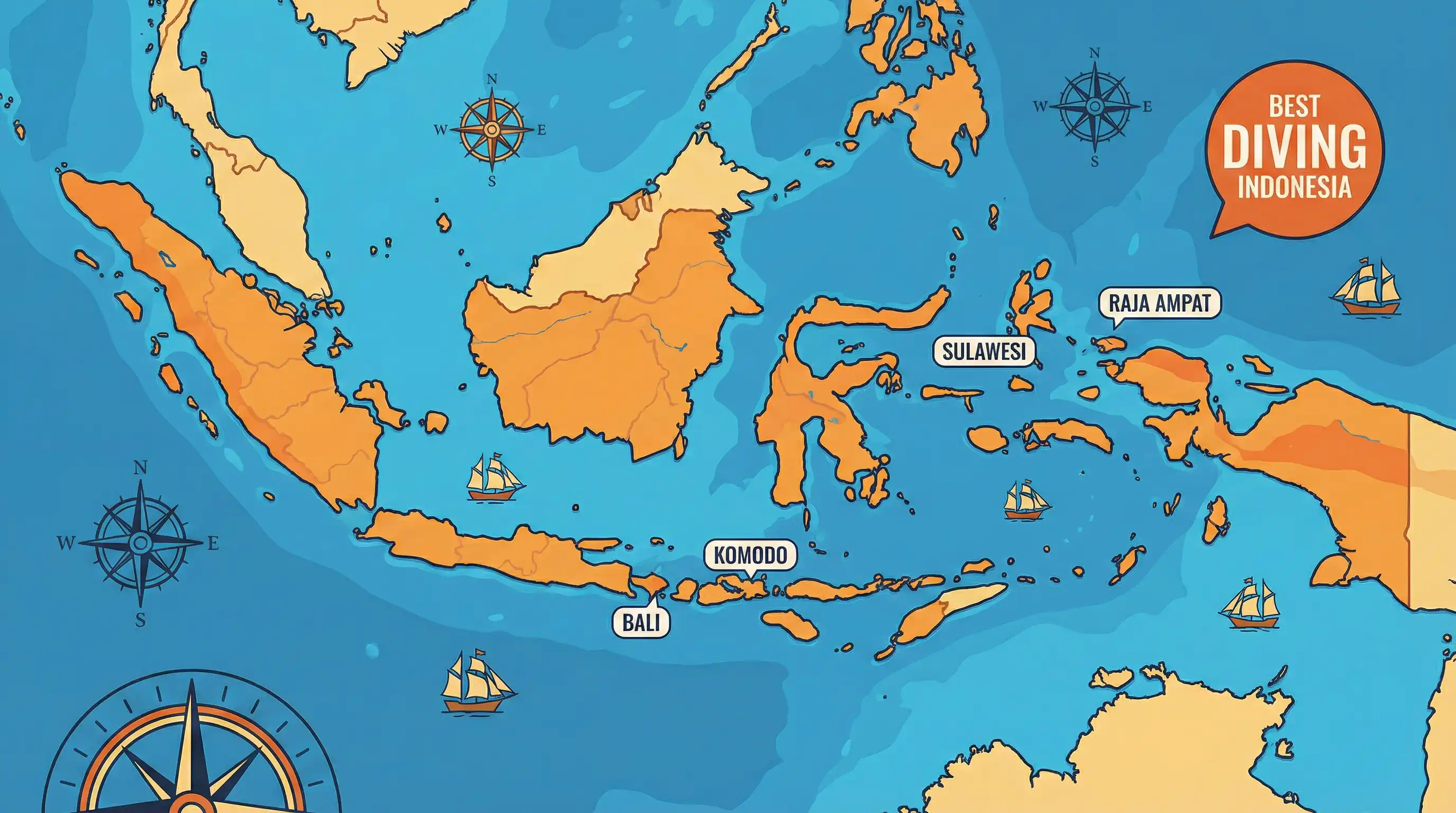
Die 10 besten Tauchziele in Indonesien
Diese sorgfältig ausgewählte Liste der besten Tauchplätze in Indonesien bietet eine gute Balance zwischen Artenvielfalt, Erreichbarkeit, einer Reihe von Tauchstilen (Wände, Schlamm, Strömung, Wracks) und dem Gesamterlebnis für Reisende. Ob Sie nun pelagische Fische, Zwergseepferdchen oder einfach nur wunderschöne Riffe voller Fische suchen, jeder Ort hat etwas Besonderes zu bieten.
In den folgenden Abschnitten werden die einzigartigen Meereslebewesen, die geeigneten Zielgruppen (Anfänger, Fortgeschrittene oder erfahrene Taucher), die beste Reisezeit und die Anreise beschrieben. Da Indonesien so groß und oft schwer zu erreichen ist, empfehlen wir Ihnen, nur ein oder zwei Gebiete auf einmal zu besuchen, anstatt zu versuchen, alles auf einmal zu sehen. Wenn es um das beste Tauchen in Indonesien geht, ist Qualität wichtiger als Quantität.
1. Raja Ampat – „Das letzte Paradies” in West-Papua
Raja Ampat liegt inmitten des Korallendreiecks und wissenschaftliche Untersuchungen zeigen, dass es die vielfältigste Unterwasserwelt der Erde beherbergt. Dieser abgelegene Archipel in West-Papua hat mehr als 500 Korallenarten und mehr als 1.000 Fischarten. Für passionierte Taucher aus aller Welt ist dies das, was „bestes Tauchen“ bedeutet.
Bekannte Tauchplätze:
- Cape Kri (Weltrekordhalter für die Anzahl der Fischarten, die bei einem einzigen Tauchgang gezählt wurden)
- Mioskon (atemberaubende Korallengärten und heimische Wobbegong-Haie)
- Blue Magic (Seamount mit Barrakudaschwärmen und Riffhaien)
- Arborek Jetty (Manta-Reinigungsstation mit Tauchernbegrenzung aus Gründen der Nachhaltigkeit)
- Melissa's Garden (unberührte Hartkorallenformationen)
- Wracks aus dem Zweiten Weltkrieg in der Nähe von Wai Island
Highlights der Meeresfauna: Die Tiere, die hier im Ozean leben, sind wie eine Liste von Dingen, die man sich in einer Fantasiewelt vorstellen würde. Bei Manta Sandy und Manta Ridge können Sie Mantarochen, bei Nachttauchgängen wandernde Haie (Epaulettenhaie), Schwarzspitzen-Riffhaie, die die Riffgrenzen bewachen, und Zwergseepferdchen, die sich in Seefächern verstecken, erwarten. Große Schwärme von Füsiliers, Doktorfischen und Makrelen bilden lebhafte Wände, und bunte Weichkorallen bedecken alles.
Beste Jahreszeit: Von Oktober bis April ist das Meer in der Regel ruhiger und die Manta-Aktivität konstanter. Sie können das ganze Jahr über tauchen, aber einige Orte sind aufgrund der geringen Wetterunterschiede zwischen dem Norden und Süden von Raja Ampat zu bestimmten Jahreszeiten vorzuziehen.
Anreise: Internationale Flüge landen in Jakarta (CGK) oder Bali (DPS), von dort aus gibt es Inlandsflüge nach Sorong (SOQ). Schnellboote bringen die Passagiere von Sorong zu den Resorts oder zu den Orten, an denen sie an Bord der Tauchsafaris gehen können. Sie müssen mit Gebühren für den Meerespark und Naturschutzmarken rechnen. Das Geld aus diesen Gebühren fließt direkt in den Schutz der Riffe und die Unterstützung der lokalen Bevölkerung.
Unterkunftsmöglichkeiten: Sie können zwischen Liveaboard-Reisen für eine umfassende Erkundung, Öko-Resorts für Komfort an Land oder Homestays für eine budgetfreundliche Möglichkeit, die lokale Kultur zu erleben, wählen. Zentralisierte Buchungssysteme, Kanalmanagement und optimierte Zahlungsprozesse helfen Unterkünften, die in der Hochsaison stark frequentiert sind. Dies sind die Dinge, die Plattformen wie Prostay bieten.
2. Komodo-Nationalpark – Strömungen, Mantas und Drachen
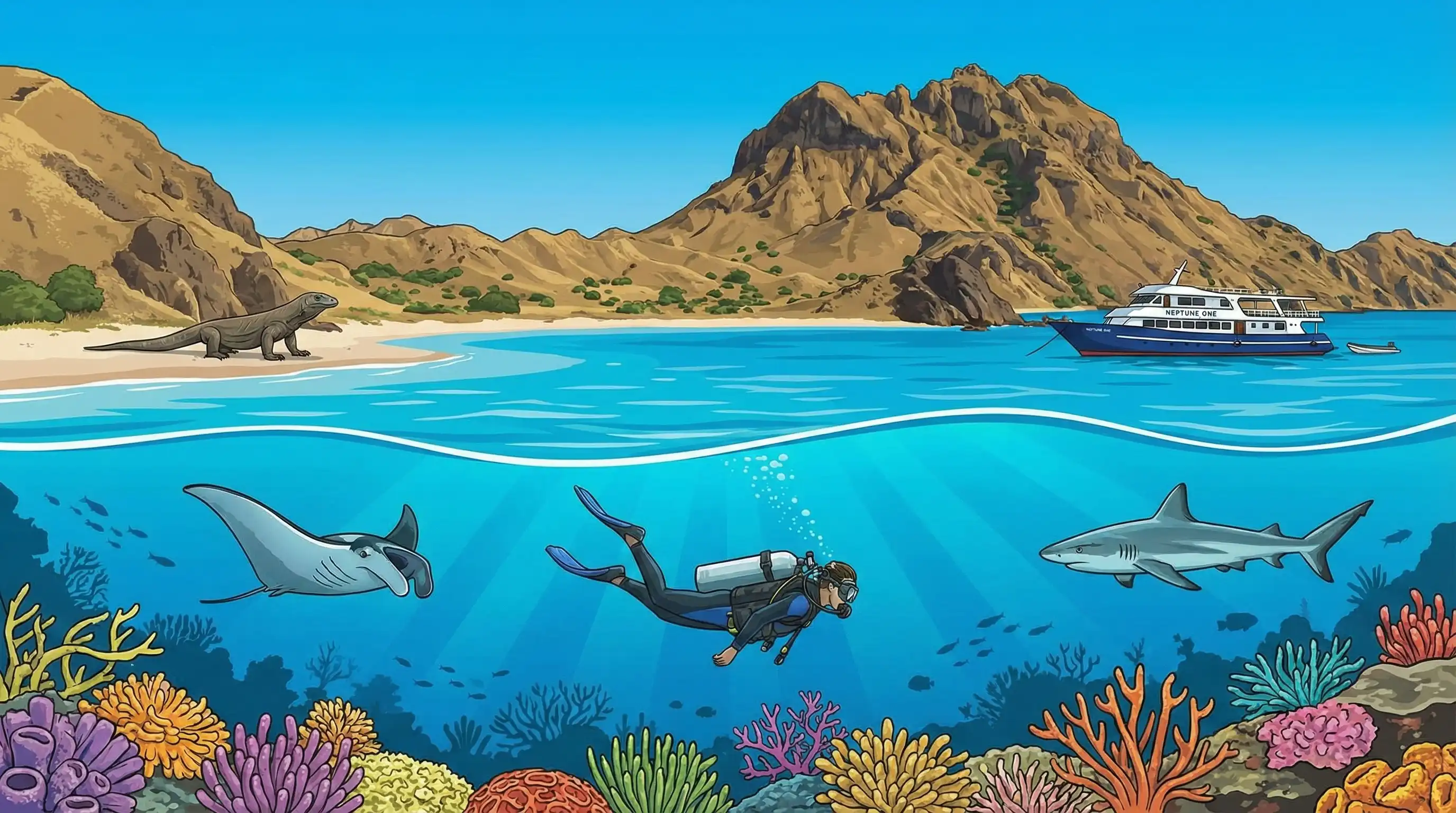
Sie erreichen den Komodo-Nationalpark von Labuan Bajo (LBJ) aus, der Torstadt. Er liegt zwischen Sumbawa und Flores in Ost-Nusa Tenggara. Dieses UNESCO-Weltkulturerbe bietet einige der besten Tauchplätze der Welt und ist die Heimat der Komodowarane, die zu den berühmtesten Landattraktionen der Natur zählen.
Bekannte Tauchplätze:
- Batu Bolong (Felsformation, umgeben von Fischschwärmen und Riffhaien)
- Castle Rock (stromumspülter Unterwasserberg mit pelagischer Aktivität)
- Shotgun (passender Name aufgrund seiner starken Strömung)
- Crystal Rock (atemberaubende Hart- und Weichkorallen)
- Manta Point und Manta Alley (zuverlässige Reinigungsstationen für Mantarochen)
- Mawan (sanfte Riffe, geeignet für alle Niveaus)
- Siaba Kecil (Schildkrötenautobahn)
Tauchstil: Tauchen in Komodo bedeutet starke Strömungen. Diese nährstoffreichen Strömungen sind stark, unvorhersehbar und aufregend. Sie ziehen eine Vielzahl von Meereslebewesen an, müssen aber auch respektiert werden. Erfahrene Taucher, die ihre Tarierung gut kontrollieren können, sind hier gut aufgehoben, können aufregende Strömungstauchgänge machen und während der Sicherheitsstopps ihre Oberflächenmarkierungsboje ausbringen. Manta Alley, das 20 Meter tief ist, kann mittlere bis starke Strömungen aufweisen, daher muss man wissen, wie man sich treiben lässt.
Oft sieht man Mantarochen, Riffhaie, riesige Makrelen, grüne Schildkröten und große Schwärme von Füsiliers und Anthias. Die kühleren Aufströmungen, die diese Arten anziehen, können auch dazu führen, dass die Wassertemperatur auf unter 20 Grad Celsius sinkt, bringen Sie also einen 5-mm-Neoprenanzug mit.
Beste Jahreszeit: Von Mai bis September bieten die Segeltörns im Norden und in der Mitte der Insel Komodo bessere Bedingungen zum Tauchen. Von November bis Februar verlagert sich der Schwerpunkt auf die südlichen Tauchplätze, wo die Manta-Aktivität am höchsten ist, obwohl das Wasser dort möglicherweise rauer ist.
Über das Tauchen hinaus: Sie können nicht in Komodo tauchen, ohne auf Komodo oder Rinca Island zu wandern, um die Drachen zu sehen. Die Sonnenaufgangswanderung auf Padar Island ist einer der meistfotografierten Orte Indonesiens, und die rosa Strände eignen sich hervorragend für eine Pause.
3. Bali & die Nusa-Inseln – Wracks, Mola Mola & gute Erreichbarkeit
Wenn Taucher über die besten Tauchplätze in Indonesien sprechen, vergessen sie meist Bali. Das ist ein Fehler. Die Insel bietet großartige Tauchmöglichkeiten, liegt in der Nähe internationaler Flughäfen, verfügt über eine hervorragende touristische Infrastruktur und hat mehrere verschiedene Tauchplätze, die mit dem Auto oder nach einer kurzen Bootsfahrt erreichbar sind.
Ost- und Nord-Bali:
- Tulamben: Hier liegt das Wrack der USAT Liberty, ein Frachtschiff aus dem Zweiten Weltkrieg, das in 5 bis 30 Metern Tiefe in ruhigen Untiefen ruht. Perfekt für Anfänger, die das Erkunden von Wracks lernen möchten, und Makro-Enthusiasten, die auf der Suche nach Nacktschnecken sind.
- Amed: Schwarze Sandhänge, reich an Makro-Leben, künstliche Riffstrukturen und einfache Strandtauchgänge.
- Padang Bai: Blue Lagoon und Bias Tugel bieten Strömungstauchgänge mit einer Sichtweite von über 25 Metern, gesunden Weich- und Hartkorallen sowie die Möglichkeit, nach Kleintieren zu suchen.
- Menjangan Island: Dieses Meeresschutzgebiet im West Bali National Park bietet ausgezeichnete Wandtauchgänge in 20 bis 30 Metern Tiefe mit minimalem Andrang.
Nusa Penida & Nusa Lembongan: Auf den Nusa-Inseln finden einige der spannendsten Events Indonesiens statt. Bei den meisten Tauchgängen am Manta Point und in der Manta Bay können Sie das ganze Jahr über Mantarochen beobachten. Von Mitte Juni bis Anfang Oktober kommen vereinzelt Mola Mola (Mondfische) in die Crystal Bay und die umliegenden Kanäle. Für fortgeschrittene Taucher ist dies ein wahr gewordener Traum, da die Thermokline auf 18–22 °C sinkt, wenn diese Kreaturen aus der Tiefe aufsteigen.
Die energiegeladenen Strömungen an Orten wie Toyapakeh und Blue Corner sind für fortgeschrittene Taucher aufgrund der starken Strömungen und der Möglichkeit, Riffhaie, Adlerrochen und riesige Fischschwärme zu sehen, eine Herausforderung.
Für wen ist es geeignet: Tauchen auf Bali ist für jeden geeignet. Anfänger können in Tulamben Open-Water-Kurse belegen, die Strandtauchgänge beinhalten. Fortgeschrittene können sich an sanfte Strömungen und die Erkundung von Wracks wagen. Erfahrene Taucher stellen sich den starken Strömungen und Tieftauchgängen in Nusa Penida.
Saison: Tauchen ist das ganze Jahr über möglich. Von Juli bis Oktober ist die beste Zeit, um Mola Mola zu sehen. Die durchschnittliche Meerestemperatur liegt zwischen 26 und 29 Grad Celsius, allerdings sind die Thermoklinen in der Nähe von Crystal Bay in der Regel kühler. Während der Mola-Saison können die Temperaturen deutlich sinken, daher sollten Sie sich in Padang Bai und Nusa Penida auf 5-mm-Neoprenanzüge einstellen.
4. Alor – Abgelegene Riffe und Begegnungen mit pelagischen Fischen
Der Alor-Archipel in Ost-Nusa Tenggara ist der abgelegenste und lohnenswerteste Ort zum Tauchen in Indonesien. Diese Vulkangruppe hat starke Strömungen, eine Sichtweite von regelmäßig über 30 Metern und eine herrliche Unterwasserlandschaft, die so schön ist wie kaum eine andere auf der Welt.
Besondere Erlebnisse:
- Kal's Dream (Wände und Gipfel mit pelagischer Aktivität)
- Clown Valley (weite Anemonenfelder, in denen Tausende von Clownfischen leben)
- Hausriffe der Insel Pura (leicht zugängliche Tauchplätze mit überraschender Vielfalt)
- Saisonale Begegnungen mit Hammerhaien, Fuchshaien, Mondfischen und großen Schwärmen von Thunfischen und Makrelen
Makro-Reichtum: Besucher von Alor sind von der Makro-Fauna überrascht. Rhinopias, haarige Anglerfische, Nacktschnecken in allen Farben und andere einzigartige Tiere, die denen in Lembeh in nichts nachstehen, leben auf schwarzen Sandhängen. Alor ist ein großartiger Ort zum Tauchen, da es sowohl Makro- als auch Pelagik-Möglichkeiten bietet, die ein breites Spektrum an Interessen ansprechen.
Beste Reisezeit: April bis November ist die beste Zeit, wobei Mai bis Oktober in der Regel die beste Sicht und die ruhigste See bieten. Kühle Aufströmungen machen das Wasser reich an Nährstoffen, die die Nahrungskette von den kleinsten Nacktschnecken bis hin zu vorbeiziehenden Walhaien versorgen.
Anreise: Flüge führen über Kupang (KOE) nach Alor (ARD). Zu den Unterkunftsmöglichkeiten gehören kleinere Öko-Resorts und eine Handvoll Tauchsafaris.
5. Wakatobi – Sulawesis Korallengarten
Die vier Hauptinseln, aus denen der Wakatobi-Nationalpark vor der Küste Südost-Sulawesis besteht, sind Wangi-Wangi, Kaledupa, Tomia und Binongko. Es war keine Übertreibung, als Jacques Cousteau diesen Ort in den 1990er Jahren als „Tauch-Nirvana” bezeichnete. Nach wie vor ist dies eines der schönsten und am besten geschützten Unterwassergebiete Indonesiens.
Tauchcharakter: Wakatobi ist für Taucher aller Erfahrungsstufen leicht zu erreichen, da die Strömungen sanft bis mäßig sind. Üppige Wände und abfallende Riffe zeigen Korallen in hervorragendem Zustand, deren Hartkorallenbewuchs populärere Orte in den Schatten stellt. Die Sichtweite beträgt oft mehr als 30 Meter, was ideal für Unterwasseraufnahmen ist.
Meeresleben: Bei fast jedem Tauchgang können Sie Schildkröten, Riffhaie, die an tieferen Wänden patrouillieren, große Schwärme von Büffelkopf-Papageienfischen, silbern schimmernde Makrelen und Barrakudas, die an Reinigungsstationen herumlungern, beobachten. Anthias-Schwärme tummeln sich über Korallengärten, die sich in perfektem Zustand befinden, und wer geduldig ist, kann viele Makro-Motive entdecken, die sich in der Riffstruktur verstecken.
Anreise: Inlandsflüge verbinden Makassar (UPG) mit Wakatobi. Einige gehobene Resorts organisieren private Charterflüge. Diese zusätzliche Komplexität macht eine sorgfältige Planung für Gäste unerlässlich.
6. Bandasee & Banda-Inseln – Hammerhaie & Geschichte
Die Bandasee ist der beste Ort in Indonesien für eine Liveaboard-Kreuzfahrt. Sie ist abgelegen, anspruchsvoll und wunderschön. Während der Übergangszeiten, etwa von September bis November und erneut im April, befahren die meisten Boote diese Gewässer. Dann wandern die Boote zwischen Komodo und Raja Ampat.
Besondere Erlebnisse:
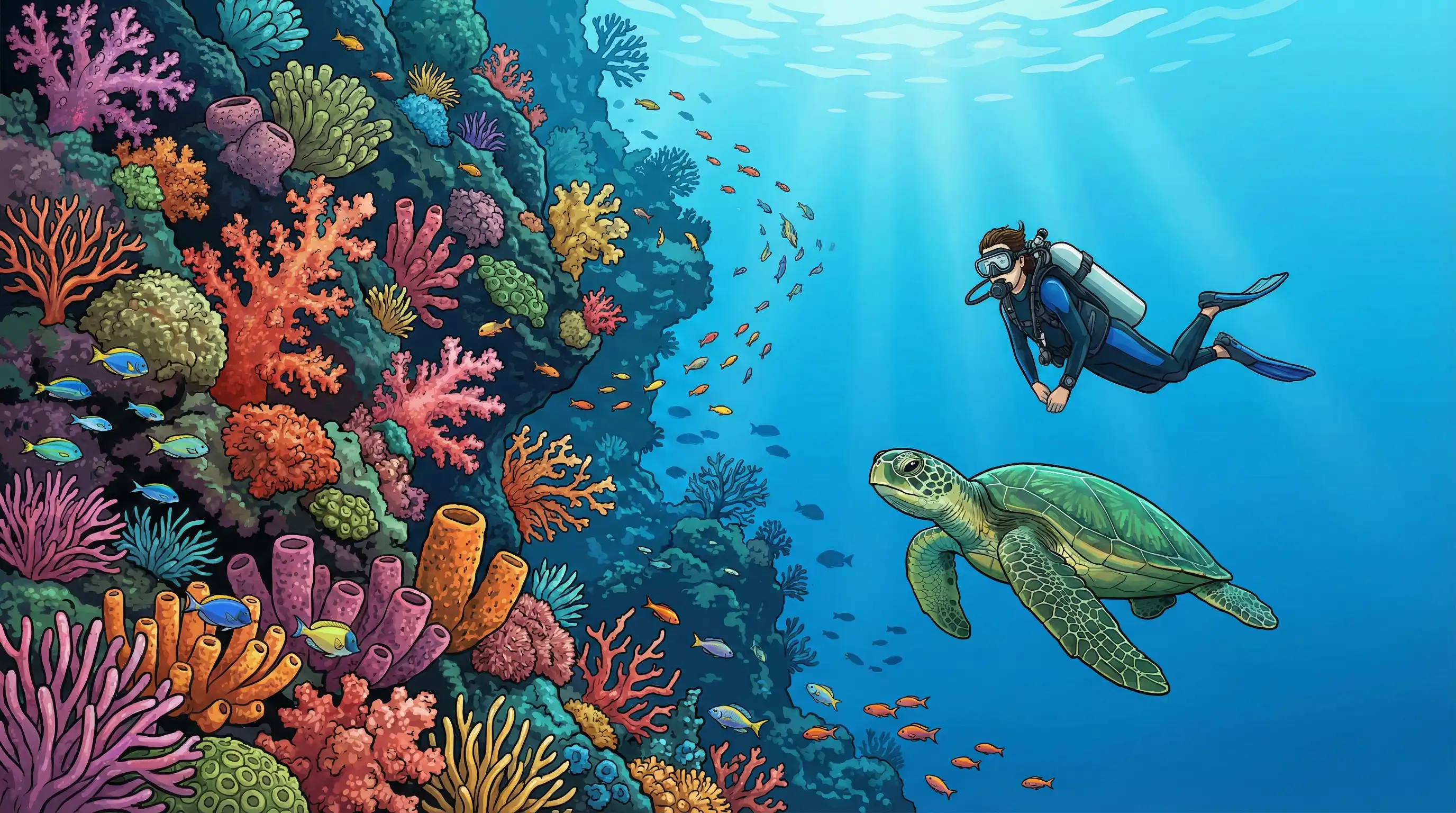
- Seamounts und Steilwände, die Schwärme von Hammerhaien anziehen
- Manuk und Gunung Api mit einer bemerkenswerten Anzahl von Seeschlangen
- Gesunde Hart- und Weichkorallen in makellosem Zustand
- Kristallklares blaues Wasser mit einer Sichtweite von oft mehr als 40 Metern
Historischer Reiz: Die Banda-Inseln bieten zwischen den Tauchgängen großartige Aktivitäten an Land. Alte niederländische Festungen, Muskatnussplantagen, die einst die imperialen Ambitionen Europas beflügelten, und wunderschöne Kolonialarchitektur tragen zum kulturellen Hintergrund der Reise bei.
Für wen ist diese Reise geeignet: Dieser Tauchspot eignet sich für fortgeschrittene bis erfahrene Taucher, die mit der Tiefe, den Strömungen und der Entfernung zu medizinischer Hilfe zurechtkommen. Es ist wichtig, eine umfassende Tauchversicherung abzuschließen und im Voraus zu planen.
Logistik: Fliegen Sie nach Ambon (AMQ) oder Maumere (MOF), bevor Sie an Bord eines Tauchsafari-Schiffes gehen. Diese mehrtägigen Reisen erfordern eine zuverlässige Planung und eine genaue Bearbeitung der Passagierliste – operative Anforderungen, die professionelle Tauchsafari-Anbieter sehr ernst nehmen.
7. Bunaken-Meerespark – Steile Wände und Schildkrötenparadies
Seit Jahrzehnten ist der Bunaken Marine Park vor Nord-Sulawesi, in der Nähe von Manado (MDC), der beste Ort zum Tauchen in der Region. Sein klares Wasser, seine hoch aufragenden Wände und seine großen Schildkrötenpopulationen ziehen weiterhin Taucher an, die auf der Suche nach einfachen, aber lohnenden Riffausflügen sind.
Klassische Tauchplätze:
- Lekuan I, II und III (dramatische Wände, die Hunderte von Metern in die Tiefe stürzen)
- Sachiko's Point (stromumspülte Ecke mit Potenzial für pelagische Fische)
- Fukui (sanfte Hänge für eine einfachere Erkundung)
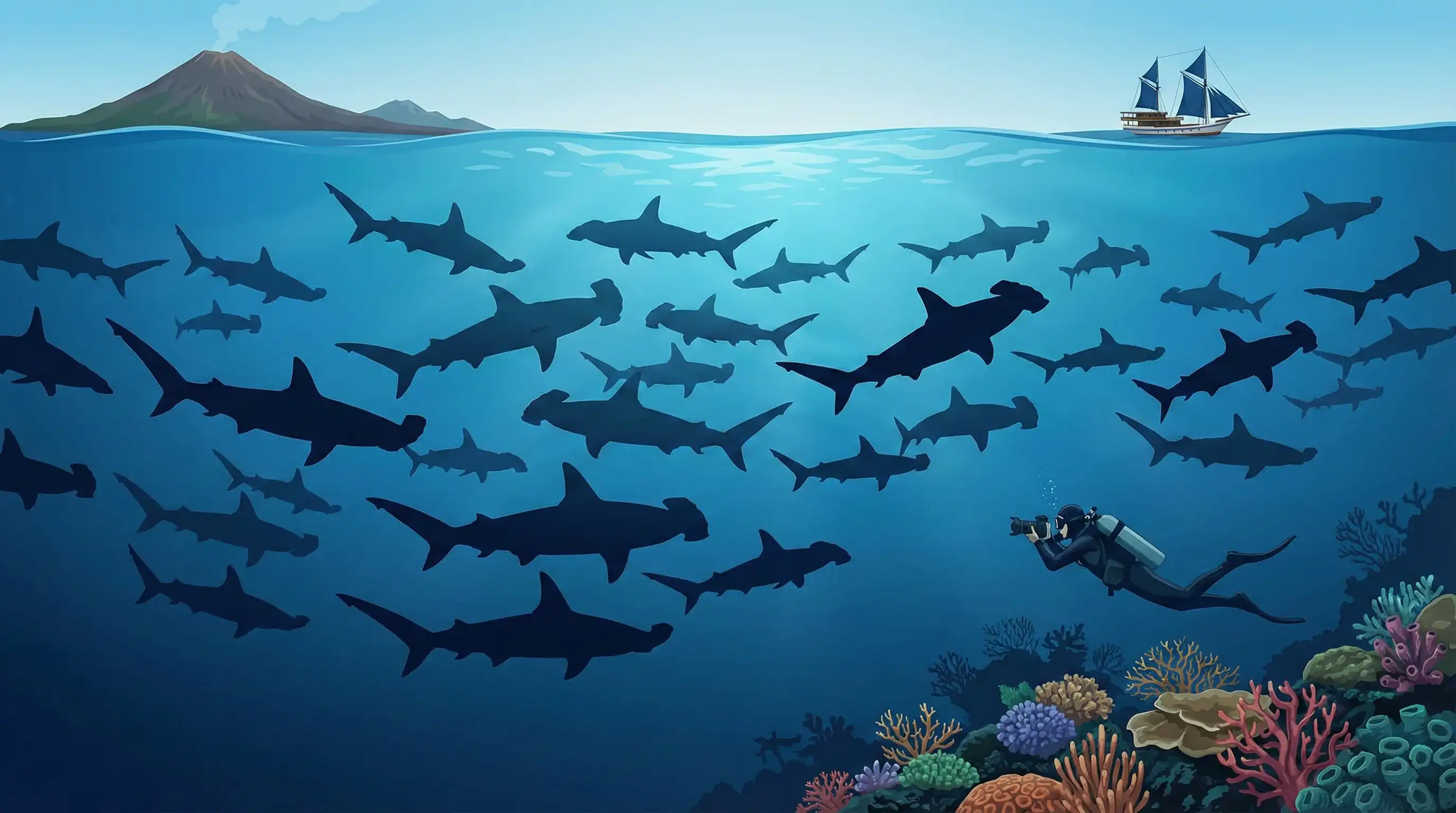
Diese Wände sind mit Gorgonien und Schwämmen bewachsen und werden von einer atemberaubenden Vielfalt an Rifffischen bevölkert. Die Möglichkeit, Adlerrochen und Riffhaie zu sehen, lässt Taucher das Blau absuchen, während Grüne Meeresschildkröten und Echte Karettschildkröten mit erfreulicher Regelmäßigkeit auftauchen.
Tauchbedingungen: Bunaken ist mit seinen allgemein ruhigen Gewässern und sanften Strömungen ideal für Anfänger und fortgeschrittene Taucher, die Tiefe ohne intensives Strömungstauchen suchen. Der Meerespark schützt fünf Inseln, von denen jede einen etwas anderen Charakter hat.
Beste Reisezeit: Das ganze Jahr über kann getaucht werden, wobei die Monate Juni bis Oktober wegen ihrer trockenen Bedingungen und guten Sichtverhältnisse besonders beliebt sind. Auch in der Nebensaison kann man hier hervorragende Erlebnisse genießen, ohne dass es zu voll wird.
8. Lembeh-Straße – Muck-Tauch-Hauptstadt der Welt
Die Lembeh-Straße, die direkt gegenüber von Bunaken liegt, ist als die Muck-Tauch-Hauptstadt der Welt bekannt. Wenn Sie auf der Suche nach unberührten Korallengärten oder Begegnungen mit pelagischen Fischen sind, ist dies nicht der richtige Ort für Sie. Stattdessen ist Lembeh der beste Ort der Welt, um auf dunklen Sand- und Geröllhängen nach Kleintieren zu suchen.
Typische Lebewesen:
- Mimik-Oktopus und Wunderpus
- Blauring-Oktopus
- Behaarte Anglerfische in verschiedenen Farben
- Flamboyante Tintenfische
- Seepferdchen und Seenadeln
- Rhinopias (Paddelklappen- und Seegras-Drachenkopf)
- Seltene Nacktschnecken und Mandarinfische in der Abenddämmerung
Tauchstil: Tauchgänge in Lembeh sind langsam, flach und sehr konzentriert. Es ist nicht immer leicht zu sehen, aber die Artenvielfalt im mikroskopischen Maßstab ist erstaunlich. Unterwasserfotografen tauchen mit komplizierter Makroausrüstung ab und verbringen ganze Tauchgänge damit, Abschnitte des Meeresbodens zu betrachten, die aus der Ferne leer aussehen, aber aus der Nähe voller Leben sind.
Für wen ist es geeignet: Lembeh ist ein großartiger Ort für erfahrene Taucher und Fotografen, die lieber kleine als große Tiere jagen. Um den empfindlichen Untergrund und seine Bewohner zu schützen, müssen Sie über ein Advanced Open Water-Zertifikat verfügen und Ihre Tarierung gut kontrollieren können.
Viele Besucher von Lembeh fahren auch nach Bunaken oder Bangka Island, um das Makrotauchen mit Riff- und Wandtauchen zu kombinieren.
9. Gili-Inseln – Schildkröten & entspannte Inselatmosphäre
Die drei Hauptinseln der Gili-Inseln – Trawangan, Air und Meno – liegen vor der Nordwestküste von Lombok und gehören zu den besten Tauchgebieten Indonesiens. Die Gilis sind von Bali aus leicht mit dem Schnellboot oder mit dem Flugzeug nach Lombok (LOP) zu erreichen. Sie bieten wunderbare Unterwasseraktivitäten und eine entspannte Inselatmosphäre.
Tauch-Highlights:
- Warme, meist ruhige Bedingungen
- Mehrere Reinigungsstationen für Schildkröten (Schildkröten bei praktisch jedem Tauchgang)
- Riffhaie, die durch sandige Kanäle gleiten
- Tintenfische, Kraken und zahlreiche Rifffische
- Einige tiefere Tauchplätze mit stärkeren Strömungen für fortgeschrittene Taucher
Für wen ist es geeignet: Die Gilis sind ideal für Menschen, die noch keine Erfahrung mit Reisen und Rucksacktouren haben. Viele Tauchshops und -zentren bieten Open-Water- und Fortgeschrittenenkurse zu unschlagbaren Preisen an. Gili Trawangan bietet viele gesellschaftliche Aktivitäten, während Gili Air und Gili Meno ruhige Orte zum Verweilen sind.
Beste Reisezeit: Von Mai bis Juni und von Oktober bis November ist das Meer in der Regel ruhig und die Sicht gut. Tauchen ist das ganze Jahr über möglich, allerdings kann es von Dezember bis Februar zu raueren Bedingungen kommen.
10. Pulau Weh – Die nördliche Grenze des indonesischen Tauchens
Pulau Weh liegt an der westlichen Grenze des indonesischen Tauchgebiets, vor der Nordspitze Sumatras, in der Nähe von Banda Aceh. Dieser wenig bekannte Ort ist sehr wertvoll, hat starke Strömungen und wunderschöne Riffe, und es gibt dort nicht so viele Menschen wie an anderen Orten.
Wichtige Tauchplätze:
- Batee Tokong (Riff mit Fischschwärmen und gelegentlich Riffhaien)
- Shark Plateau (tieferer Tauchplatz mit Potenzial für pelagische Fische)
- Sophie Rickmers Wrack (für technische Tauchbegeisterte)
- Lebendige Riffe mit Skorpionfischen, großen Muränen und Barrakudaschwärmen
Reiz: Pulau Weh hat eine entspannte Inselatmosphäre und bietet hervorragende Tauchmöglichkeiten und günstige Unterkünfte. Die Mischung aus Riffen, tiefen Wänden und einigen Muck-Diving-Spots ist attraktiv für ernsthafte Taucher, die neue Dinge ausprobieren möchten, ohne viel Geld auszugeben.
Hauptsaison: Von Februar bis November kann getaucht werden, wobei die besten Bedingungen oft von Juni bis September herrschen. Im Dezember und Januar kann es zu stärkeren Monsunbedingungen und eingeschränkter Sicht kommen.
Anreise: Sie können nach Banda Aceh (BTJ) fliegen und dann mit der Fähre nach Pulau Weh weiterreisen. Einfache, cloudbasierte Managementsysteme helfen kleineren Unterkünften, die Online-Nachfrage zu bedienen, ohne dass sie große Front-Office-Teams benötigen. Genau diese Art von vereinfachter Lösung bietet Prostay.
Derawan-Archipel – Kalimantans verstecktes Juwel unter Wasser
Der Derawan-Archipel vor der Ostküste von Kalimantan (indonesisches Borneo) ist das neue Top-Tauchziel in Indonesien und bekannt für seine klaren Riffe, seine reiche Unterwasserwelt und einzigartige Unterwassererlebnisse. Derawan, Maratua, Kakaban und Sangalaki gehören alle zu dieser Inselgruppe. Jede Insel hat ihre eigenen einzigartigen Attraktionen für Taucher.
Besondere Tauchplätze und Highlights:
- Derawan-Insel: Bekannt für ihre farbenprächtigen Korallengärten und vielfältigen Rifffische, bietet sie hervorragende Sichtverhältnisse und sanfte Strömungen, die für alle Erfahrungsstufen geeignet sind.
- Maratua-Insel: Berühmt für „Big Fish Country”, einen Tauchplatz, an dem es von großen pelagischen Arten wie Barrakudas, Riffhaien und Adlerrochen wimmelt. Maratua verfügt auch über einen seltenen See mit nicht stechenden Quallen, der ein einzigartiges Schnorchelerlebnis bietet.
- Kakaban Island: Heimat eines der wenigen Quallenseen der Welt, in dem Taucher und Schnorchler sicher zwischen nicht stechenden Quallen schwimmen können. Die umliegenden Riffe zeichnen sich durch gesunde Korallenformationen und ein reiches Makroleben aus.
- Sangalaki Island: Ein Hotspot für Mantarochen-Sichtungen und Schildkröten-Nistplätze, der Tauchern aufregende Begegnungen mit diesen anmutigen Kreaturen bietet.
Meeresleben und Taucherlebnis: Der Archipel beherbergt viele verschiedene Meerestiere, darunter Walhaie, Schildkröten, Mantarochen und farbenfrohe Rifffische. Derawan ist ein großartiger Ort sowohl für Makro-Fans als auch für Menschen, die größere Meereslebewesen bevorzugen, da es dort großartige Muck-Tauchgänge und wunderschöne Korallenriffe gibt.
Beste Zeit zum Tauchen: Von April bis November herrschen in der Regel die besten Bedingungen mit ruhiger See und guter Sicht.
Erreichbarkeit und Unterkunft: Die meisten Menschen erreichen die Inseln, indem sie nach Berau oder Tarakan fliegen und dann mit dem Boot zu den Inseln fahren. Es gibt viele Tauchresorts und Liveaboard-Alternativen für Taucher, die sowohl Komfort als auch Abenteuer suchen.
Wenn Sie Derawan in Ihren Tauchplan für Indonesien aufnehmen, können Sie eines der weniger bevölkerten, aber dennoch sehr schönen Unterwasserparadiese des Landes entdecken.
Wann sollte man in Indonesien tauchen: Jahreszeiten und beste Reisezeiten für die einzelnen Regionen
In Indonesien kann man das ganze Jahr über tauchen, aber wenn Sie die Unterschiede zwischen den Regionen kennen, können Sie Ihre Reise optimal gestalten. Der Archipel ist so groß, dass das Wetter in Raja Ampat im Osten sich stark vom Wetter in Pulau Weh im Westen unterscheiden kann.
Allgemeines Muster: Die Trockenzeit von Mai bis September ist für den größten Teil Zentral- und Ostindonesiens günstig. Sie ist fantastisch für den Komodo-Nationalpark, Alor, Nord-Bali, die Gili-Inseln, den Bunaken-Marinepark und die Lembeh-Straße. Die Regenzeit macht das Meer an einigen Orten ruhiger, insbesondere in Raja Ampat, wo die beste Reisezeit normalerweise von Oktober bis April ist.
Regionale Highlights:
- Raja Ampat: Am besten von Oktober bis April, ruhigere See, zuverlässige Manta-Aktivität an Reinigungsstationen
- Komodo: Mai bis September für Tauchplätze im Norden und Zentrum; November bis Februar für Manta-Begegnungen im Süden
- Bali & Nusa Penida: Ganzjährig zum Tauchen geeignet; Mola-Mola-Saison von Juli bis Oktober
- Banda-See: Übergangsmonate (September bis November, März bis April) für Begegnungen mit Hammerhaien
- Wakatobi: In der Regel März bis Dezember, mit bester Sicht zur Jahresmitte
- Bunaken & Lembeh: Ganzjährig, wobei Juni bis Oktober wegen trockenerer Bedingungen beliebt sind
- Alor: April bis November, wobei Mai bis Oktober die beste Sicht bieten
Wassertemperaturen: An den meisten Tauchplätzen in Indonesien sind die Temperaturen mit 26 bis 29 Grad Celsius akzeptabel. In Regionen mit Aufströmungen, wie beispielsweise Crystal Bay während der Mola-Mola-Saison, einigen Komodo-Tauchplätzen im Süden und Alor in Zeiten mit hohem Nährstoffgehalt, sind die Thermoklinen jedoch kühler (18–22 °C). Bringen Sie sowohl 3-mm- als auch 5-mm-Neoprenanzüge mit, falls Sie diese benötigen.
Planen Sie Ihren Urlaub entsprechend den Tierarten, die Sie sehen möchten, und buchen Sie frühzeitig Liveaboards, die diesen saisonalen Wanderungen in vielen Gebieten folgen.
Tauchbedingungen, Erfahrungsstufen und Sicherheit
Das Tauchen in Indonesien bietet alles, von ruhigen, flachen Riffen, die ideal für Anfänger sind, bis hin zu schnell fließenden Kanälen und tiefen Seebergen, die selbst für erfahrene Taucher eine Herausforderung darstellen. Es ist für die Sicherheit und den Spaß wirklich wichtig, sich selbst ehrlich einzuschätzen, wie gut man in etwas ist.
Strömungen und Drift: Starke Strömungen prägen das Tauchen in Komodo, Nusa Penida, Alor, Teilen von Raja Ampat und der Bandasee. Um in diesen Umgebungen erfolgreich zu sein, sind folgende Voraussetzungen erforderlich:
- Sicherheit im Umgang mit Oberflächenmarkierungsbojen
- Sicherheit beim Negativ-Einstieg (sofortiges Abtauchen nach dem Eintauchen ins Wasser)
- Bereitschaft, die Anweisungen des Tauchlehrers genau zu befolgen
- Gute Tarierungskontrolle, um unter schwierigen Bedingungen den Kontakt mit dem Riff zu vermeiden
Anfängerfreundliche Optionen: Mehrere indonesische Reiseziele heißen frisch zertifizierte Taucher willkommen:
- Bali-Küsten-Tauchgänge in Tulamben und Amed
- Die sanften Riffgebiete der Gili-Inseln
- Teile des Bunaken-Meeresparks mit minimalen Strömungen
- Die geschützten Korallengärten von Wakatobi
Sichtweite und Tiefe: Die Sichtweite kann in trüben Gewässern bis zu 10 Meter betragen und in offenen Meeresgebieten wie der Bandasee bis zu 40 Meter. Die meisten Tauchgänge finden in einer Tiefe zwischen 5 und 30 Metern statt, wobei die Riffe für Anfänger am flachsten und die Wände und Seeberge für Experten am tiefsten sind. Sie benötigen Tauchcomputer und sollten niemals die Dekompressionsgrenzen überschreiten.
Sicherheitstipps:
- Warten Sie nach Ihrem letzten Tauchgang mindestens 24 Stunden, bevor Sie fliegen.
- Schließen Sie für abgelegene Reiseziele eine DAN- oder ähnliche Tauchversicherung ab.
- Wählen Sie seriöse Anbieter mit Sauerstoff, Funkgeräten und geschultem Personal.
- Überprüfen Sie die Wartung der Ausrüstung und die Standards für Sicherheitsunterweisungen.
Anreise nach Indonesien und Fortbewegung zwischen den Tauchgebieten
Das riesige Archipel Indonesiens erfordert eine sorgfältige Flugplanung. Wenn Sie die Drehkreuzflughäfen und die Verbindungen im Inland kennen, vermeiden Sie frustrierende Verspätungen und verpasste Bootsabfahrten.
Internationale Flughäfen:
- Jakarta (CGK): Hauptdrehkreuz mit den meisten internationalen Verbindungen
- Bali/Denpasar (DPS): Beliebter Einstiegspunkt, insbesondere aus Asien und Australien
- Manado (MDC): Einige direkte internationale Flüge aus Singapur
- Surabaya (SUB): Alternativer Drehkreuzflughafen für Verbindungen nach Ostjava
Inlandsflüge für Taucher:
- Sorong (SOQ) für Raja Ampat über Jakarta oder Makassar
- Labuan Bajo (LBJ) für Komodo über Bali oder Jakarta
- Manado (MDC) für Bunaken und Lembeh
- Ambon (AMQ) und Maumere (MOF) für Banda-See-Reiserouten
- Kupang (KOE) und Alor (ARD) für Alor
- Makassar (UPG) für Verbindungen nach Wakatobi
Praktischer Tipp: Auf Inlandsflügen kommt es ständig zu Flugplanänderungen und Verspätungen. Bevor Sie zu einer Tauchsafari aufbrechen oder nach Ihrem letzten Tauchtag, sollten Sie einige Puffertage in Jakarta oder Bali einplanen. Es kostet viel Geld und ist sehr traurig, wenn man wegen eines verspäteten Fluges die Abfahrt einer Tauchsafari verpasst.
Boote und Fähren: Schnellboote fahren von Bali zu den Gili-Inseln, Lombok und Nusa Penida. Lokale Fähren fahren nach Pulau Weh und Wakatobi. Es gibt nicht viele Abfahrten pro Tag, daher müssen Flüge und Bootsabfahrten perfekt aufeinander abgestimmt werden. Wenn Sie die letzte Fähre verpassen, müssen Sie die Nacht an Land verbringen.
Unterkünfte: Tauchresorts, Tauchsafaris und Öko-Lodges
In Indonesien gibt es eine große Auswahl an Unterkünften für Taucher, von einfachen Privatunterkünften bis hin zu luxuriösen Tauchsafaris. Wenn Sie wissen, welche Möglichkeiten Sie haben, können Sie Ihre Erwartungen besser mit der Realität in Einklang bringen.
Tauchresorts:
- Ideal für Taucher, die den Komfort an Land und flexible Tagespläne bevorzugen
- Häufig anzutreffen in Bali, auf den Gili-Inseln, in Bunaken, Lembeh, Wakatobi und Teilen von Raja Ampat und Komodo
- Bieten oft Tauchpakete mit Vollpension an, einschließlich Unterkunft, Tauchgänge, Mahlzeiten und Transfers
- Ermöglichen es Nichttauchern, das Reiseziel zu genießen
Homestays und Öko-Lodges:
- Besonders verbreitet in Raja Ampat und auf abgelegenen Inseln
- Betonen den gemeindebasierten Tourismus mit niedrigeren Preisen, aber einfacheren Einrichtungen
- Unterstützen direkt die lokale Wirtschaft
- Verlangen Sie von den Gastgebern, trotz begrenzter Personalausstattung konsistente Buchungsinformationen und Gästekommunikation aufrechtzuerhalten
Liveaboards:
- Am besten geeignet für Erkundungen der Banda-See, des abgelegenen Raja Ampat und der Triton Bay sowie für einige Routen in Komodo und Alor
- Bieten 3–4 Tauchgänge pro Tag an, um Tauchplätze zu erreichen, die vom Land aus nicht zugänglich sind
- Ermöglichen eine effiziente Erkundung mehrerer Regionen
- Erfordern eine genaue Kontrolle des Kabinenbestands, die Verwaltung der Gästelisten und die Zahlungsplanung – Vorgänge, die mit einer Hotel-Software wie Prostay an die Gegebenheiten auf Seeschiffen angepasst werden können
Budgetplanung für Ihre Tauchreise nach Indonesien
Indonesien bietet Unterkünfte für jedes Budget, von Backpacker- bis Luxusunterkünften, mit erheblichen Unterschieden zwischen den Regionen und Unterkunftsarten.
Typische Kosten für Tagesausflüge:
- Bali, die Gili-Inseln und Pulau Weh bieten wettbewerbsfähige Preise für Ausflüge mit zwei Tauchgängen (Ausrüstungsverleih und Parkgebühren in der Regel extra).
- Abgelegene Reiseziele wie Raja Ampat, Wakatobi und die Bandasee verlangen aufgrund der Logistik und der Naturschutzgebühren höhere Tagespreise.
- Liveaboard-Reisen sind mit erheblichen Investitionen verbunden, bieten jedoch einen unvergleichlichen Zugang und ein unübertroffenes Tauchvolumen.
Zusätzliche Kosten, die Sie einkalkulieren sollten:
- Meerespark- und Naturschutzgebühren (jährliche Gebühr für Raja Ampat, Tagesgebühren für Komodo, lokale Parkgebühren an anderen Orten)
- Inlandsflüge mit zusätzlichem Gepäck für Tauchausrüstung
- Schnellboote und Flughafentransfers
- Nitrox-Füllungen für Tieftauchgänge oder mehrere Tauchgänge pro Tag
- Private Guides, Kameragebühren und optionale dritte oder vierte Tauchgänge
- Ausrüstungsverleih, wenn Sie nicht mit Ihrer eigenen Ausrüstung reisen
Jenseits der Blasen: Landaktivitäten & kulturelle Höhepunkte
Die Tauchplätze Indonesiens bieten großartige Aktivitäten an Land, sodass Sie das Tauchen leicht mit der Erkundung der Kultur und der natürlichen Schönheit verbinden können.
Regionale Highlights:
Komodo:
- Drachentrekking auf den Inseln Komodo und Rinca
- Wanderungen zum Sonnenaufgang auf der Insel Padar
- Besuche des Pink Beach während der Oberflächenpausen
- Spaziergänge auf Hügeln mit Panoramablick bei Sonnenuntergang
Raja Ampat:
- Aussichtspunkte auf den Inseln Piaynemo und Fam (ikonische Karstinseln)
- Beobachtung von Paradiesvögeln in Waldreservaten
- Besuche in Dörfern, um die Kultur Papuas kennenzulernen
- Kajakfahren durch Kalksteinformationen
Bali:
- Tempelbesichtigungen (Uluwatu, Tanah Lot, Besakih)
- Spaziergänge durch Reisterrassen (Tegallalang, Jatiluwih)
- Ausflüge zu Wasserfällen
- Yoga- und Wellness-Retreats
Gili-Inseln & Lombok:
- Trekking auf den Vulkan Rinjani (in der Saison)
- Surfen an der Südküste von Lombok
- Tagesausflüge zu verschiedenen Inseln
Banda-Inseln:
- Historische Muskatnussplantagen
- Erkundung niederländischer Kolonialfestungen
- Schnorcheln zwischen den Tauchgängen
Viele Tauchzentren und Hotels bieten Pakete an, die sowohl Tauchgänge als auch Landausflüge umfassen. Dank leistungsstarker zentraler Systeme können die Einrichtungen Aktivitäten, Guides und Transportpläne leichter im Blick behalten und gleichzeitig den Tauchbetrieb aufrechterhalten.
Planen Sie am Ende Ihrer Reise mindestens ein oder zwei „tauchfreie” Tage ein, um die Sehenswürdigkeiten zu besuchen. So sind Sie auf Ihrem Heimflug sicher und können Ihre Zeit in Indonesien optimal nutzen.
Die Unterwasserwelt Indonesiens hat für jeden Taucher etwas zu bieten, vom Anfänger, der in den ruhigen Gewässern Balis sein Brevet macht, bis zum erfahrenen Profi, der in der Bandasee nach Hammerhaien sucht. Die wunderschönen Korallenriffe, die erstaunliche Vielfalt der Meeresfauna und die große Anzahl an Tauchplätzen machen diesen Archipel zu einem Ort, den Sie immer wieder besuchen möchten. Bei jedem Besuch werden Sie neue Dinge entdecken.
Indonesien bietet Erlebnisse, die Ihre Vorstellung vom Tauchen verändern werden, egal ob Sie Ihren ersten großen Tauchgang oder Ihren fünfzigsten planen. Beginnen Sie mit ein oder zwei Gebieten, erkunden Sie diese gründlich und lassen Sie den Unterwasserzauber des Korallendreiecks Erinnerungen schaffen, die ein Leben lang bleiben werden.