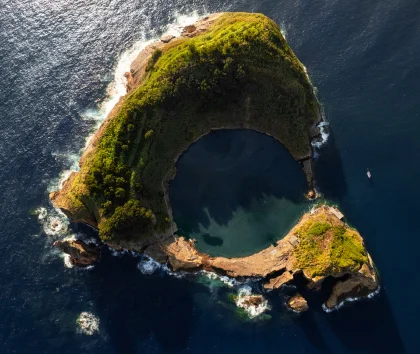
Crucero de Buceo Sumbawa
Tiburones Ballena, Arrecifes Prístinos y el Secreto Mejor Guardado de Indonesia
Sobre Sumbawa
Buceo en Crucero en Sumbawa
Sumbawa es una gran isla en la provincia de Nusa Tenggara Occidental de Indonesia, ubicada entre Lombok al oeste y Flores y Komodo al este. Mucho menos visitada que sus famosos vecinos, la isla de Sumbawa ofrece algunos de los buceos más gratificantes y menos concurridos de Indonesia.
Un viaje en crucero de buceo por Sumbawa combina buceo de clase mundial con la aventura de explorar una de las últimas fronteras de Indonesia. Disfrute de internet satelital ilimitado gratuito y la mejor mezcla de Aire Enriquecido (NITROX).
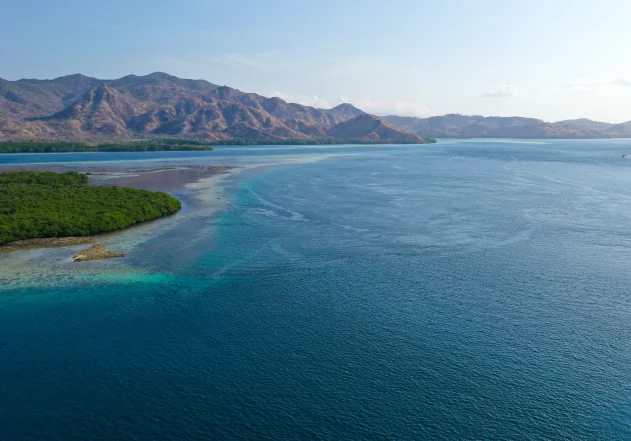
Resumen de Nuestro Viaje a Sumbawa
Experiencia
La Experiencia de Buceo en Sumbawa
El buceo en Sumbawa es una mezcla extraordinaria de encuentros con grandes animales y exploración de arrecifes vírgenes. La isla se encuentra en la encrucijada de corrientes oceánicas que canalizan nutrientes.
Tiburones Ballena de Sumbawa
La bahía de Saleh es uno de los lugares más confiables de Indonesia para ver tiburones ballena. Estos gigantes amigables se congregan alrededor de las plataformas pesqueras tradicionales de mayo a octubre.
Isla Moyo y Arrecifes Prístinos
La isla Moyo es una reserva natural protegida frente a la costa norte de Sumbawa. Sus arrecifes están entre los más prístinos de la región, con una cobertura excepcional de corales duros.
Puerta de Entrada a Komodo
La posición estratégica de Sumbawa entre Lombok y Komodo la convierte en una parada ideal en itinerarios de crucero extendidos. Bucea en Gili Banta en la frontera del Parque Nacional de Komodo.
Dive Sites
Top Dive Sites in Sumbawa
From whale shark encounters in Saleh Bay to pristine walls at Gili Banta, Sumbawa diving delivers a rare mix of big animal action and untouched coral reefs far from the crowds.
Moyo Island Reefs
All LevelsPristine hard coral gardens surrounding this protected nature reserve island, with excellent visibility, reef sharks, turtles, Napoleon wrasse, and clouds of colorful reef fish in crystal-clear waters.
Saleh Bay (Whale Shark Point)
All LevelsShallow bay where whale sharks congregate around fishing platforms (bagans). Snorkeling and diving encounters with the world's largest fish in warm, calm conditions from May to October.
Satonda Island
IntermediateVolcanic crater island with a saltwater lake. Underwater, dramatic walls plunge into the blue with healthy coral cover, schooling barracuda, eagle rays, and occasional hammerhead sightings.
Gili Banta
AdvancedCurrent-swept island between Sumbawa and Komodo with spectacular drift dives, large schools of trevally, reef sharks, manta ray encounters, and pristine untouched coral walls.
Batu Tiang Pinnacles
IntermediateSubmerged pinnacles covered in soft corals and gorgonian fans where currents attract pelagics including tuna, trevally, and whitetip reef sharks cruising the blue water.
Teluk Sanggar
All LevelsSheltered bay near Mount Tambora with healthy macro life, nudibranchs, frogfish, and volcanic sand critter diving reminiscent of Lembeh Strait but completely unexplored and uncrowded.
Best Time to Visit
Sumbawa Diving Season Calendar
The best time for a Sumbawa trip is during the dry season from April to October, when whale sharks gather in Saleh Bay and visibility reaches its peak. Sumbawa diving is excellent year-round for reef exploration.
| Month | Water Temp | Visibility | Currents | Highlight |
|---|---|---|---|---|
| Jan | 28°C | 10–15m | Mild | Wet season |
| Feb | 28°C | 10–15m | Mild | Wet season |
| Mar | 29°C | 15–20m | Mild | Transition |
| Apr | 29°C | 15–25m | Mild | Season opens |
| May | 28°C | 20–30m | Moderate | Whale sharks arrive |
| Jun | 27°C | 20–30m | Moderate | Peak whale sharks |
| Jul | 26°C | 20–30m | Moderate | Peak season |
| Aug | 26°C | 20–30m | Moderate | Peak season |
| Sep | 27°C | 20–25m | Moderate | Great conditions |
| Oct | 28°C | 15–25m | Moderate | Season winds down |
| Nov | 29°C | 15–20m | Mild | Transition |
| Dec | 29°C | 10–15m | Mild | Wet season |
Recommended months for Sumbawa diving and whale shark encounters
Conditions
Water Conditions & Gear
Temperature
26–29°C (79–84°F)
Visibility
15–30m (50–100ft)
Currents
Mild to moderate — site dependent
Best Visibility
May – September
Thermoclines
Occasional in deeper sites around Gili Banta
Suit
3mm full wetsuit
Certification
Open Water for most sites, Advanced for Gili Banta
Nitrox
Recommended for multi-dive days
Marine Life
What You’ll See Diving in Sumbawa
Sumbawa Indonesia sits at the heart of the Coral Triangle, offering encounters with whale sharks, manta rays, reef sharks, and an abundance of macro critters on reefs that see very few divers.
Whale Sharks & Rays
- Whale sharks (seasonal)
- Reef manta rays
- Eagle rays
- Mobula rays
- Blue-spotted stingrays
Sharks
- Whitetip reef sharks
- Blacktip reef sharks
- Grey reef sharks
- Bamboo sharks
- Hammerhead sharks (Gili Banta)
Pelagics
- Giant trevally
- Dogtooth tuna
- Napoleon wrasse
- Barracuda schools
- Spanish mackerel
Macro Life
- Nudibranchs (100+ species)
- Frogfish
- Seahorses
- Octopus
- Mantis shrimp
Reef Life
- Pristine hard coral gardens
- Gorgonian sea fans
- Barrel sponges
- Anthias clouds
- Clownfish colonies
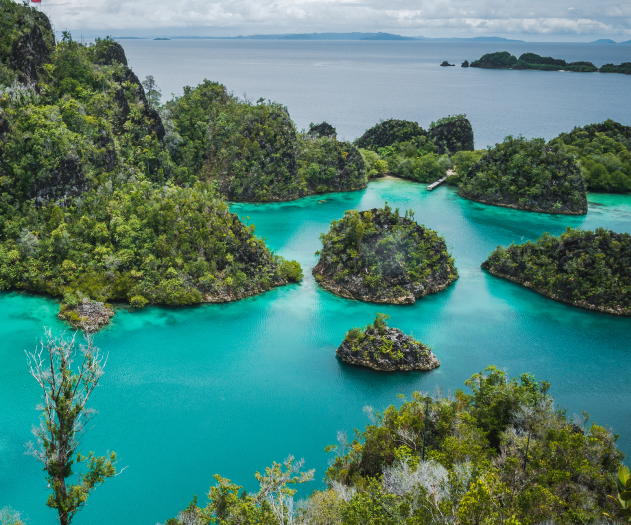
Viaje
Cómo Llegar a Sumbawa
Hay varias formas de llegar a la isla de Sumbawa. Vuele directamente al aeropuerto de Sumbawa Besar (SWQ) o de Bima (BMU) desde Bali o Yakarta. También puede tomar el ferry de Lombok a Sumbawa en el puerto de Poto Tano.
Para viajes en crucero, Sumbawa generalmente se incluye como parte de un itinerario Labuan Bajo–Sumbawa o Komodo–Sumbawa. Nuestro equipo proporciona asistencia de viaje completa.
Puntos de acceso: Sumbawa Besar / Bima / Labuan Bajo Vuelo a SWQ o BMU, o ferry desde Lombok. Los cruceros suelen partir de Labuan Bajo.
Beyond Diving
What to Do in Sumbawa
Sumbawa island is more than a diving destination. From world-class surfing to volcanic trekking, there’s plenty to explore above the waterline.
Sumbawa Surf at Lakey Peak
Lakey Peak near Hu'u is one of Indonesia's most famous surf breaks, attracting surfers from around the world with its consistent left and right barrels from May to October.
Trek Mount Tambora
Hike to the rim of Mount Tambora, the volcano responsible for the largest eruption in recorded history in 1815. The caldera offers breathtaking views and a profound sense of geological power.
Explore Moyo Island
Visit the Moyo Island nature reserve — a protected paradise with cascading waterfalls, wild deer, tropical forests, and some of the most pristine snorkeling and diving in Indonesia.
Discover Sumbawa Besar
Explore the main town of Sumbawa Besar with its traditional markets, the historic Sultan's Palace (Dalam Loka), and authentic Sumbawan cuisine and culture.
Consejos de Viaje
Consejos para Viajeros
Mejor Temporada para Tiburones Ballena
Planifique su viaje a Sumbawa entre mayo y octubre para las mejores oportunidades de ver tiburones ballena en la bahía de Saleh.
Moverse por Sumbawa
Sumbawa es una isla grande con transporte público limitado. Para la mejor experiencia, un crucero de buceo maneja toda la logística.
Combinar con Komodo
Muchos itinerarios combinan Sumbawa con Komodo para la aventura definitiva de buceo en Indonesia.
Respetar el Medio Ambiente
La isla Moyo es una reserva natural y los tiburones ballena de la bahía de Saleh son un recurso frágil. Siga las pautas de interacción responsable con la vida silvestre.
Travel Essentials
Practical Travel Information
Visa
Visa on Arrival available for most nationalities (30 days, extendable once). Passport must be valid for 6+ months.
Currency
Indonesian Rupiah (IDR). ATMs are available in Sumbawa Besar and Bima. Carry cash for remote areas and smaller islands.
Language
Bahasa Indonesia is the national language. Sumbawan is the local language. English is spoken by dive guides and crew on Neptune vessels.
Tipping
Customary to tip the crew. A guideline of $15–20 USD per guest per day is appreciated.
What to Pack
Reef-safe sunscreen, hiking shoes for Tambora or Moyo treks, motion sickness medication, and underwater camera.
Health
No mandatory vaccinations. Recommended: Hepatitis A/B, Typhoid. DAN dive insurance strongly recommended. Nearest recompression chamber is in Bali.
Electricity
220V, 50Hz with Type C/F plugs (European style). Bring a universal adapter. Power supply can be unreliable in remote areas.
Time Zone
WITA (Central Indonesian Time), UTC+8.
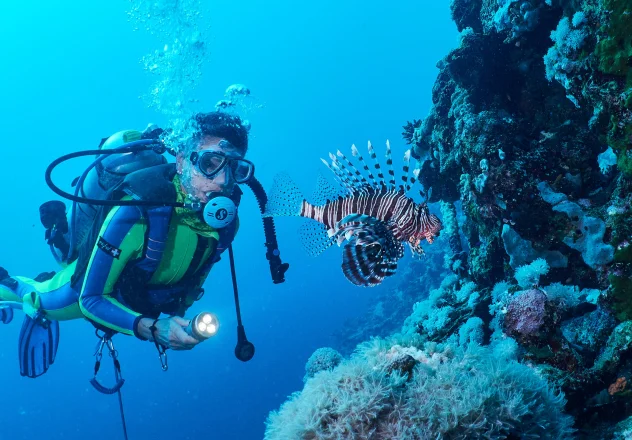
Nuestro Itinerario
Explore Sumbawa en Crucero
Nuestros itinerarios de crucero en Sumbawa lo llevan a los sitios de buceo más espectaculares, desde encuentros con tiburones ballena hasta los arrecifes prístinos de la isla Moyo.
Ver ProgramaSu Viaje
Qué Está Incluido y Excluido
Qué Está Incluido
- Liveaboard accommodation
- Airport/Hotel Transfer
- Diving activities
- Three daily main meals
- Unlimited Satellite Internet
- Three main daily snacks
- All-day snacks, coffee / tea
- Tanks, weights, weight belts
- Snorkeling gear
- 4 on 1 diver to guide ratio
- SUP (Stand-up Paddle board)
- Kayaking
No Incluido
- NITROX
- 15L tanks
- Single occupancy cabin
- Park & Port fees
- Private dive guide
- Alcoholic beverages & soft drinks
- Equipment rental (BCD, Wetsuit, Regulator, etc)
FAQ
Preguntas Frecuentes sobre Sumbawa
Where is Sumbawa and how do I get there?
Sumbawa is an island in the West Nusa Tenggara province of Indonesia, located between Lombok and Flores. You can fly to Sumbawa Besar (SWQ) or Bima (BMU) airports from Bali or Jakarta, take a ferry from Lombok to Sumbawa (Poto Tano port, approximately 1.5 hours), or join a liveaboard trip that departs from Labuan Bajo or Bali with Sumbawa as a stop along the route.
How do I see whale sharks in Sumbawa, Indonesia?
Whale sharks in Sumbawa are most commonly encountered in Saleh Bay, particularly near the fishing platforms (bagans) where they aggregate to feed on small fish attracted by the platform lights. The best season for whale shark encounters is between May and October. Our liveaboard itineraries that include Sumbawa are timed to maximize your chances of swimming alongside these gentle giants.
How do I get from Lombok to Sumbawa?
The most common route from Lombok to Sumbawa is by public ferry from Kayangan Harbor in Lombok to Poto Tano Harbor in western Sumbawa, a crossing that takes approximately 1.5 hours. Alternatively, you can fly from Lombok International Airport (LOP) to Sumbawa Besar Airport (SWQ). Our liveaboard trips handle all logistics, eliminating the need to arrange independent transport.
How do I get to Sumbawa from Bali?
From Bali, you can fly directly to Sumbawa Besar (SWQ) or Bima (BMU) with domestic carriers like Wings Air and NAM Air. Alternatively, you can take the scenic overland-and-ferry route via Lombok: fly to Lombok, then ferry to Sumbawa. The easiest option is boarding a Neptune liveaboard from Bali that includes Sumbawa in its itinerary.
How do I get to Moyo Island from Sumbawa?
Moyo Island lies just off the northern coast of Sumbawa, approximately 2 hours by boat from Sumbawa Besar or Ai Bari port. The island is a protected nature reserve with limited tourism infrastructure. Our liveaboard trips include Moyo Island as a diving destination, offering the most comfortable and reliable way to access its pristine reefs and waterfalls.
Is Sumbawa diving suitable for beginners?
Sumbawa offers dive sites for all levels. Moyo Island and the sheltered bays around Sumbawa have gentle currents and excellent visibility, making them ideal for Open Water certified divers. Some sites in Saleh Bay and around Satonda Island may have moderate currents better suited for intermediate to advanced divers.
What else can I do in Sumbawa besides diving?
Sumbawa is world-renowned for surfing, particularly at Lakey Peak near Hu'u on the southern coast. Other activities include hiking to the rim of Mount Tambora (the volcano behind the famous 1815 eruption), trekking through Moyo Island's nature reserve to see waterfalls, visiting traditional Sumbawan villages, and exploring the local markets of Sumbawa Besar.
Explorar Más
Ver Otros Destinos
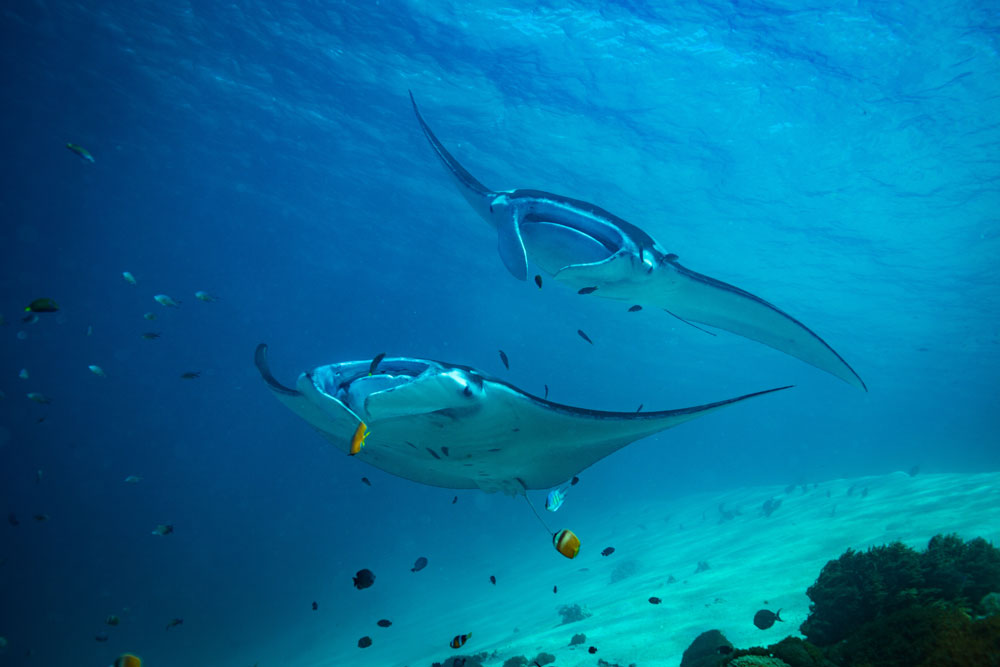
Komodo
Continue your journey east from Sumbawa to Komodo National Park — home to the iconic Komodo dragons and world-class manta ray diving.
Explore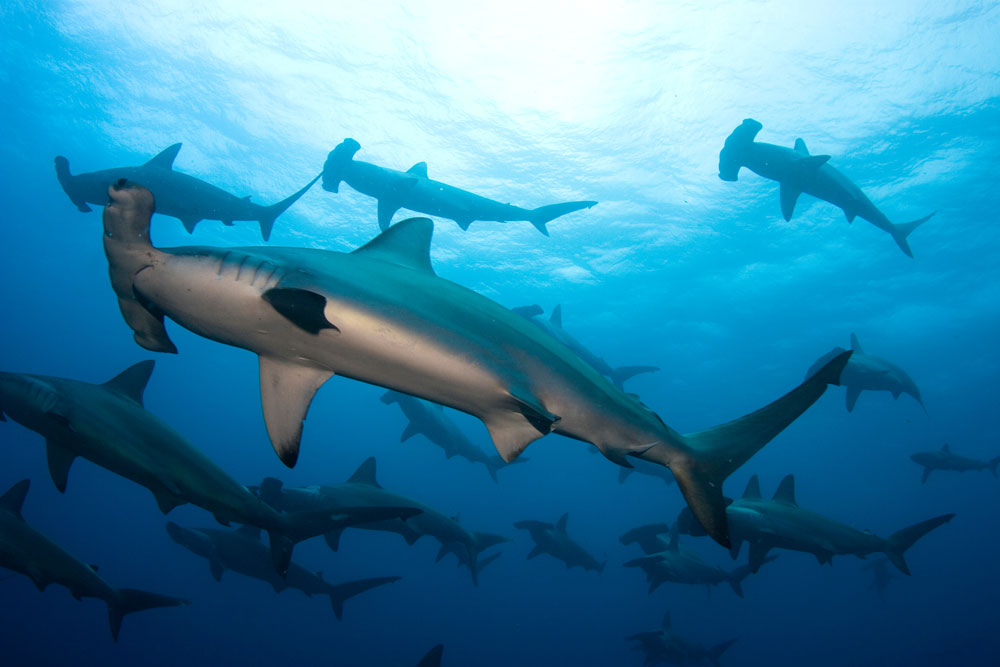
Banda Sea
For the ultimate pelagic adventure, the Banda Sea delivers schooling hammerhead sharks, pilot whales, and pristine volcanic walls.
Explore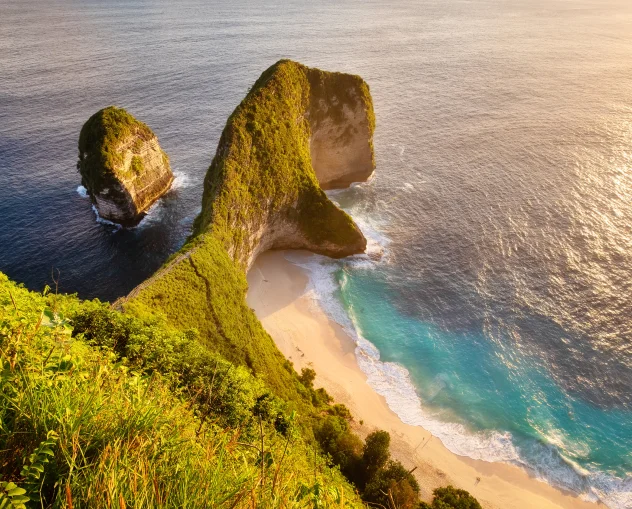
Bali
Start or end your Sumbawa trip in Bali — from manta rays at Nusa Penida to the legendary USS Liberty wreck in Tulamben.
Explore