Indonesia liveaboard diving lets you explore the world's most diverse marine habitats on multi-day boat trips around the Indonesian archipelago. This scuba diving spot lies in the Coral Triangle, which has 83,000 miles of reefs, more than 500 coral varieties, and more than 2,000 fish species. It is also home to more than 18,000 islands between the Indian and Pacific Oceans. Liveaboards in Indonesia are the best way for divers who want to explore dive sites that aren't usually accessible from the shore. These locations are clean and remote, and land-based operations can't get to them.

This article talks about the main places to visit, the best times of year to go, the different types of boats, and how to organize your Indonesia liveaboard tour. The content is for intermediate to advanced divers who want to travel on 4- to 14-day trips in places like Raja Ampat, Komodo National Park, the Banda Sea, and the Forgotten Islands. Budget concerns, certification requirements, and booking methods are all in scope. Technical diving specifications and equipment inspections are not.

Liveaboard diving in Indonesia takes place on a single boat that cruises overnight between distant dive sites. It offers 3 to 4 dives a day in areas that other boats or land tours can't reach.

You will learn the following by reading this guide:

  • A clear idea of which places are good for diving based on your skills and interests
  • Seasonal knowledge to plan your vacation such that the weather is nice and you can see the most marine life
  • Realistic schedules and useful tips for making reservations
  • Expectations for marine life, from whale sharks to manta rays
  • Ways to solve frequent problems with logistics in the Indonesian archipelago

Understanding Indonesia Liveaboard Diving

Indonesia is a unique place in the diving world. The Indonesian Throughflow is a huge current system that moves warm, nutrient-rich water across narrow straits and volcanic basins. It is located near the meeting point of the Indian and Pacific Oceans. This oceanic phenomenon causes plankton blooms, supports a huge variety of life, and makes diving in Indonesia unlike anywhere else on Earth.

The size of the country makes things easier and harder. The best diving sites are spread out over a lot of space, since there is four times more ocean than land and 34,000 miles of coastline. There aren't many dive resorts compared to the quantity of world-class reefs, especially outside of established areas like North Sulawesi and parts of West Papua. More than 100 Indonesia liveaboards operate year-round because of this, and Indonesia liveaboard diving is the best way to see everything the country has to offer underwater.

Major Diving Regions

Raja Ampat in West Papua is always at the top of the list for the most biodiverse maritime environment in the world and of course for liveaboards in Indonesia. Scientific assessments have found more than 1,500 kinds of fish and more than 500 types of coral in this one area, which is more than the number of species found in whole countries. Raja Ampat's reefs have channels that are swept by currents and full of schools of fish, quiet bays with amazing coral reefs, manta cleaning stations, and mangrove-reef interfaces that sustain distinct ecosystems.

Diving in Indonesia expand beyond Raja Ampat. They include the Banda Sea's offshore seamounts, the Forgotten Islands near Timor, and the Lesser Sunda Islands' Komodo National Park. Each area has its own unique features, but they all have one thing in common: the only way to get to their most pristine spots is via liveaboard. To get from one region to another, you have to cross the open ocean. This is why divers who wish to see more than one habitat on a single trip need to use a boat.

Types of Liveaboard Vessels

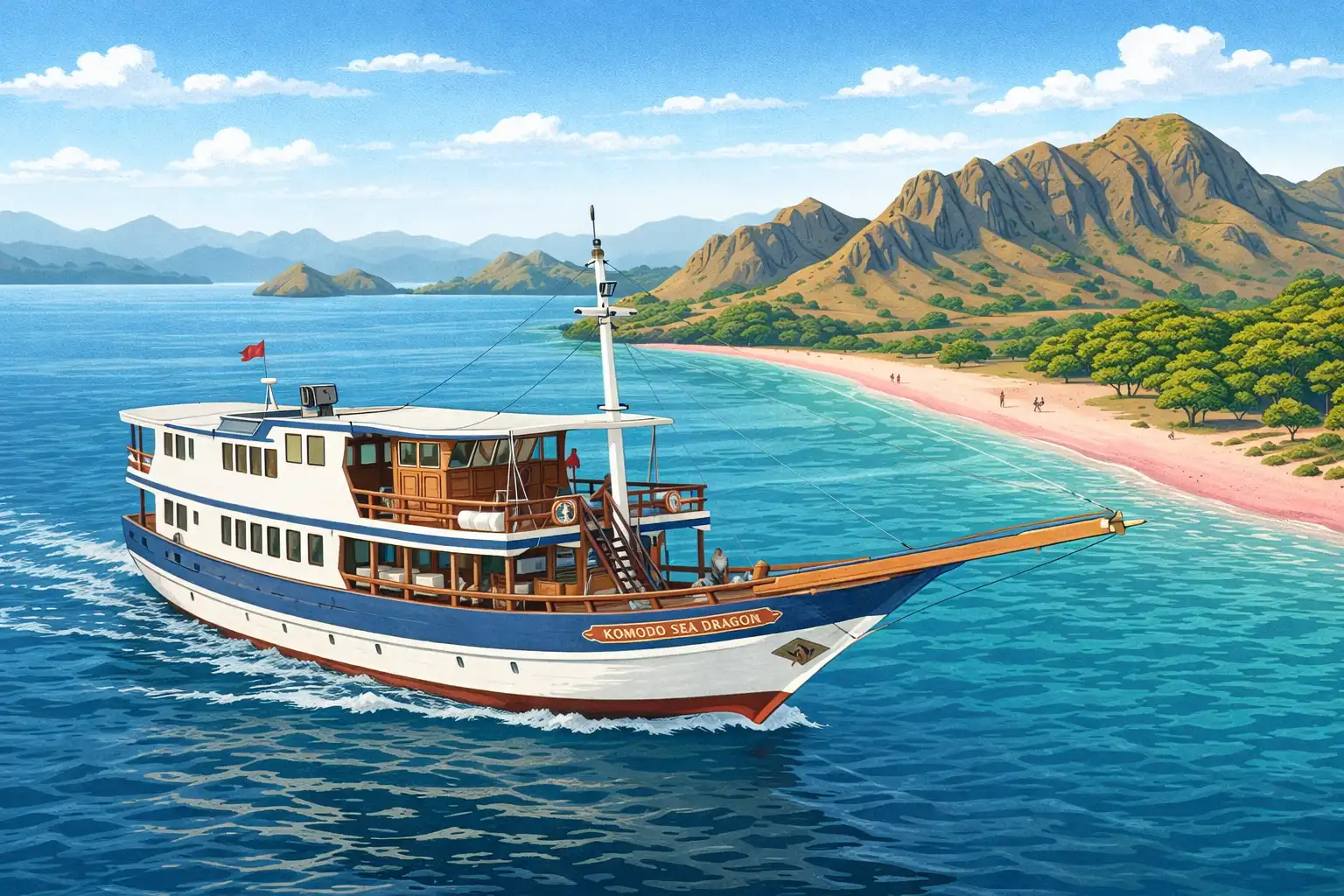
Indonesia's unique addition to liveaboard diving is the traditional phinisi sailing boats like Komodo Sea Dragon and Neptune One. These wooden boats are based on Buginese and Konjo designs. They usually have schooner rigging and mix traditional Indonesian craftsmanship with modern diving infrastructure. A phinisi gives you a real sailing experience while also providing camera rooms, en-suite accommodations, and skilled dive operations.

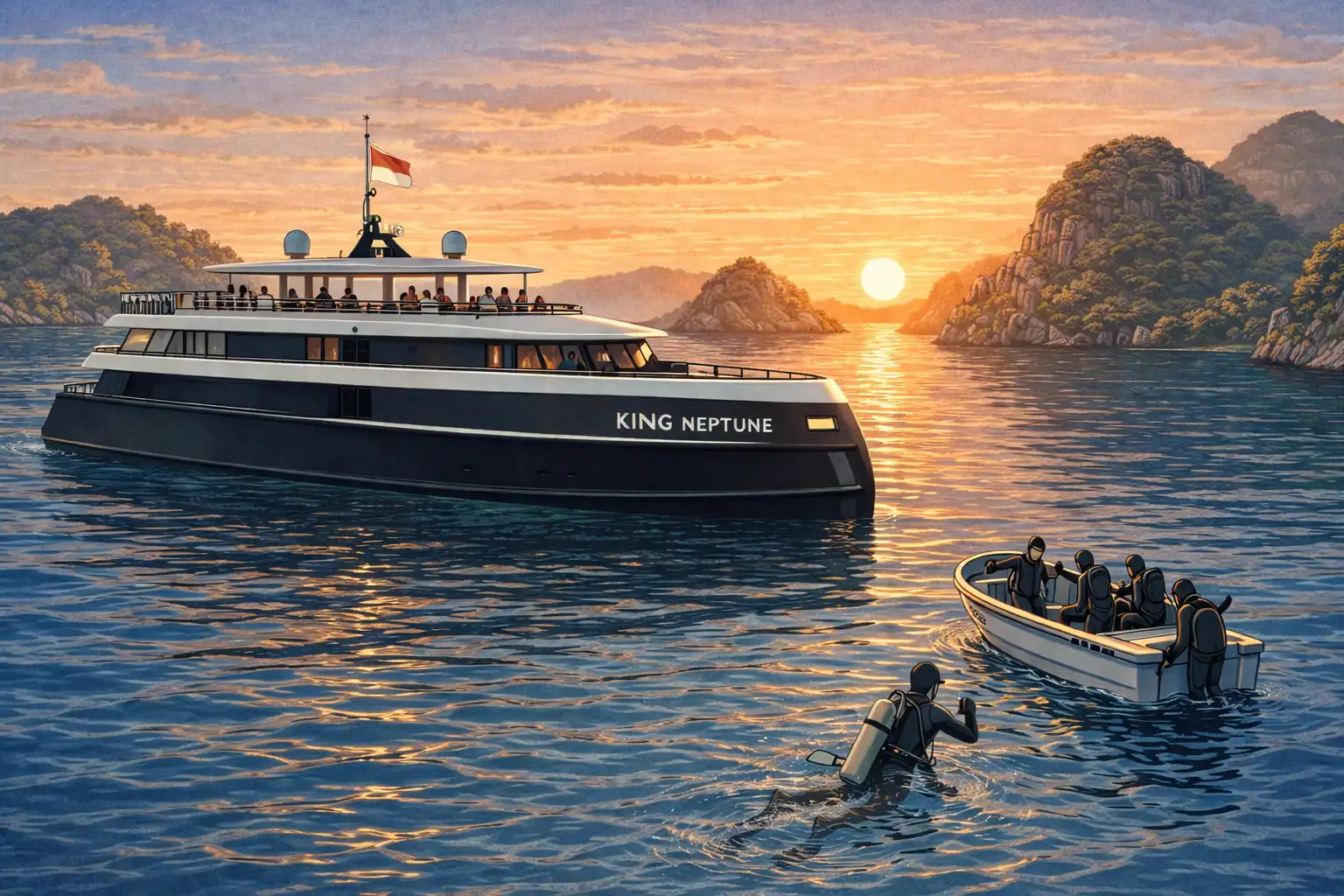
Modern motor boats like King Neptune take a different approach, putting speed and stability ahead of conventional looks. These boats are made of steel or aluminum and can travel longer distances between diving sites. They often have bigger suites, more crew members per guest, and more amenities. Both types of vessels can hold 12 to 24 divers, and the number of crew members is often the same as or more than the number of guests.

The connection between the type of vessel and the itinerary goes beyond comfort levels. Phinisi boats are great for short trips where the time between stops is minimal. Motor yachts are best for extended trips across the Banda Sea or the large Raja Ampat area that require a lot of overnight cruising. Knowing the difference between these two things can help you find the right operators for your expedition.

Top Indonesia Liveaboard Destinations

The geography, currents, and seasonal patterns of each Indonesian diving area make for unique experiences. Because of the variety, divers can go back to Indonesia over and over again and see completely different underwater settings each time.

Raja Ampat and West Papua

Raja Ampat is made up of four main islands: Waigeo, Batanta, Salawati, and Misool. It also has hundreds of smaller islands and reefs in West Papua. The reefs of Raja Ampat have more marine animals than anywhere else, with surveys finding hundreds of coral species at each site and fish numbers that set new scientific records.

Some of the best things to see are manta rays at cleaning stations, where they swim in circles for hours, schools of barracuda and jacks with hundreds of fish, and small things like pygmy seahorses lurking in gorgonian fans. Photographers come from all over the world to take pictures of the stunning limestone karst terrain above water and the soft coral walls below water at the Misool area in the south.

Cenderawasih Bay is a good place to see whale sharks because they gather there to feed near bagan fishing platforms. Many travel plans include diving at Raja Ampat and then going to Cenderawasih Bay or Triton Bay for more experiences in West Papua.

Komodo National Park

When you dive in Komodo, you find a UNESCO World Heritage Site where the waters of two major ocean systems meet. When currents combine, they create upwellings full of nutrients that support amazing coral development and fish schools. You should respect this marine park. The currents are strong in many places, thus Komodo diving is better for experienced divers who are acquainted with negative entry and drift methods.

Manta cleaning stations are some of the best things to see in the park. Large oceanic mantas come to certain places on a regular basis and swim in circles while reef fish eat parasites off of them. There are reef sharks that patrol a lot of places, sea turtles that eat sponges, and big schools of fish that swim around pinnacles.

Above water, trips to Rinca or Komodo Island to observe Komodo dragons offer a land-based aspect that is not found at other diving spots. Most liveaboard trips include at least one land tour to see these ancient reptiles in their natural habitat. Labuan Bajo is the port of departure for the national park and has become a major tourist center in Southeast Asia.

Banda Sea and Forgotten Islands

The Banda Sea is the best place to do expedition-style diving. Seamounts rise from the deep ocean floor, and currents sweep over their tops, drawing in schools of hammerhead sharks, big trevallies, and oceanic mantas. In these open-ocean areas, visibility is often very good. Operators say that "gin-clear waters" can be found at offshore pinnacles.

During transitional seasons (around September to November), hammerhead aggregations attract divers to certain Banda Sea sites. At their busiest times, schools of more than 200 sharks can be seen. These encounters need certain conditions and times to happen, thus they are more like highlights of crossing itineraries than definite sightings.

The Forgotten Islands chain goes through Indonesia's southeastern arc, between Timor and Papua. It includes islands that are very far away and not very populated. Divers who are ready to journey to these remote areas will find untouched reefs with few people on them, thriving fish populations, and the real sense of adventure that drew early diving pioneers to Indonesia decades ago.

Raja Ampat has the most biodiversity and reliable manta encounters; Komodo has high-energy current diving with land animals; the Banda Sea and Forgotten Islands are great for remote adventures and pelagic opportunities, like sharks, dolphins, and even whales.

Wakatobi Diving Highlights

Wakatobi, which is in Southeast Sulawesi, is known for its beautiful coral reefs and rich marine life. Wakatobi is a secluded and protected marine park that has colorful coral gardens, lots of reef fish, and robust populations of turtles and reef sharks. Because of its clean waters and diverse macro life, this location is a popular spot for underwater photographers and divers looking for a less crowded alternative to more prominent Indonesian dive sites.

Liveaboard cruises to Wakatobi take you to its secluded dive spots, where you can see unspoiled reefs and the rich marine life of this one-of-a-kind area.

Halmahera Diving Highlights

Halmahera is a new liveaboard diving site in the northern Maluku Islands of Indonesia. It is recognized for its beautiful reefs and rich marine life. This faraway area has a combination of wall dives, coral gardens, and nutrient-rich upwellings that draw pelagic species like reef sharks, tuna, and even hammerhead sharks from time to time. Divers can visit untouched places with lots of healthy coral, lots of big fish, and steep drops. Because Halmahera is not very close to other places, there are less people and a real sense of undersea adventure.

Many liveaboard cruises include stops at Halmahera, Raja Ampat, or the Banda Sea. These places are less well-known than Indonesia's most prominent diving spots, but they are nonetheless great places to dive.

Lembeh Strait Diving Highlights

The Lembeh Strait, which is in North Sulawesi, is famous all over the world for its amazing muck diving. This tiny canal between the islands of Sulawesi and Lembeh is known for having a lot of uncommon and interesting animals. It is a must-see for underwater photographers and macro enthusiasts. There are a lot of different kinds of nudibranchs, mimic octopuses, colorful cuttlefish, hairy frogfish, and other species that divers can expect to see.

The clear water and tranquil conditions make it easy to get up close and personal with the interesting creatures that live on the seafloor. Lembeh's unique environment is very different from the colorful coral reefs found in other parts of Indonesia. This shows how diverse the archipelago is as a whole.

Alor Diving Highlights

Alor is a distant and less-visited diving spot in the eastern portion of the Indonesian archipelago, near the Timor Sea. It has beautiful reefs and a wide range of marine species. Alor is a popular diving destination for people who want to get away from the crowds. It has clean waters, colorful coral gardens, and lots of macro species. The area has high walls, coral bommies, and lots of muck diving spots where you can see creatures like pygmy seahorses, nudibranchs, and uncommon ghost pipefish.

Strong currents and periodic upwellings deliver seas full of nutrients that support pelagic animals like manta rays and reef sharks. Liveaboard cruises to Alor sometimes go along with journeys to the Banda Sea or Komodo, giving daring divers an opportunity to see several different ecosystems in one trip.

However, Alor is more famous for large marine life such as hammerheads, thresher sharks, Mola Mola, and of course dolphins and occasional sightings of migrating whales.

Seasonal Planning and Booking Strategy

Indonesian diving follows monsoonal patterns that change from place to region. This means that the finest liveaboard operators move their boats around all year long to keep the optimum conditions for guests.

Peak Season Planning (October to April)

The best time to visit Raja Ampat is from November to May, when the seas are calm and visibility is usually at its best. A lot of gorgeous boats are in Raja Ampat during these months before moving to Komodo for the summer. There is a lot of rivalry for slots because prominent operators sell out 12 to 18 months in advance for peak Raja Ampat departures.

During Raja Ampat season, the weather is usually calmer and has less winds, however it might still rain in some places. During these months, manta ray groups are at their biggest at some places, and whale shark sightings in Cenderawasih Bay stay the same.

Prices during the busiest times of year are based on demand. Prices will be 15 to 30 percent higher than during shoulder seasons, and the nicest liveaboard boats will cost the most. When you book early, you can be sure that there will be space available, and you may even get early-bird discounts that make up for seasonal price increases.

The best time to visit Komodo is between May and June and September and October, when the weather is drier on the Lesser Sunda Islands. During this time, dive operators in Komodo can reach all of the national park's sites, even the southern ones that can be closed during monsoon swells. Many tour companies offer "crossing" journeys between seasons that go across the Banda Sea, Alor, or Ambon. These trips have become popular because they offer a variety of marine life and a chance to explore new places.

Destination and Operator Comparison

FactorRaja AmpatKomodoBanda Sea Crossings
Peak SeasonNovember-MayMay-OctoberMarch-May, September-November
Current StrengthModerate to strongStrong to very strongVariable
Primary AttractionsBiodiversity, mantas, vibrant coral reefsDrift diving, mantas, dragonsHammerhead sharks, seamounts
Typical Trip Length7-10 nights6-10 nights10-14 nights
Price Range$3,000-$8,000+$2,500-$7,000+$3,000-$8,000+
Departure PortsSorongLabuan BajoVarious
Minimum ExperienceAdvanced OW, 50+ divesAdvanced OW, 50+ divesAdvanced OW, 100+ dives recommended

Divers who want to see the most different types of fish and have reliable manta encounters should go to Raja Ampat during peak season, even if it costs more. If you like tough currents and want to combine diving adventure with seeing Komodo dragons, the summer is the best time to go to Komodo. Experienced divers who want to explore remote areas and look for possible hammerhead aggregations may look into crossing routes during the transitional seasons.

There are a lot of great boats to choose from in Indonesia. You may rent a budget phinisi boat for about $300 per day, a middle range phinisi such as Komodo Sea Dragon for about $400 per day, or you can rent an ultra-luxury yacht like the King Neptune, for more than $700 per day per person. On high-end boats, there are generally more crew members than guests, and the crew provides customized service like helping with diving, taking pictures, and cooking gourmet meals.

Common Challenges and Solutions

To plan a great trip to Indonesia, you need to be ready for the logistical problems that come with diving in isolated archipelagos on the world's largest island nation.

Domestic Flight Delays to Remote Ports

Flights within Indonesia that connect Jakarta or Bali to ports of departure like Sorong (for Raja Ampat) or Labuan Bajo (for Komodo) often are delayed or canceled. If you miss your liveaboard's departure, you could lose your berth costs and maybe even the whole trip.

Get to your departure port one or two days before the liveaboard leaves. Book a hotel close to the airport or marina. Use the extra time to dive in local reefs or visit coastal villages. This will help you avoid the stress of making tight connections. This method costs an extra night of lodging, but it safeguards the money you spent on the vacation.

Equipment and Certification Requirements

Most liveaboards in Indonesia need at least an Advanced Open Water certification. Many Komodo and Banda Sea itineraries also recommend that you have done 50 to 100 dives. Strong currents, deep reef profiles, and numerous dives every day need skilled divers who can control their own buoyancy and air use.

Be honest about how much experience you have compared to what the plan calls for. Get Nitrox certified before you leave. Being able to dive with enriched air gives you more safety during 3 to 4 days of diving and lets you stay on the bottom longer at moderate depths. If your logged dives don't meet the recommendations, think about going on less difficult trips for your first liveaboard excursion in Indonesia.

Seasickness and Strong Currents

When traveling open oceans between regions, there might be big swells, especially during times of change. Currents in areas like the Komodo and Alor tunnels can be hard for even experienced divers to deal with since they are so strong and changeable.

Take seasickness medicine before getting on the boat instead of waiting for symptoms to show up. Modern ships have stabilizers that keep them from moving about too much, but it's better to stop the motion before it starts. If you're going to dive in currents, bring a reef hook, practice negative entry before the trip, and pay close attention to your dive guide's briefings. To have a pleasant trip, you need to know when things are too dangerous for you and choose to skip certain dives instead of putting your safety at risk.

Conclusion and Next Steps

Indonesia liveaboard diving lets you explore the ocean's most diverse ecosystems on boats that offer comfortable lodging and skilled diving services in isolated areas. The Coral Triangle is home to many different kinds of marine life, including manta rays, whale sharks, hammerhead aggregations, and thousands of reef fish species. This makes arranging a trip to these beautiful coral reefs quite complicated.

Next steps right away:

  1. Check that your certification level is up to par. (Advanced Open Water is the minimum; Nitrox is recommended)
  2. Choose your favorite season based on where you want to go and when you can travel.
  3. Find operators that fit your budget, level of experience, and travel plans.
  4. For the busiest time of year, book 12 to 18 months in advance. Raja Ampat; 6 to 12 months for other places
  5. Plan domestic flights with extra days before you go.

Additional Resources

Certification preparation:

  • PADI, SSI, or NAUI Advanced Open Water courses available through local dive centers worldwide
  • Nitrox certification typically requires one day of training before travel

Booking and research platforms:

  • Liveaboard aggregator sites compile itineraries, availability, and verified diver reviews across operators
  • Direct operator websites often provide more detailed itinerary descriptions and photo galleries

Specialized equipment considerations:

  • 3-5mm wetsuit sufficient for most sites; 5mm recommended for cooler upwelling zones in south Komodo and Alor
  • Surface marker buoys (SMBs) required for drift diving; finger spools recommended
  • Reef hooks useful for current-exposed observation points
  • Underwater photography gear benefits from camera room facilities available on most vessels

Frequently Asked Questions

t depends on the destination. For Raja Ampat, the best season is October to April, when seas are calmest and manta rays are most active. For Komodo National Park, the prime season is April to November during the dry season. The transition months (September/October and April/May) are often excellent for crossing trips (e.g., Banda Sea) as boats relocate between the two regions.
Yes, diving accident insurance is mandatory on almost all respectable Indonesian liveaboards. Given the remote location of sites like Raja Ampat and the Banda Sea, evacuation costs can be extremely high. We strongly recommend a comprehensive policy from providers like DAN or DiveAssure that covers emergency evacuation.
Tipping is not mandatory but is customary and highly appreciated. The industry standard in Indonesia is 10% to 15% of the cruise price. This is typically collected at the end of the trip and shared equally among all crew members (dive guides, kitchen staff, captains, and deckhands).